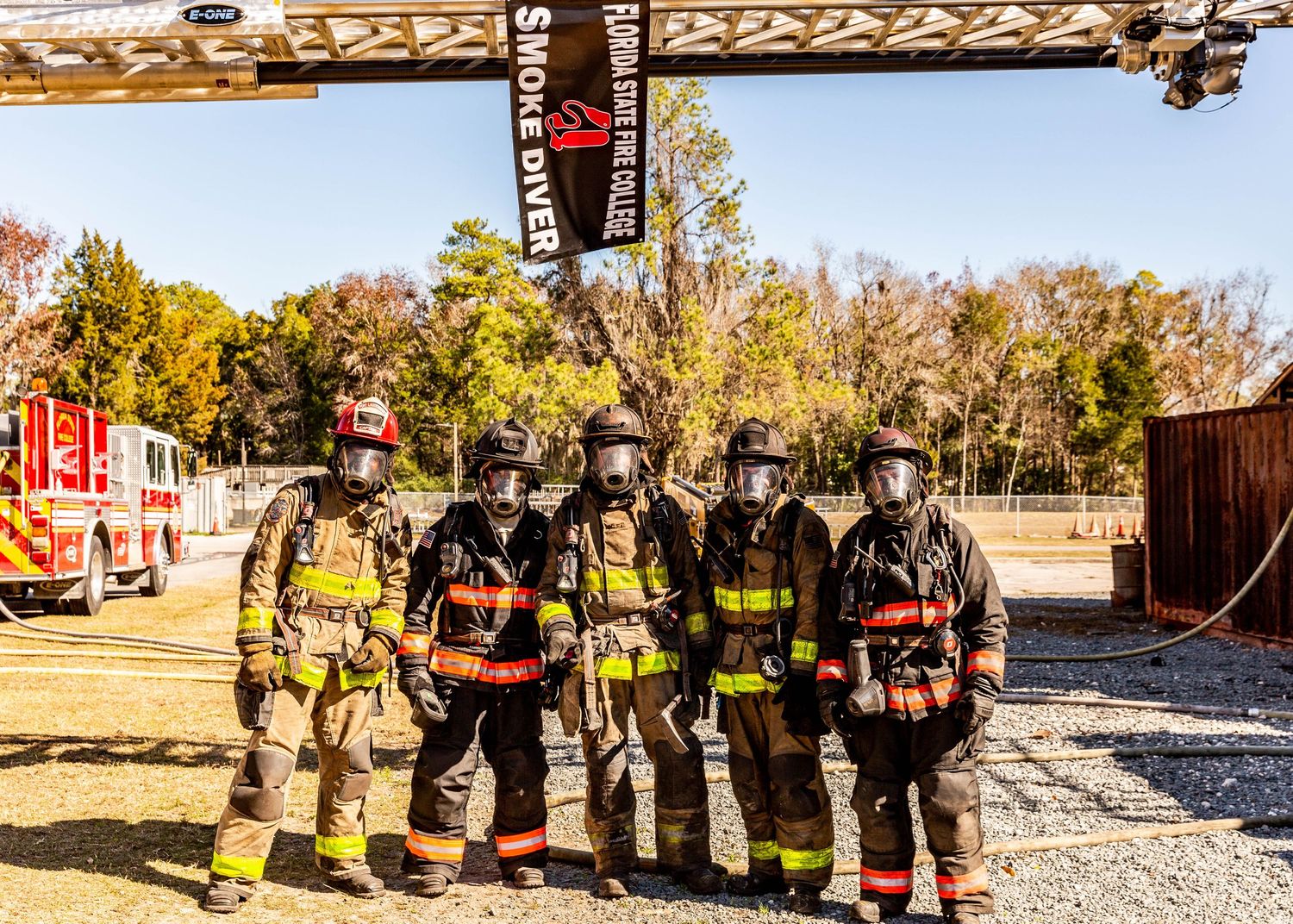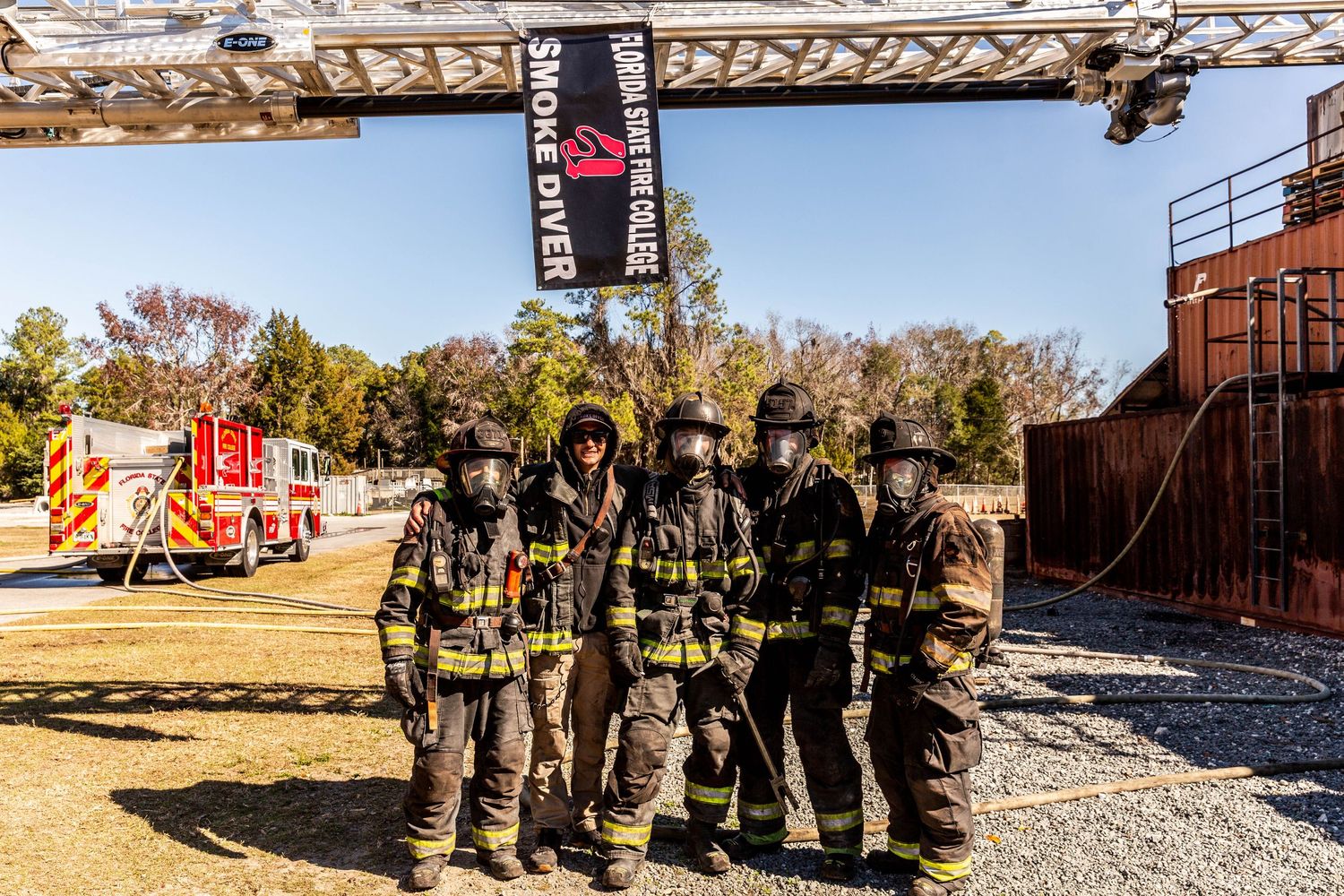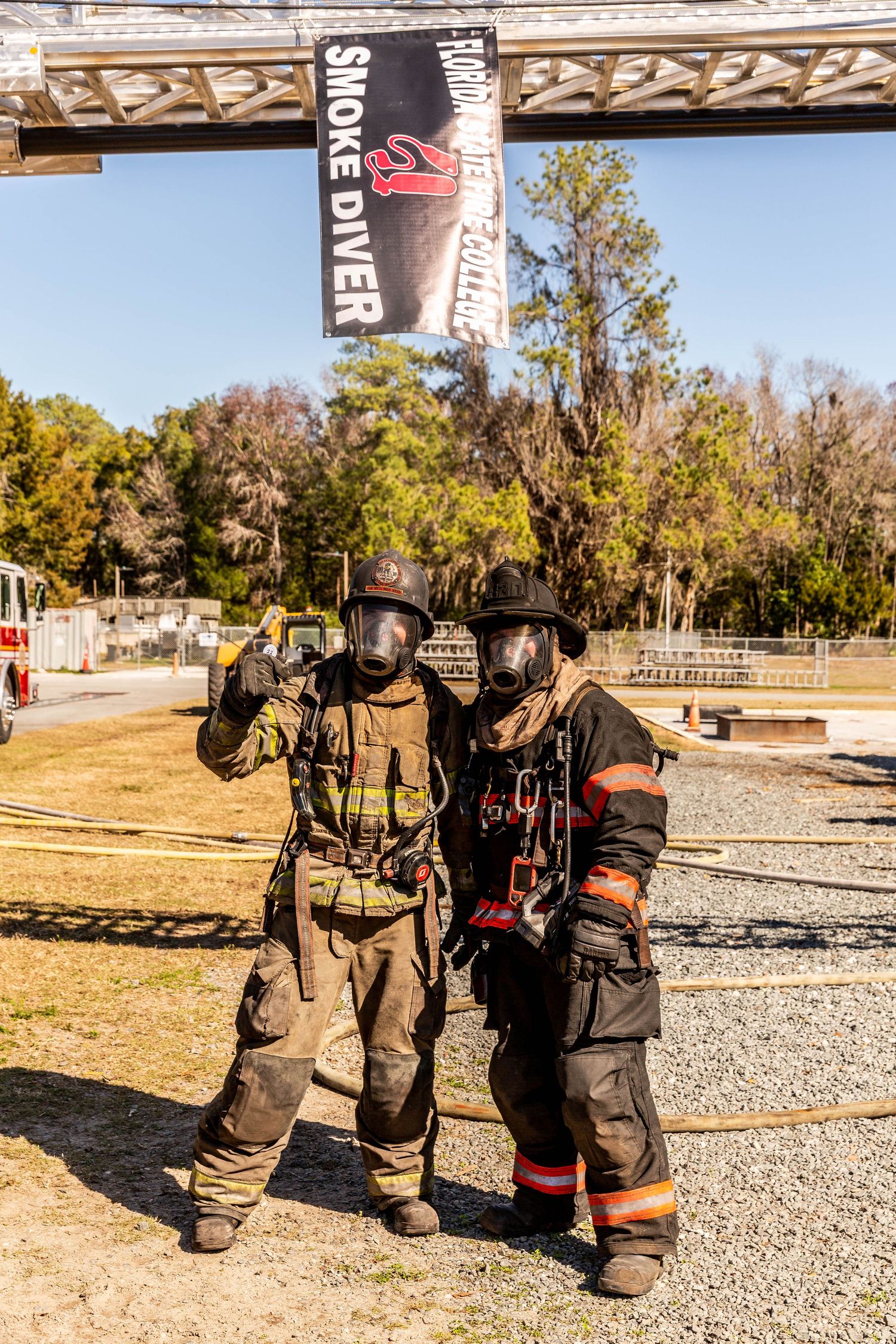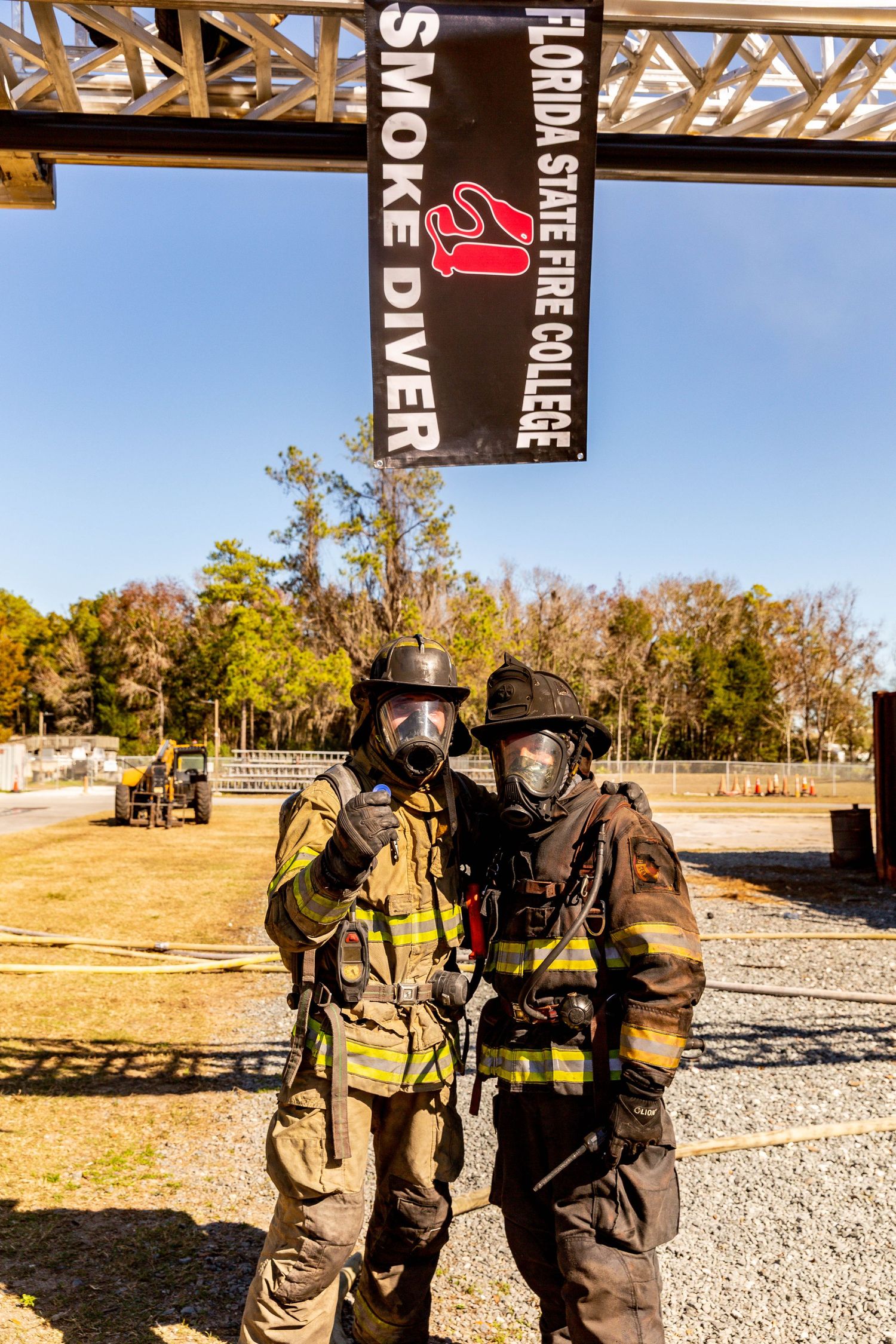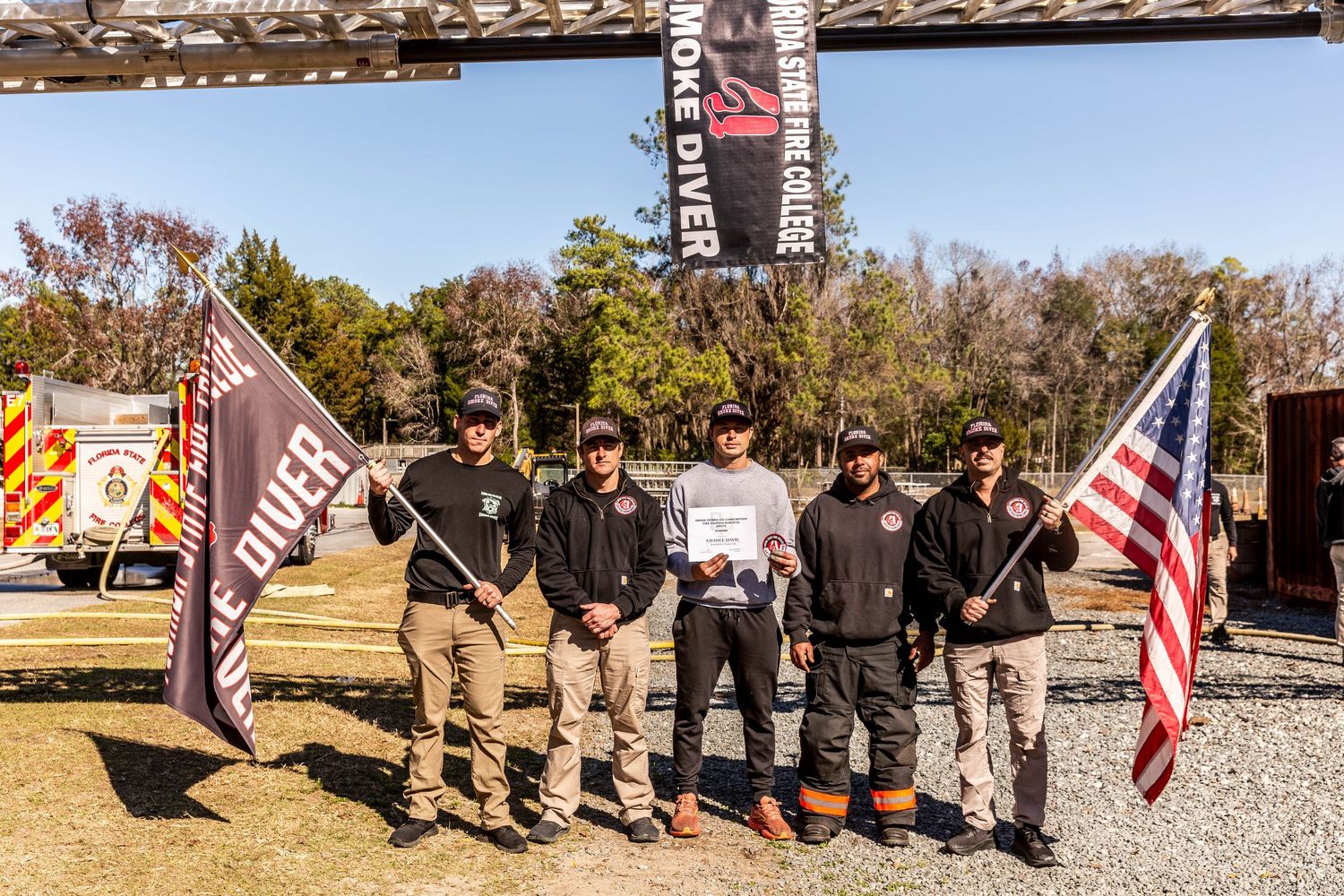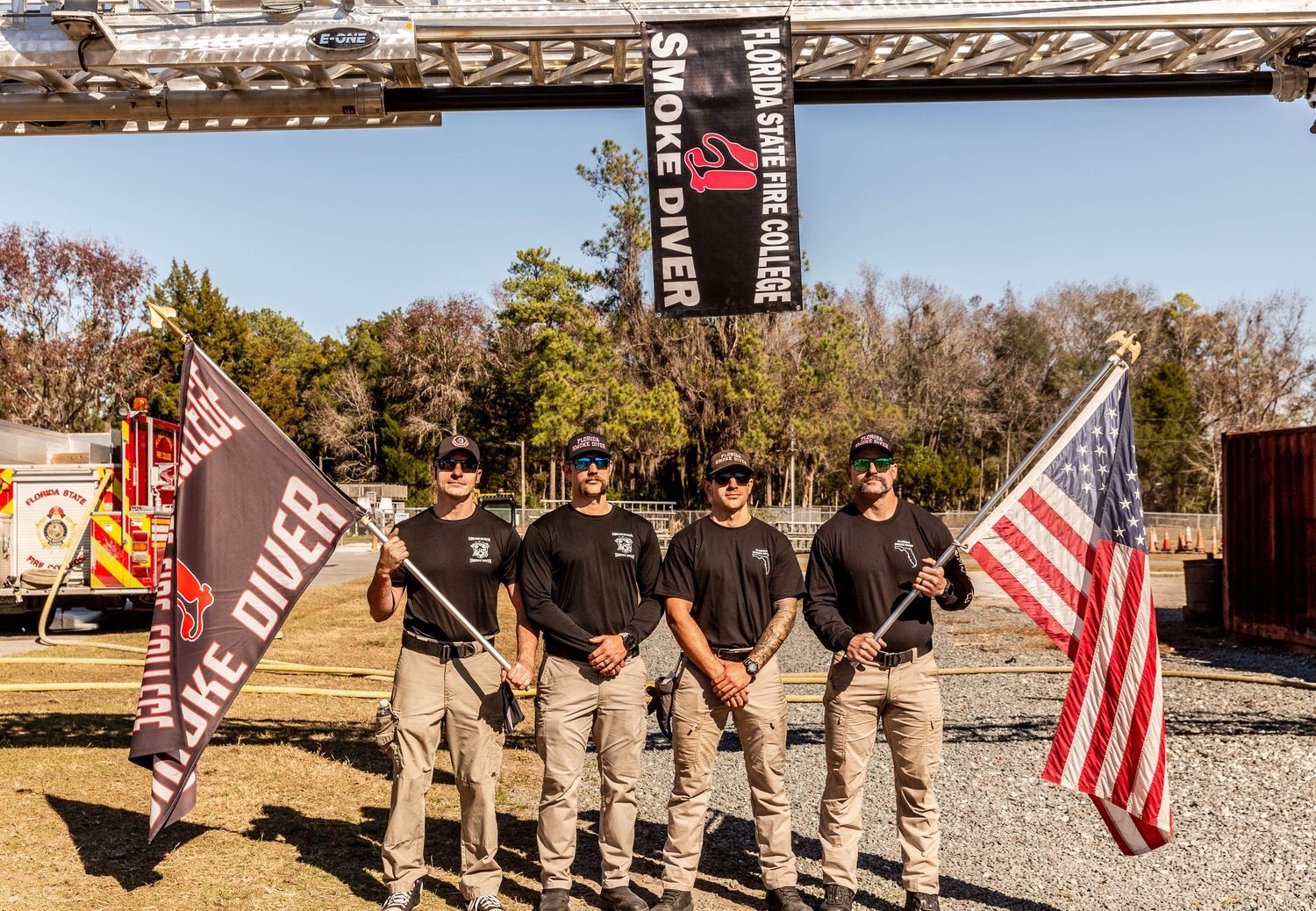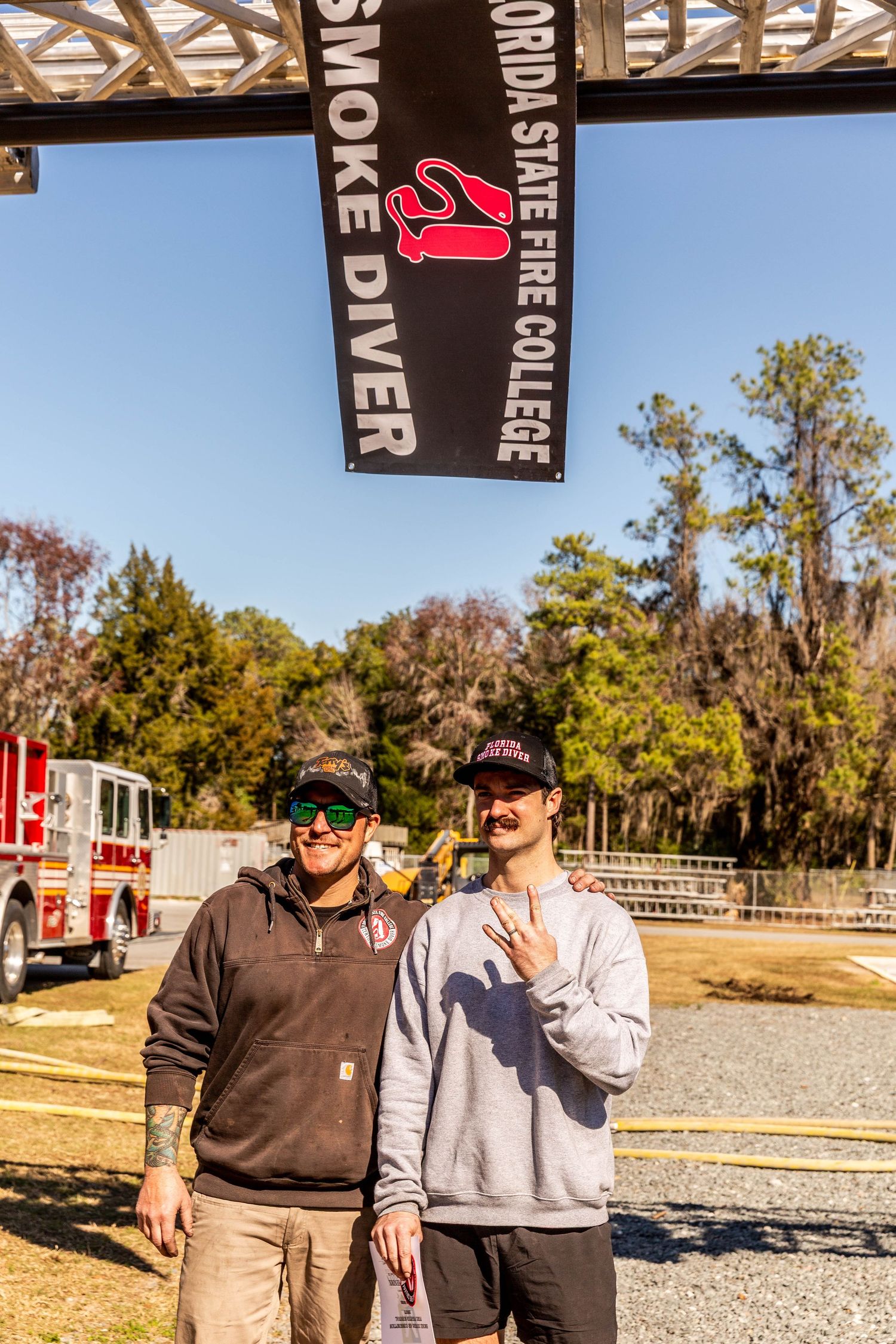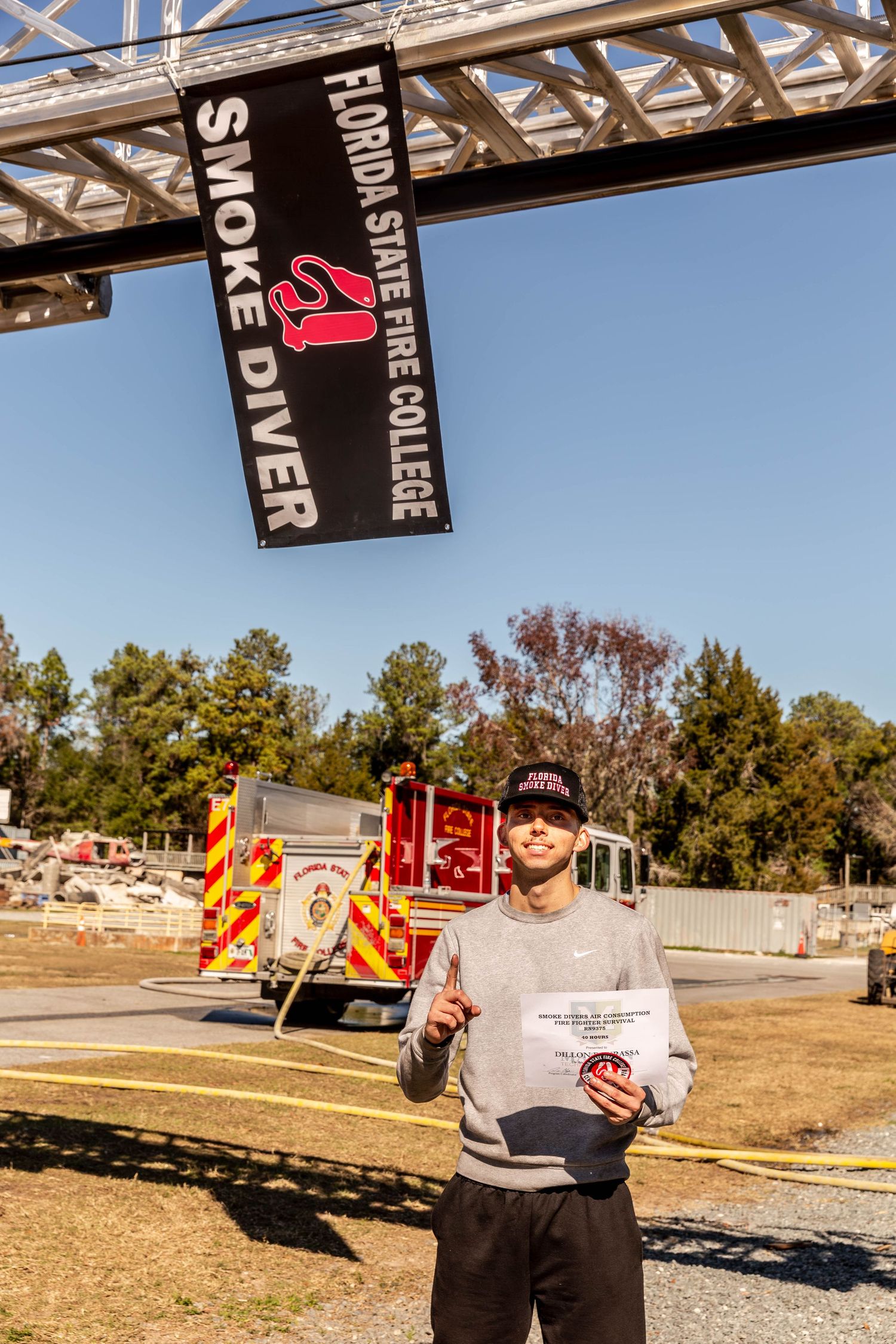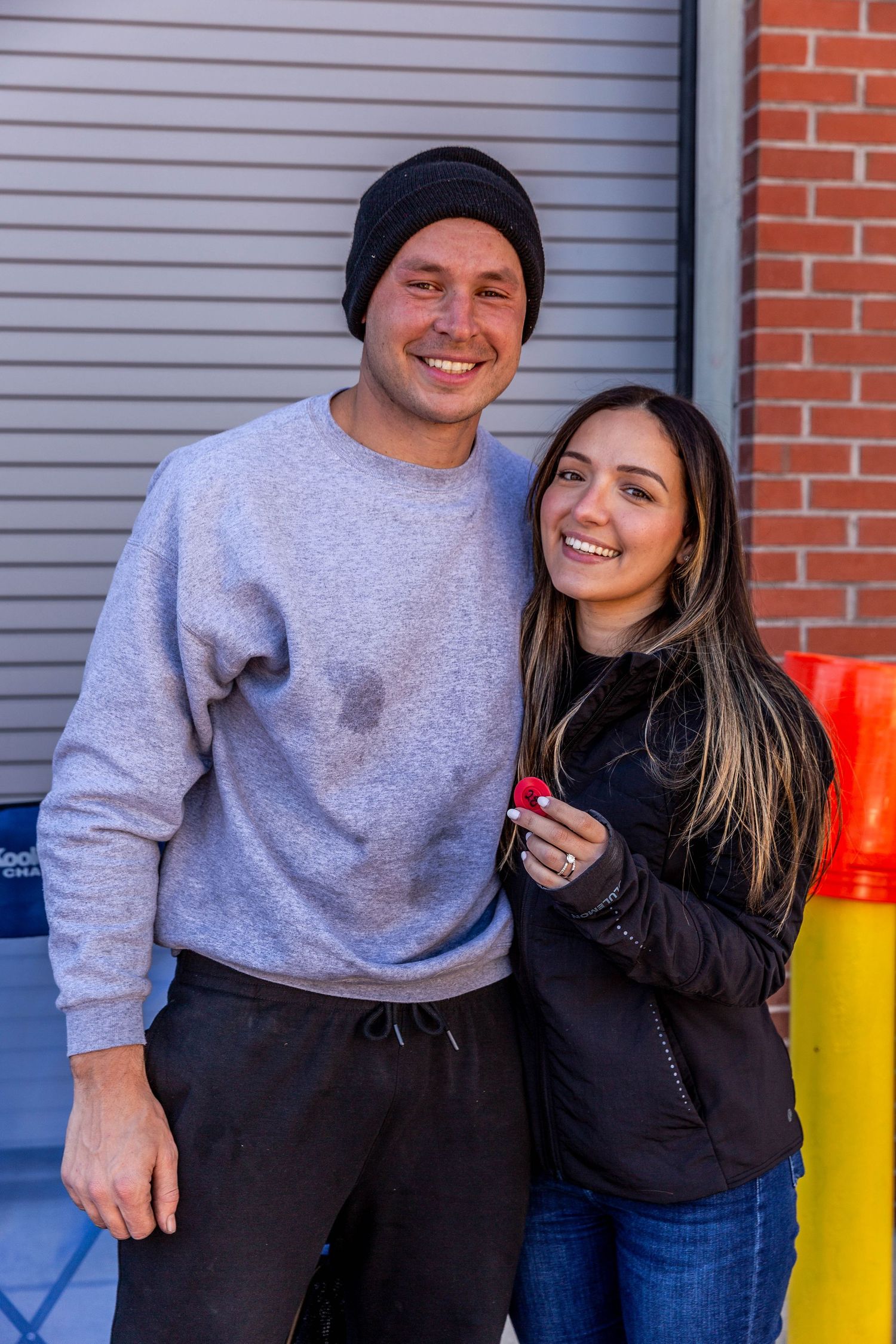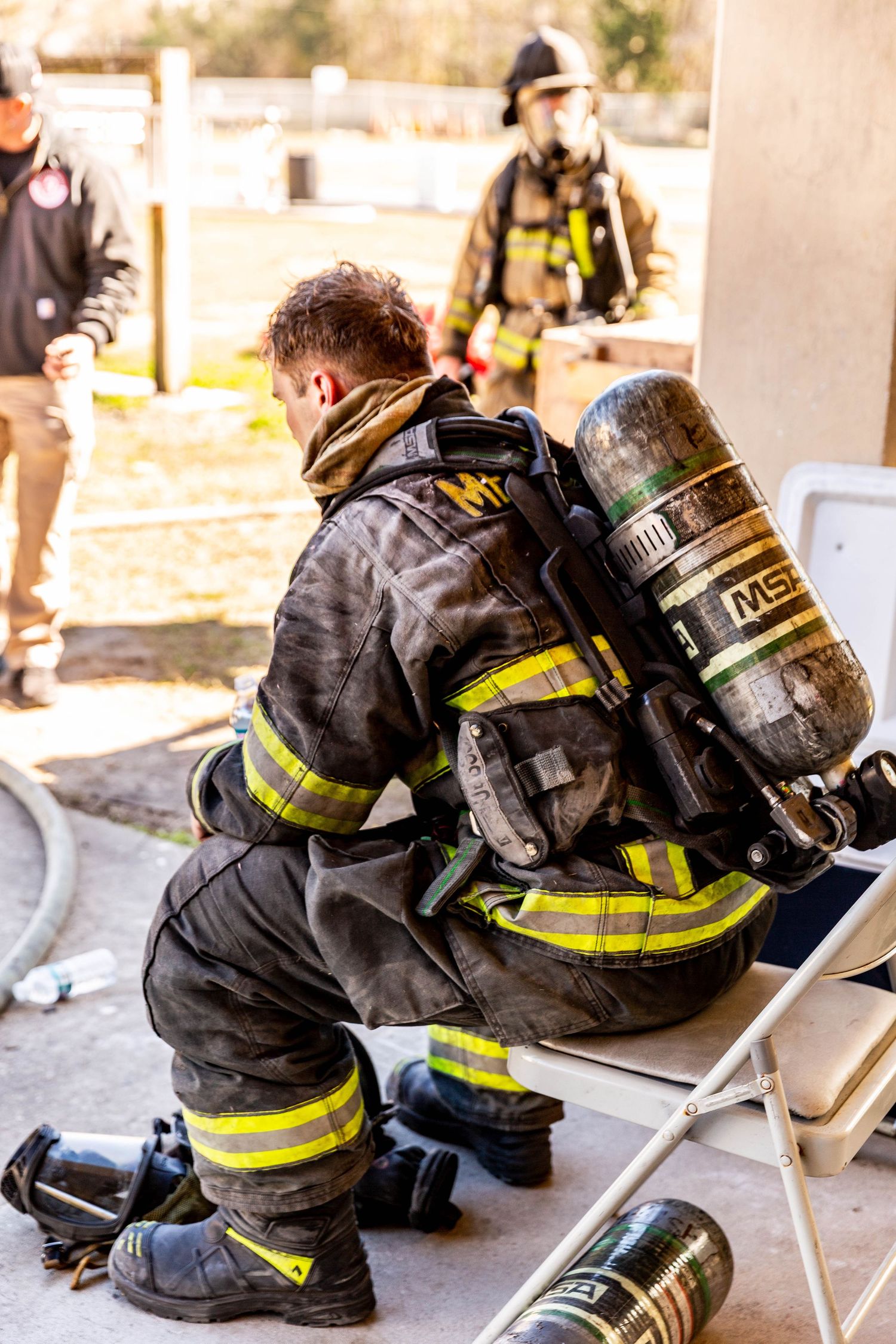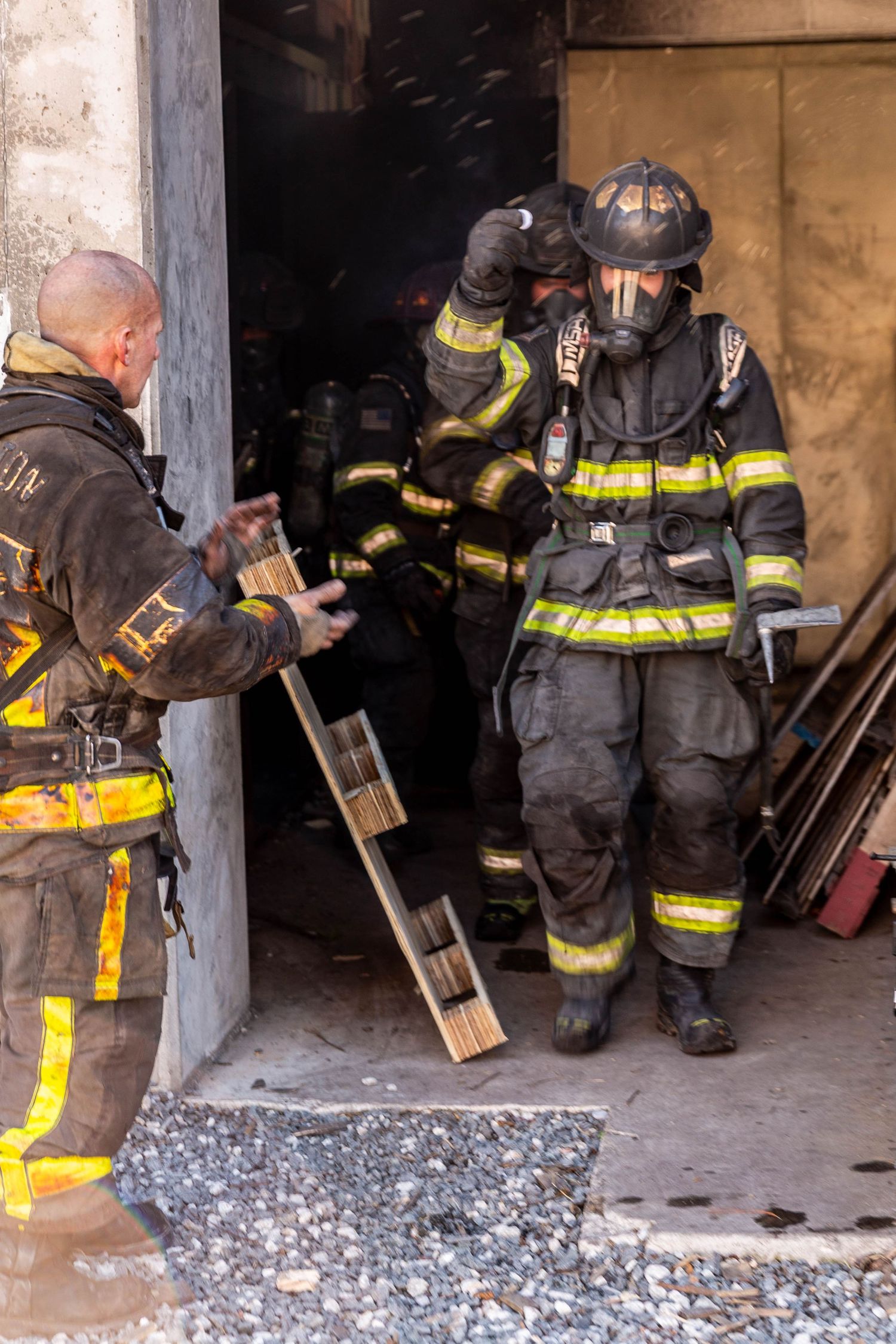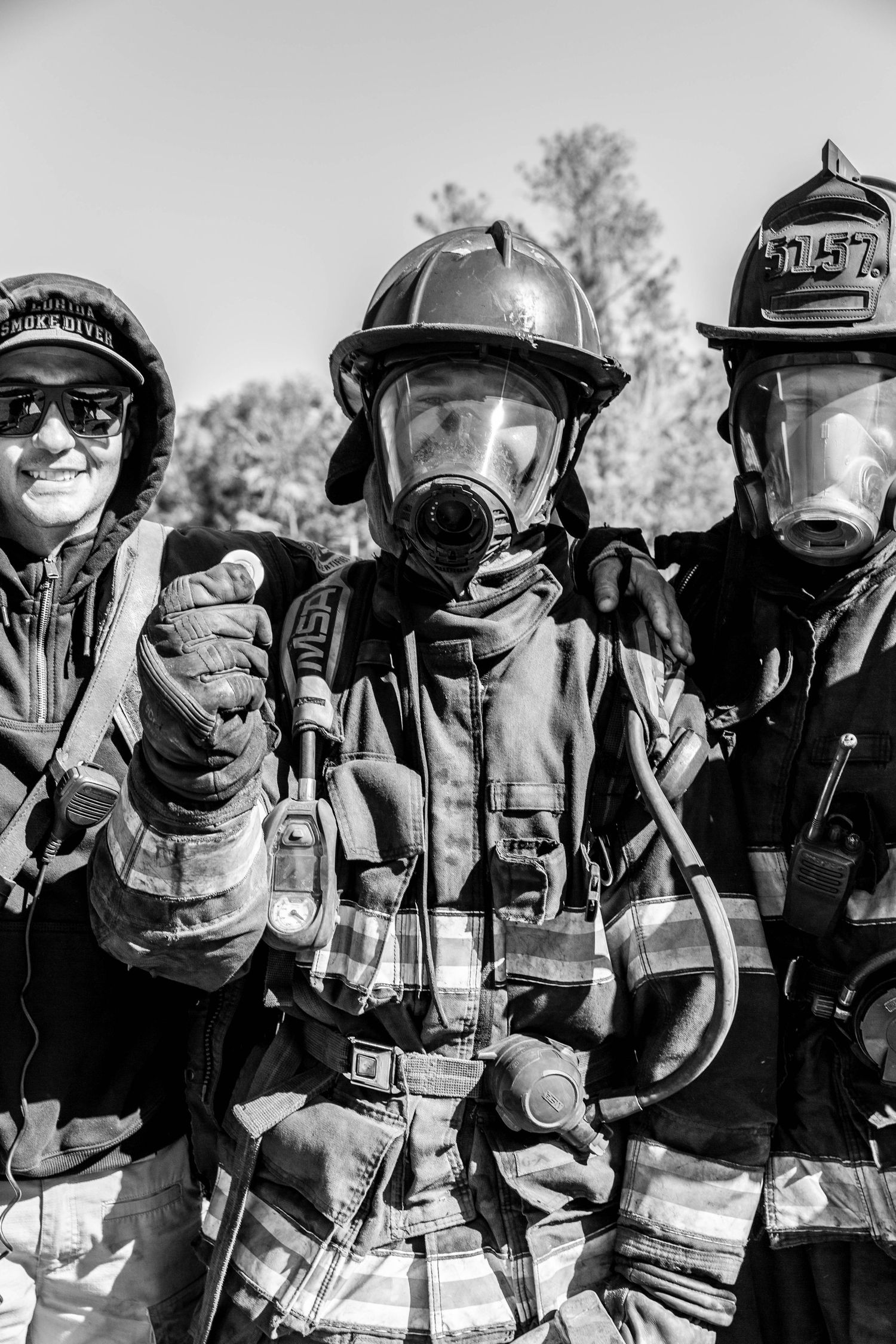
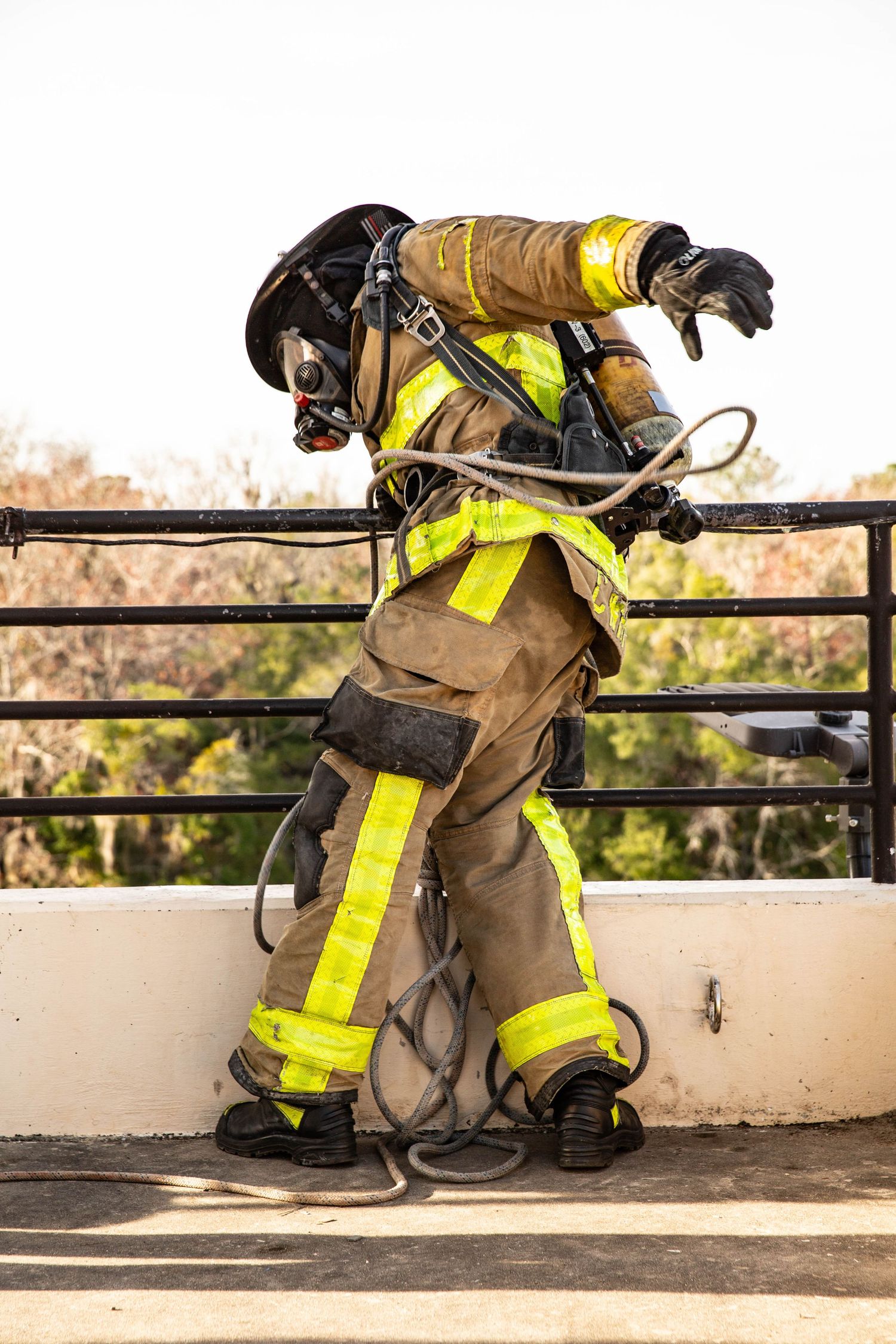
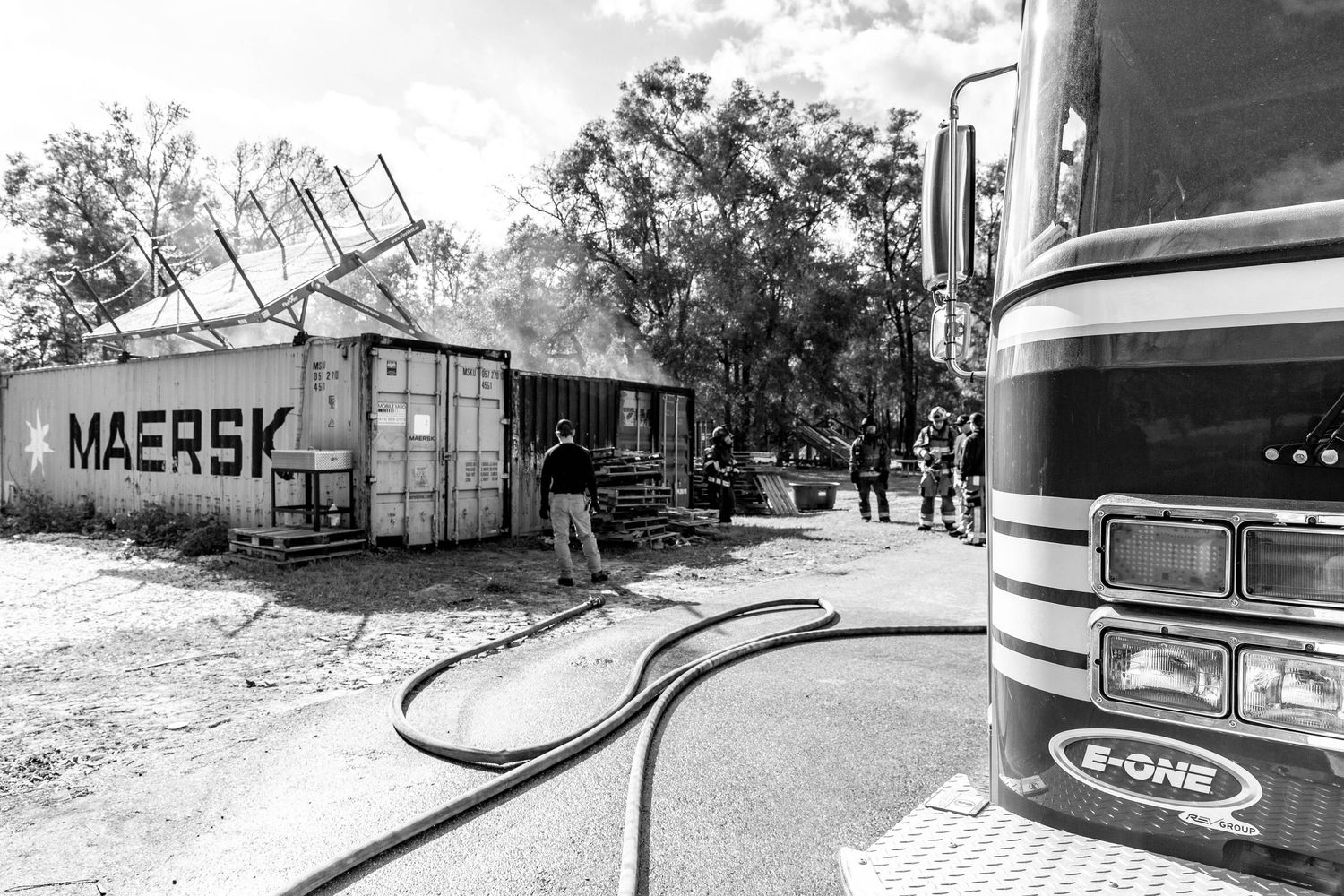
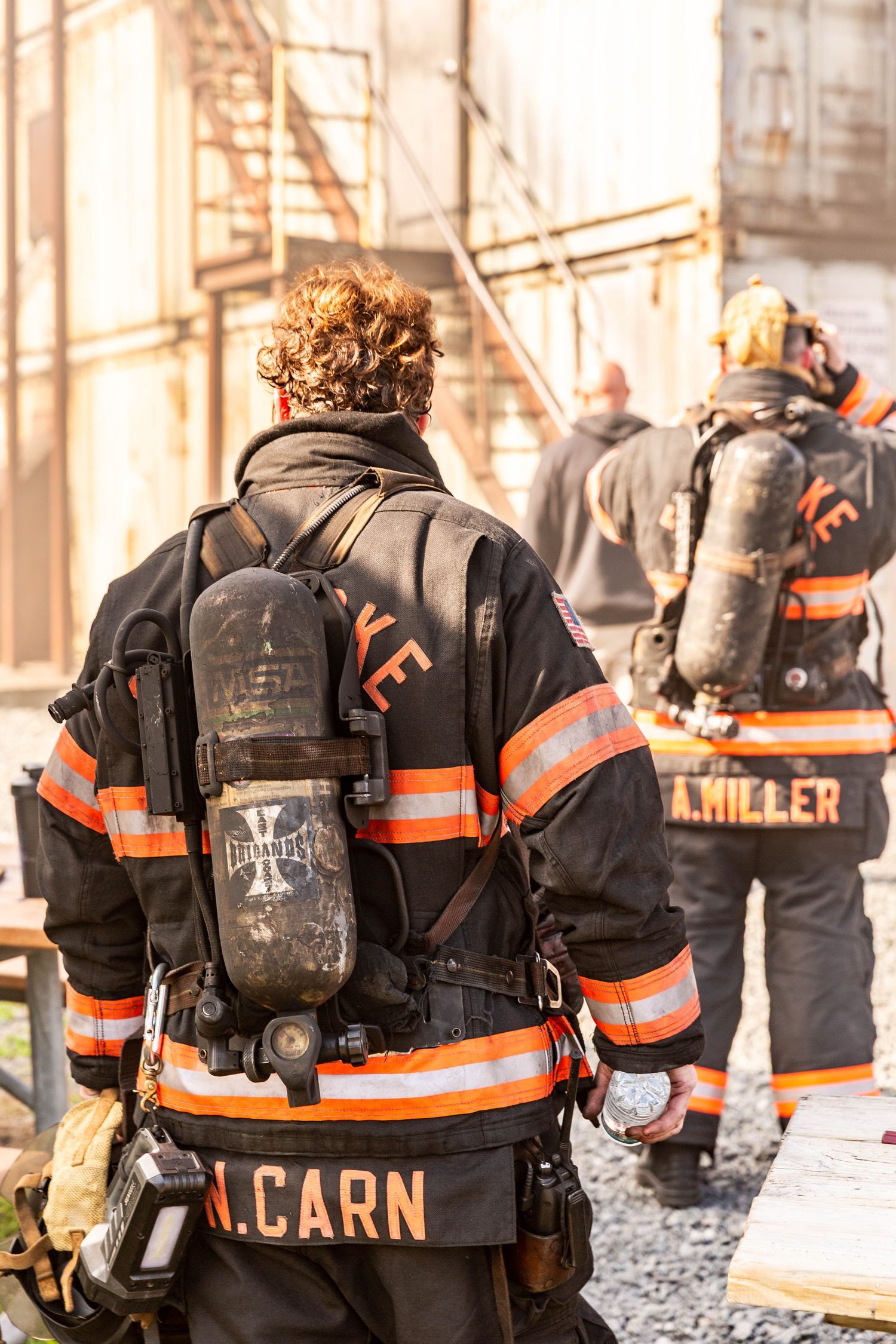
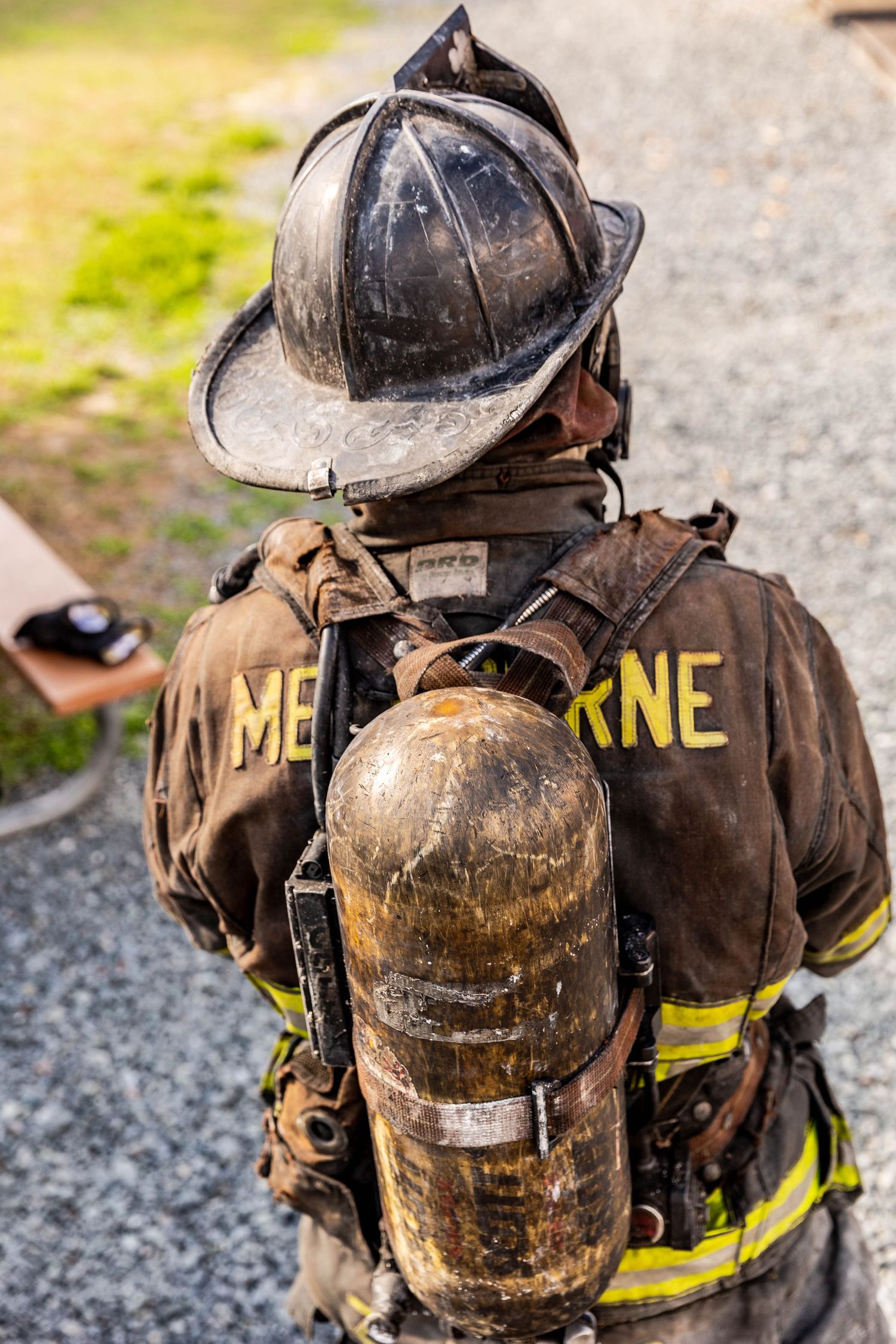
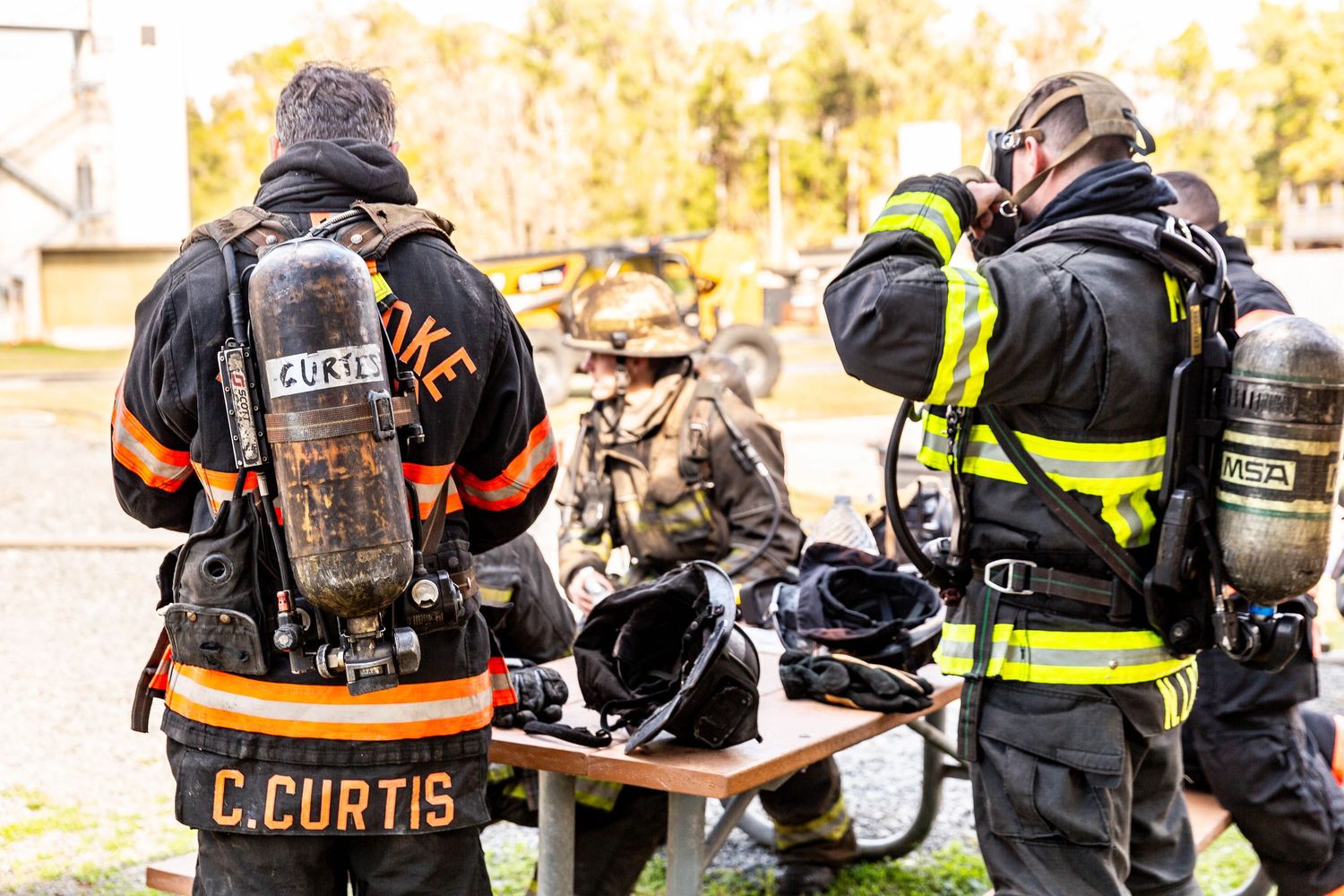
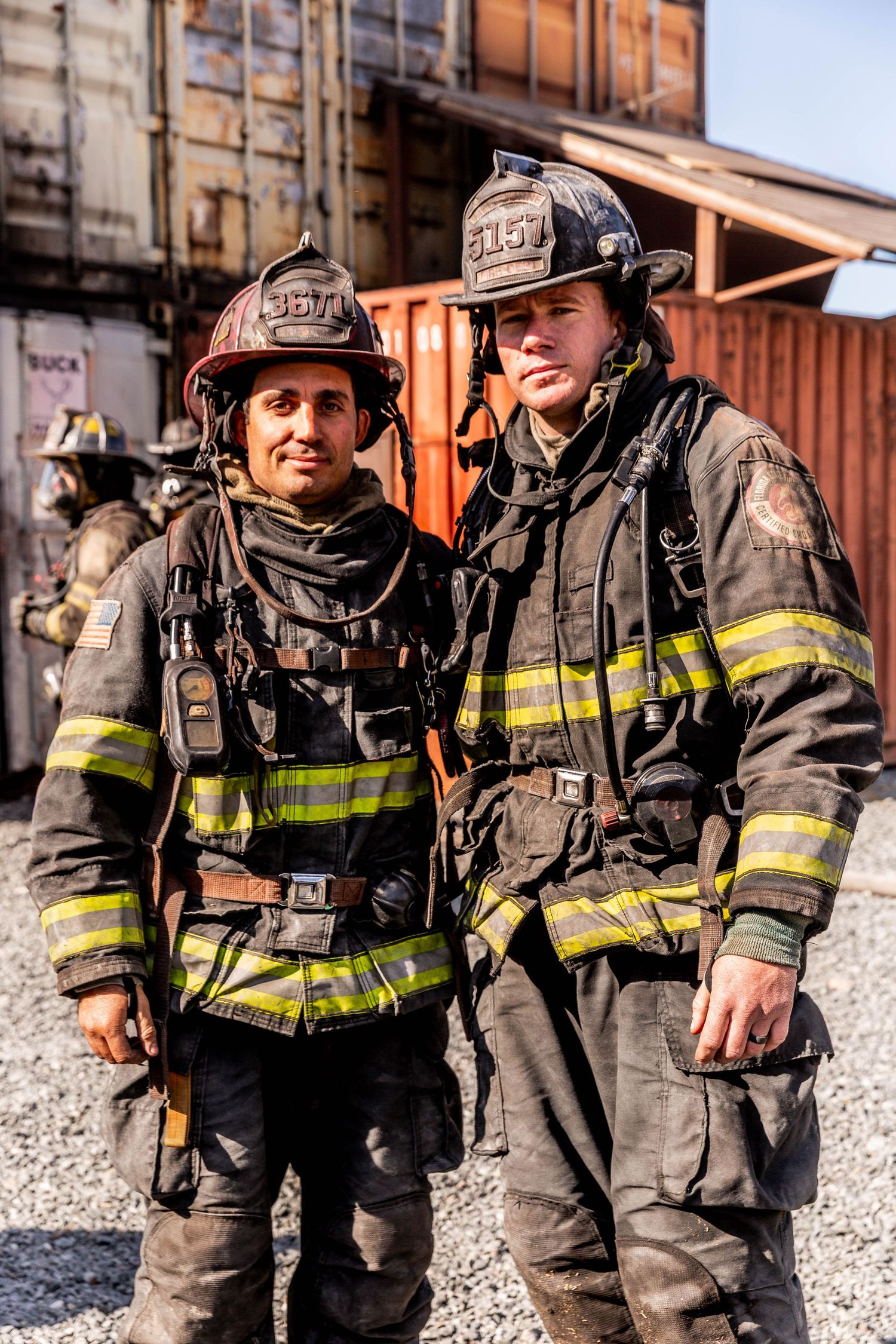
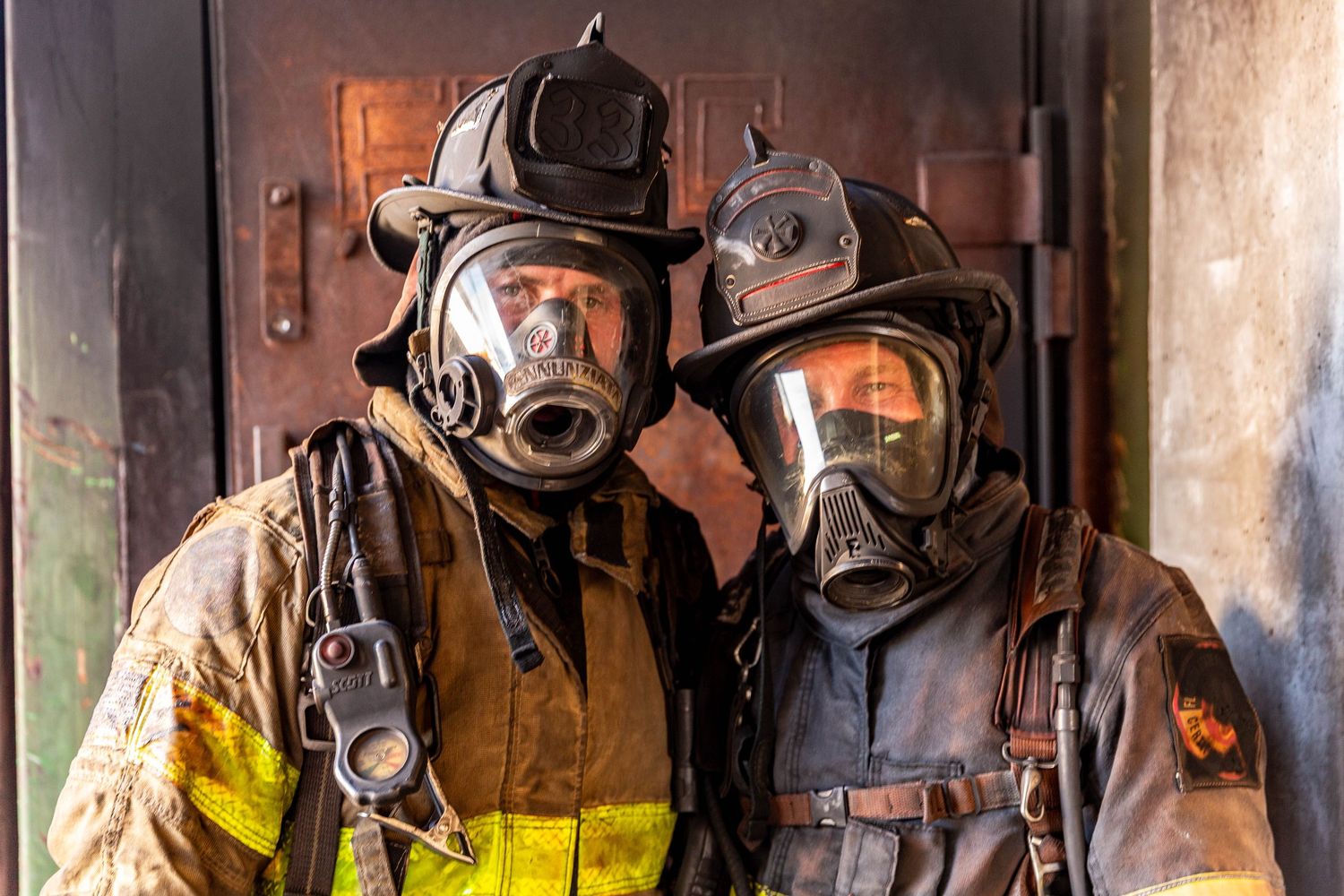
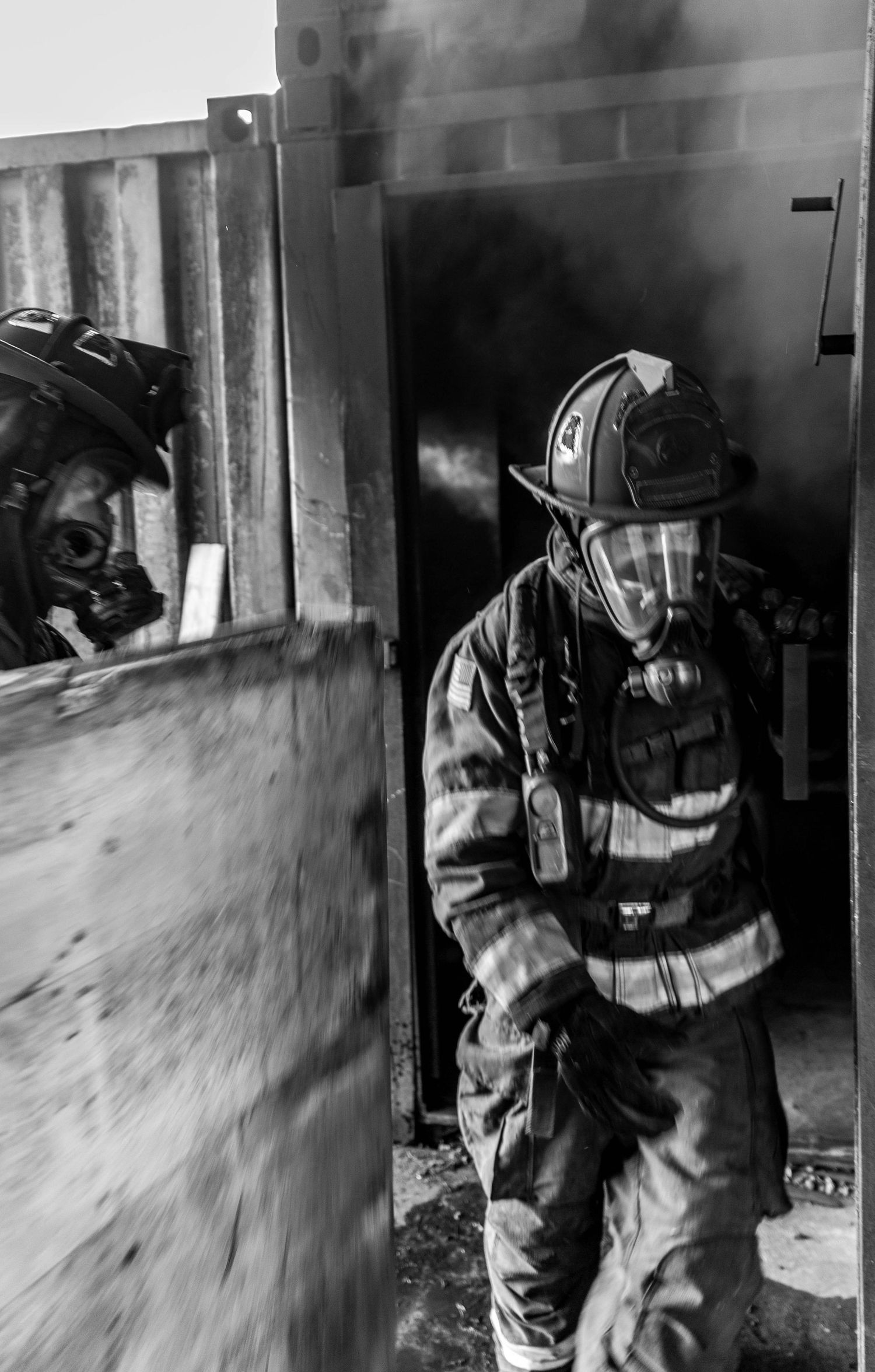
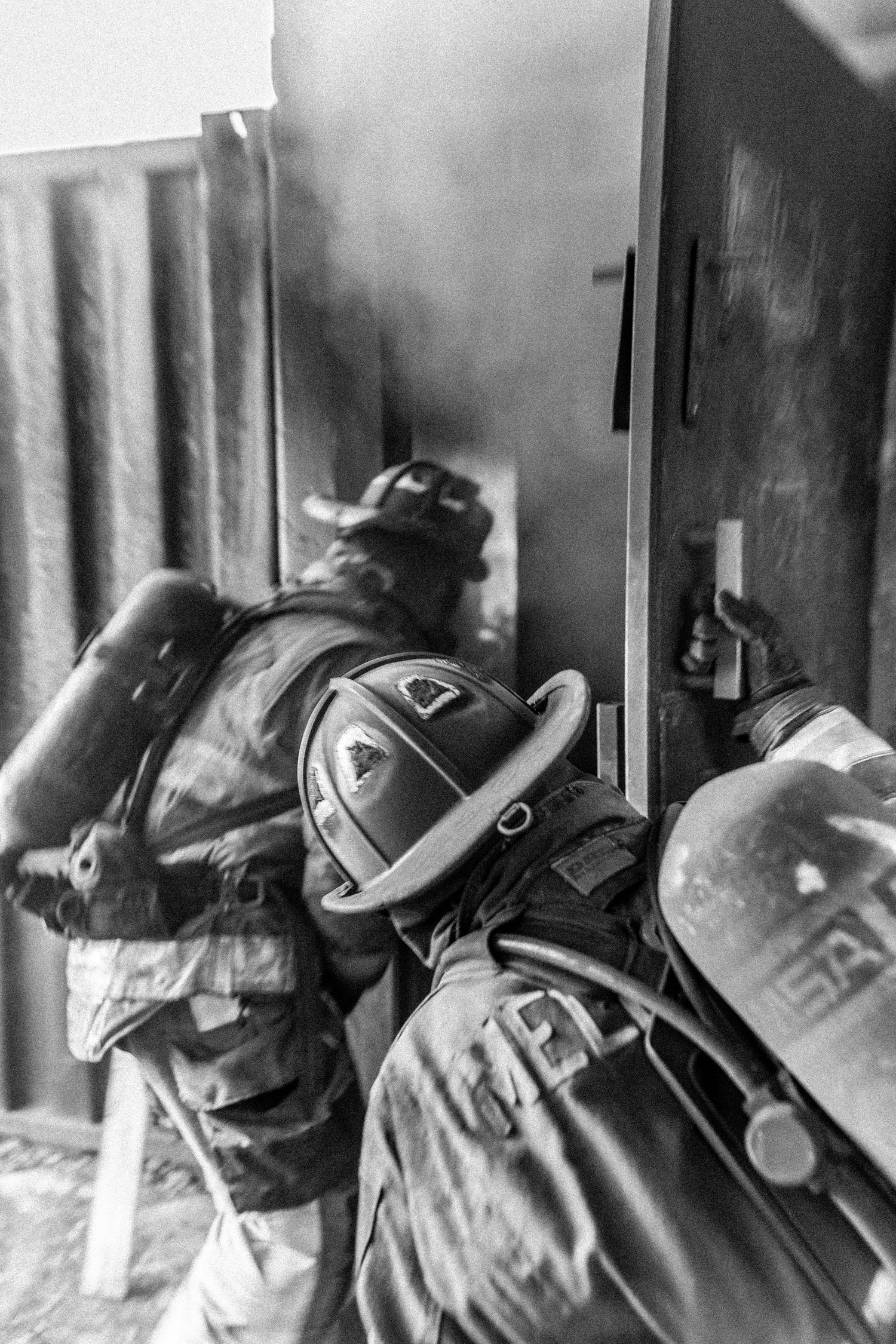
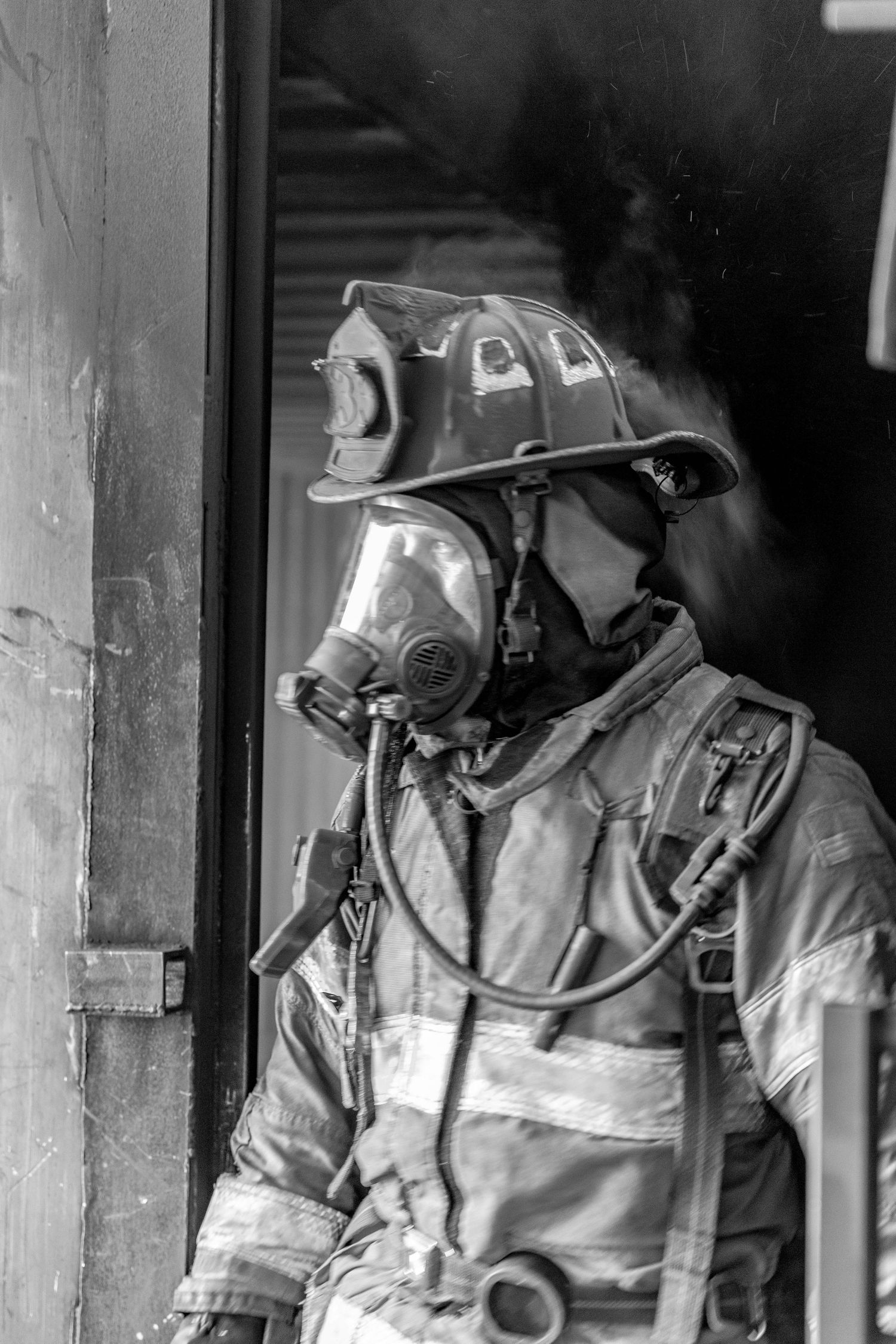
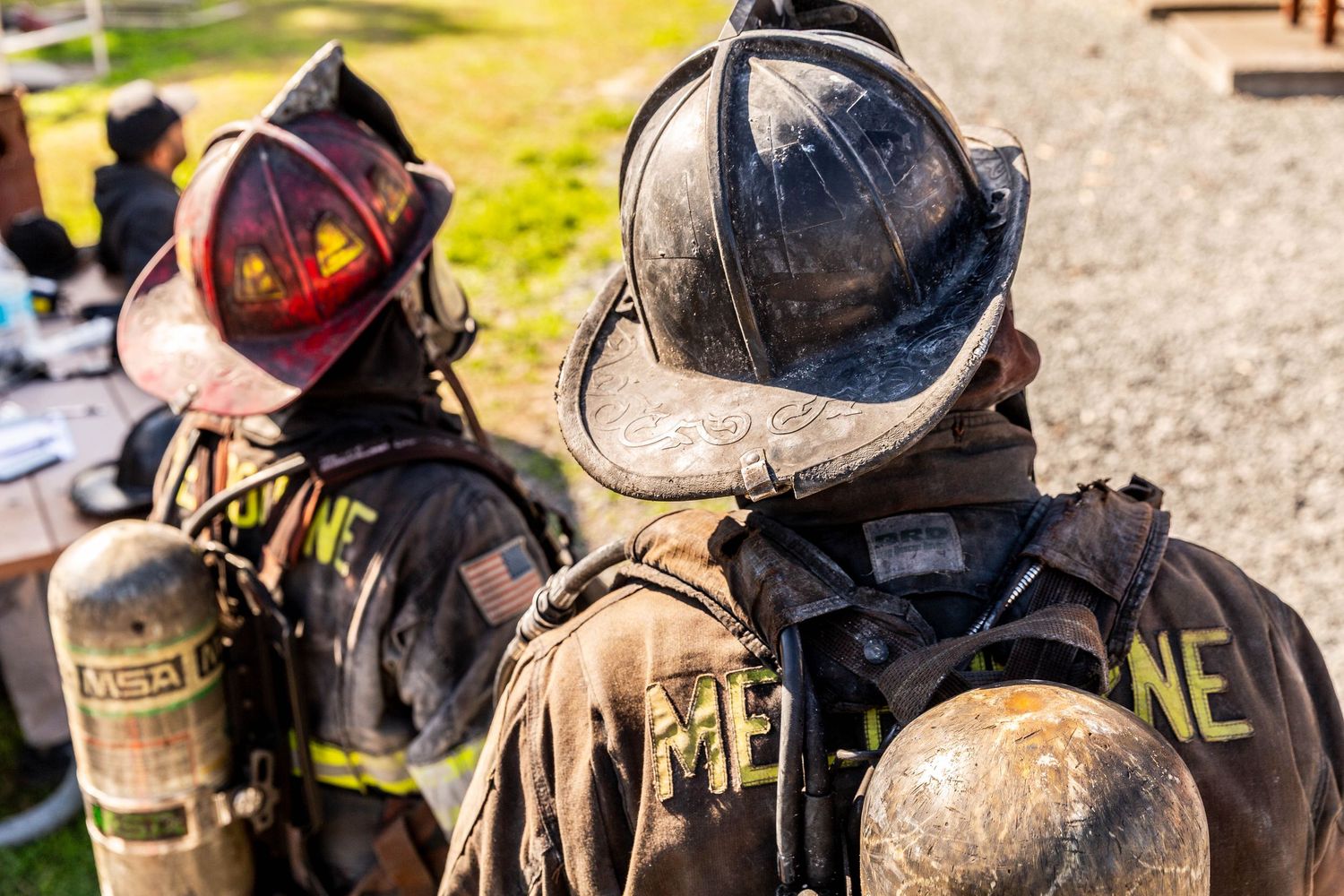
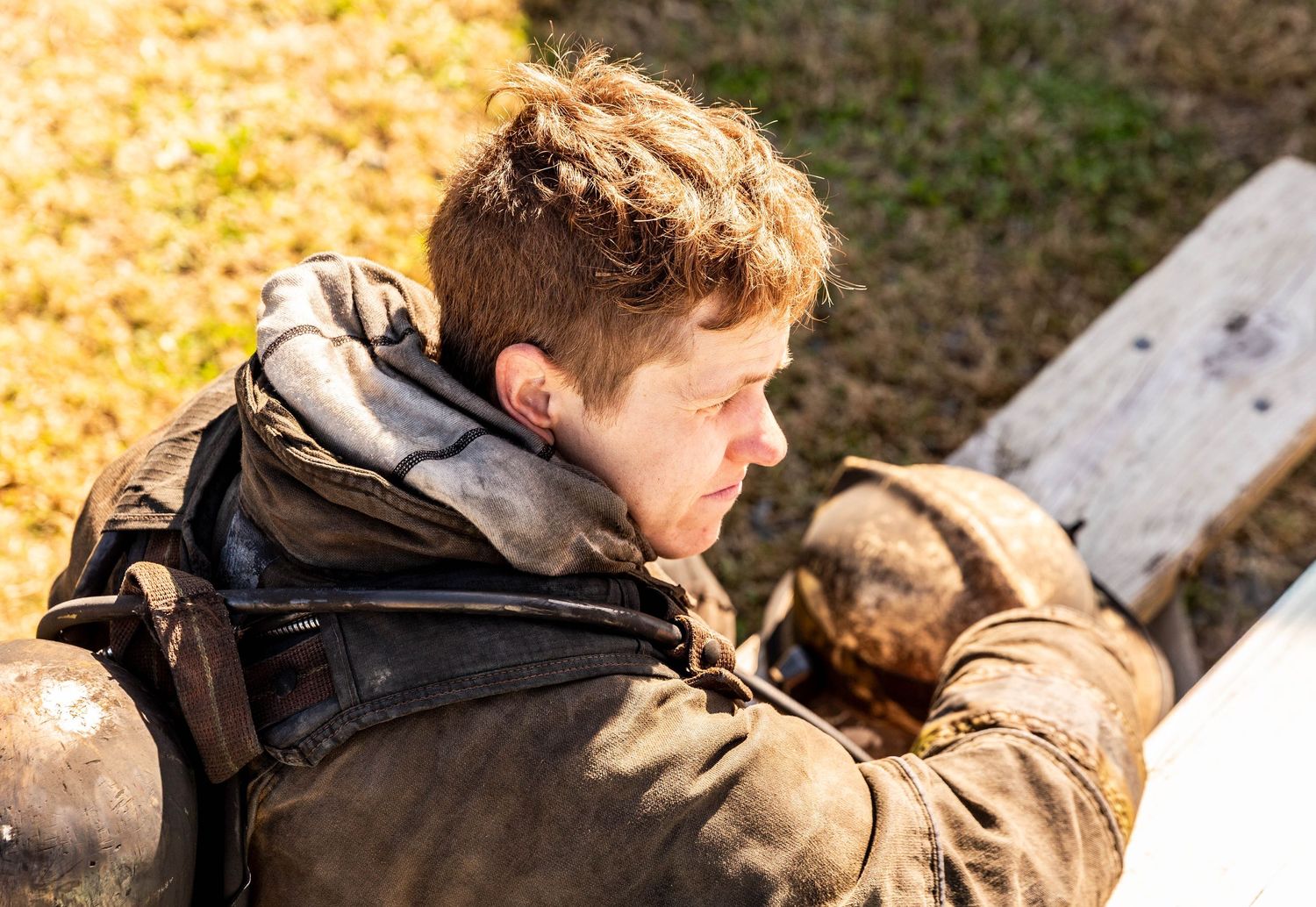
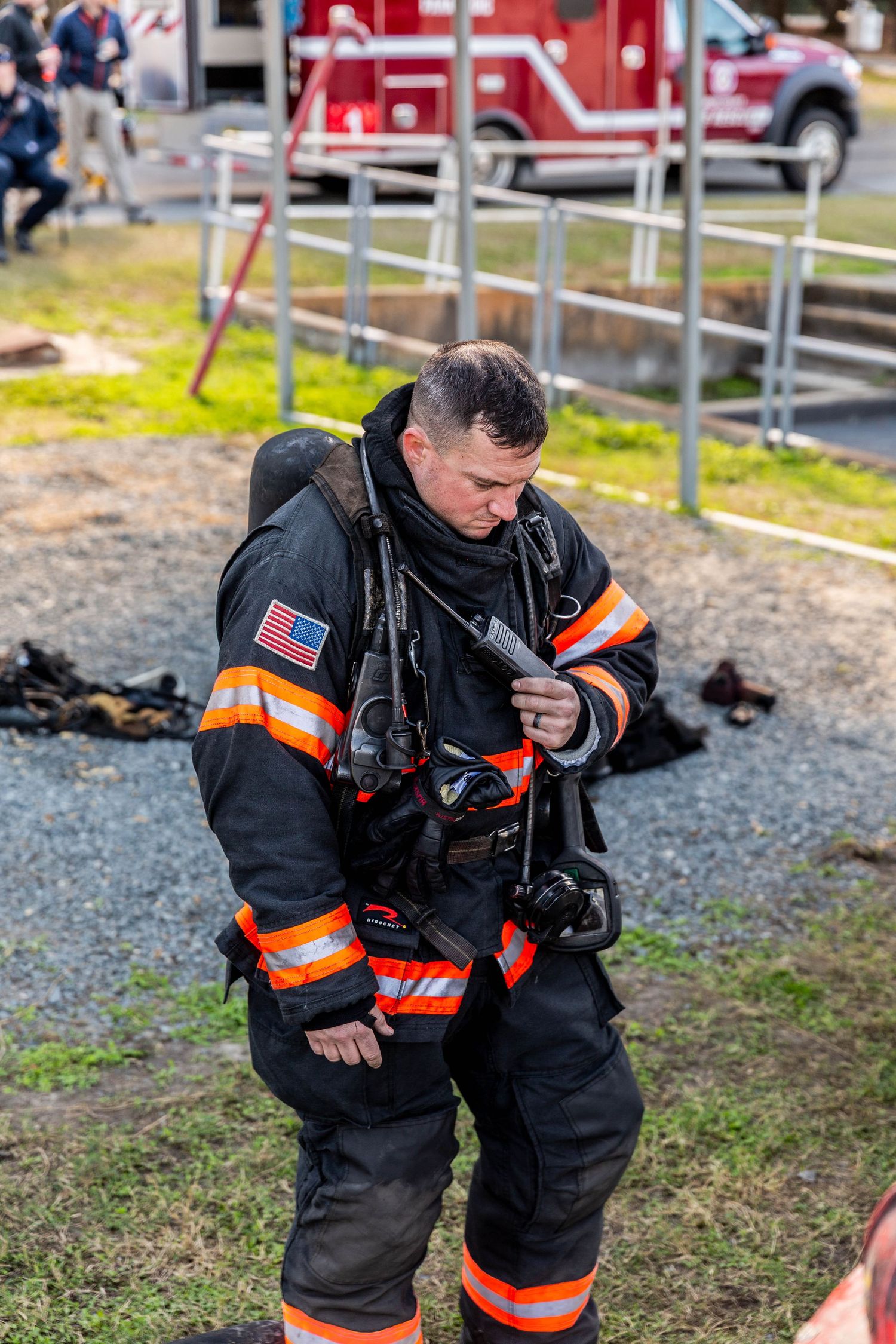
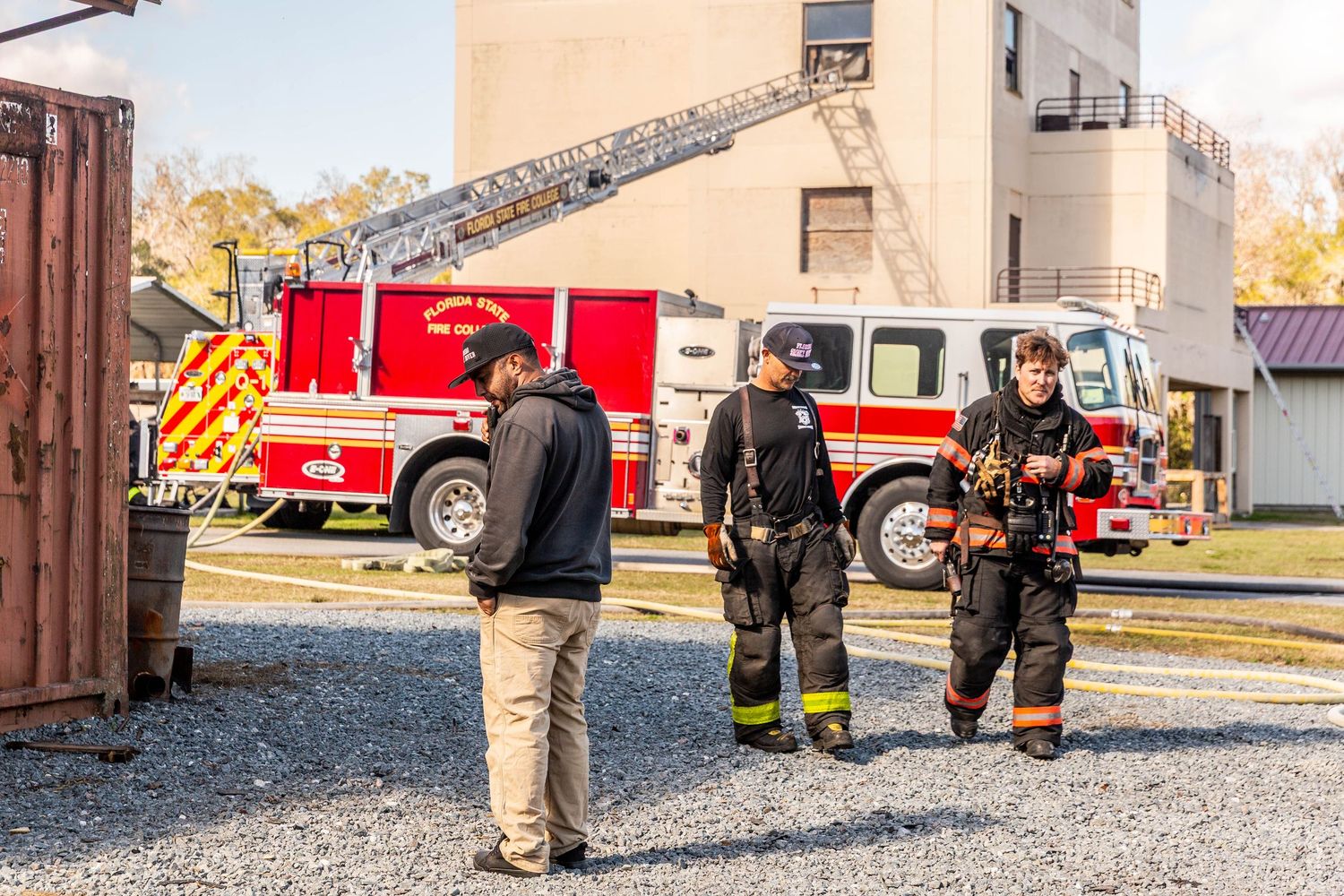
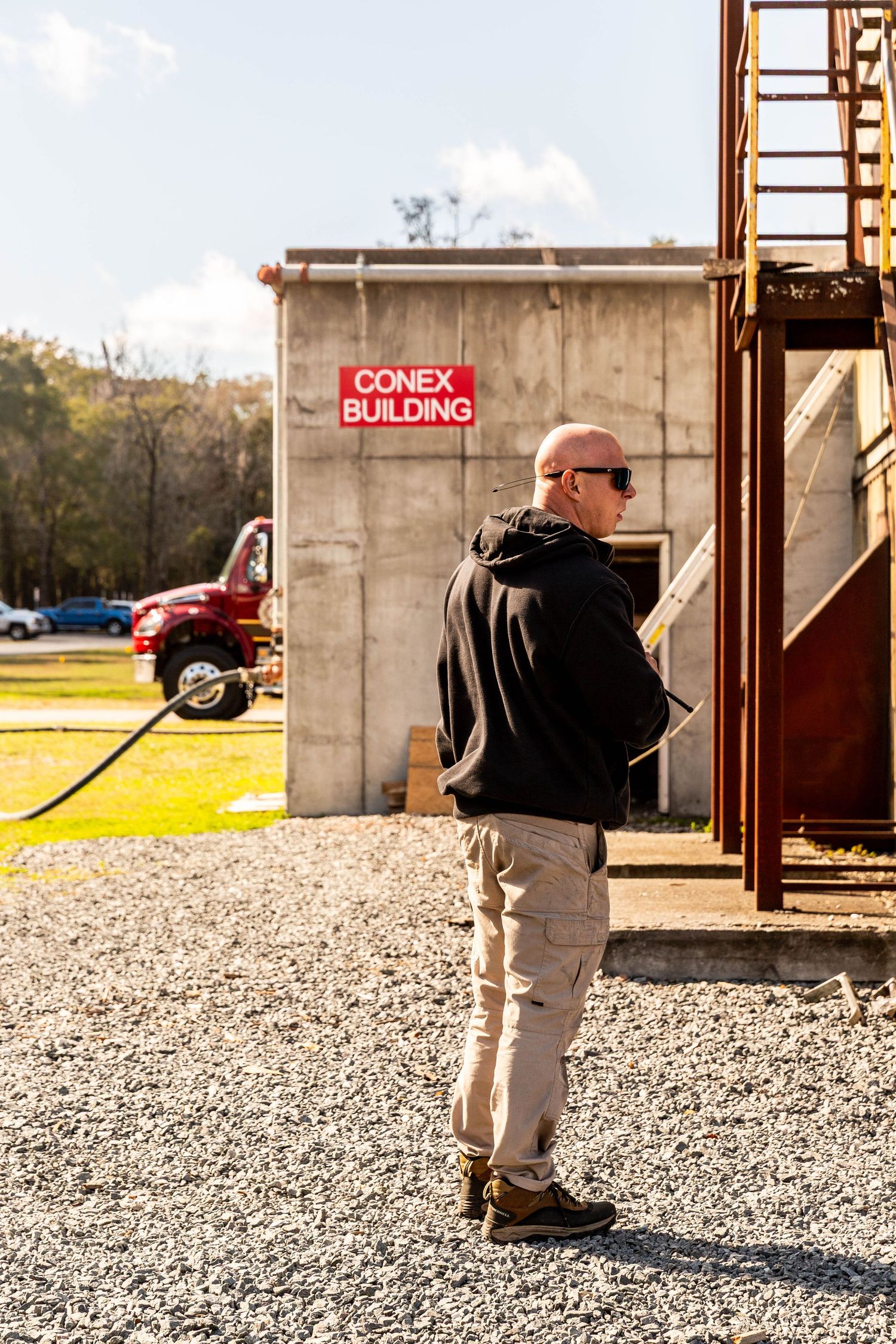
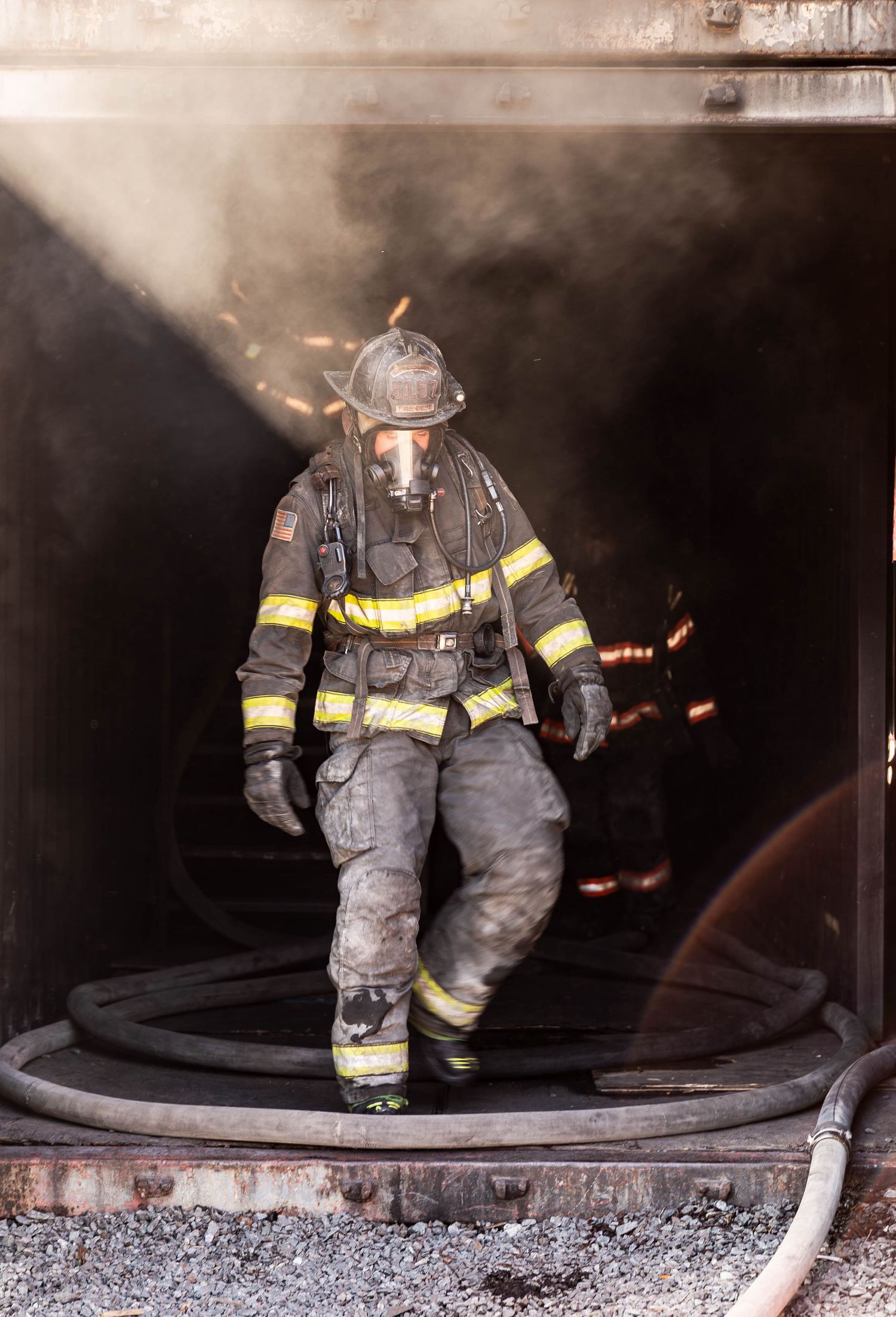
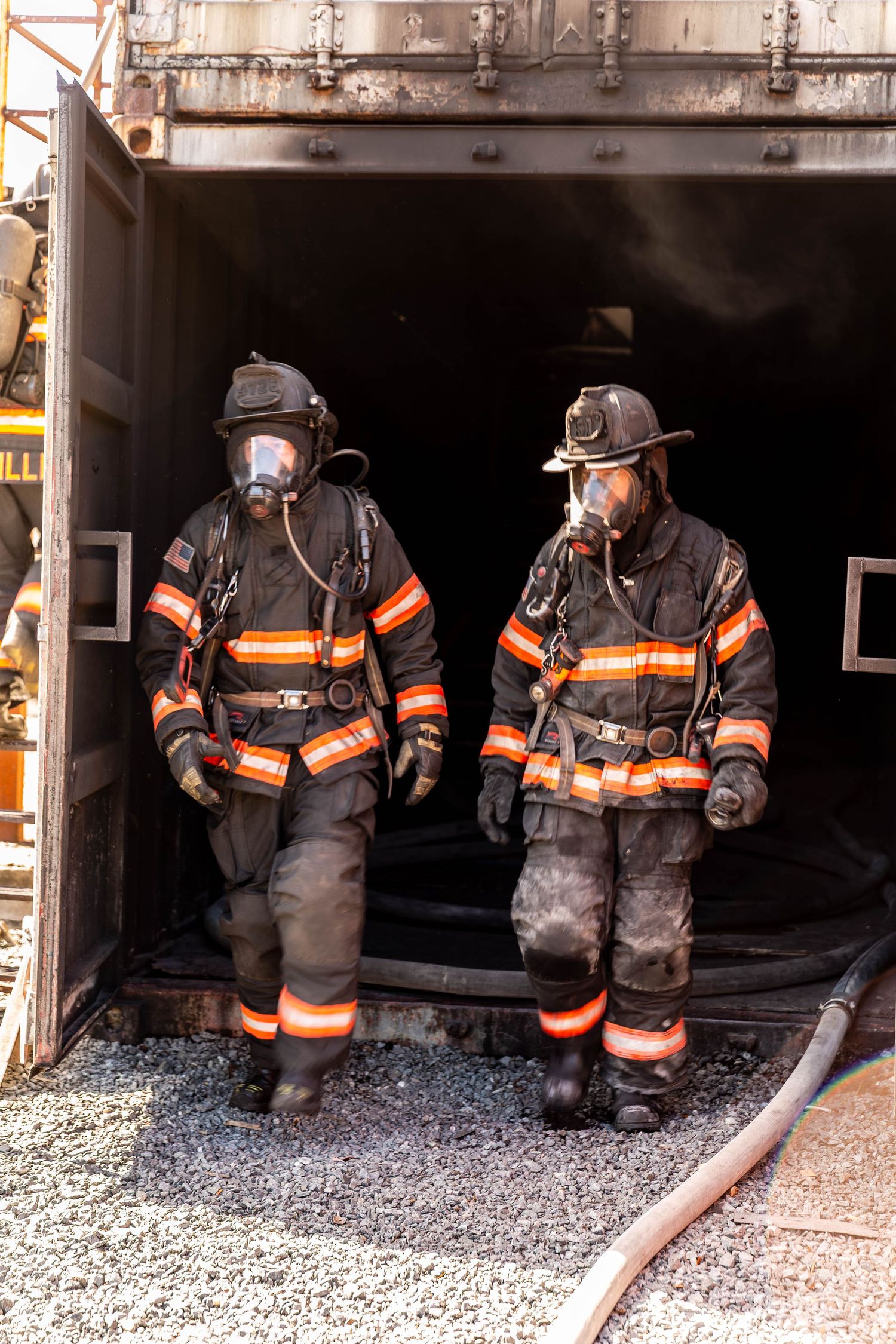
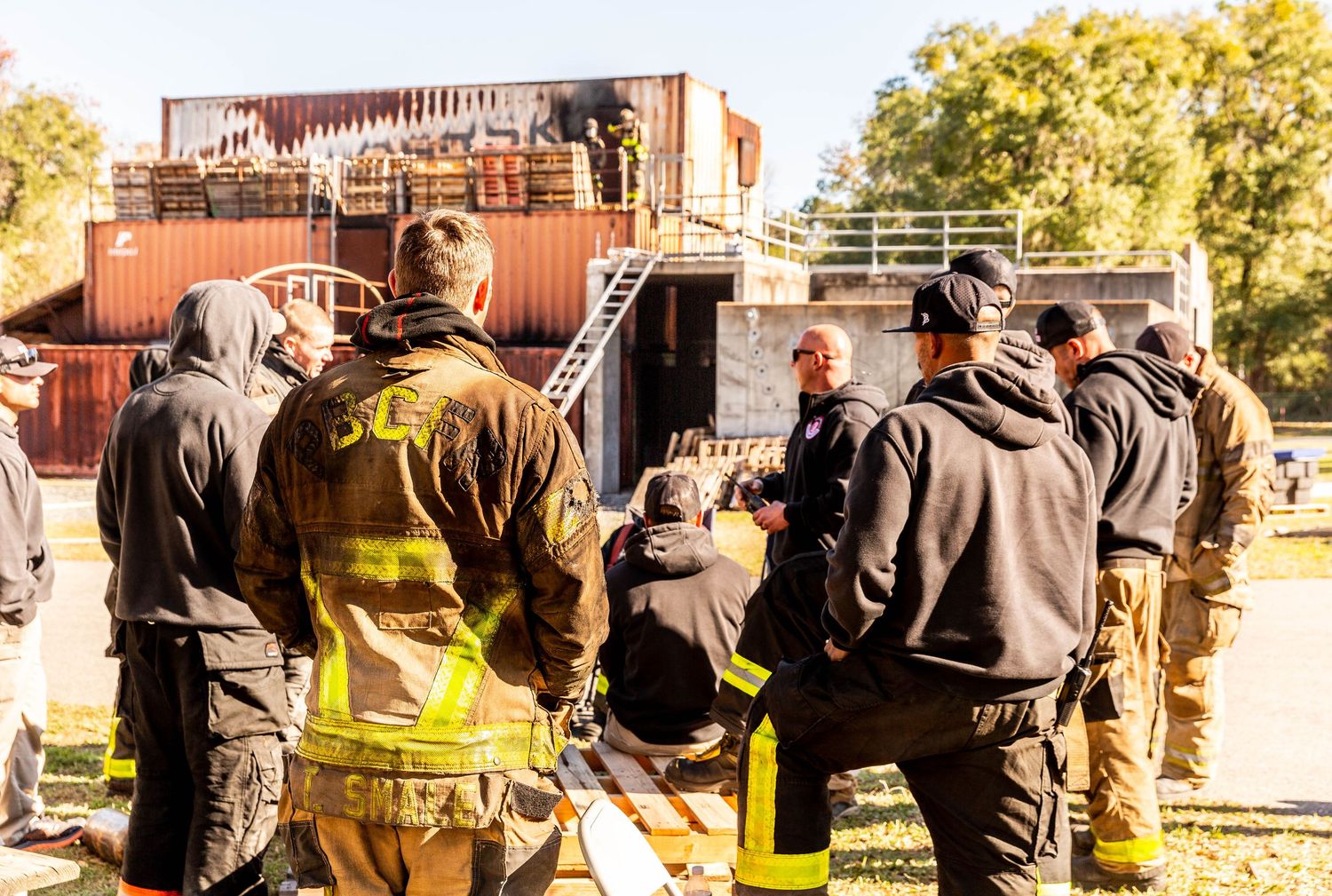
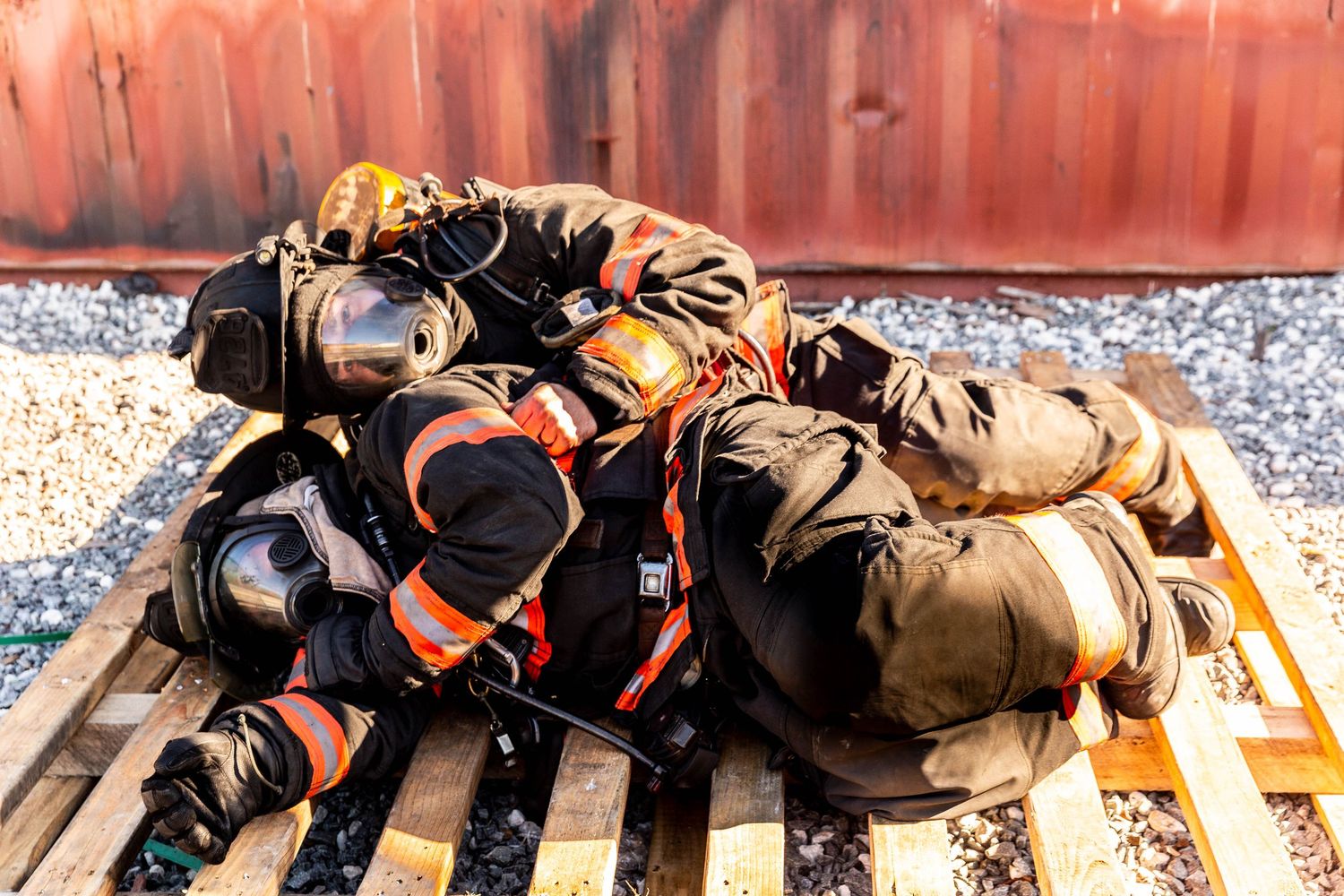
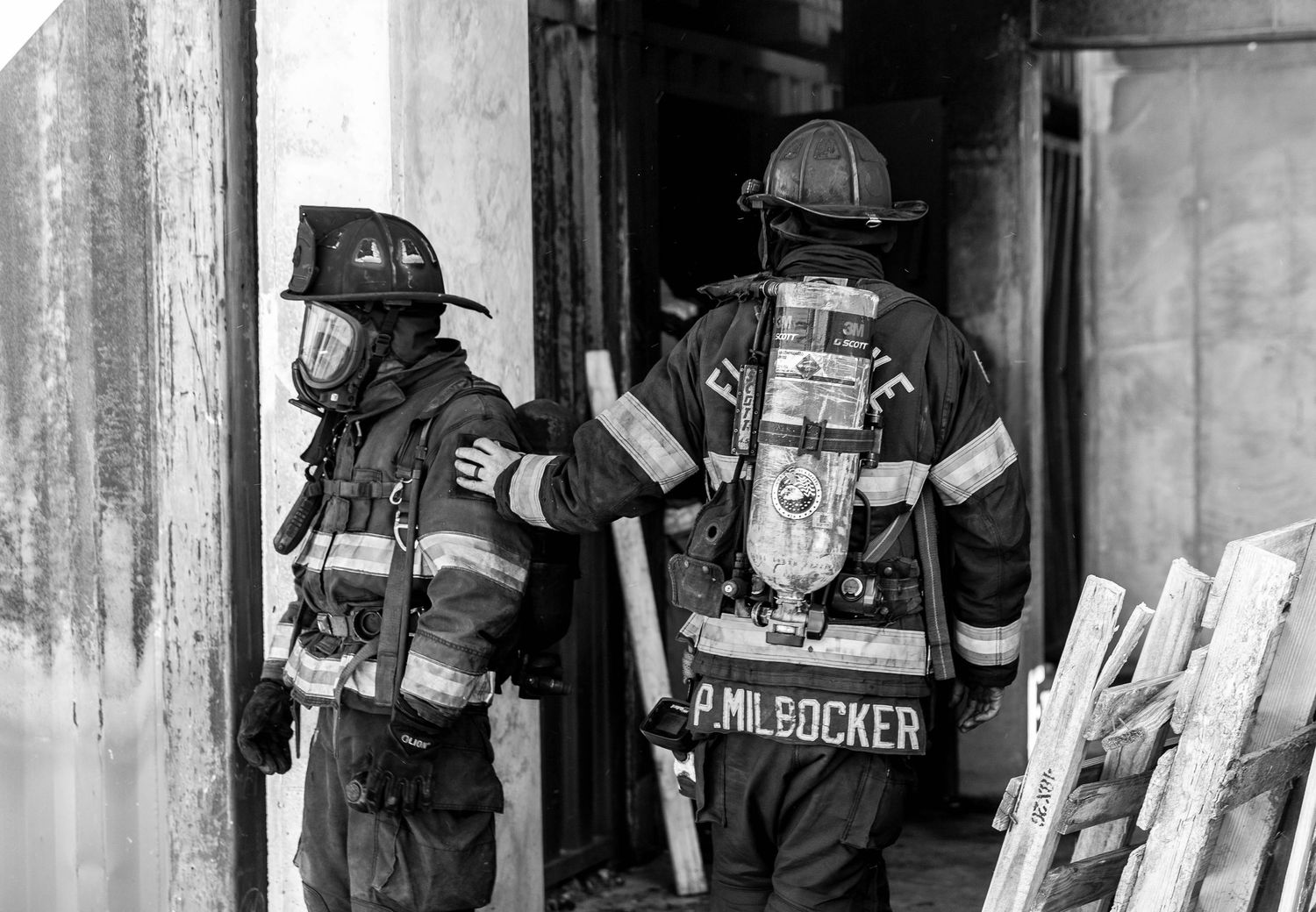
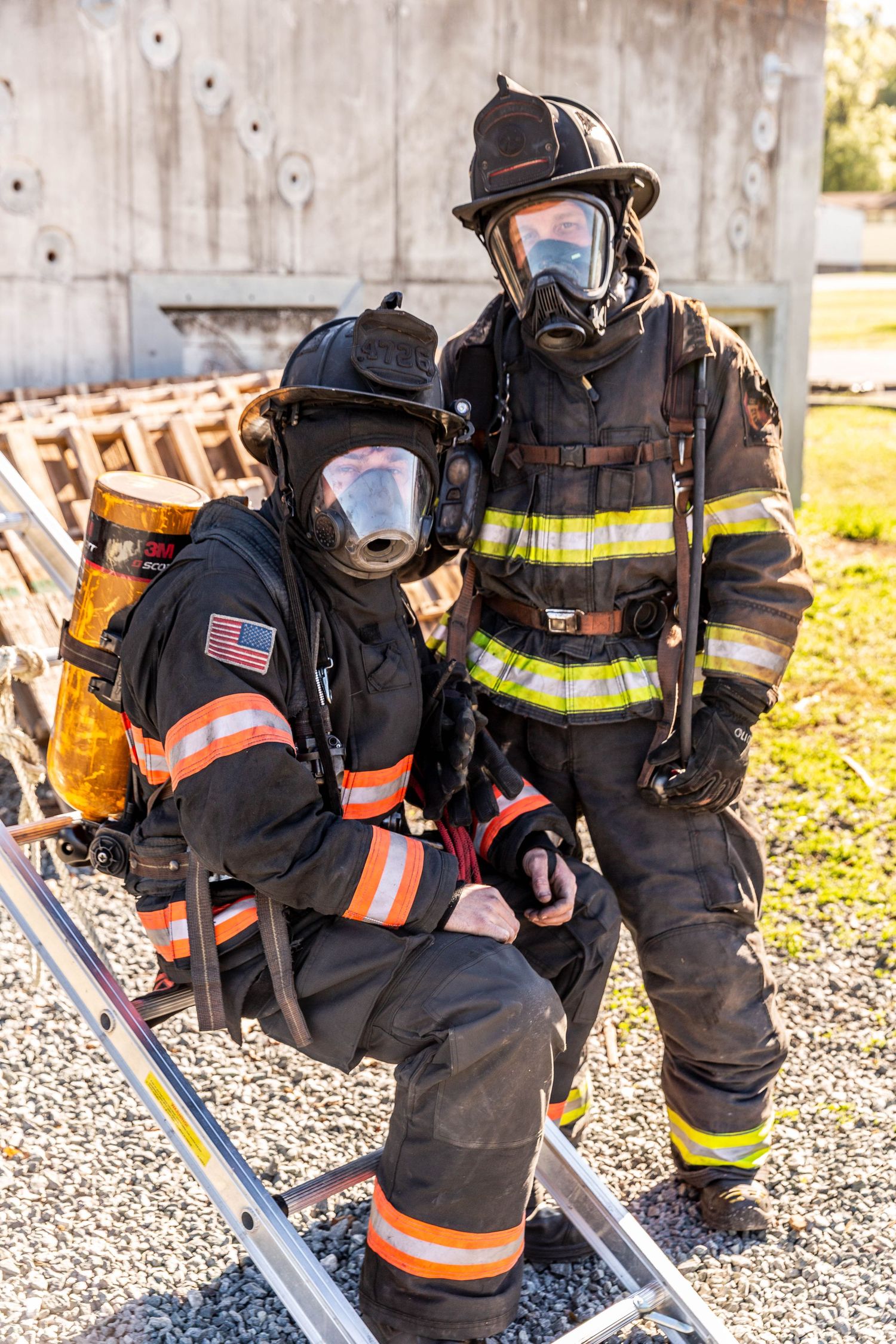
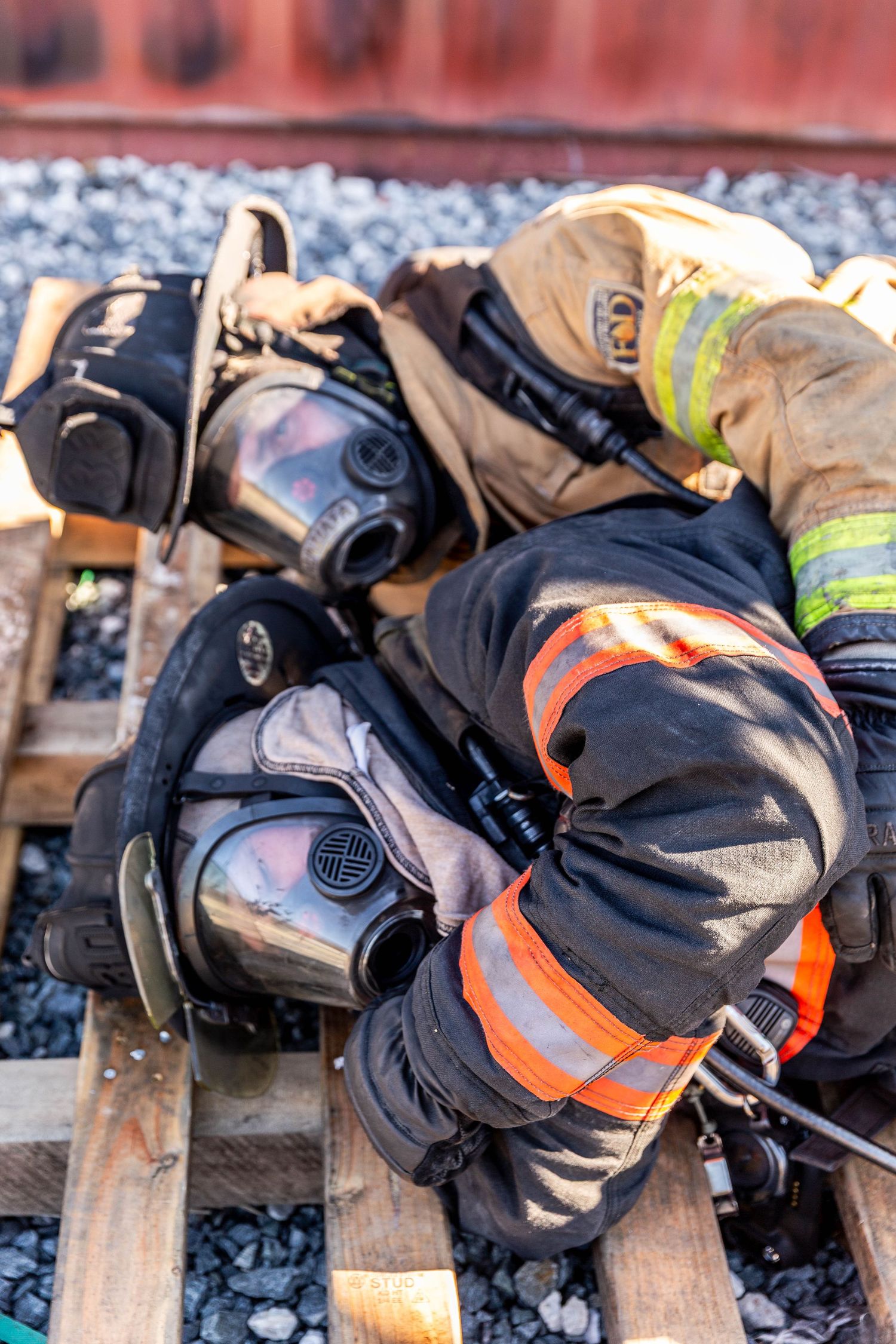
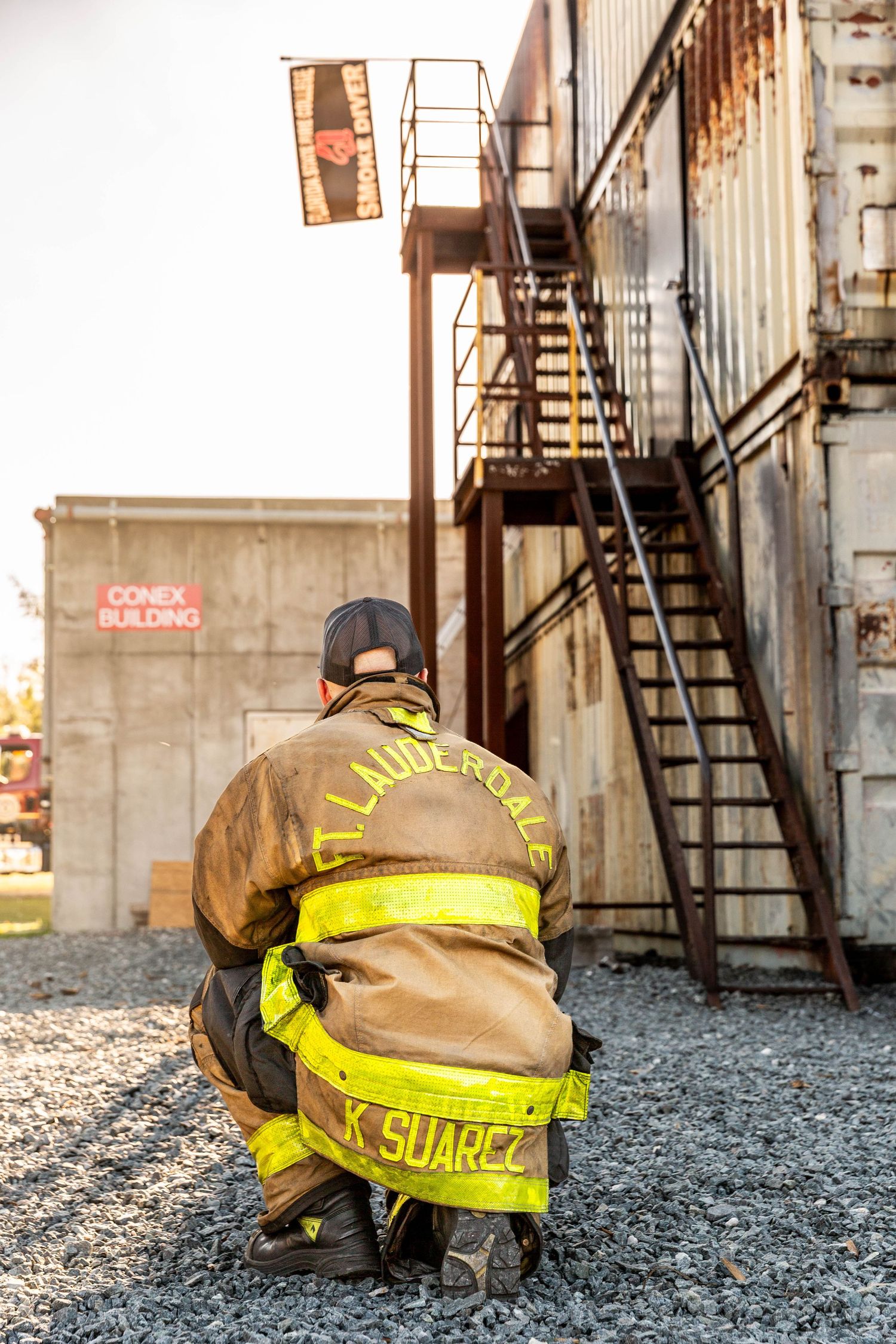
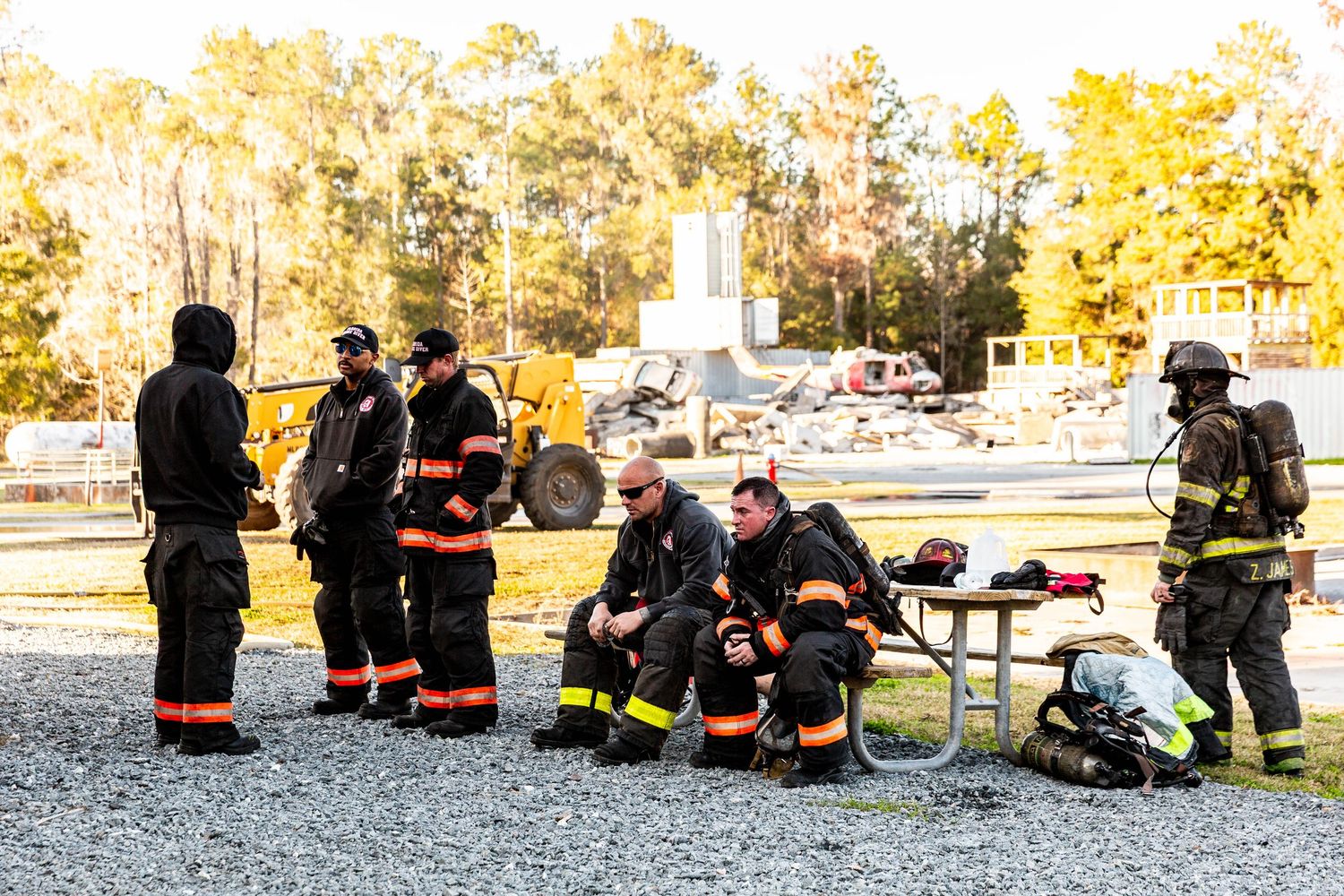
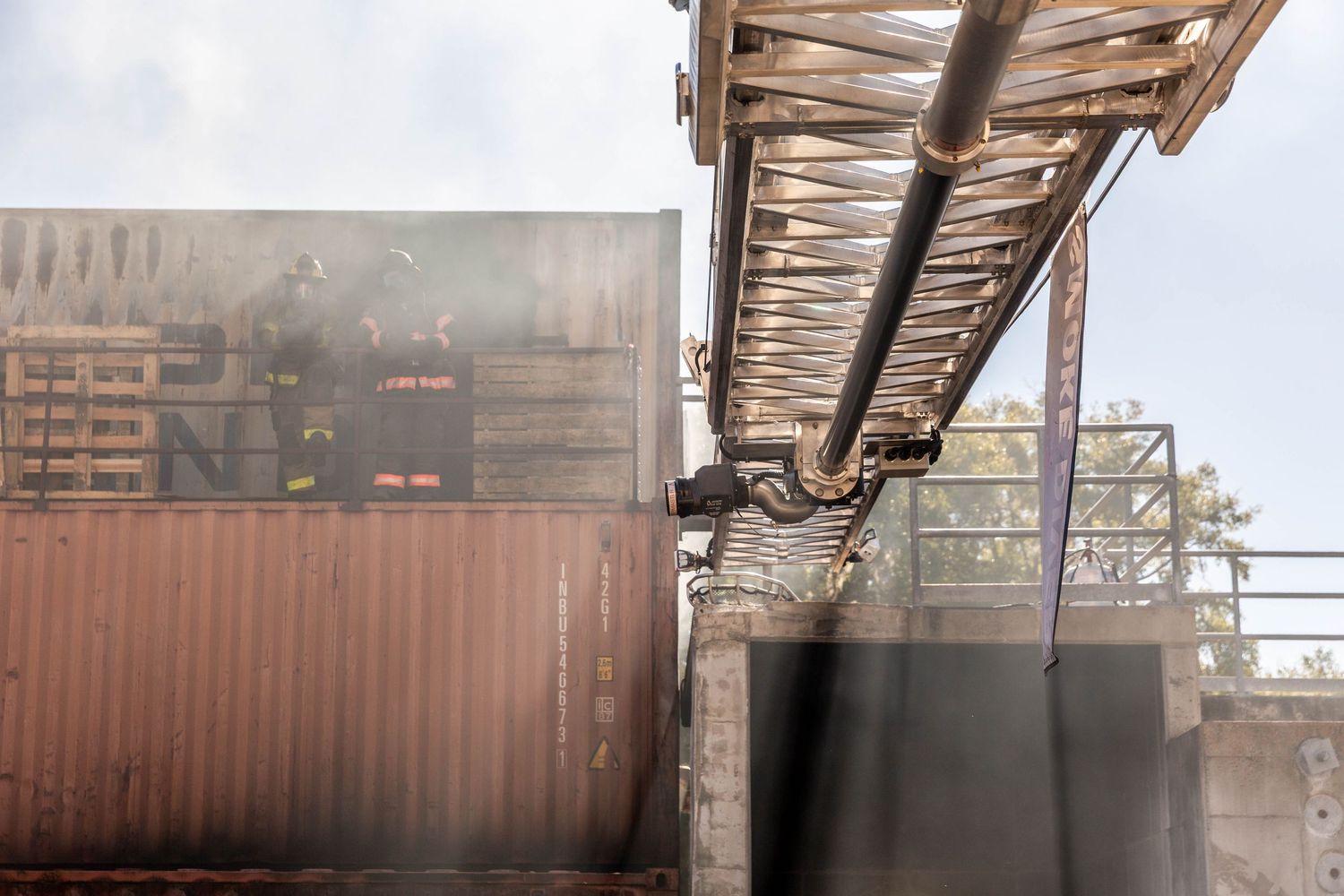
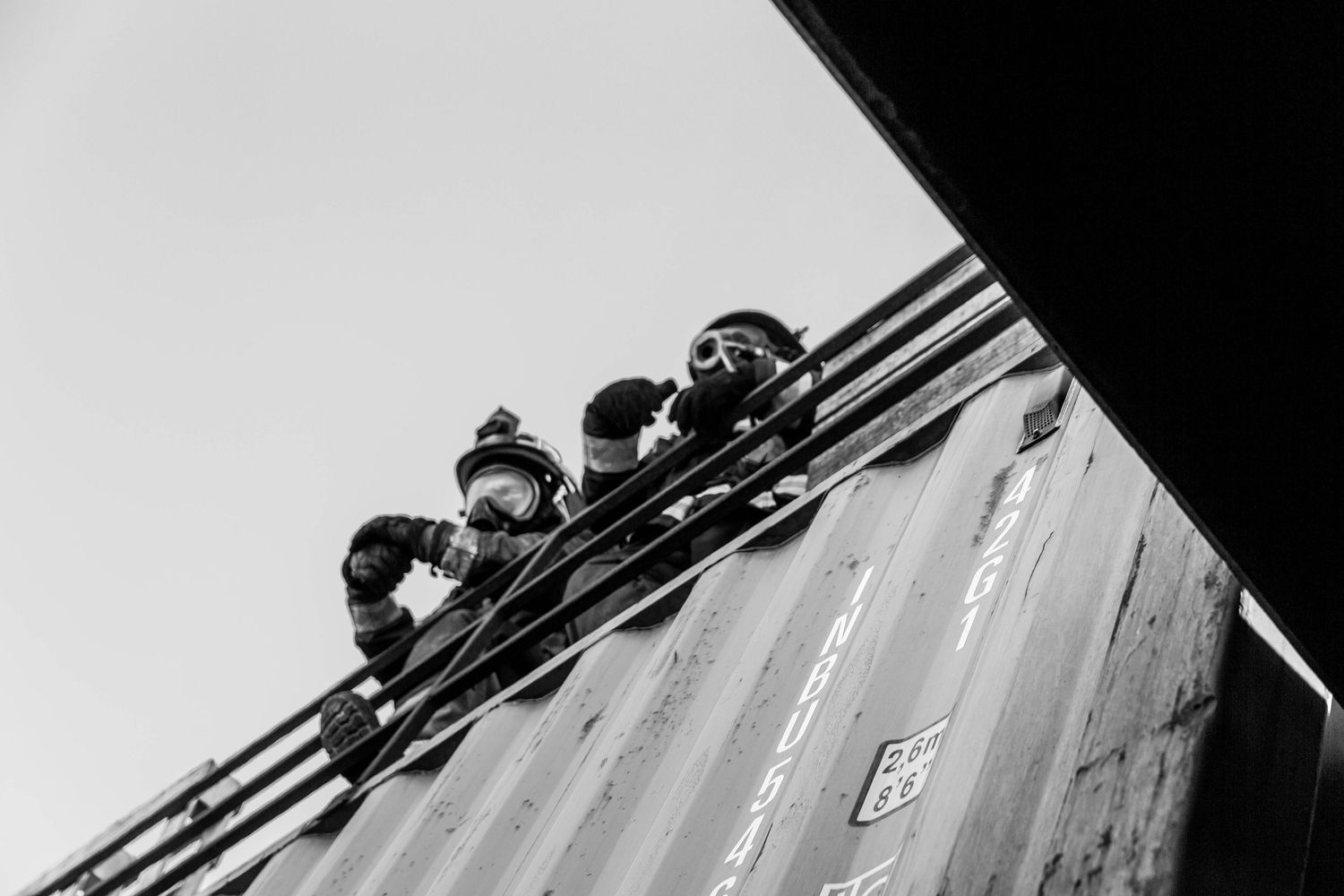
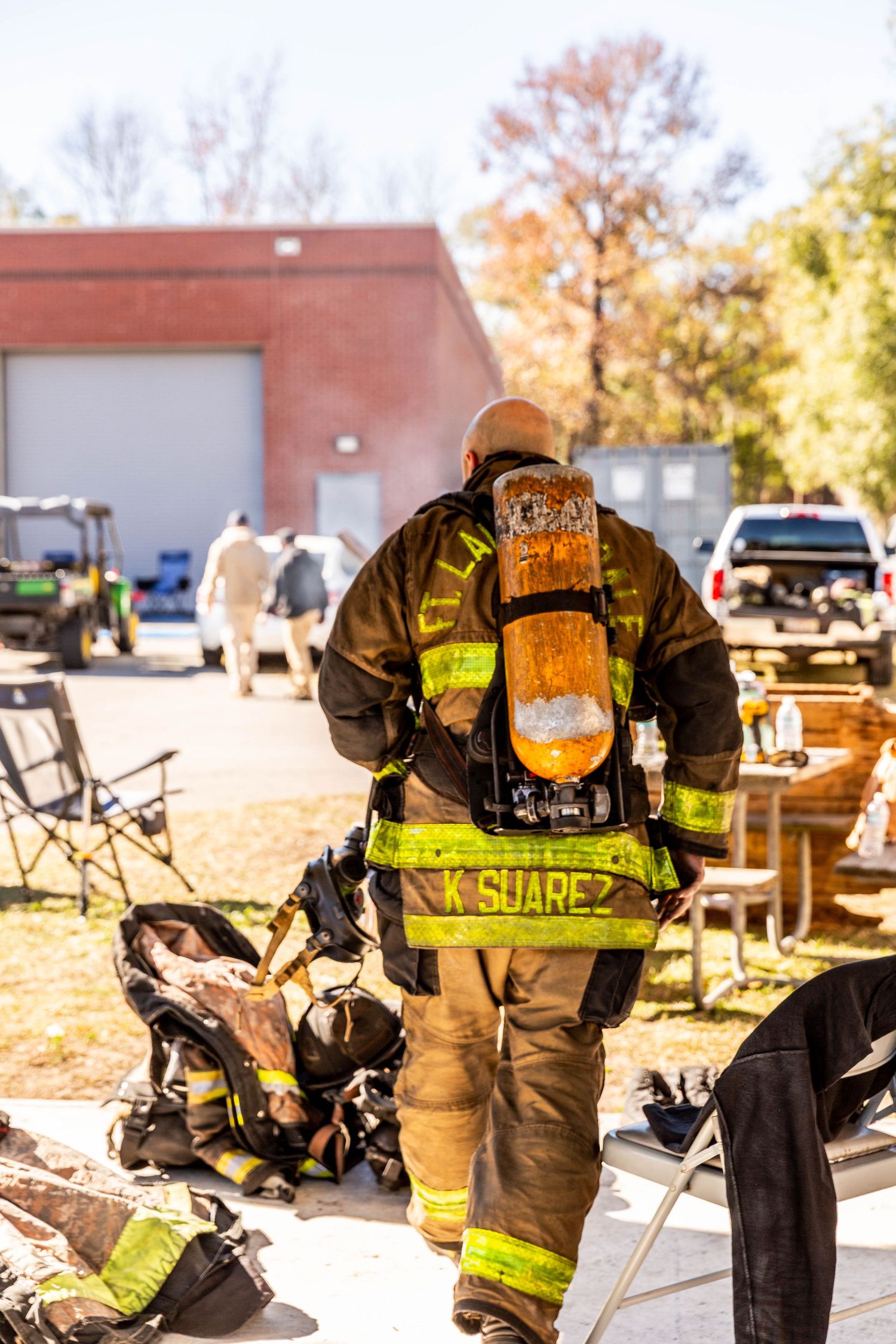
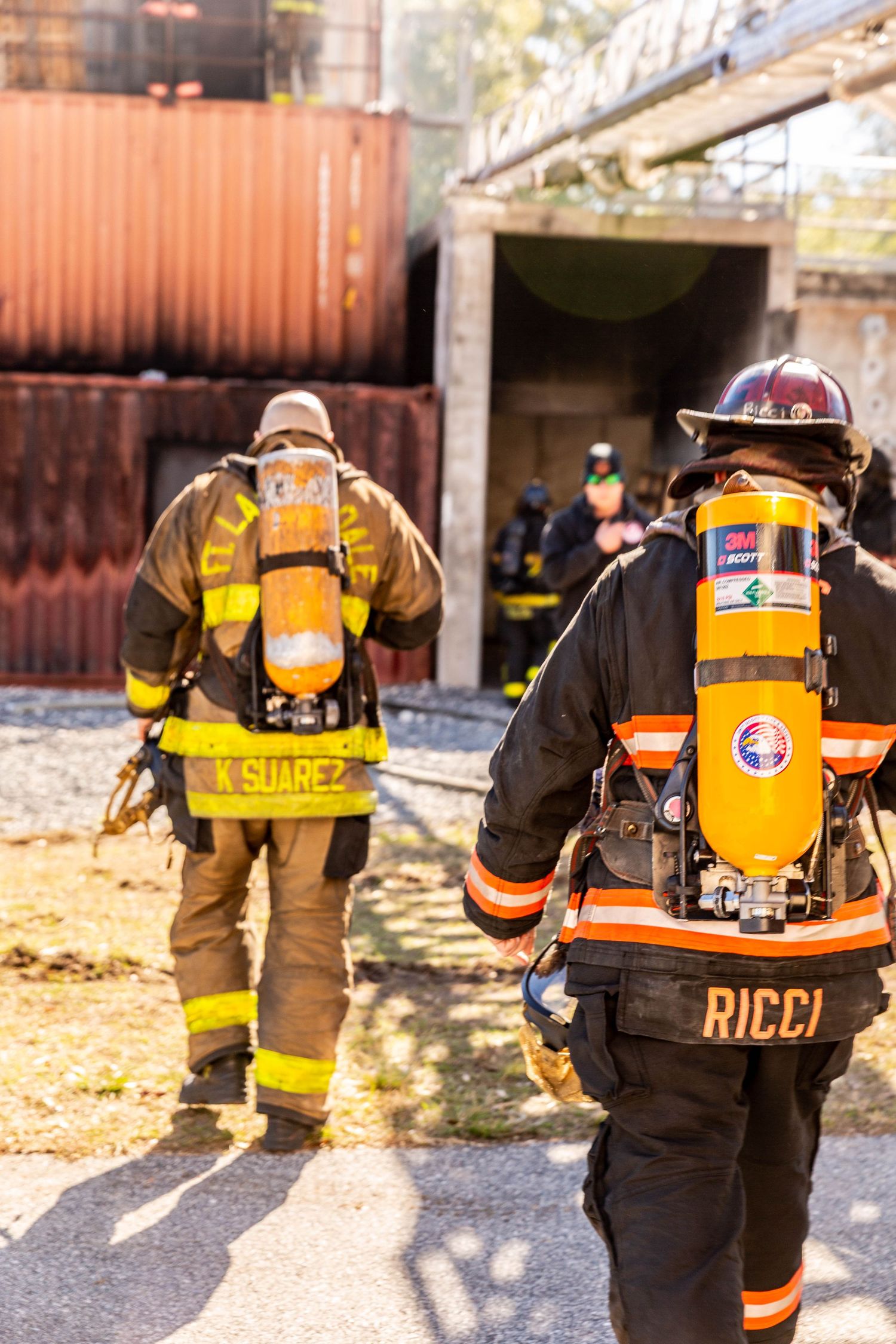
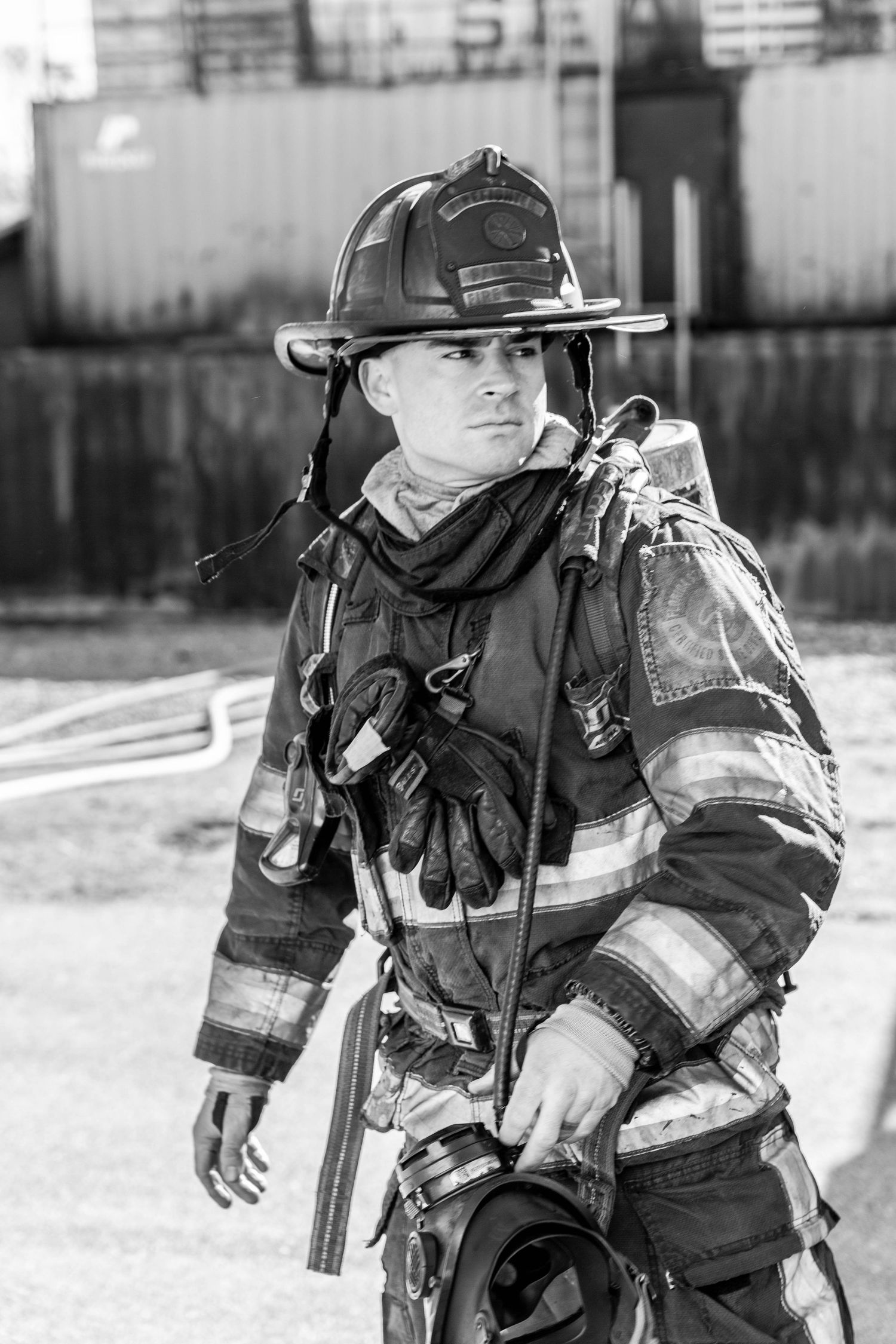
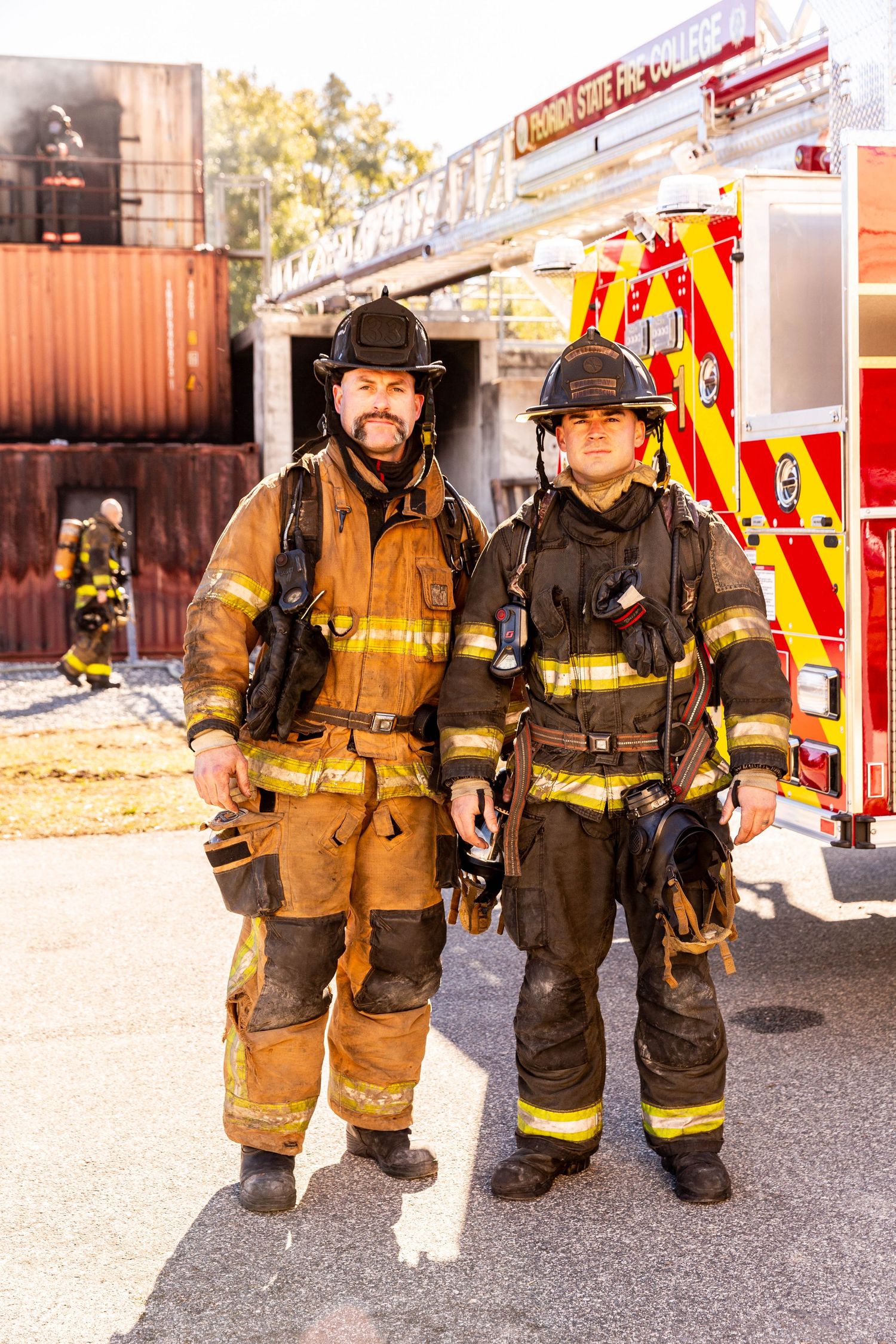
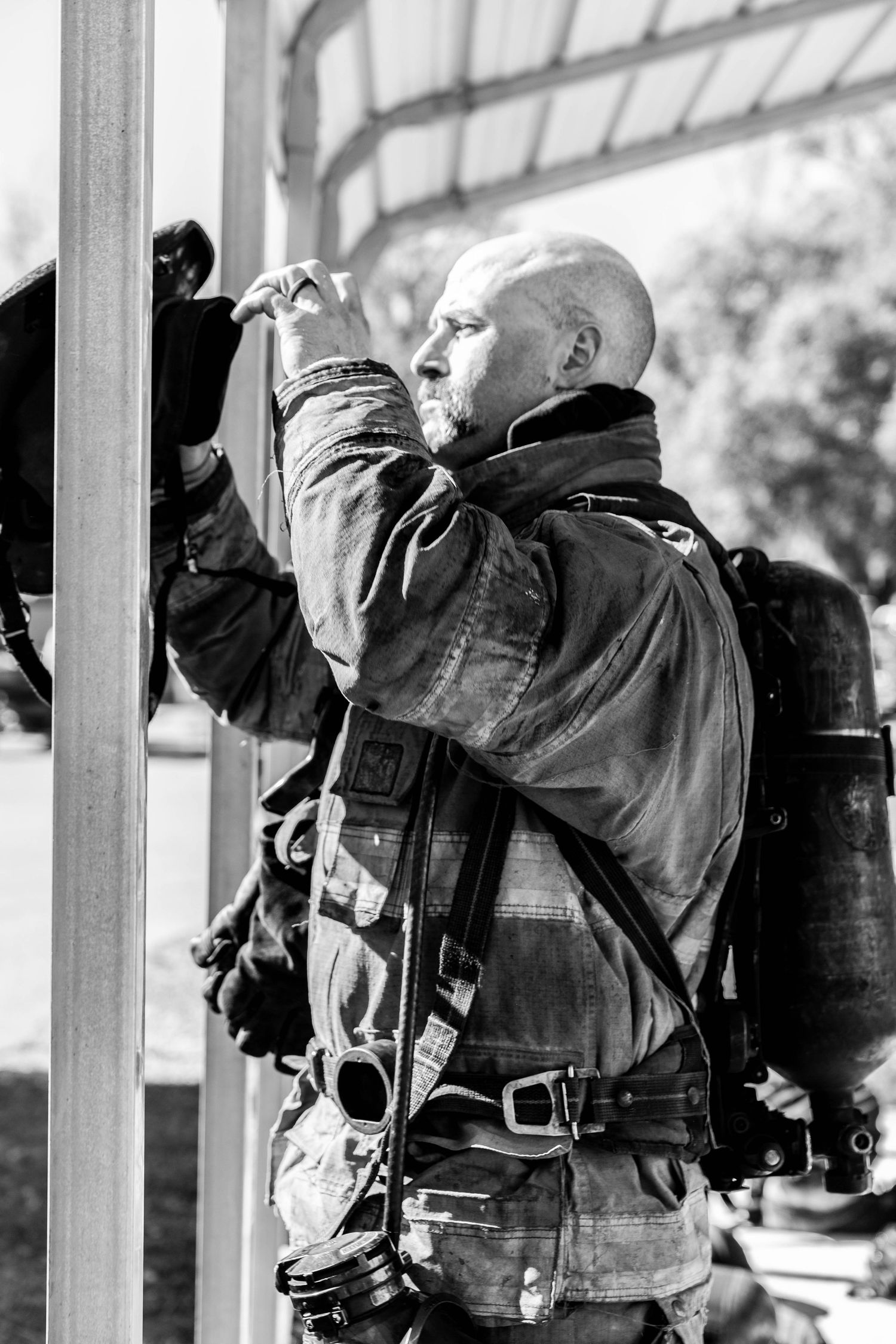
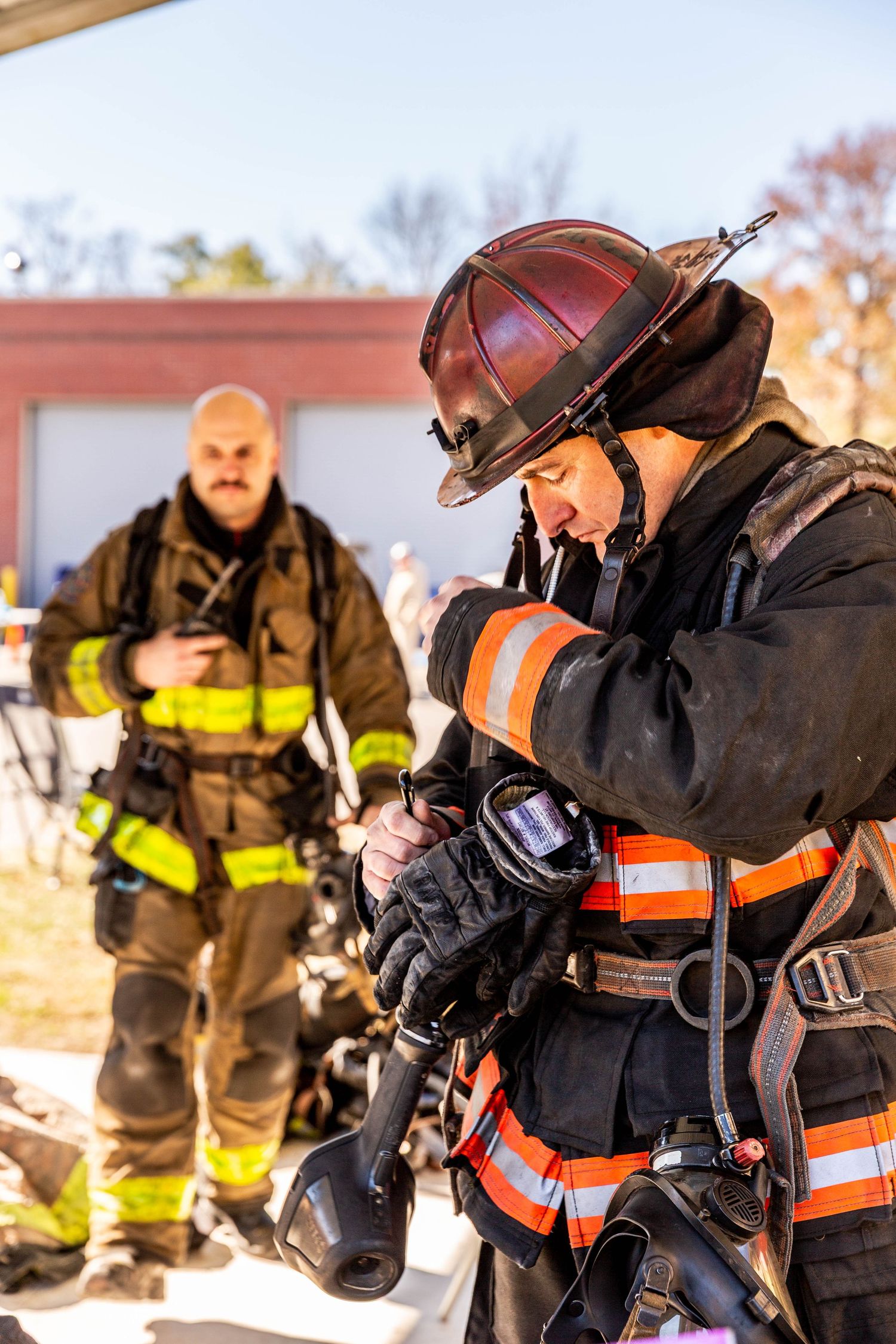
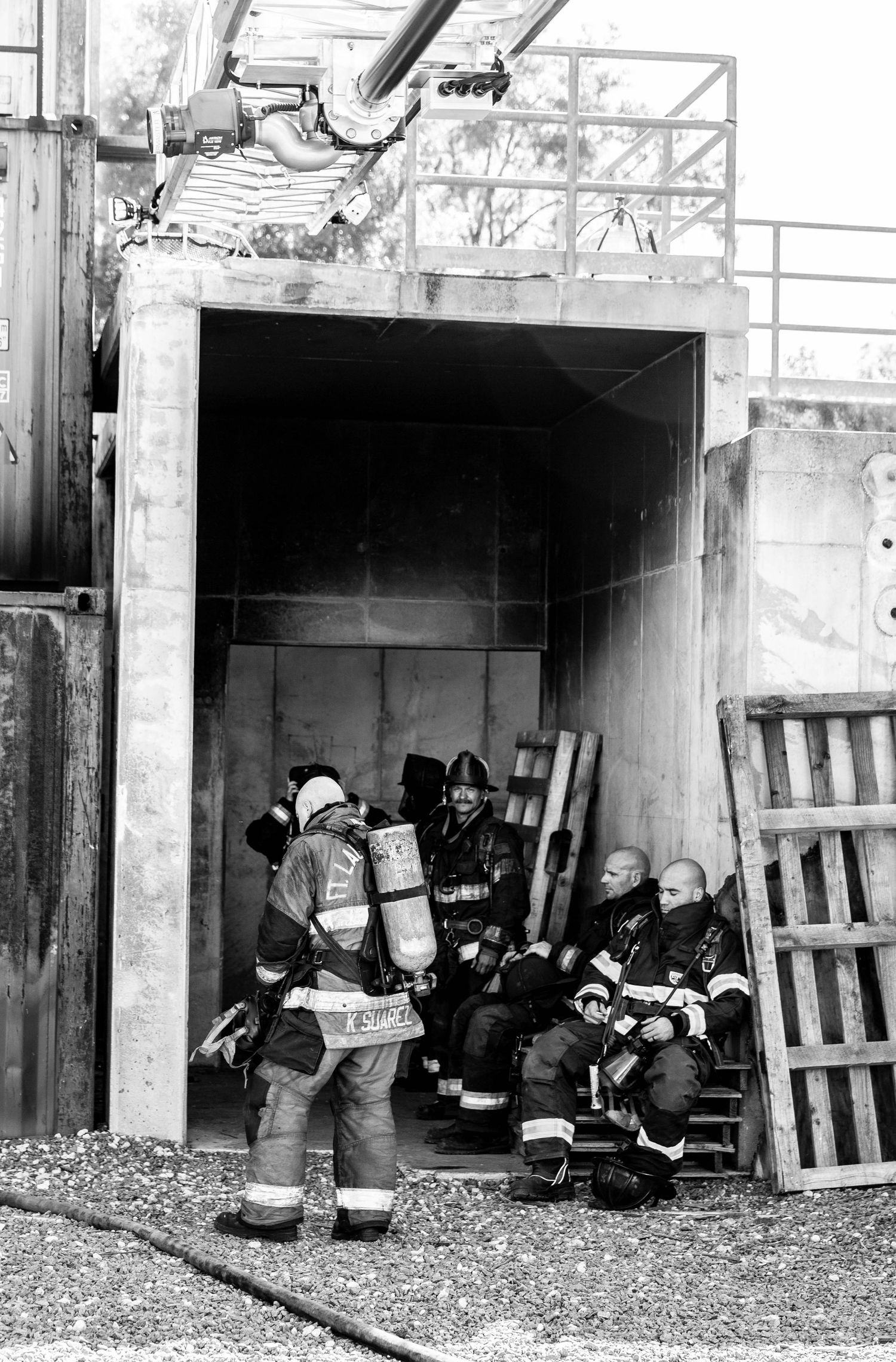
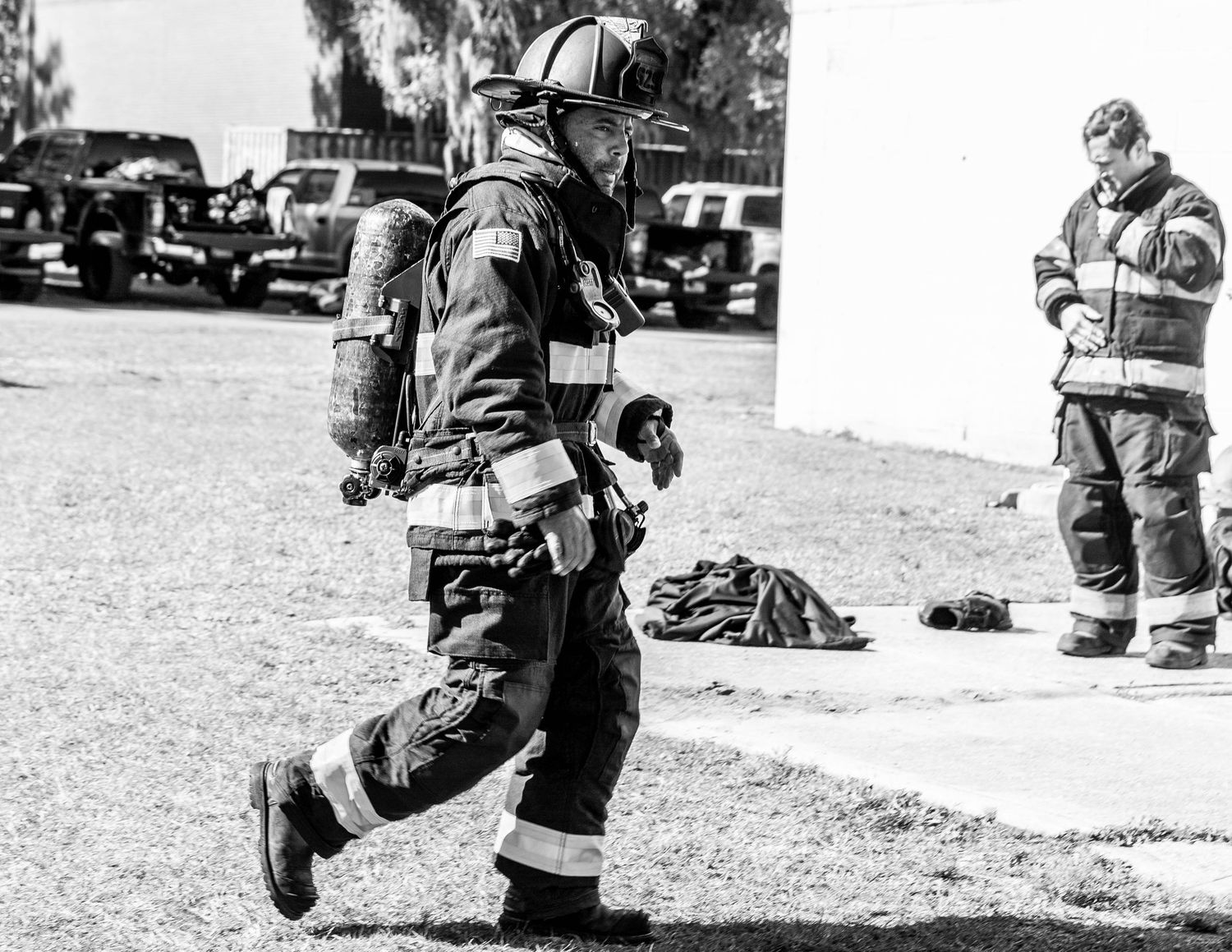
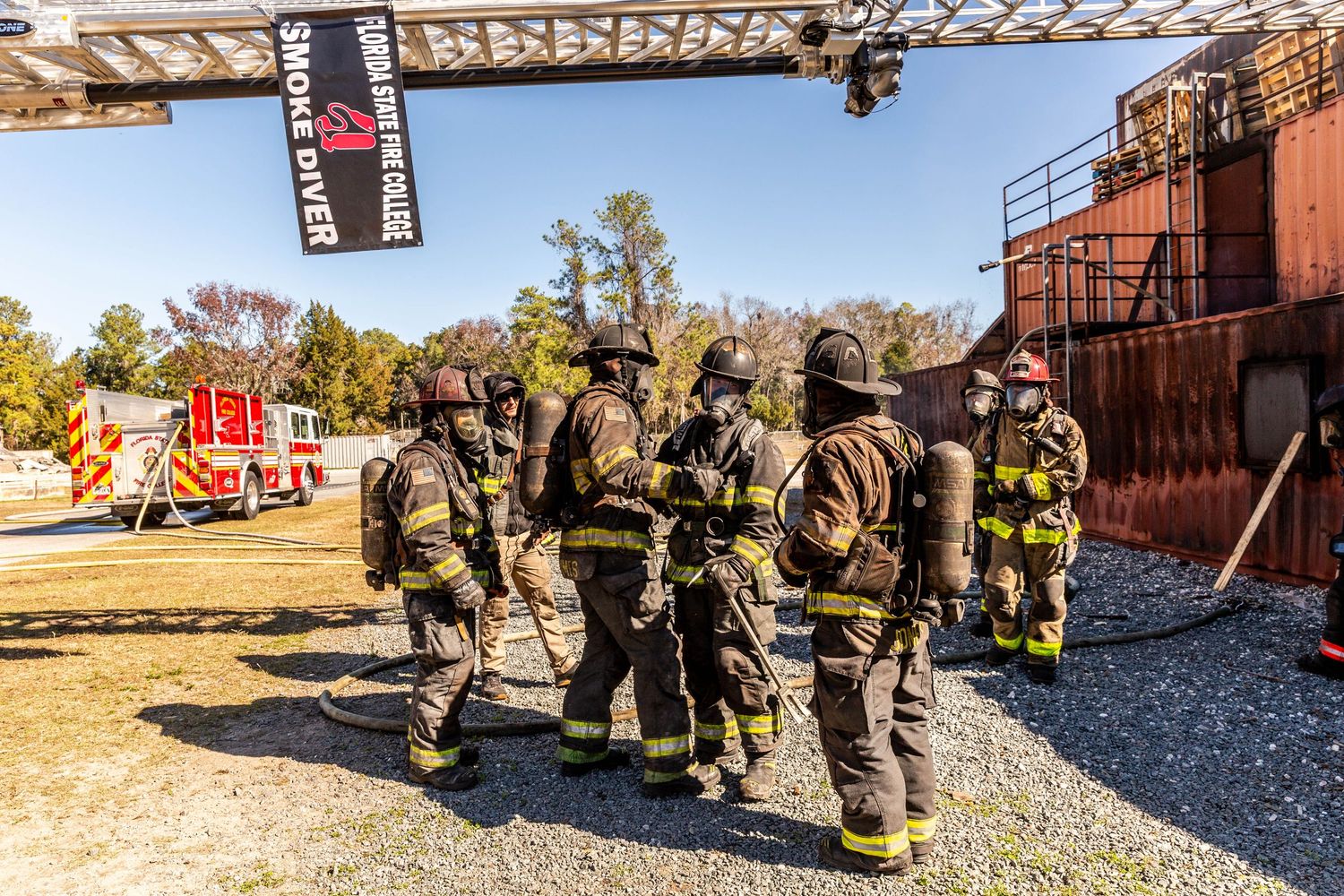
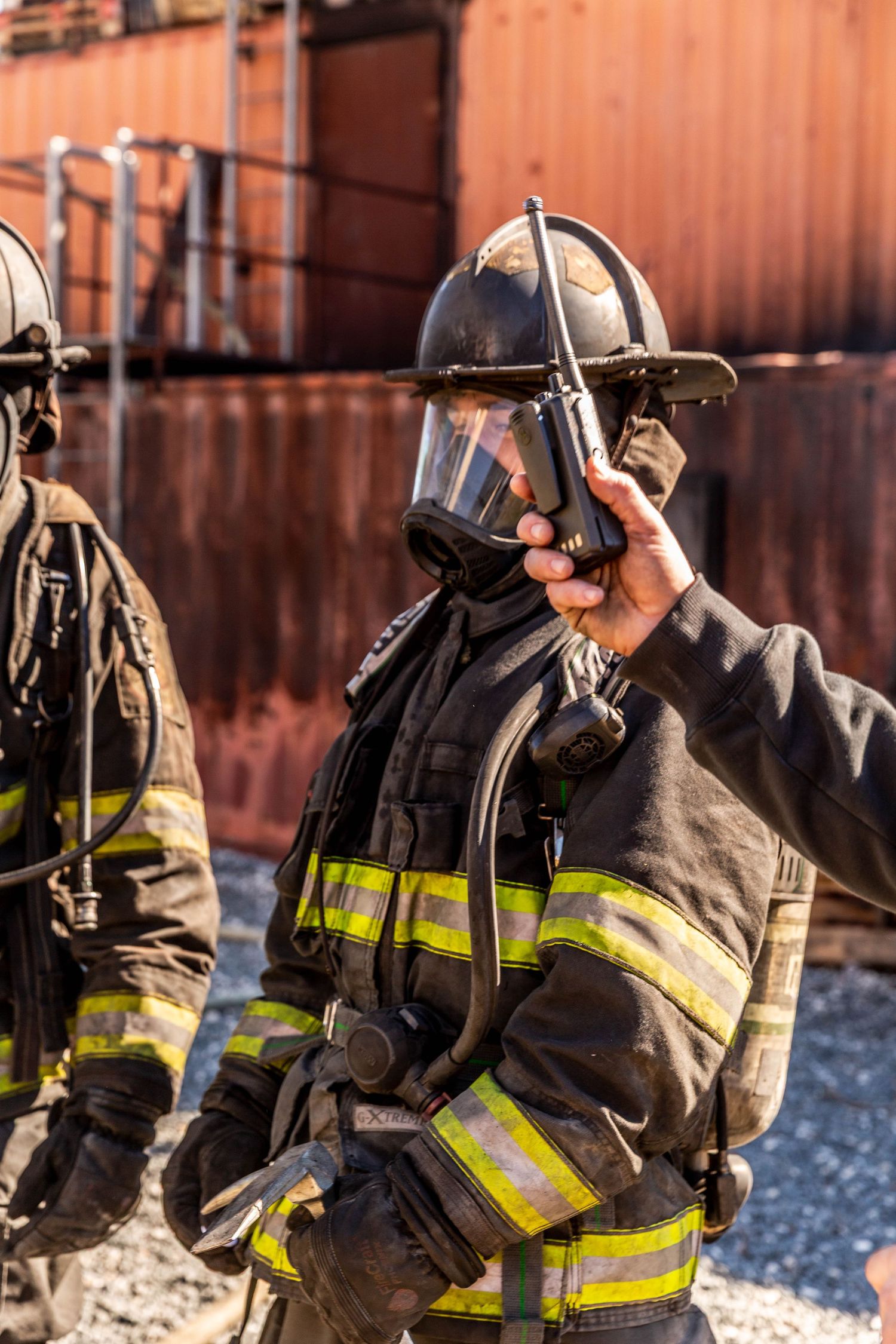
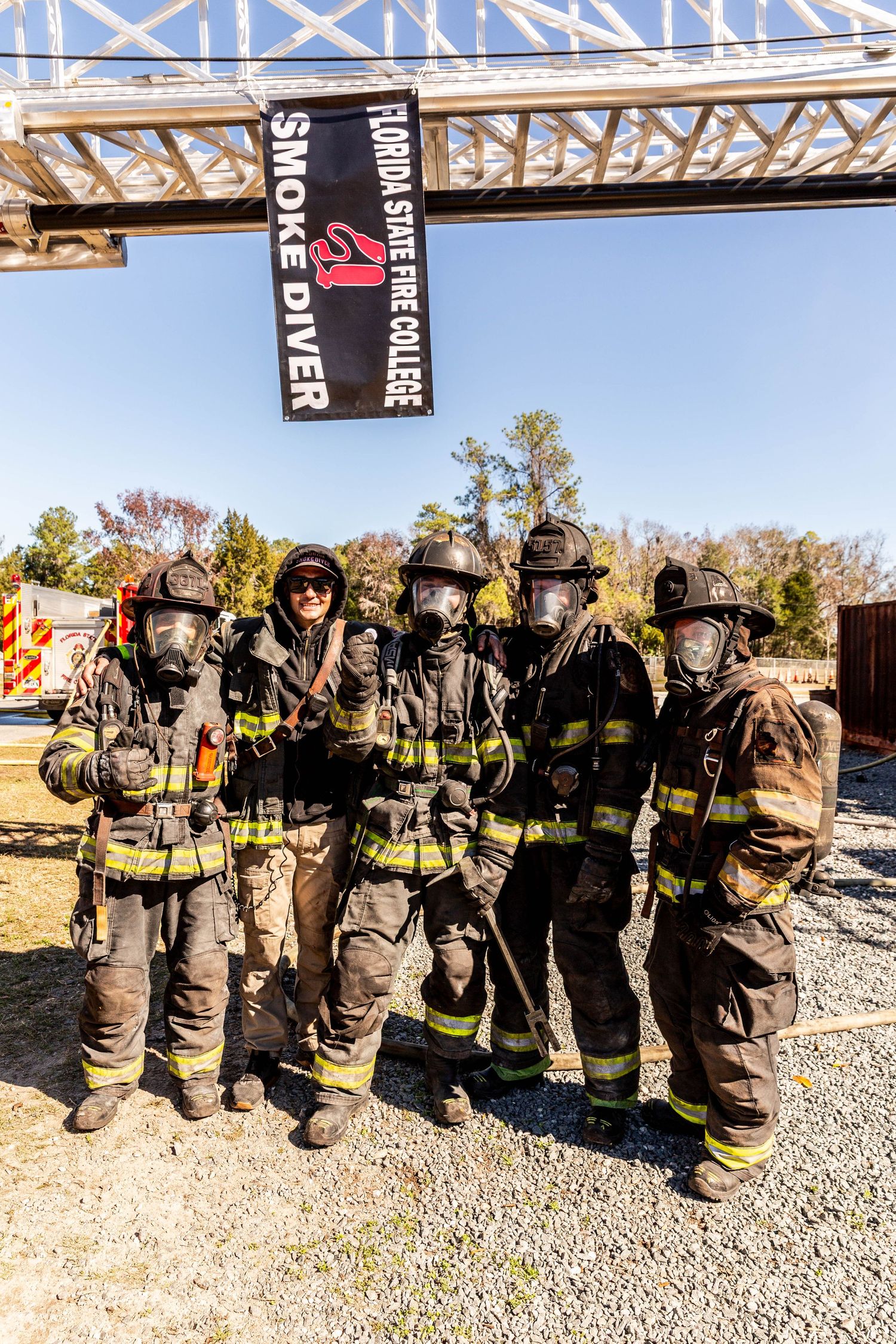
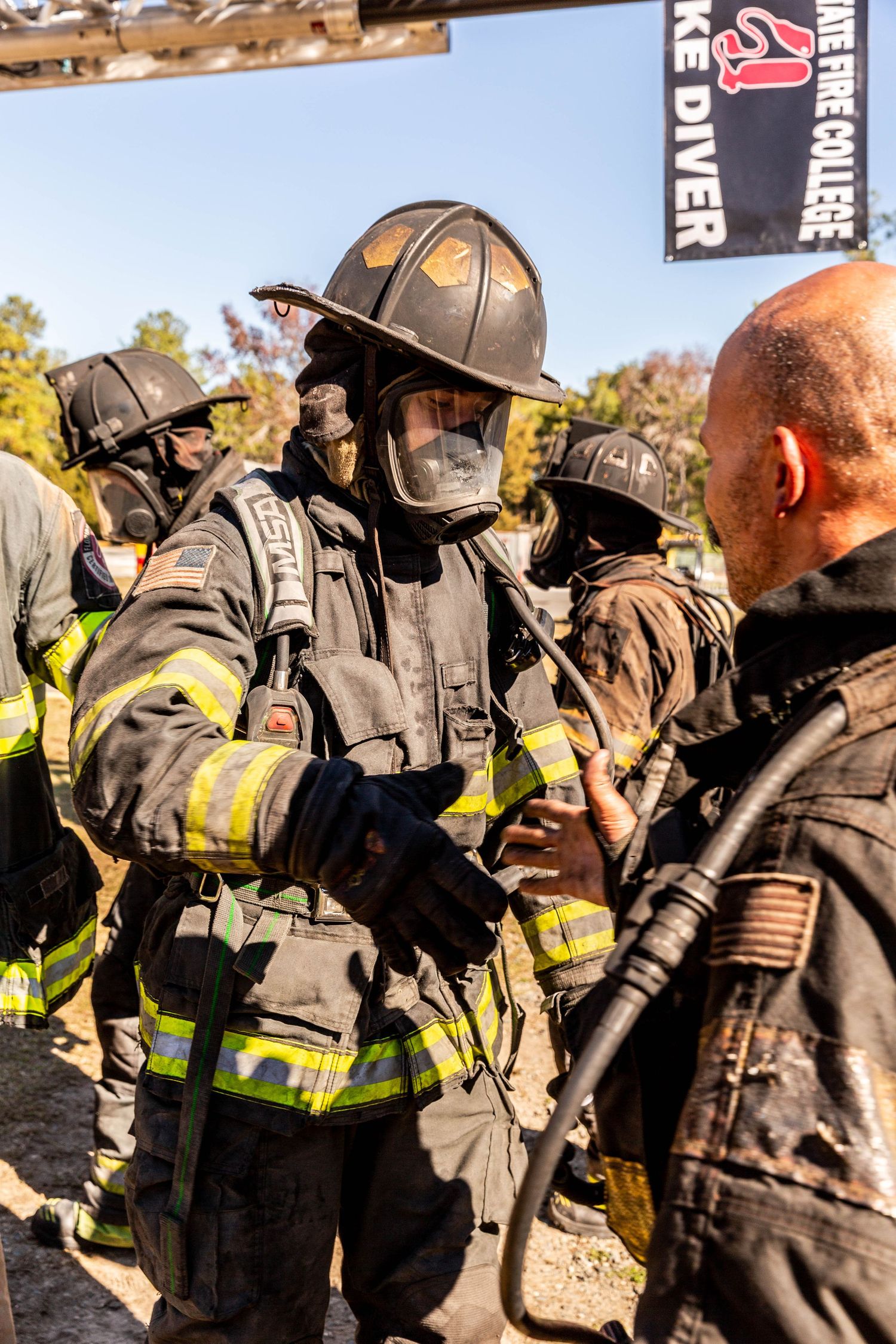
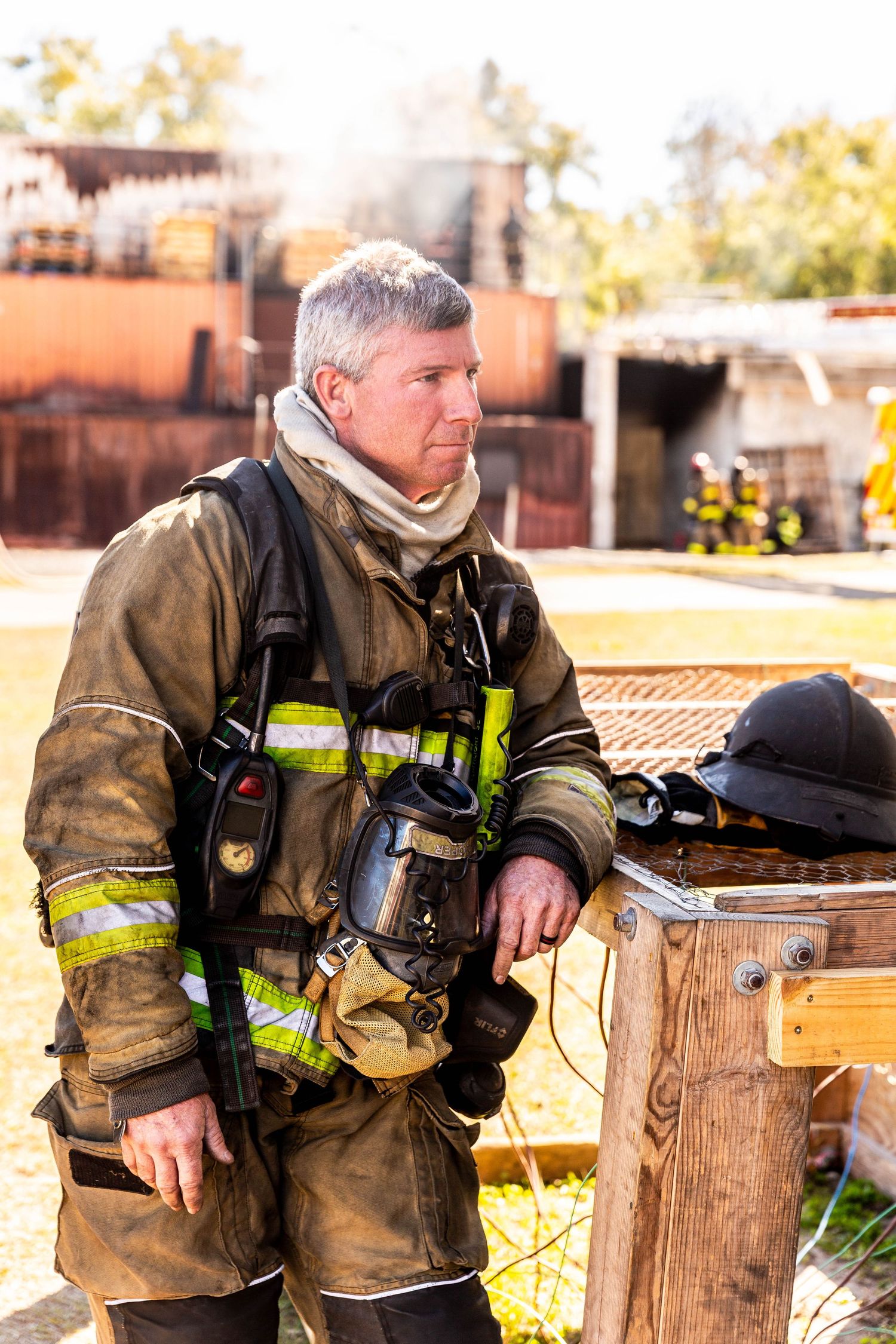
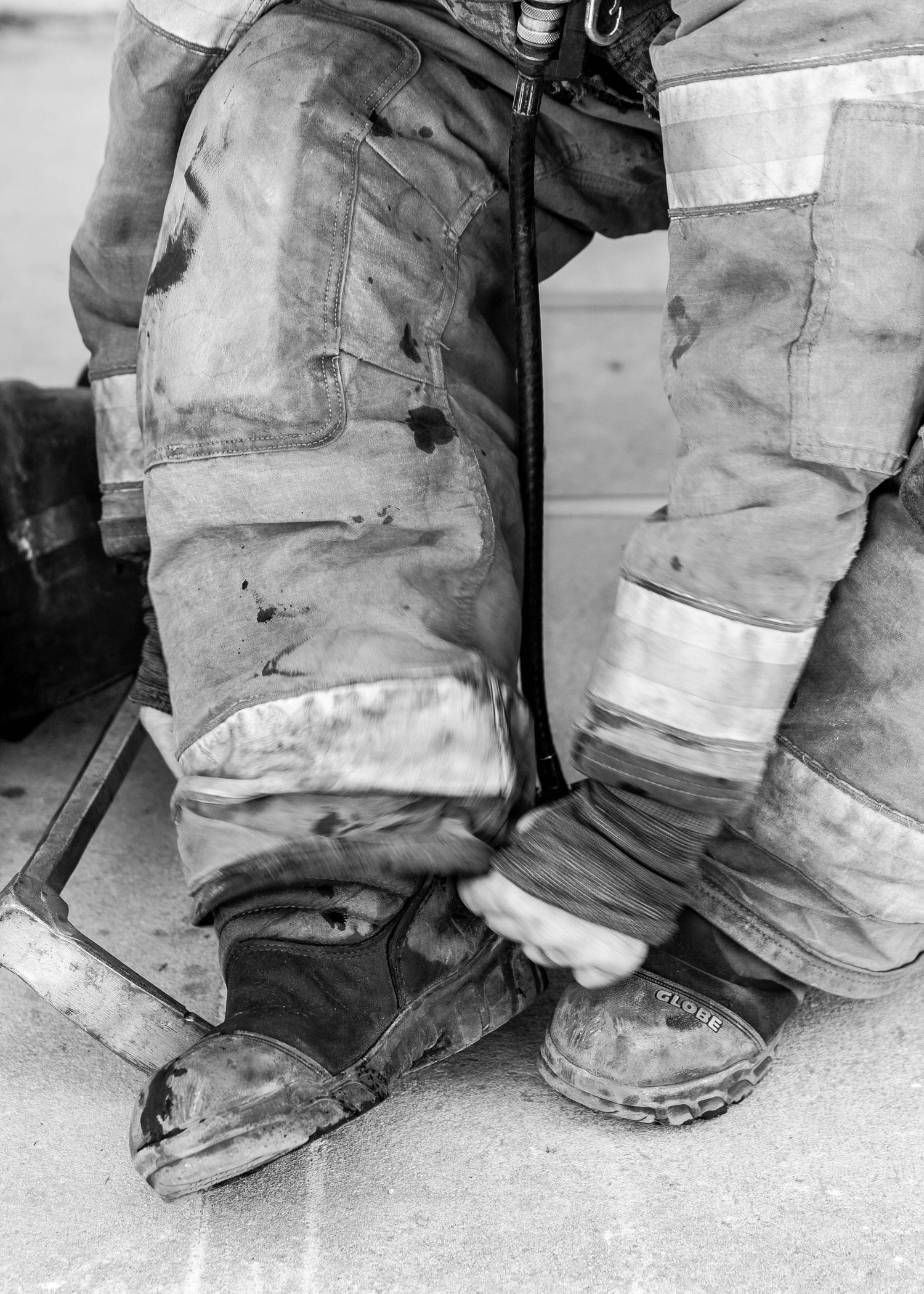
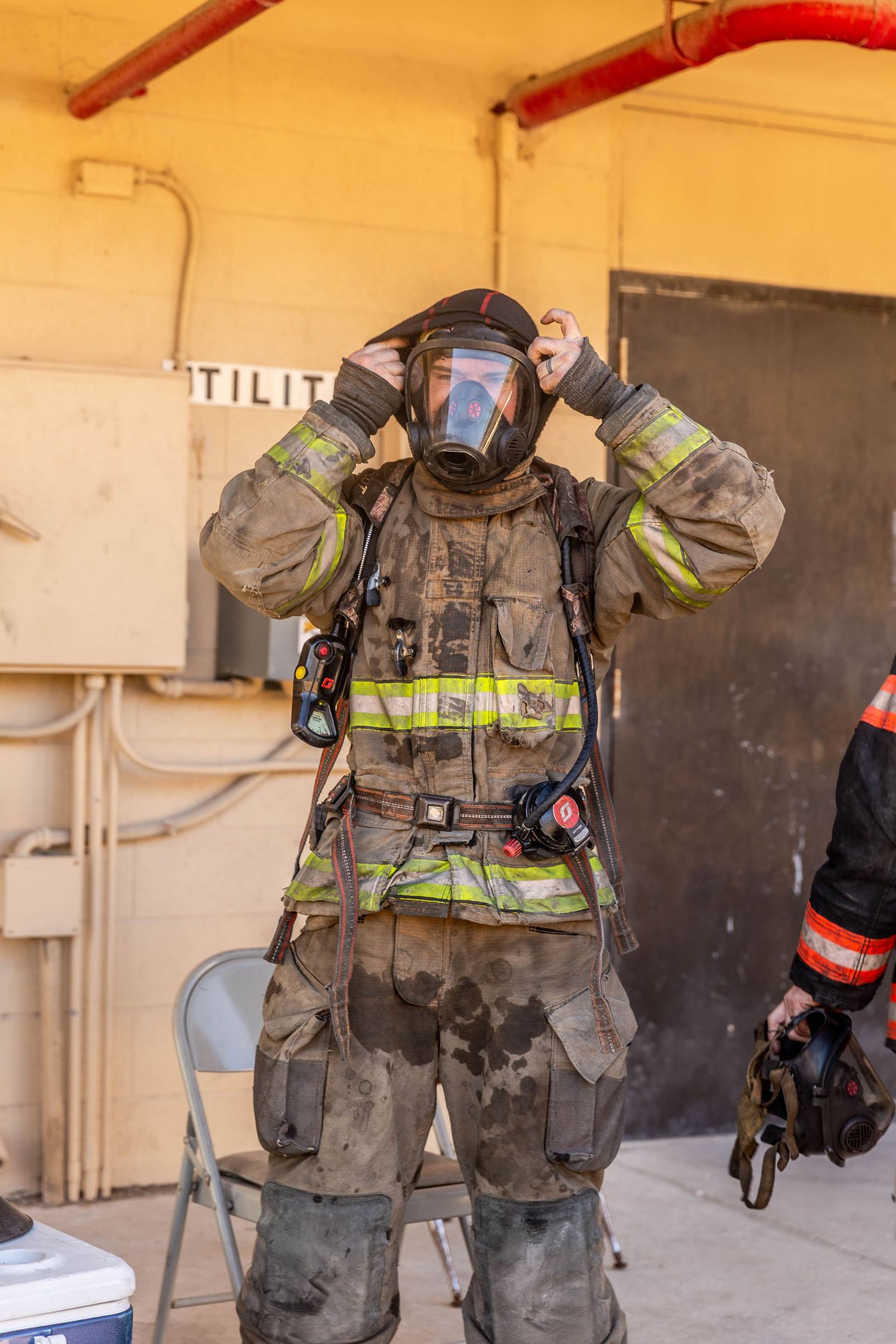
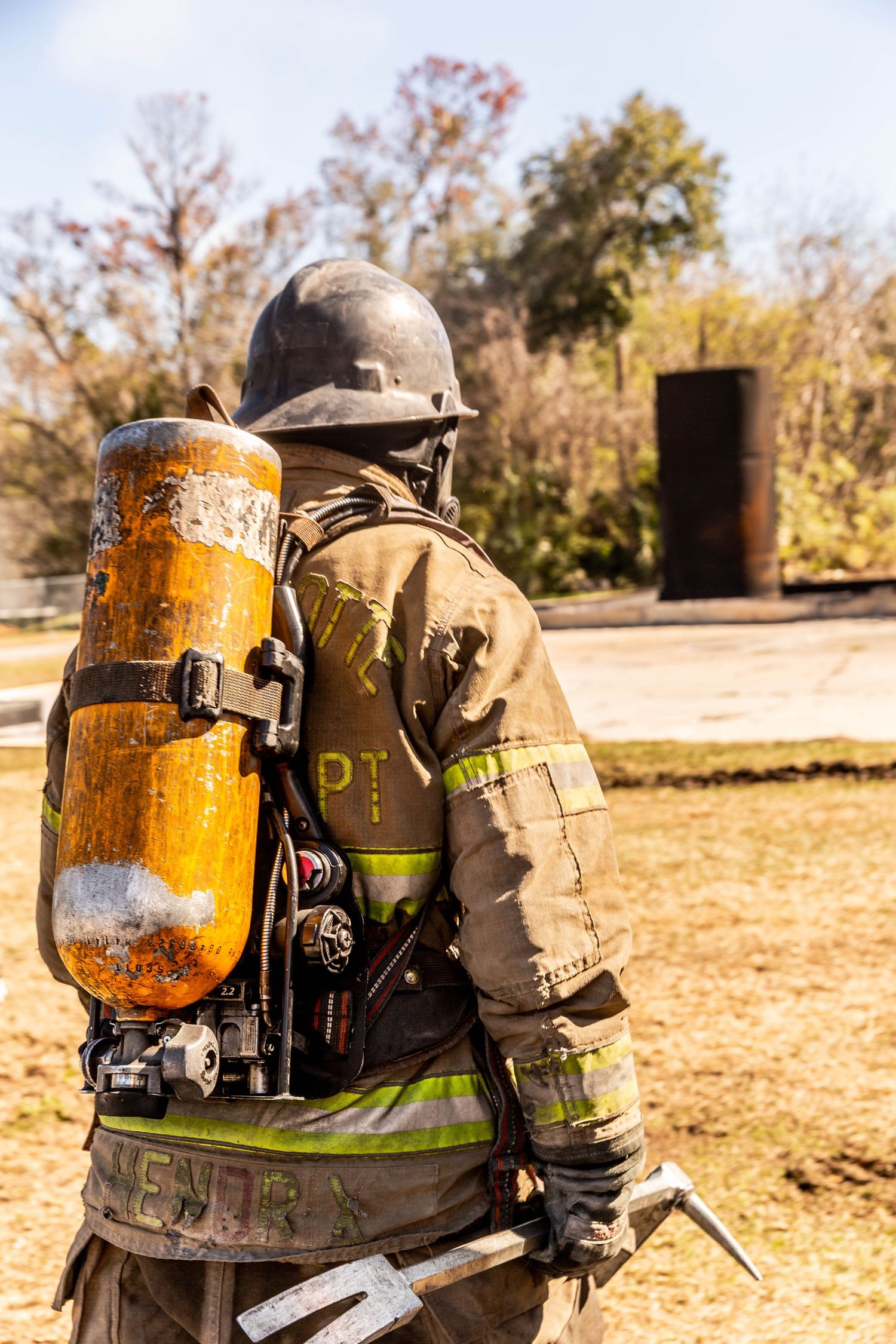
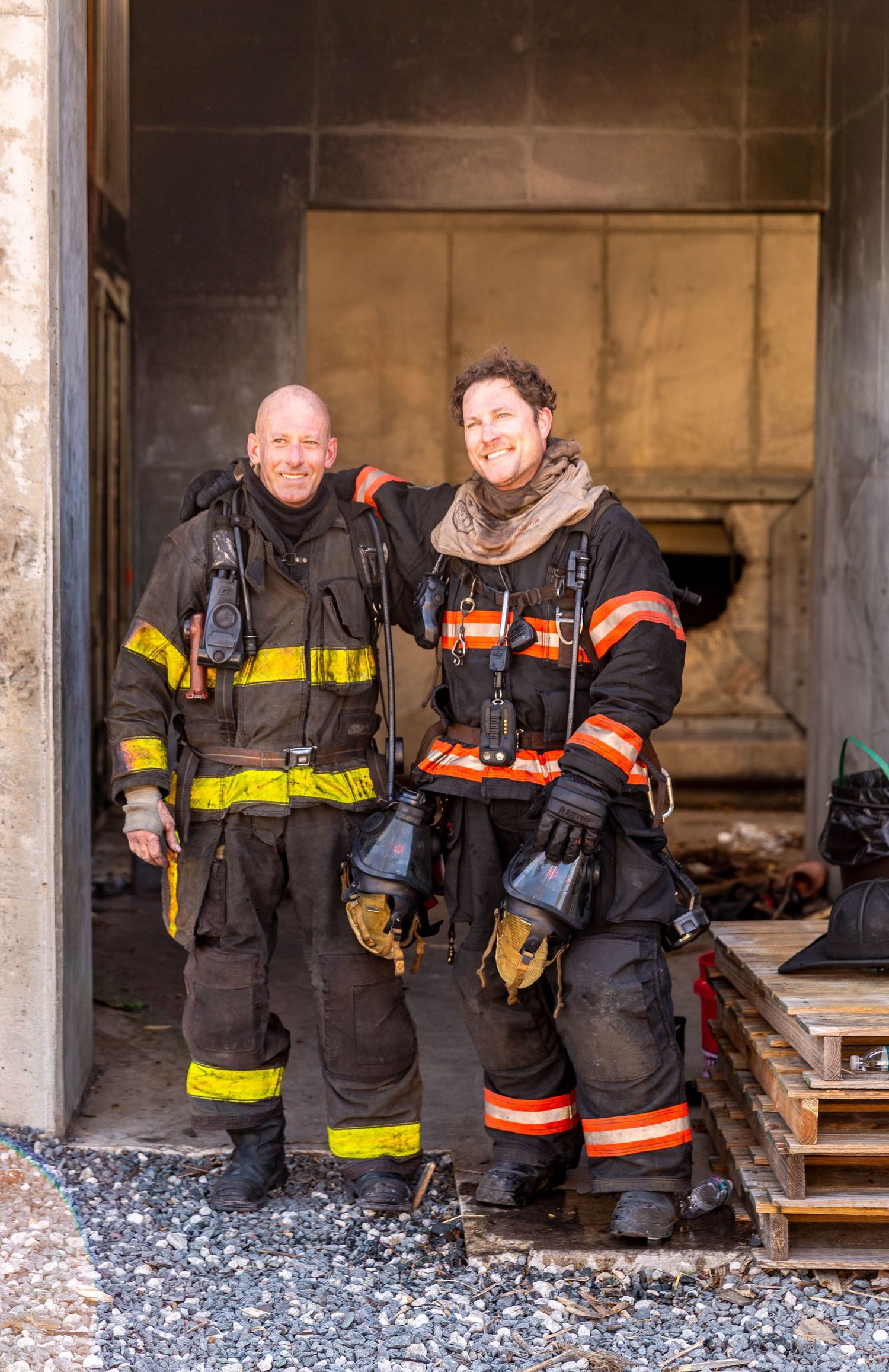
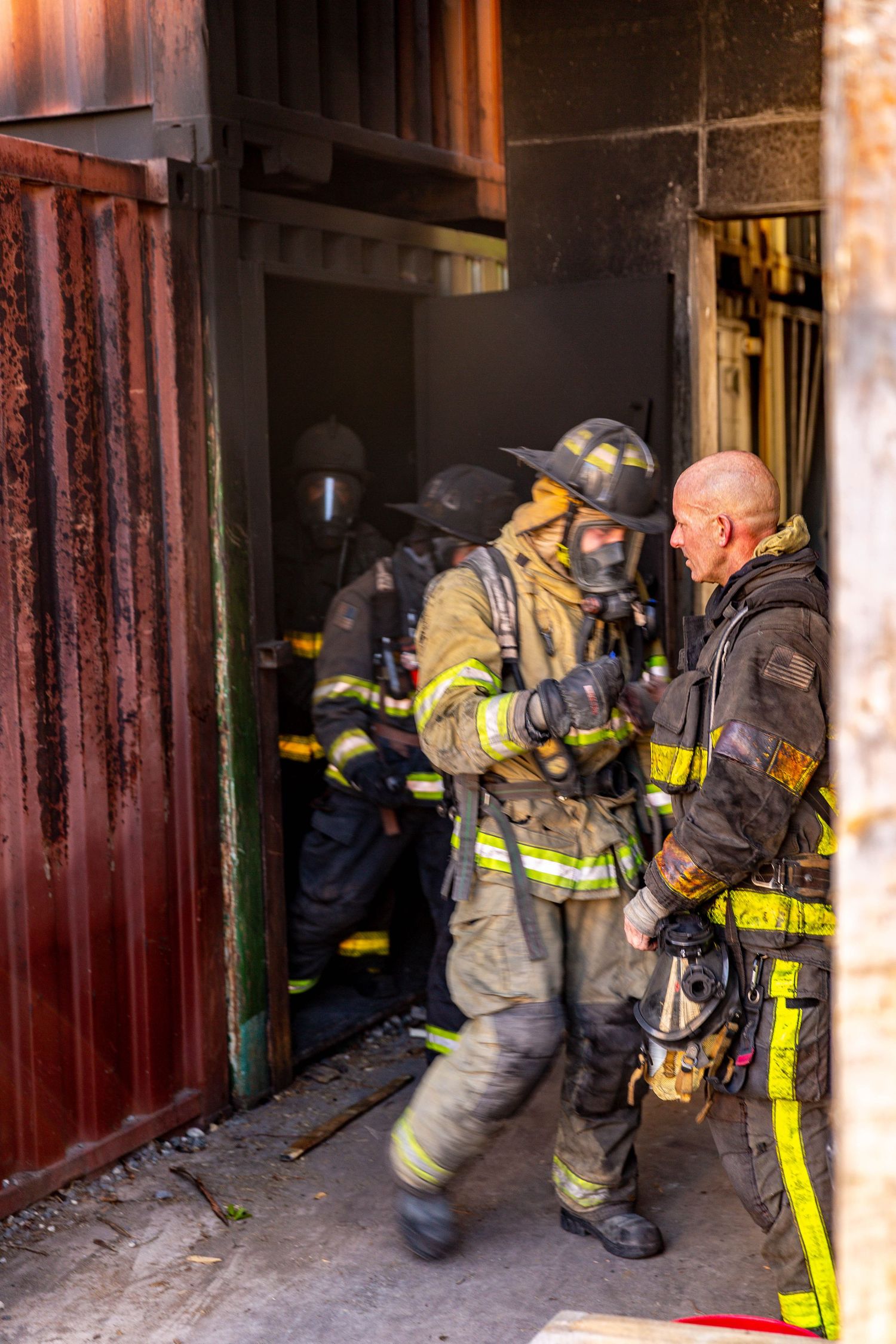
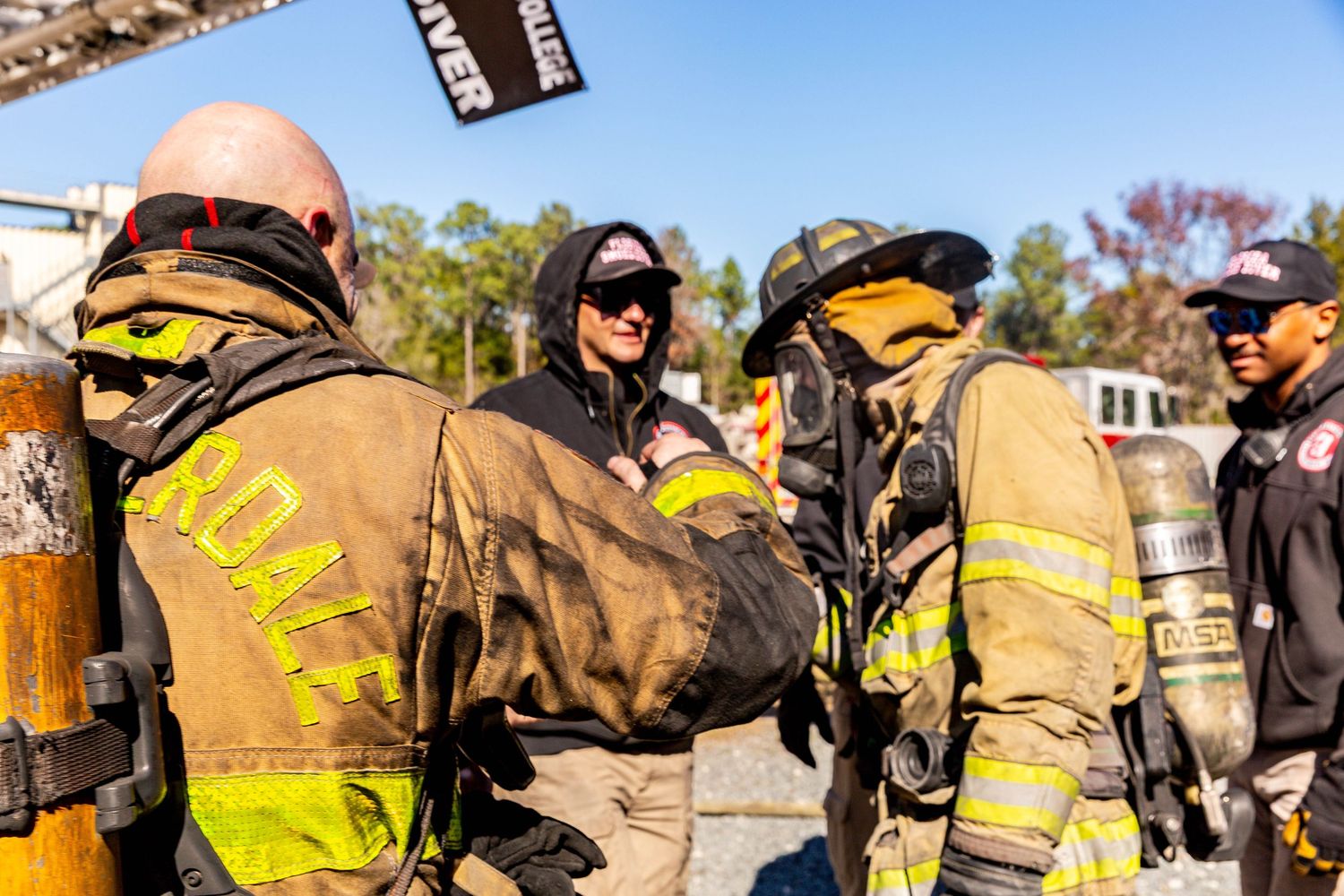
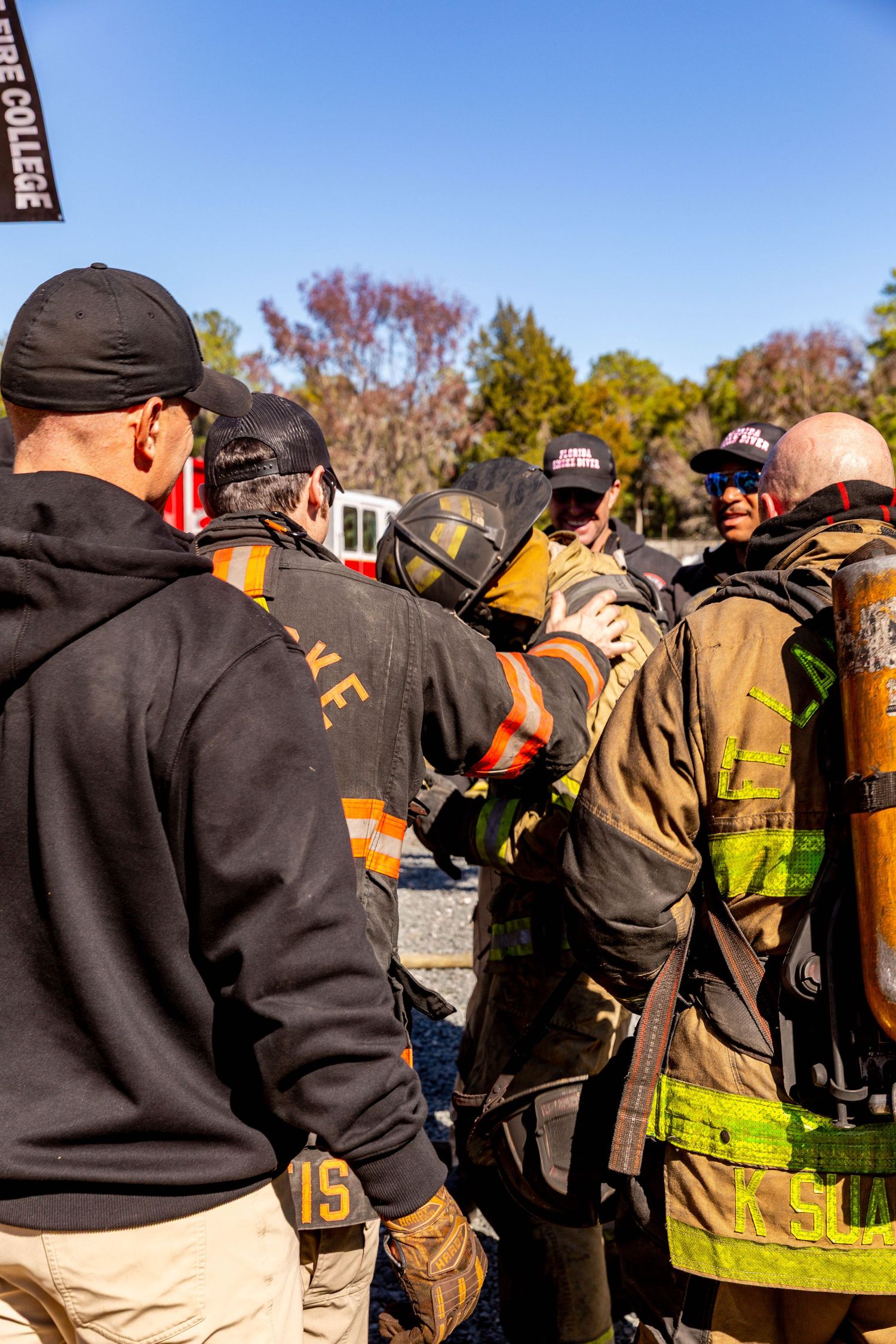

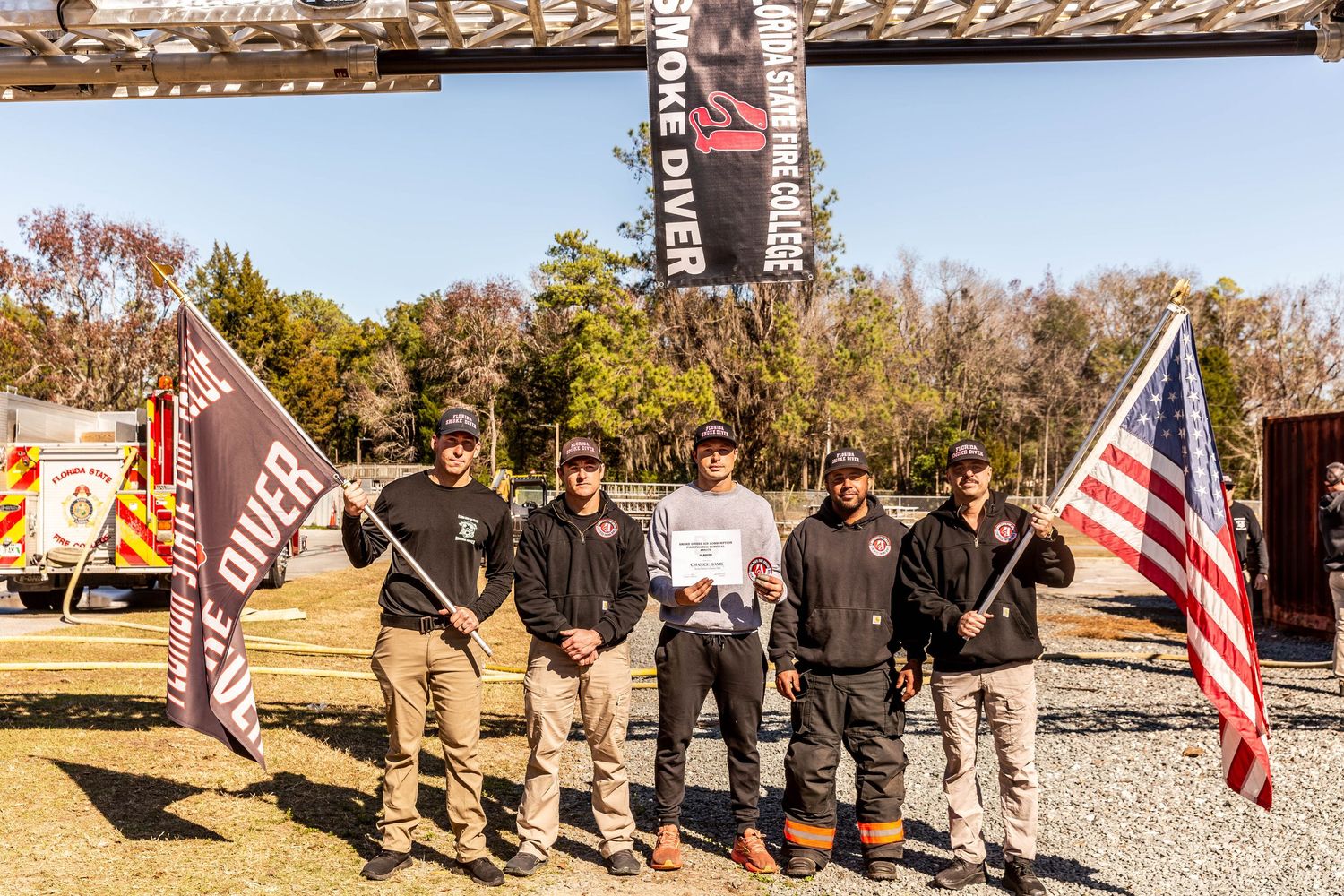
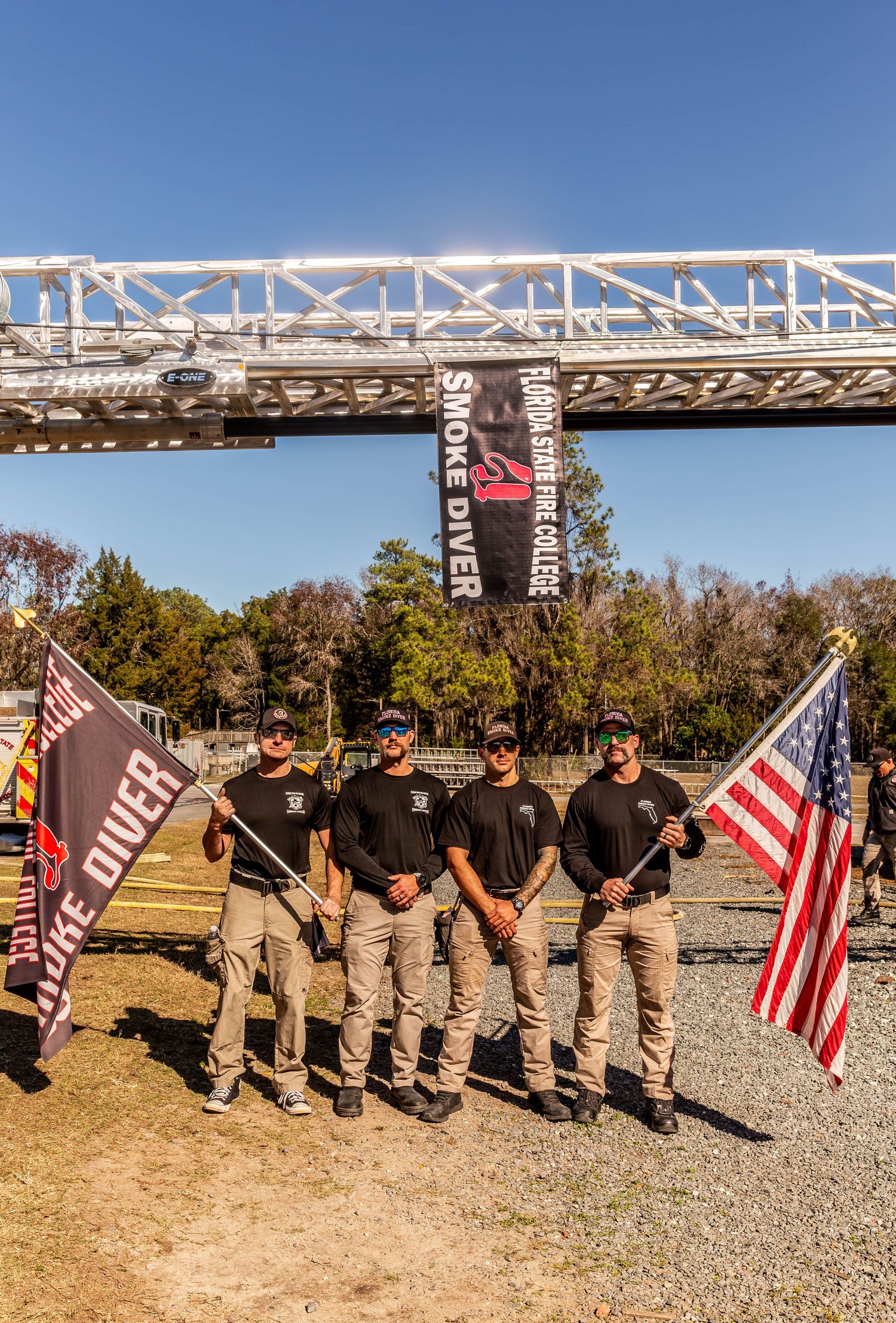
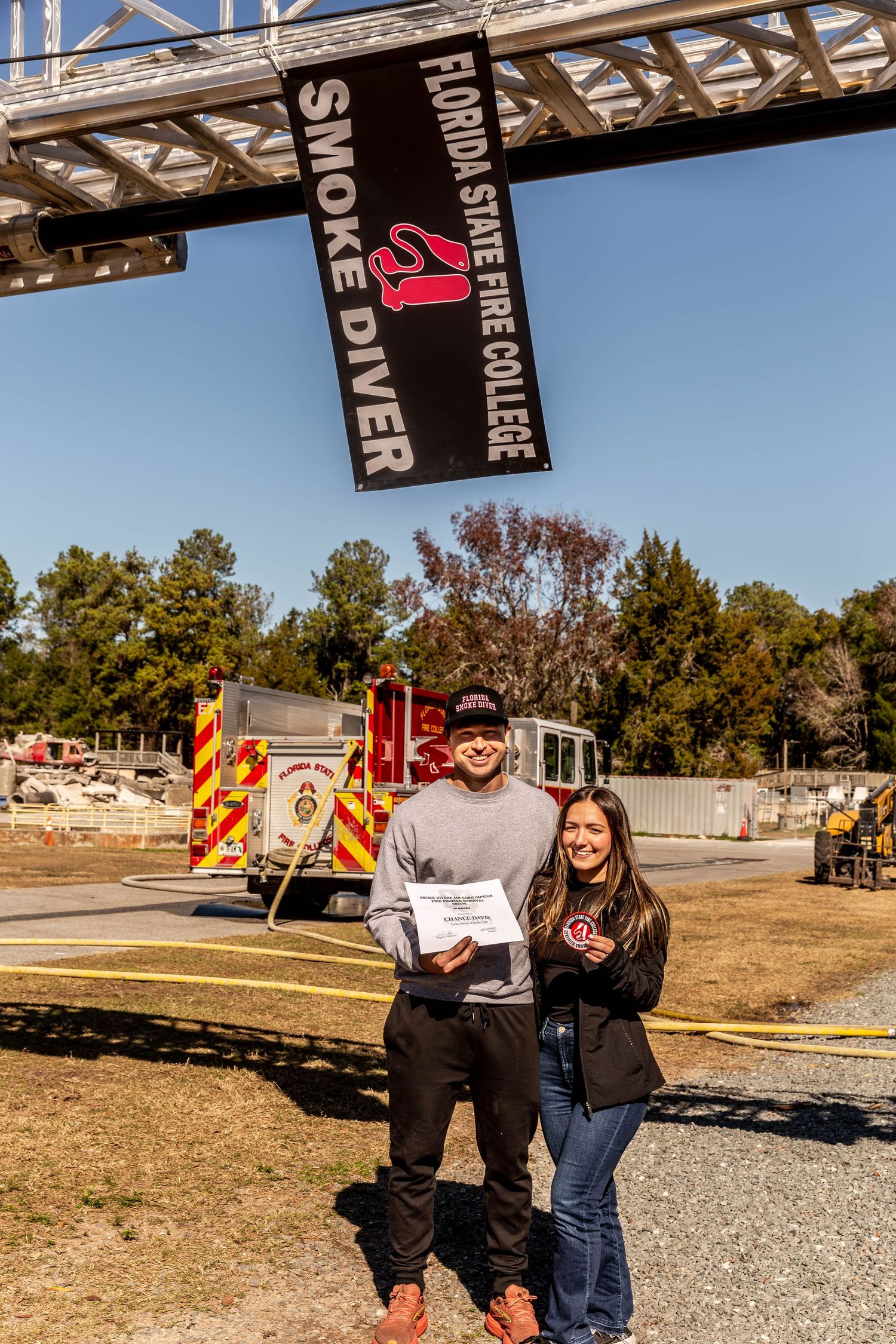
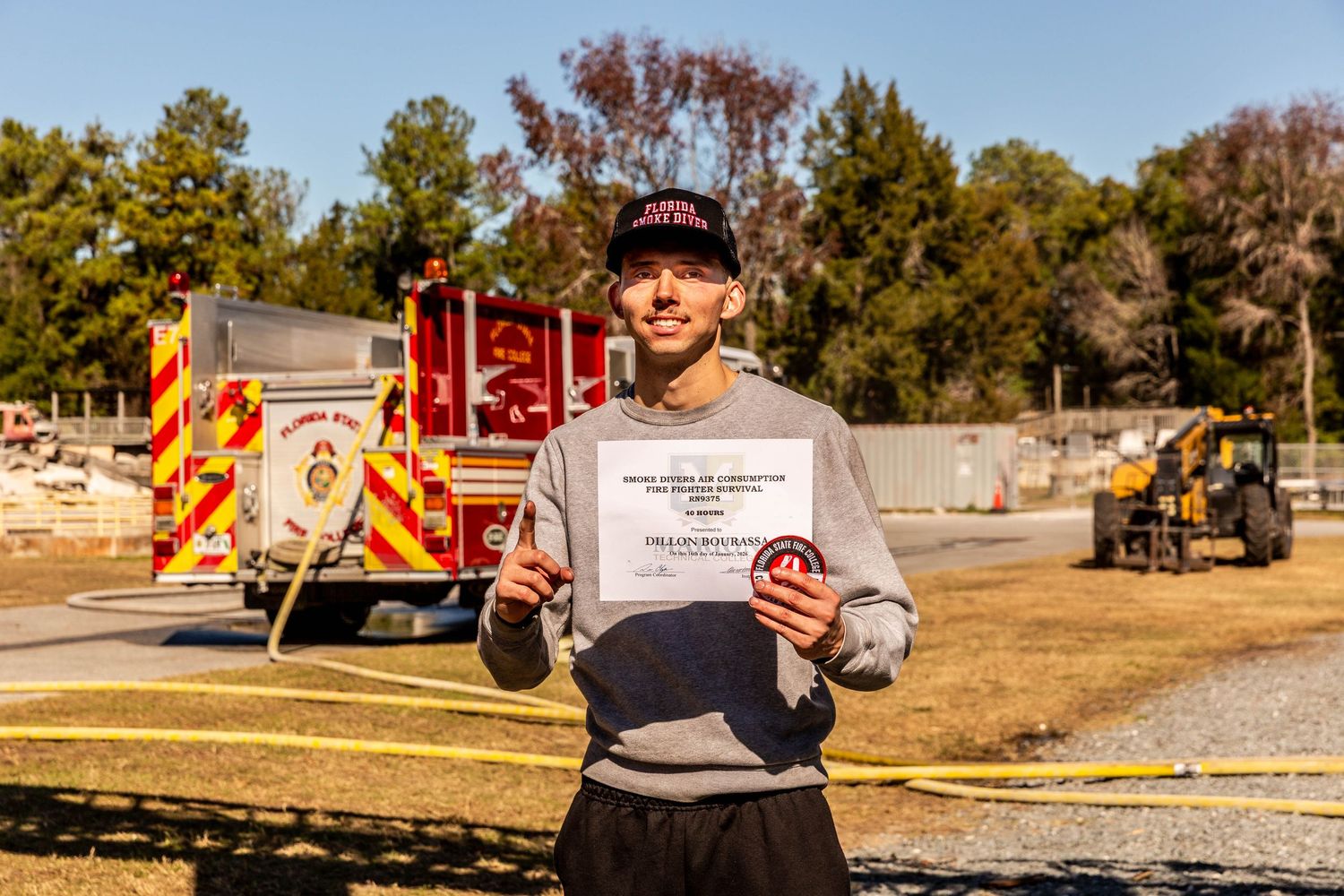
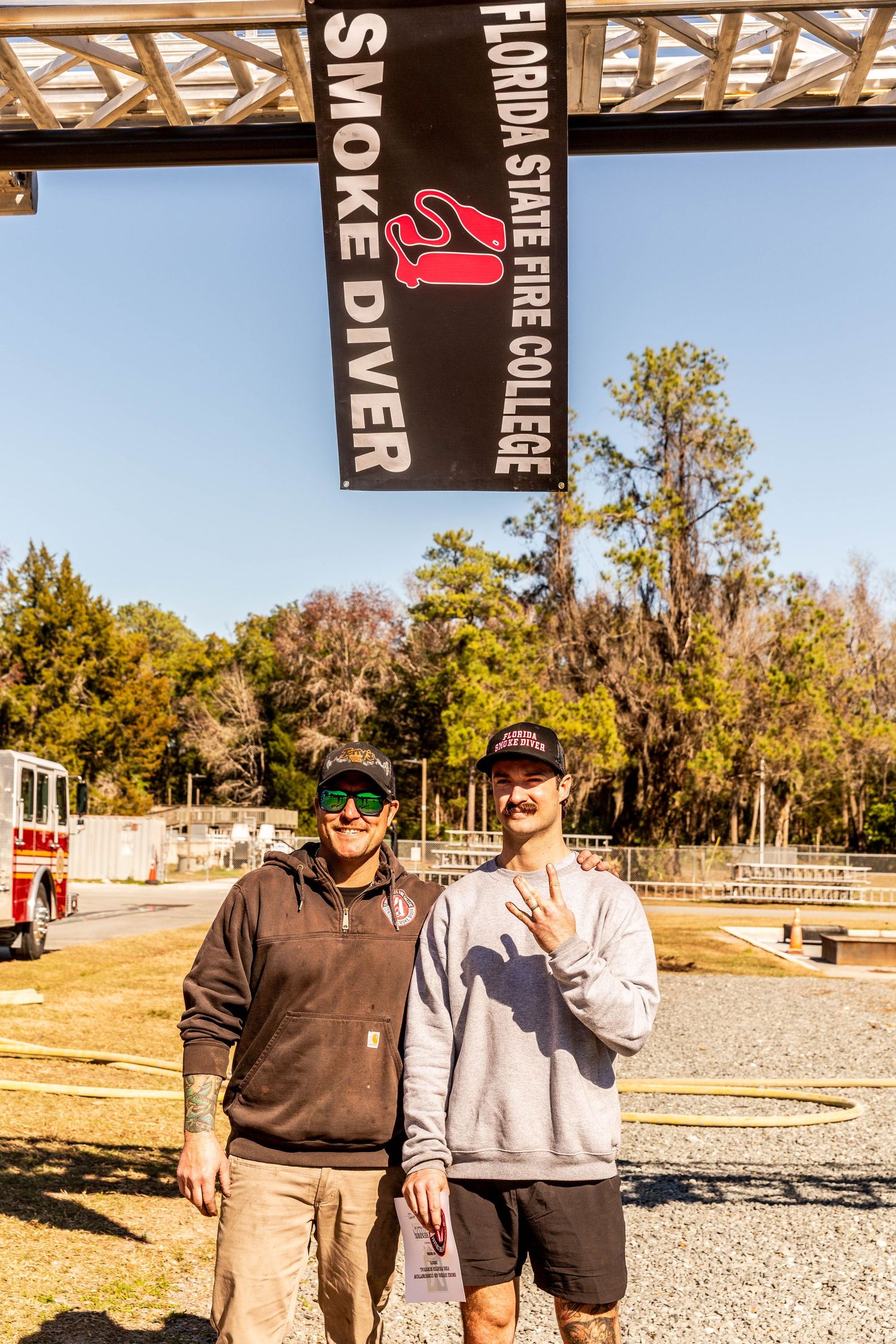
I’ve been in and out of a firehouse my entire life. I grew up a fire kid and later became a fire wife, and those two roles give you very different perspectives. As a child, you see the pride. As a spouse, you see the pride but also the cost. You will hear about the calls they don’t talk about publicly, and you recognize the depth they carry. You understand that when they arrive on scene to someone’s worst day, the calm response you witness is backed by years of training, repetition, and discipline that has become second nature.
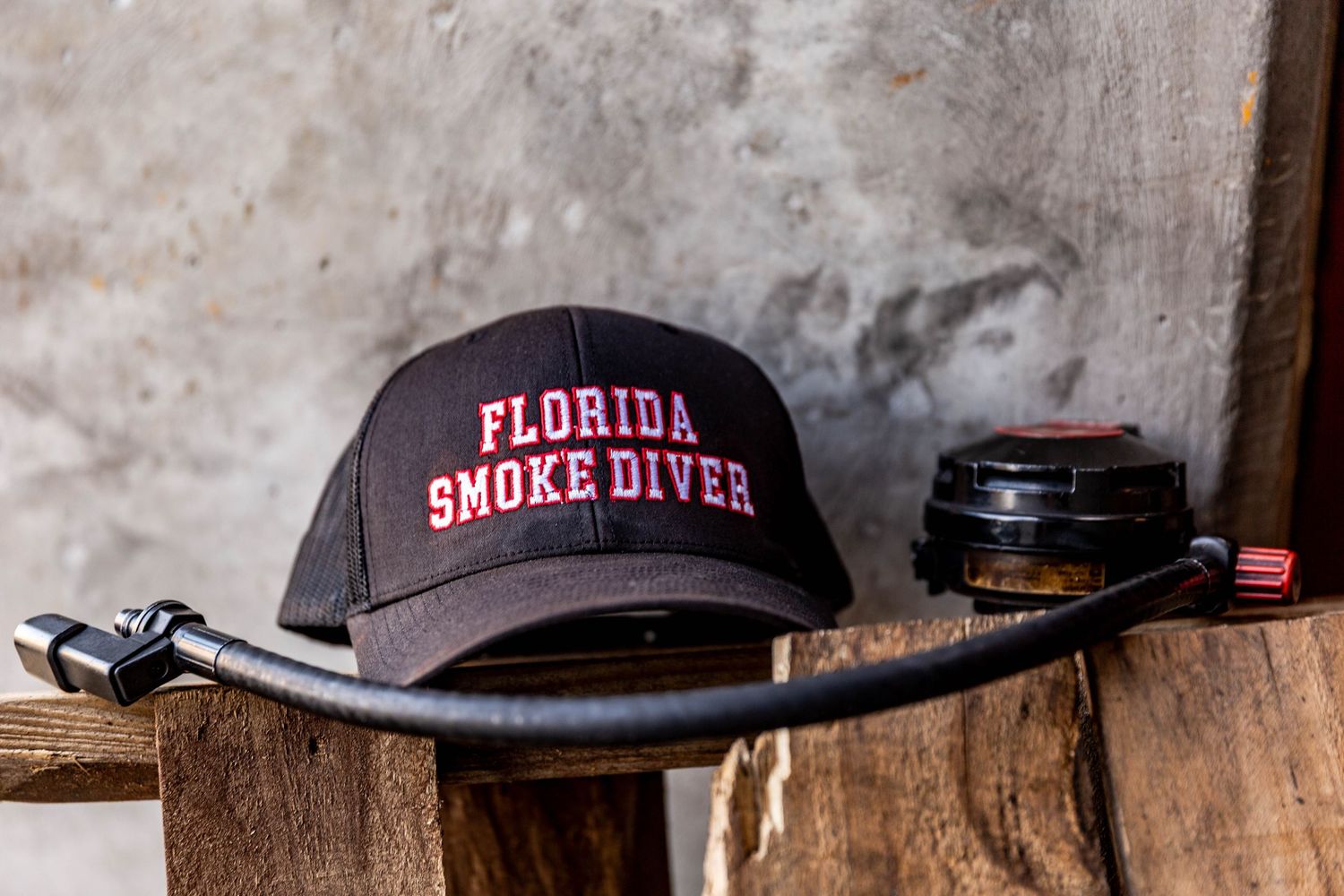
Some of the bravest, kindest, most grounded men and women I’ve ever met have come from the fire service. But bravery here isn’t loud. It’s steady. It’s built in the early mornings, the long shifts, and the quiet commitment to becoming better than you were yesterday. And then there’s another level — the level where being “good” isn’t enough. Growing up, my dad moved around in Special Ops, HazMat to Heavy Rescue. He wrote a rope guide now used in departments across Florida. He trained for hazmat and explosive scenarios in New Mexico, searched through the aftermath of hurricanes, and went to New York to stand beside one of his own who dug through the rubble looking for his brother and crew in the days following 9/11. I thought I understood intensity. I thought I understood high-level training. And yet, somehow, I had never heard of the Florida Smoke Divers. Some train for months. Some for years. Some don’t make it the first time, or the second, or the third. They go back to work. Back to training. Back to carrying the weight of knowing how close they were and how far they still have to go.
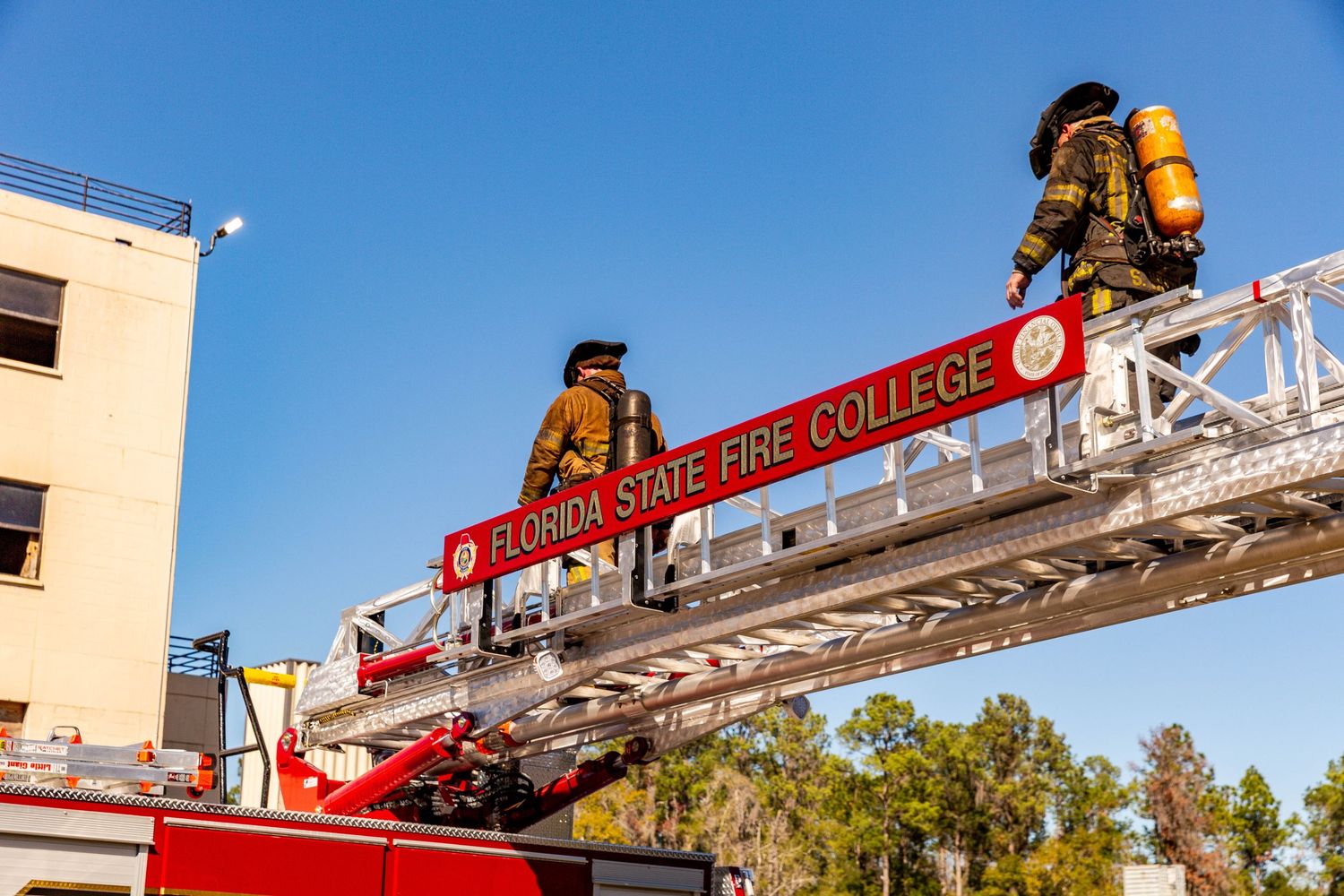
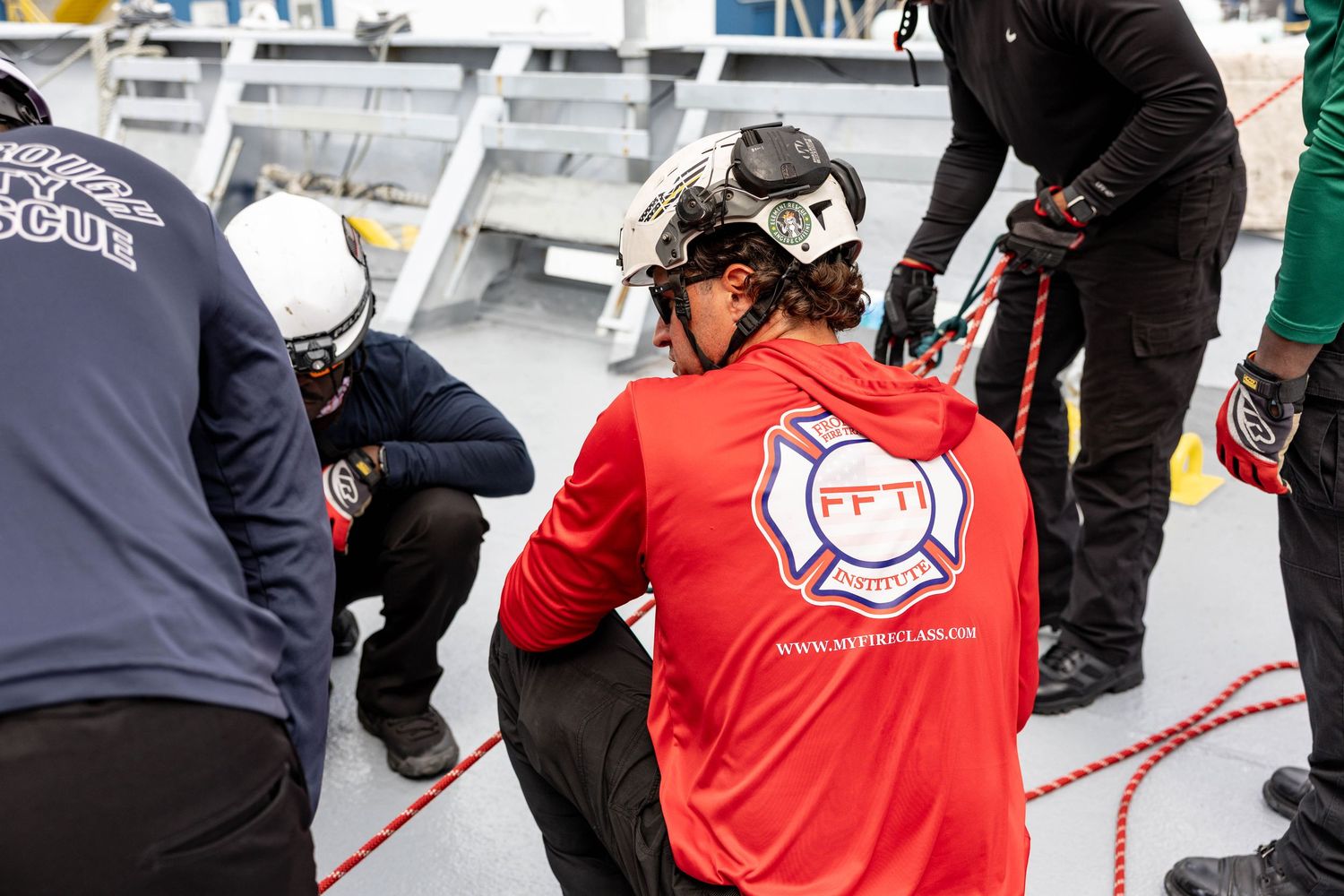
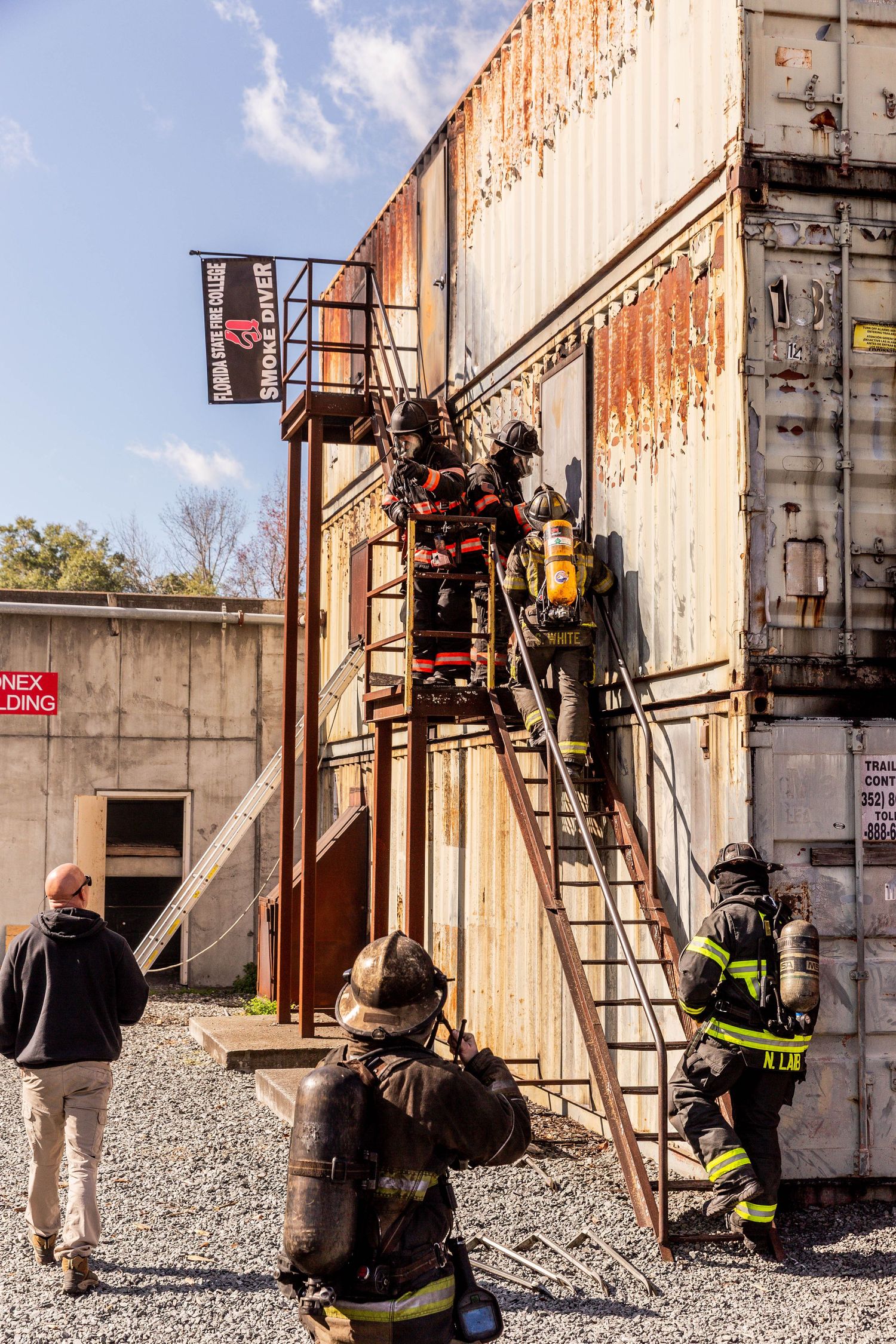
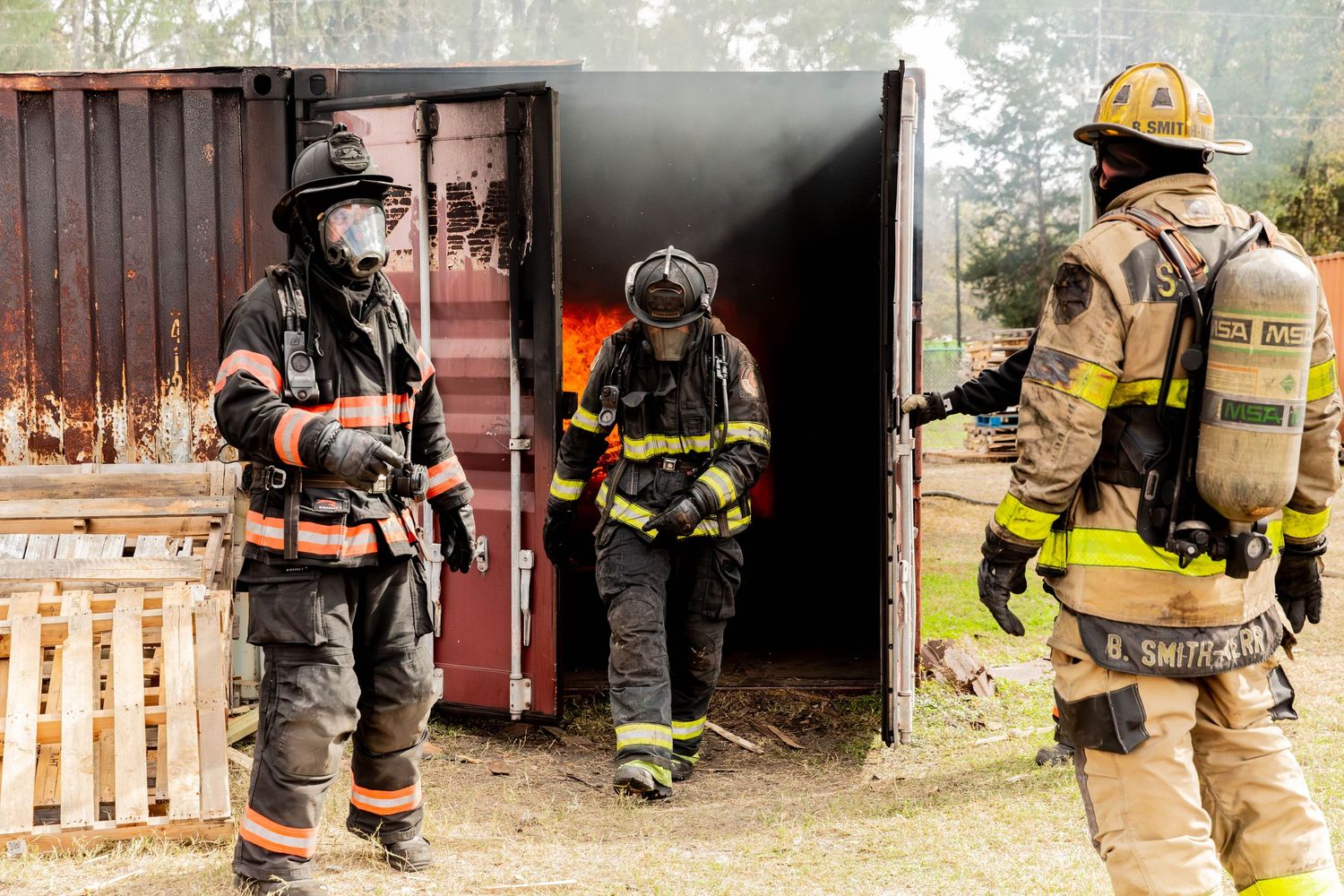
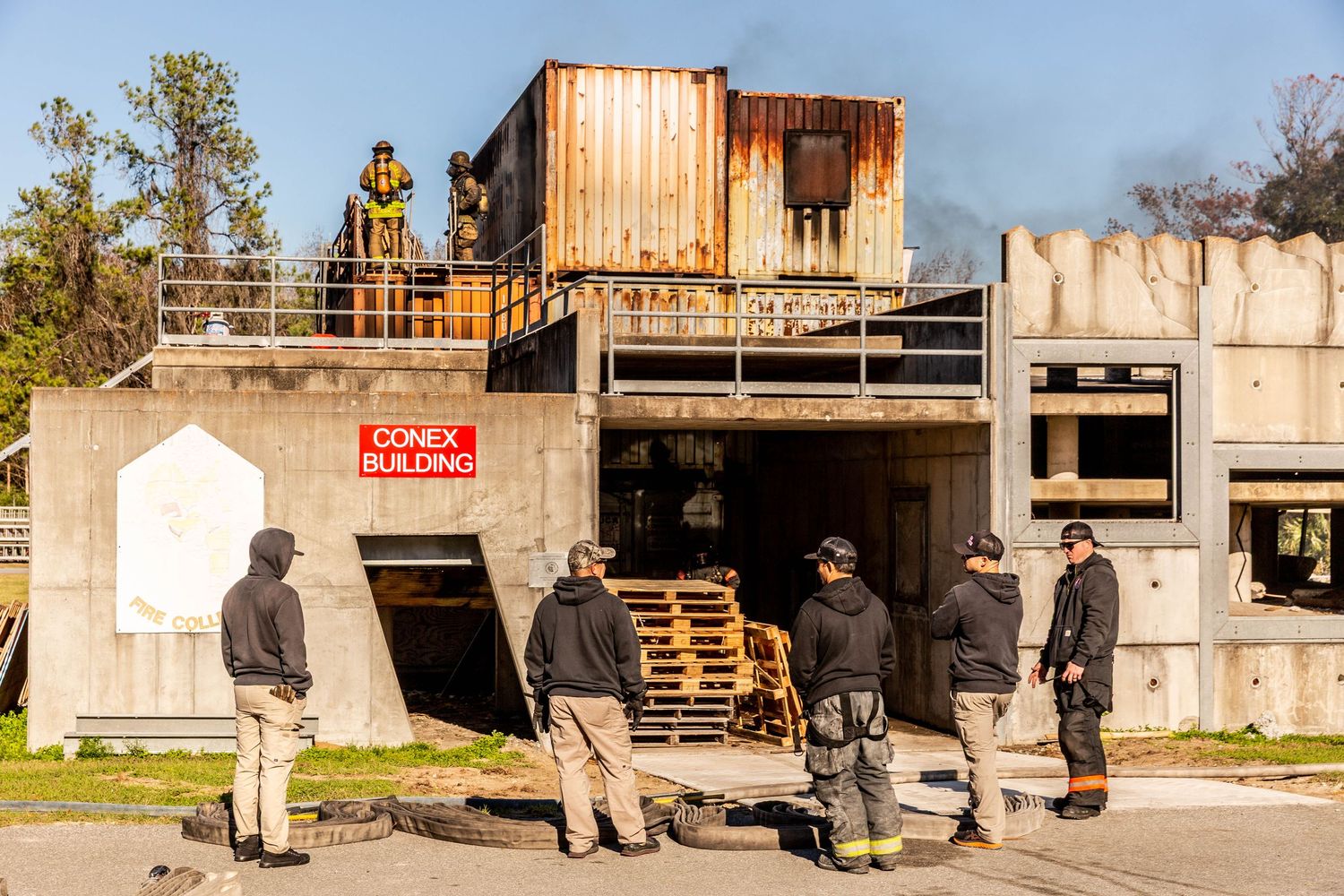
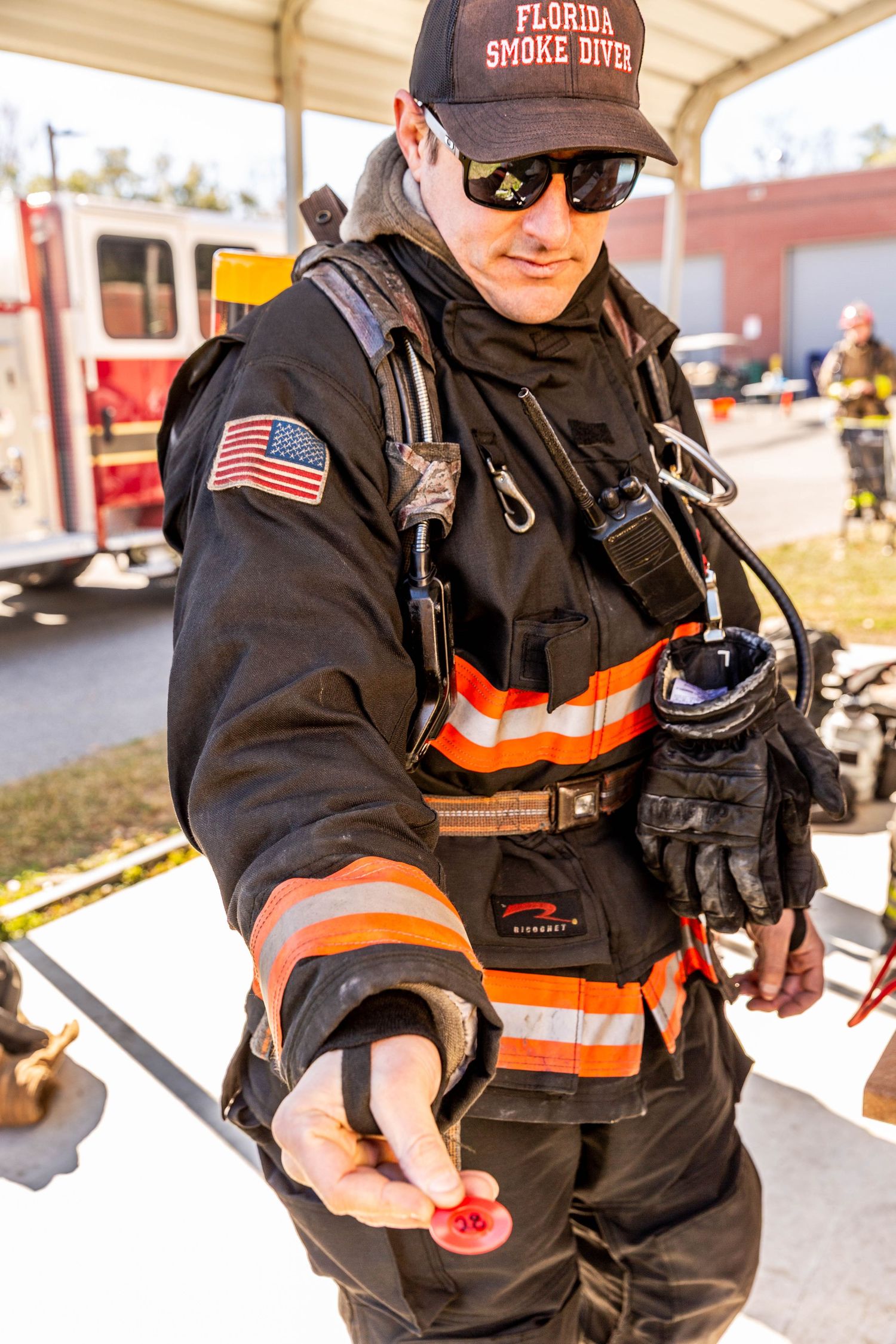
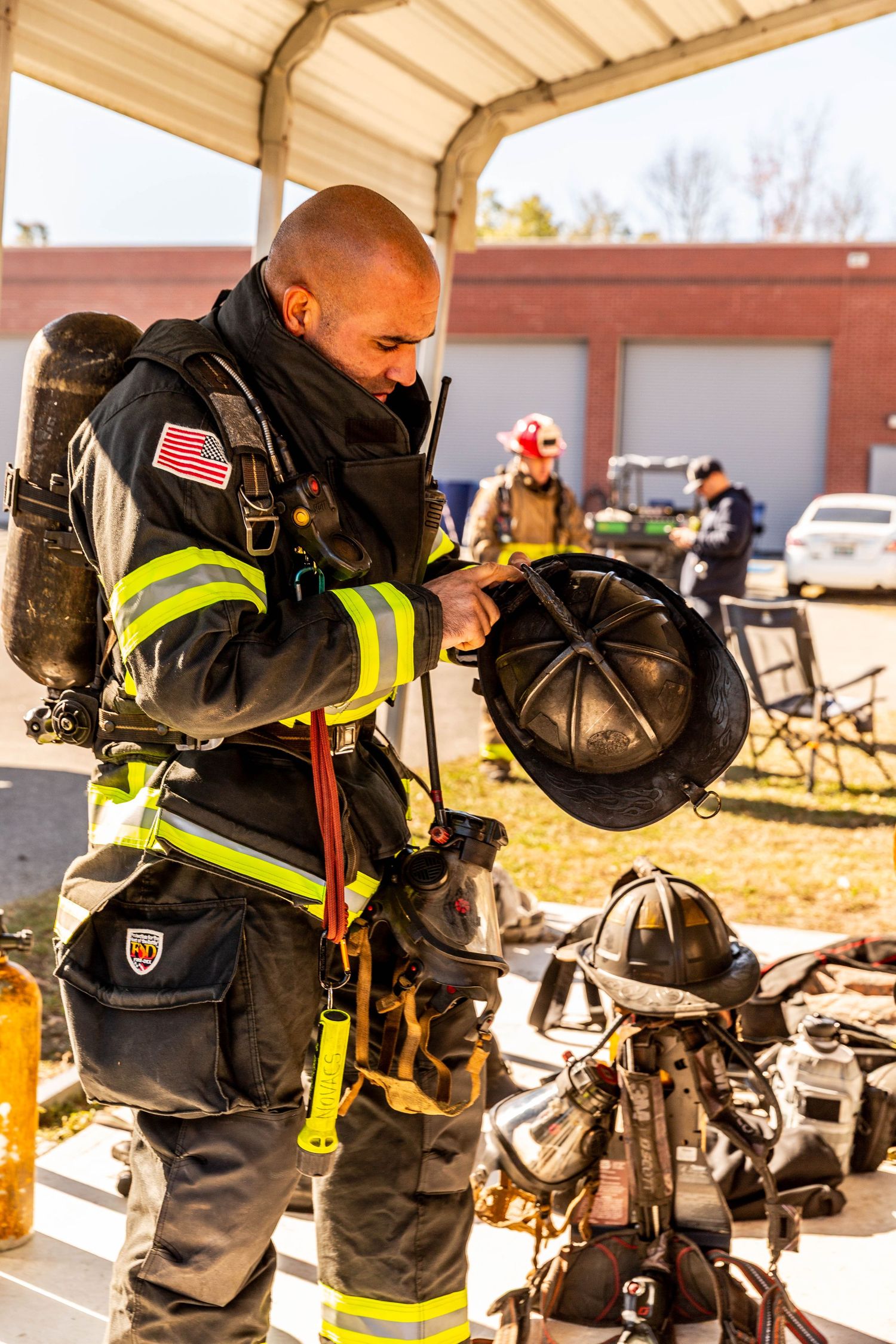
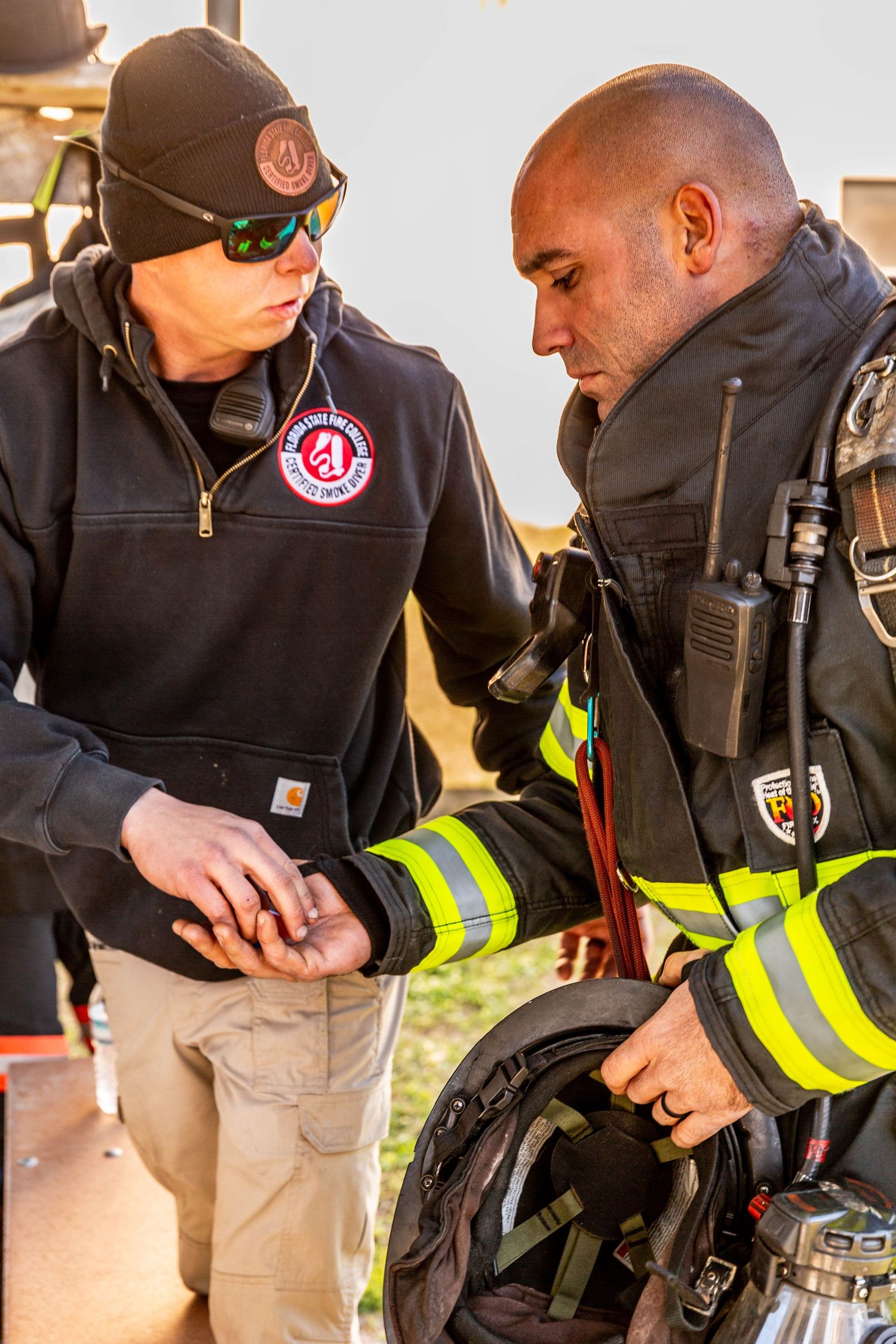
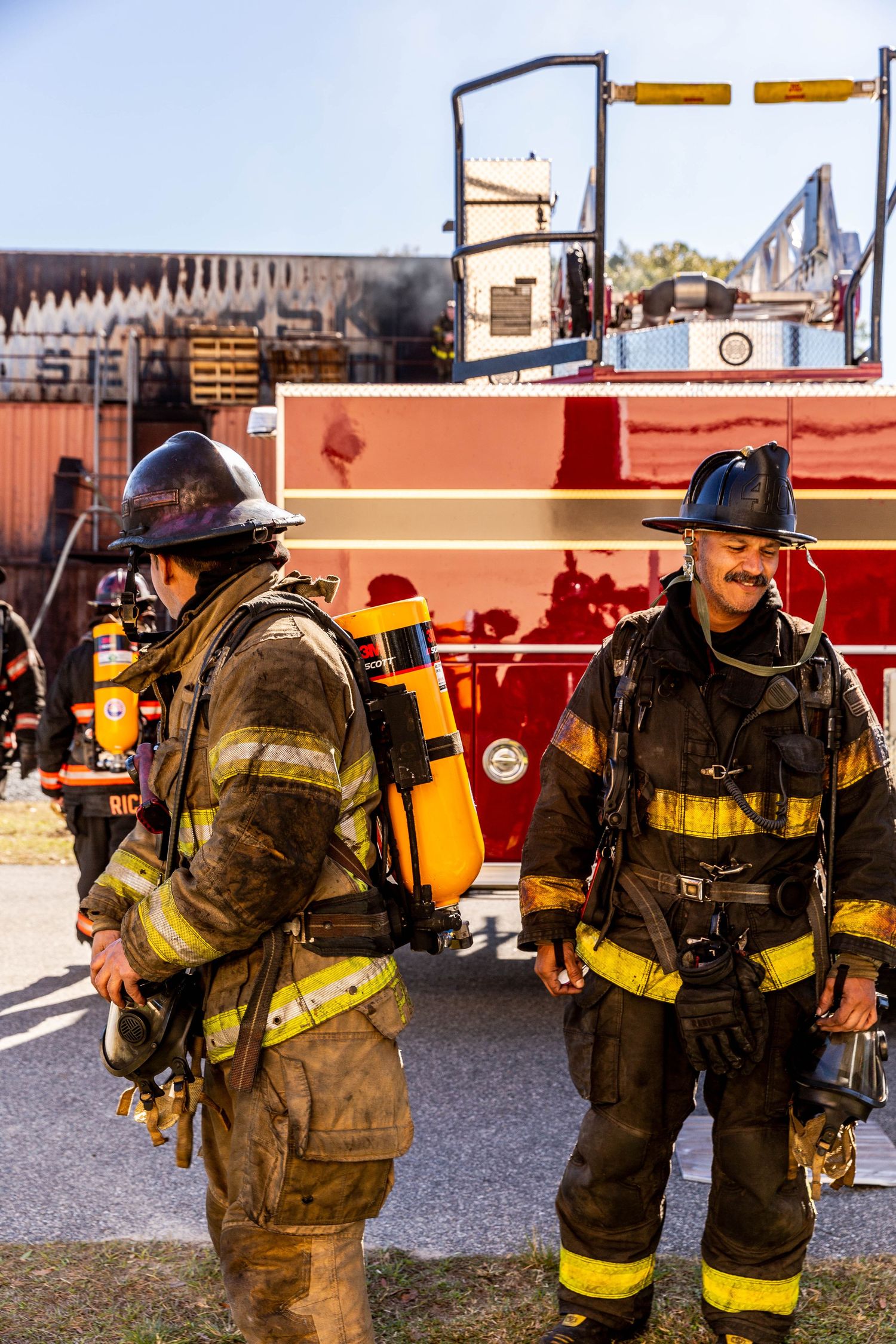
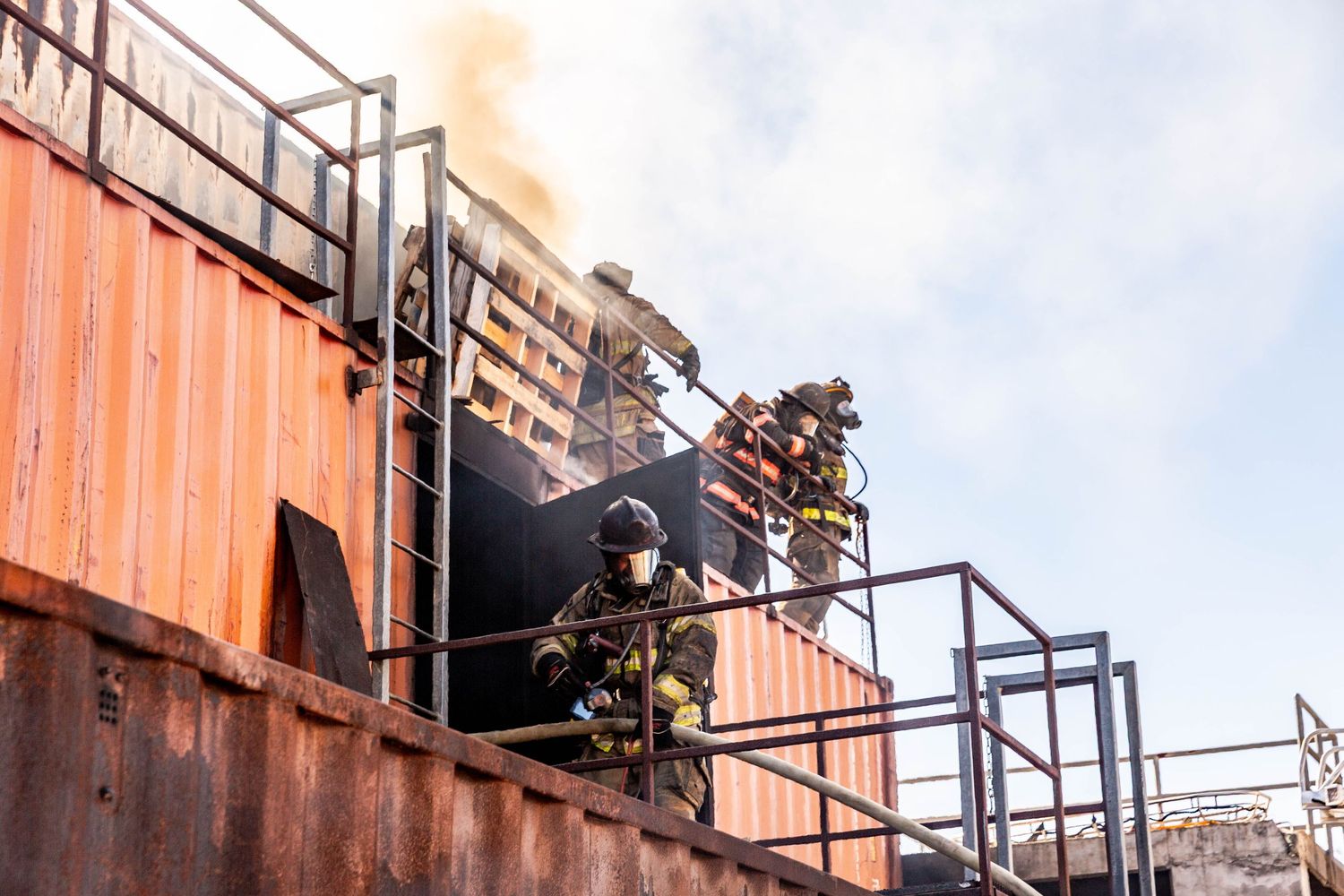
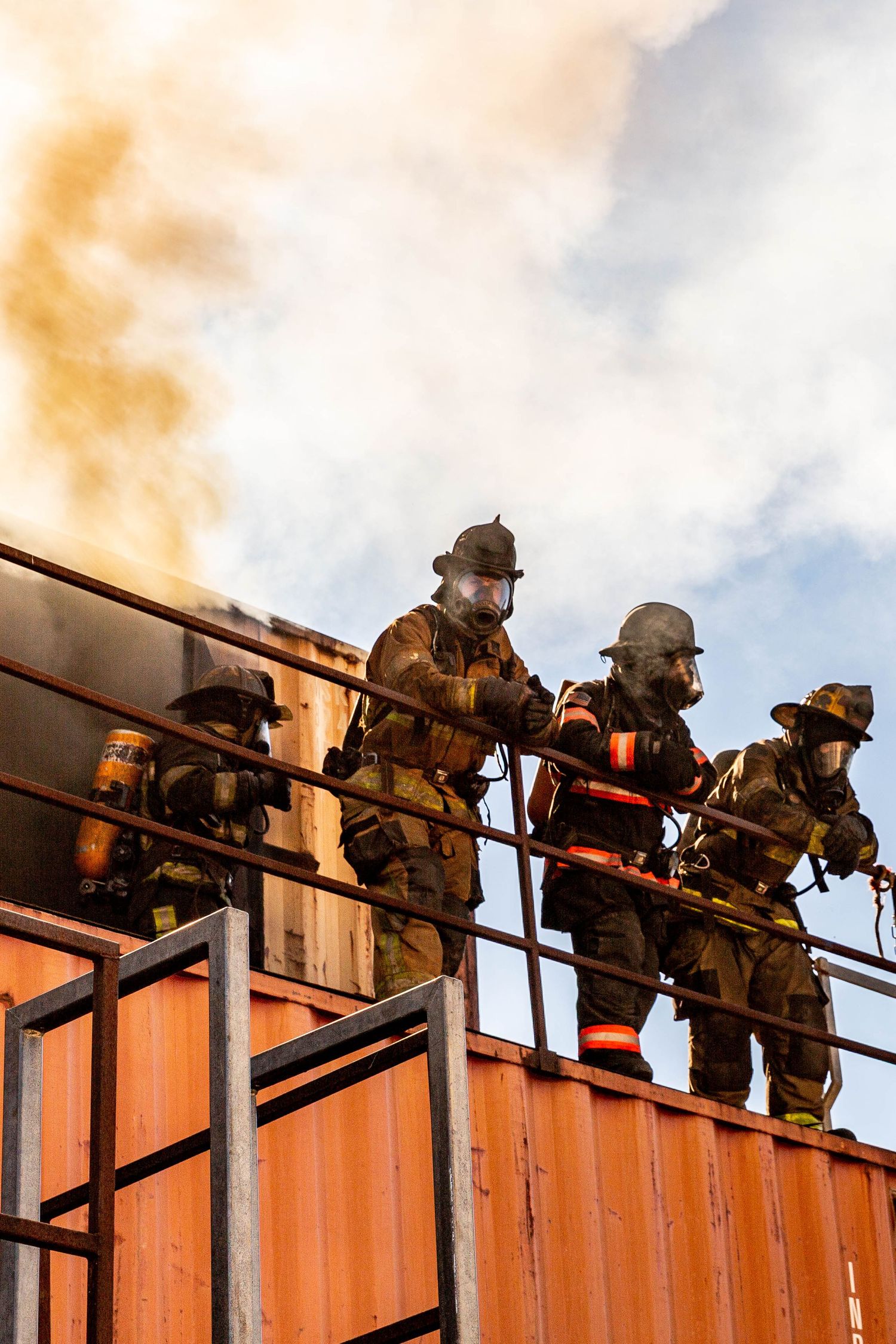
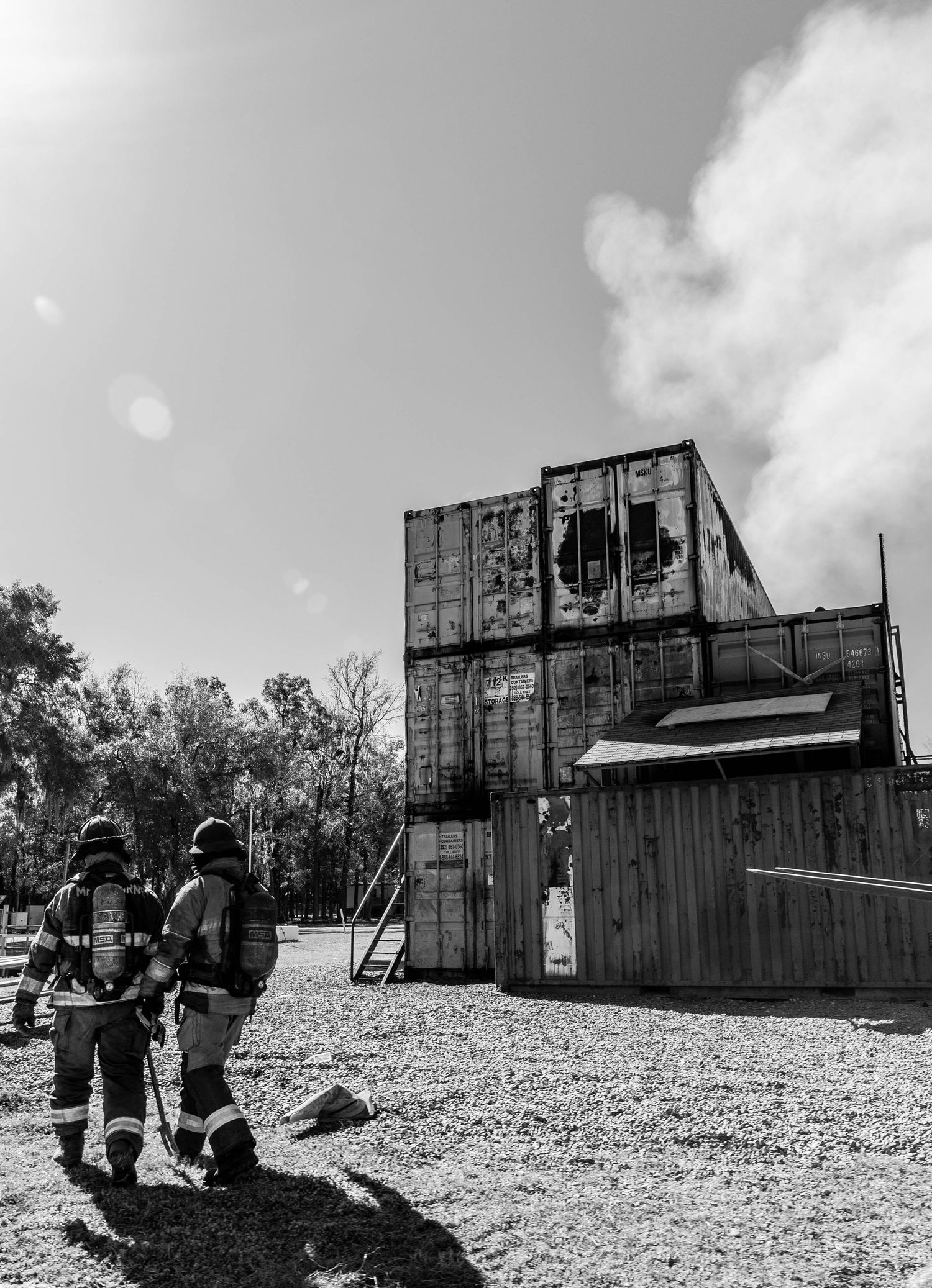
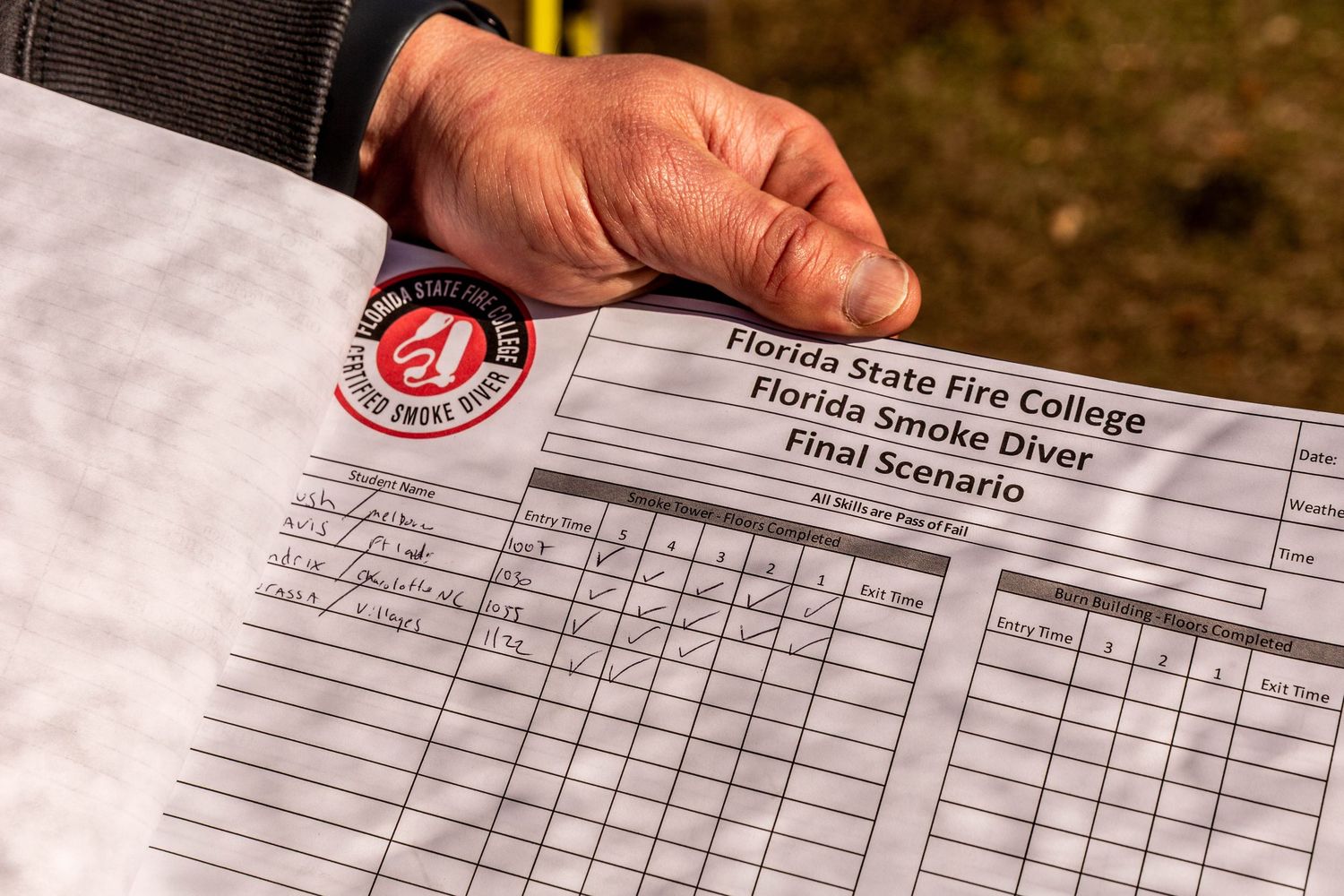
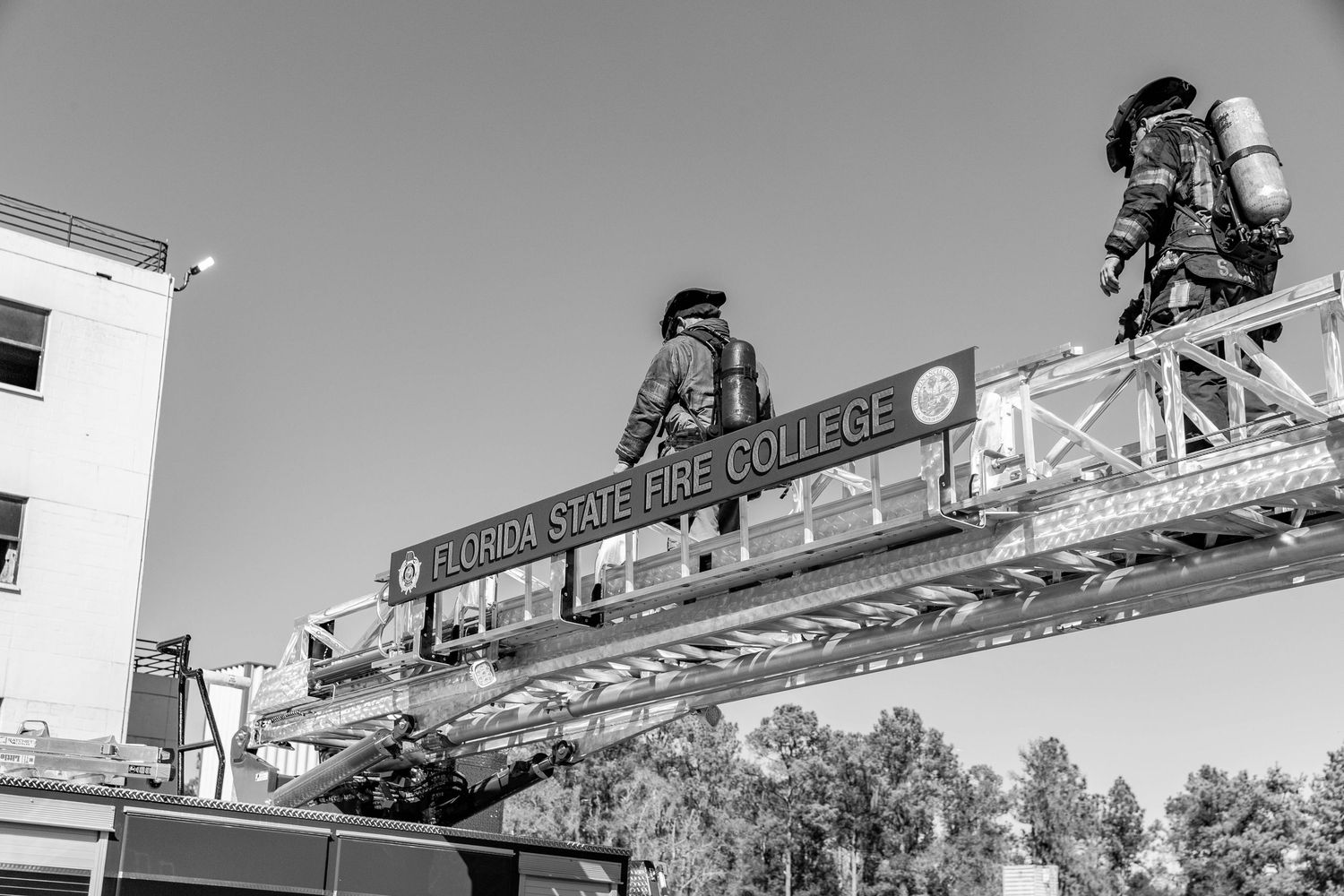
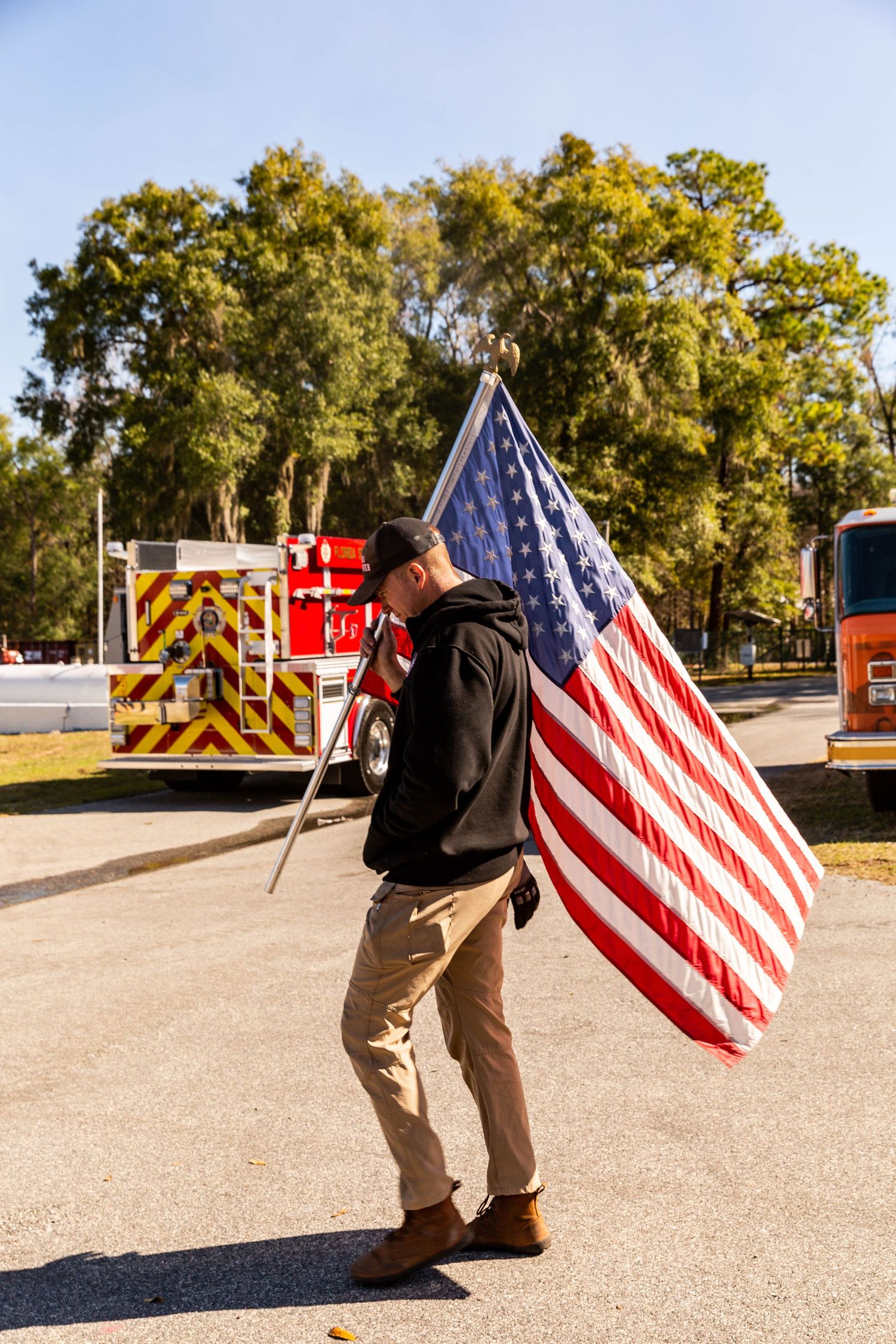
One day I jokingly told a friend, who is a seasoned Smoke Diver — “If you ever want pictures of the cool stuff that you guys do…”, I didn’t expect to be invited in. I certainly didn’t understand the magnitude of what that week would hold. Not many people get to stand on those grounds while candidates endure one of the toughest courses of their careers. I walked in without researching it, without studying the evolutions, without fully grasping the physical and mental demand layered into every single day.
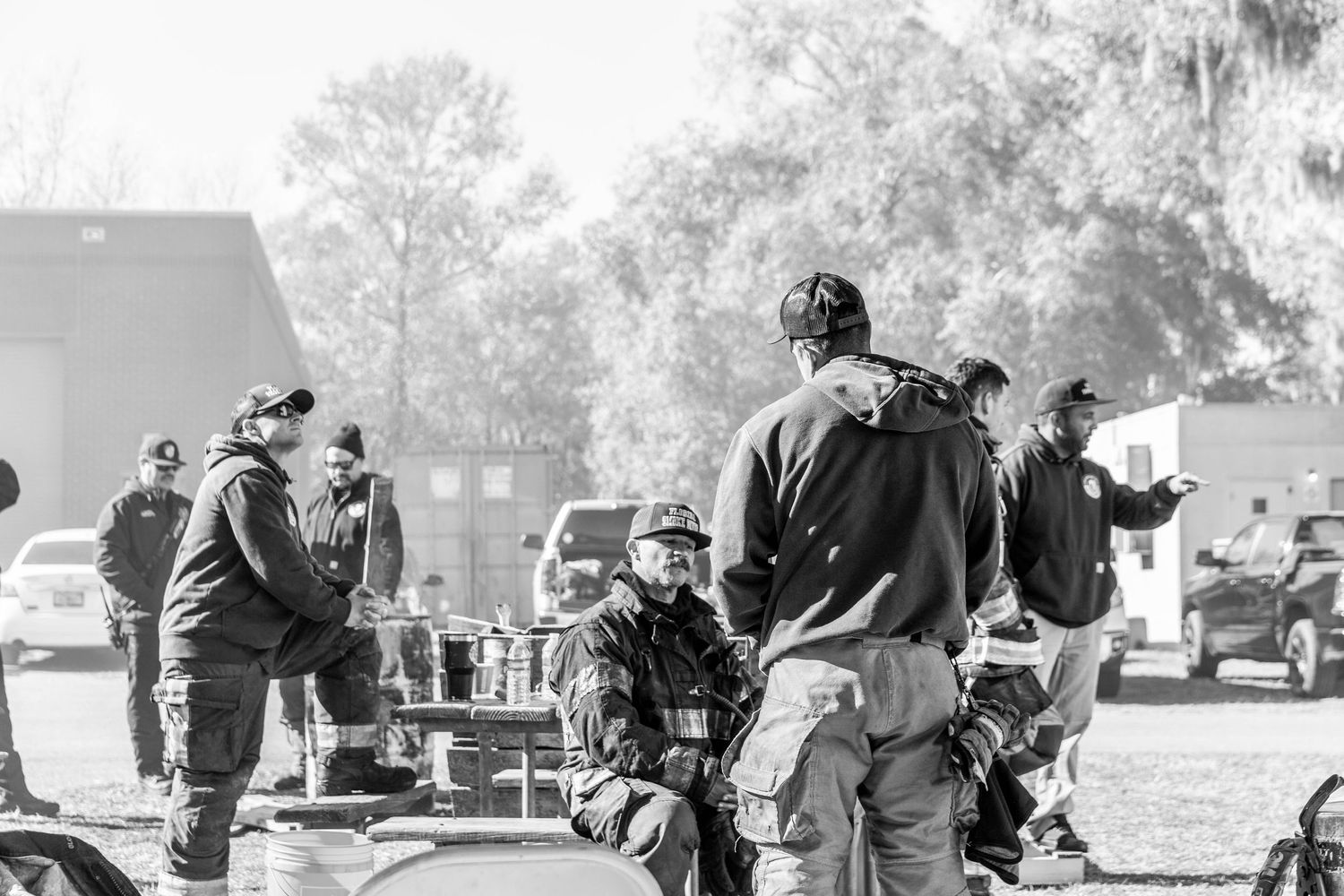
What struck me first wasn’t the drills. It was the atmosphere.
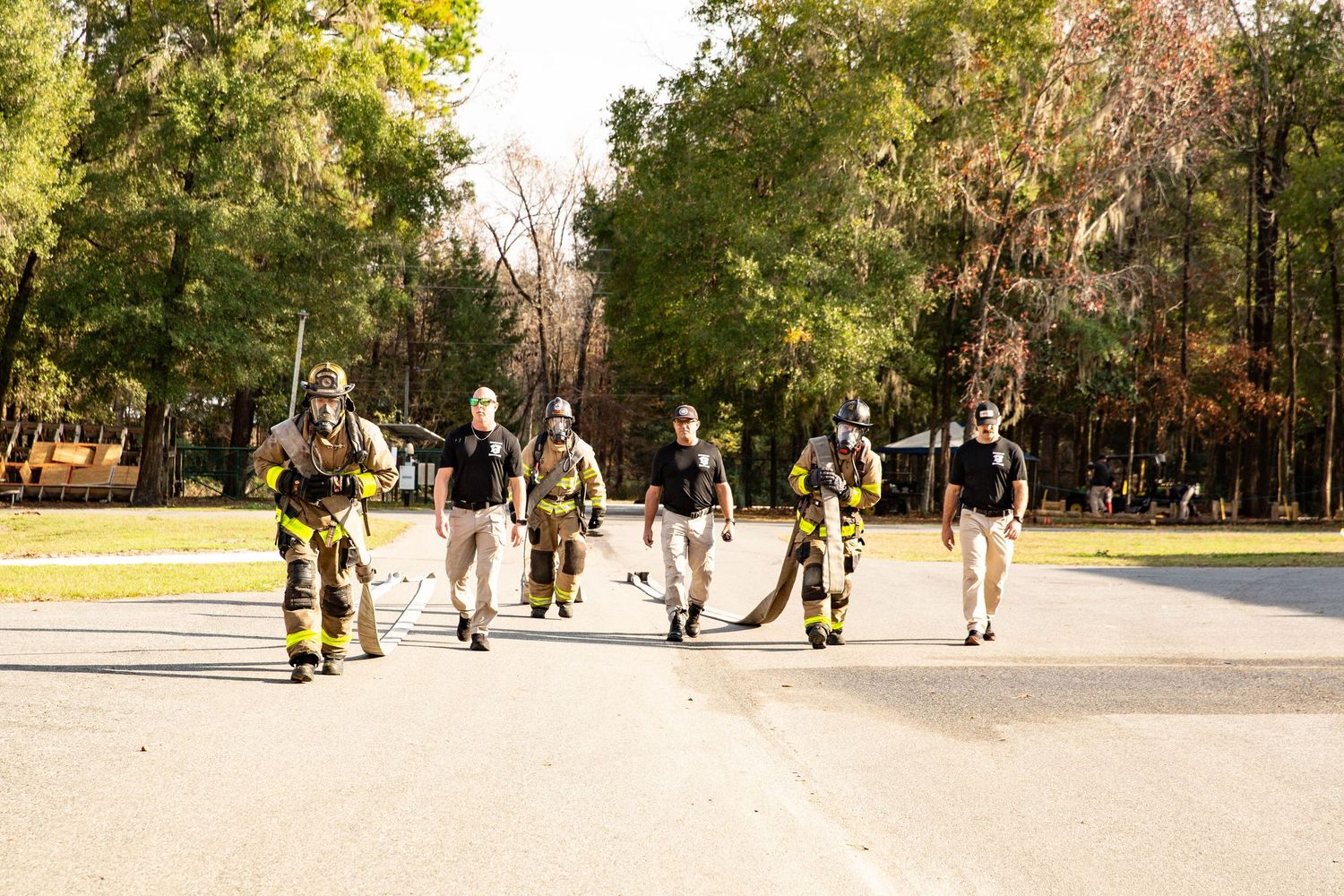
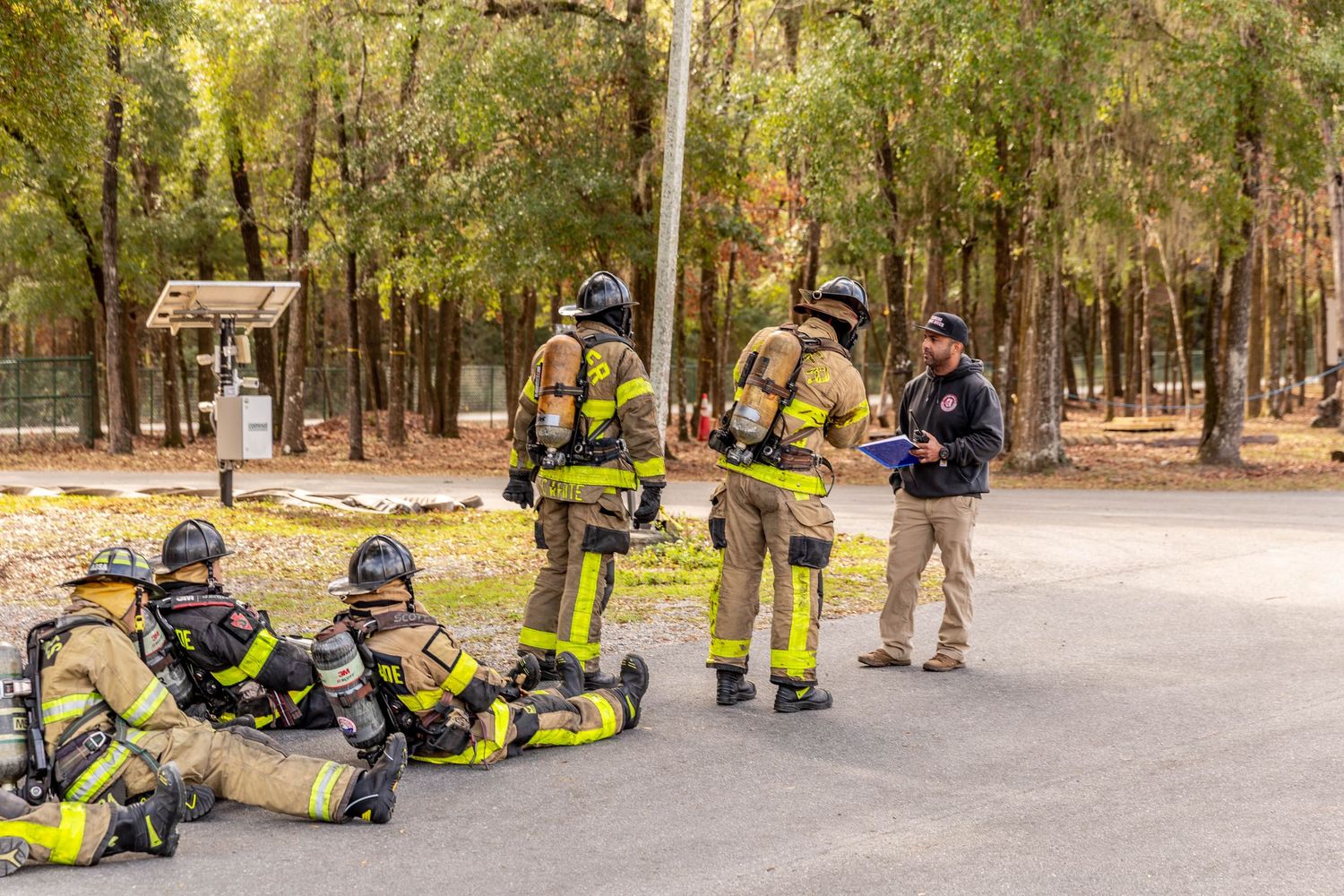
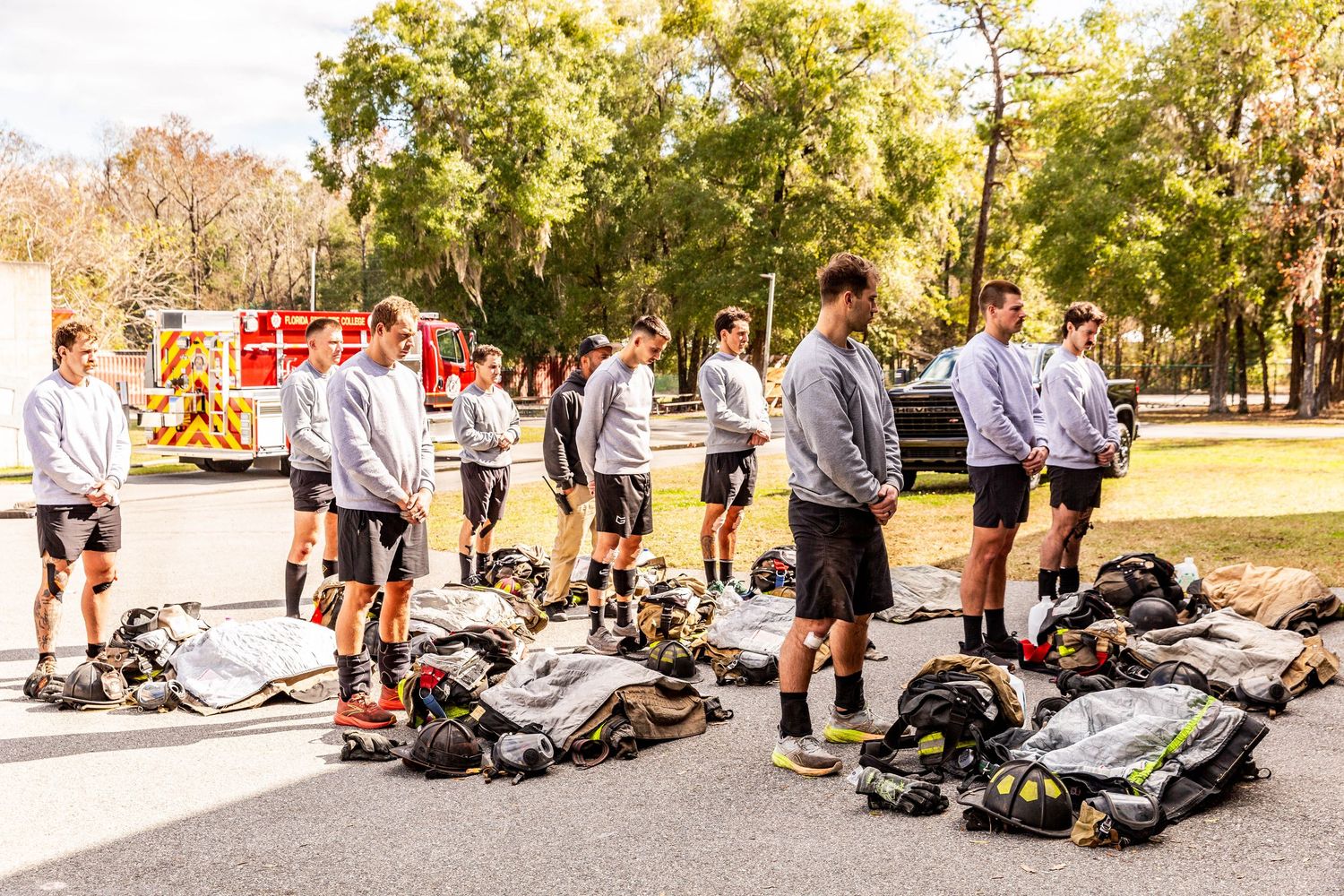
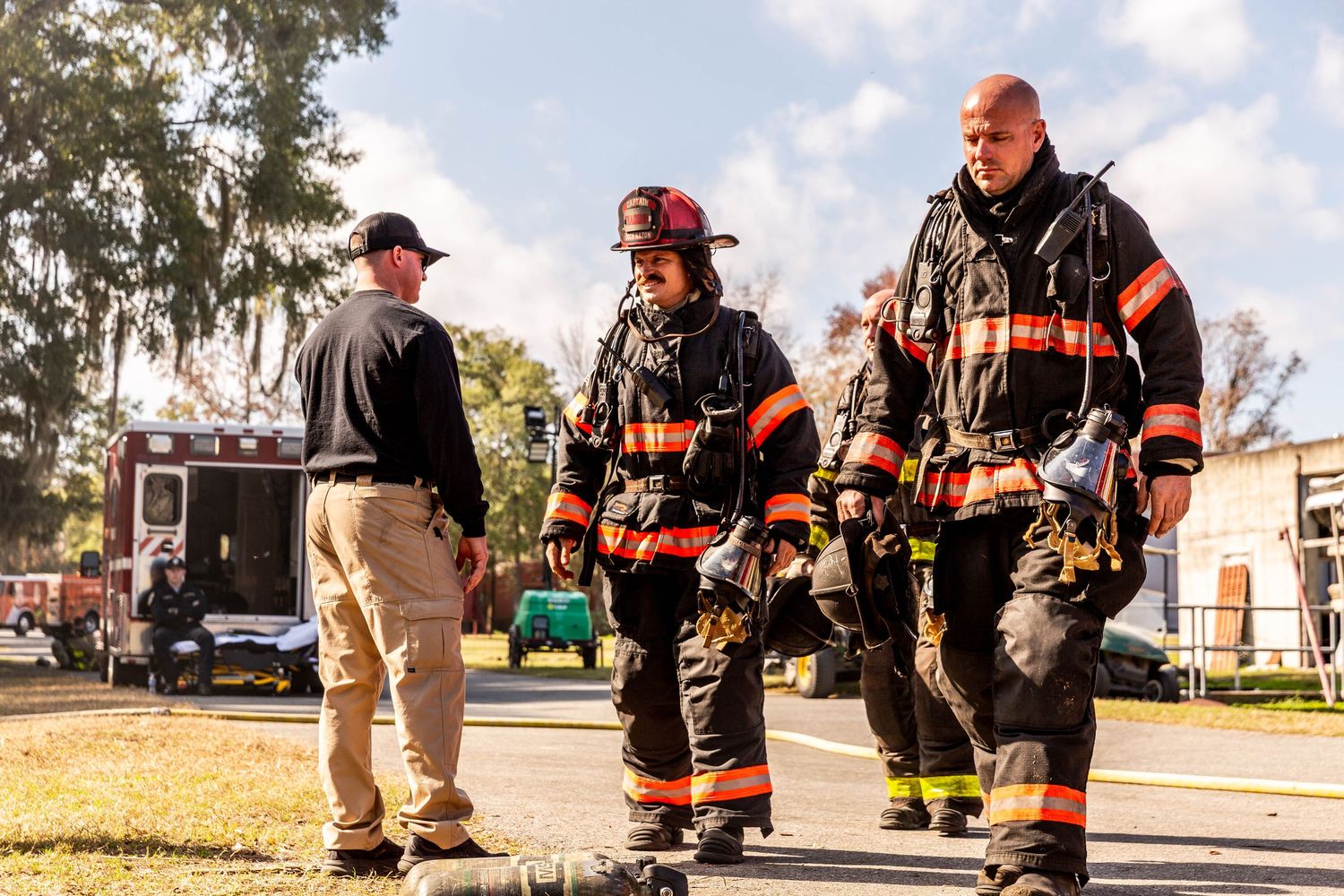
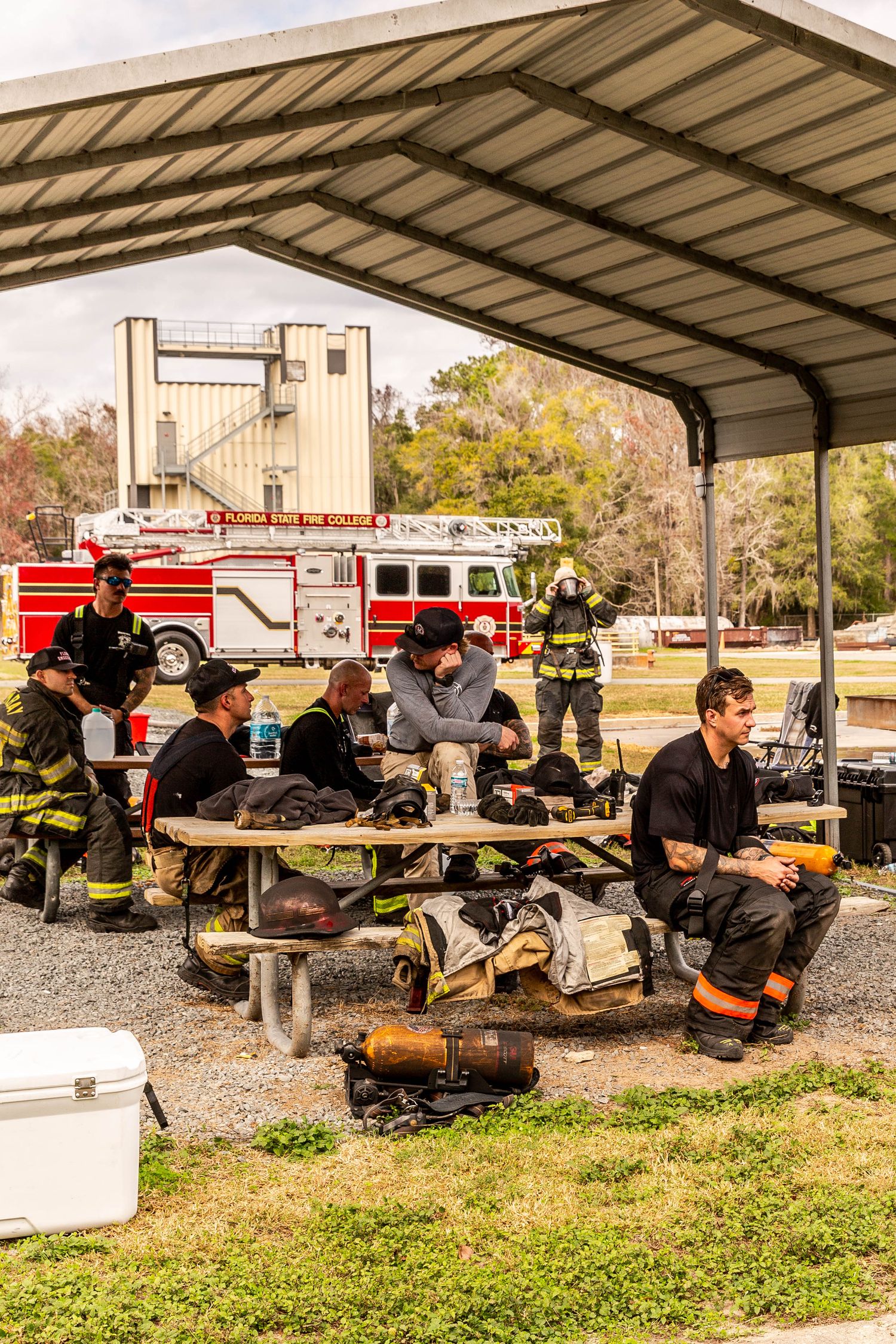
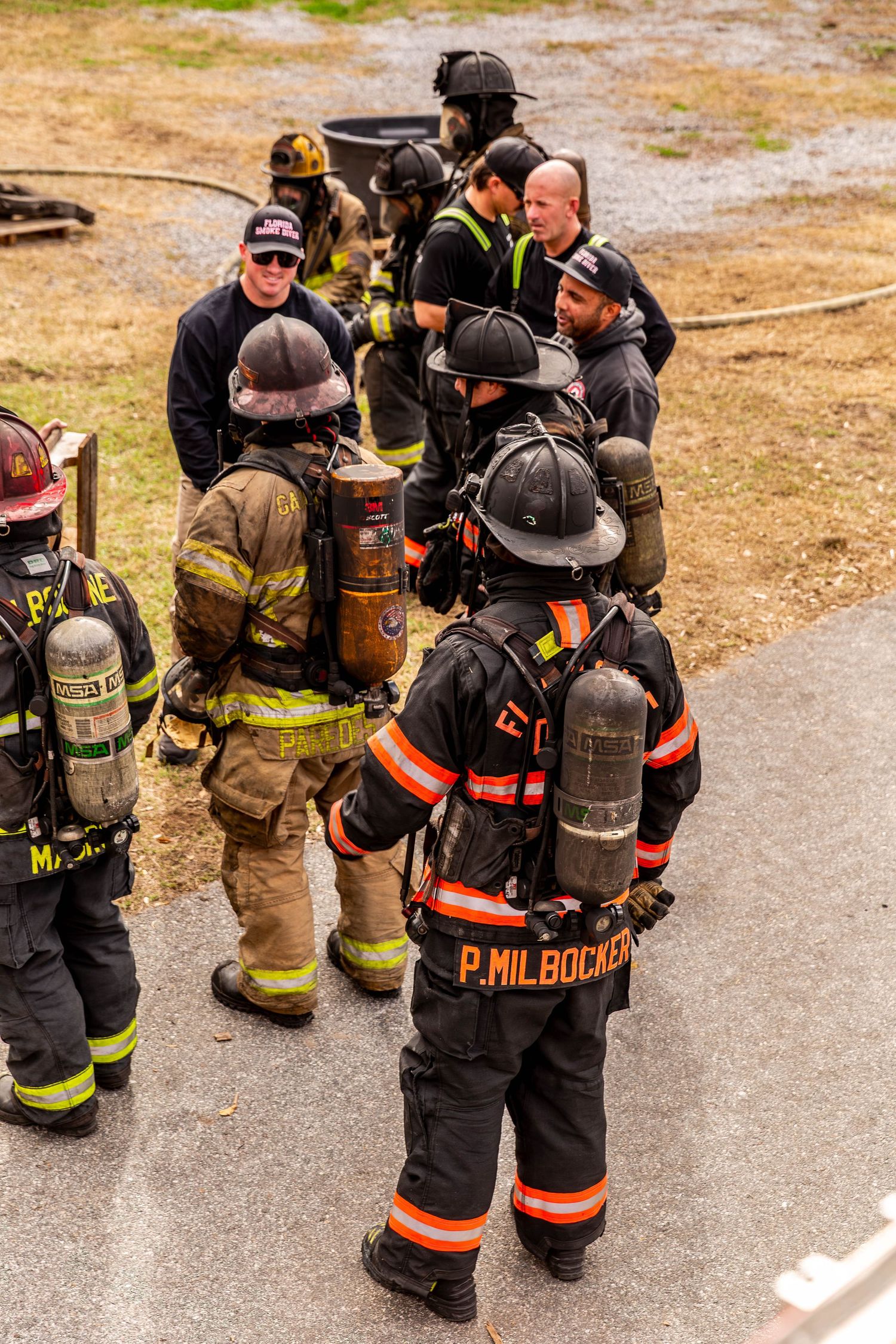
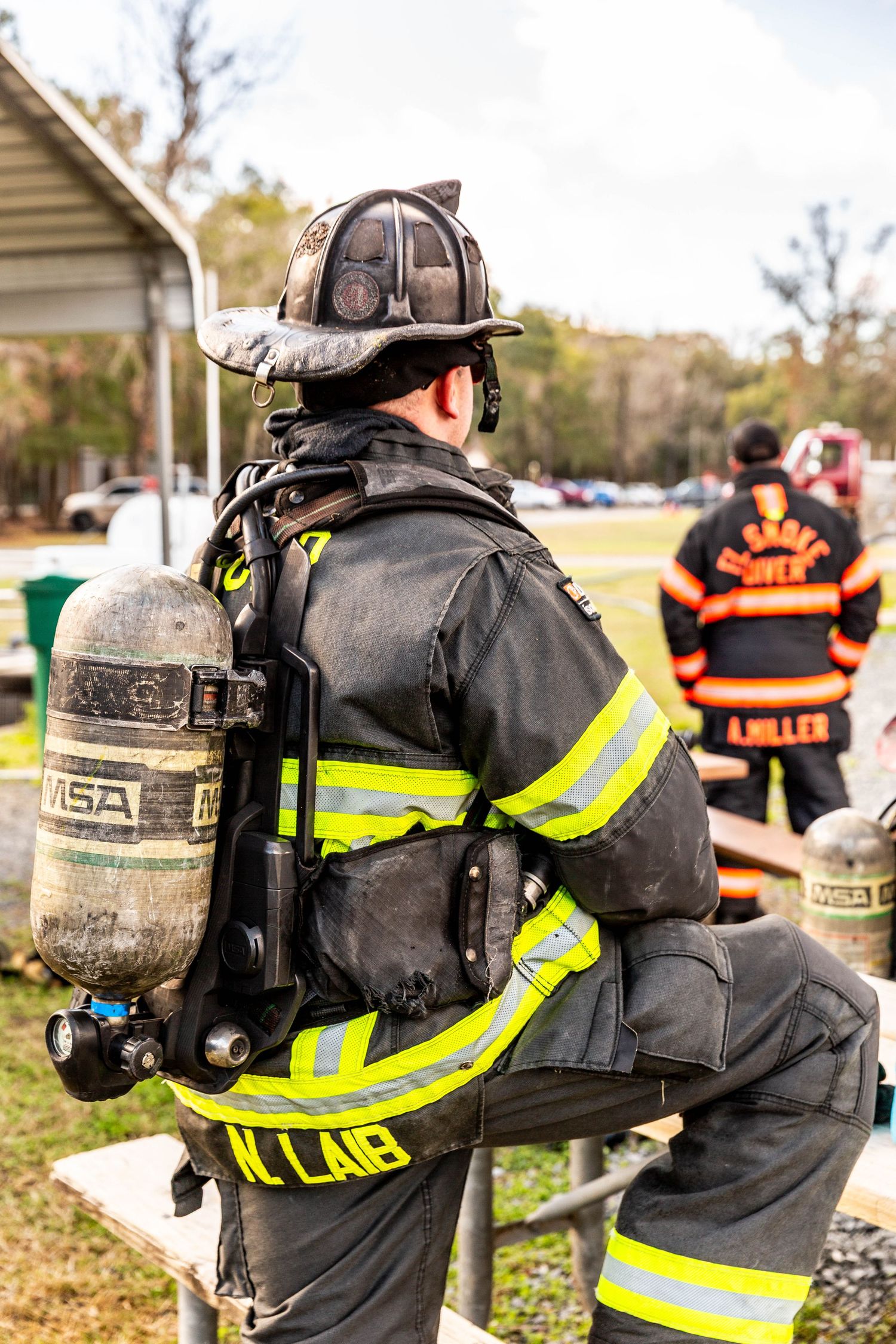
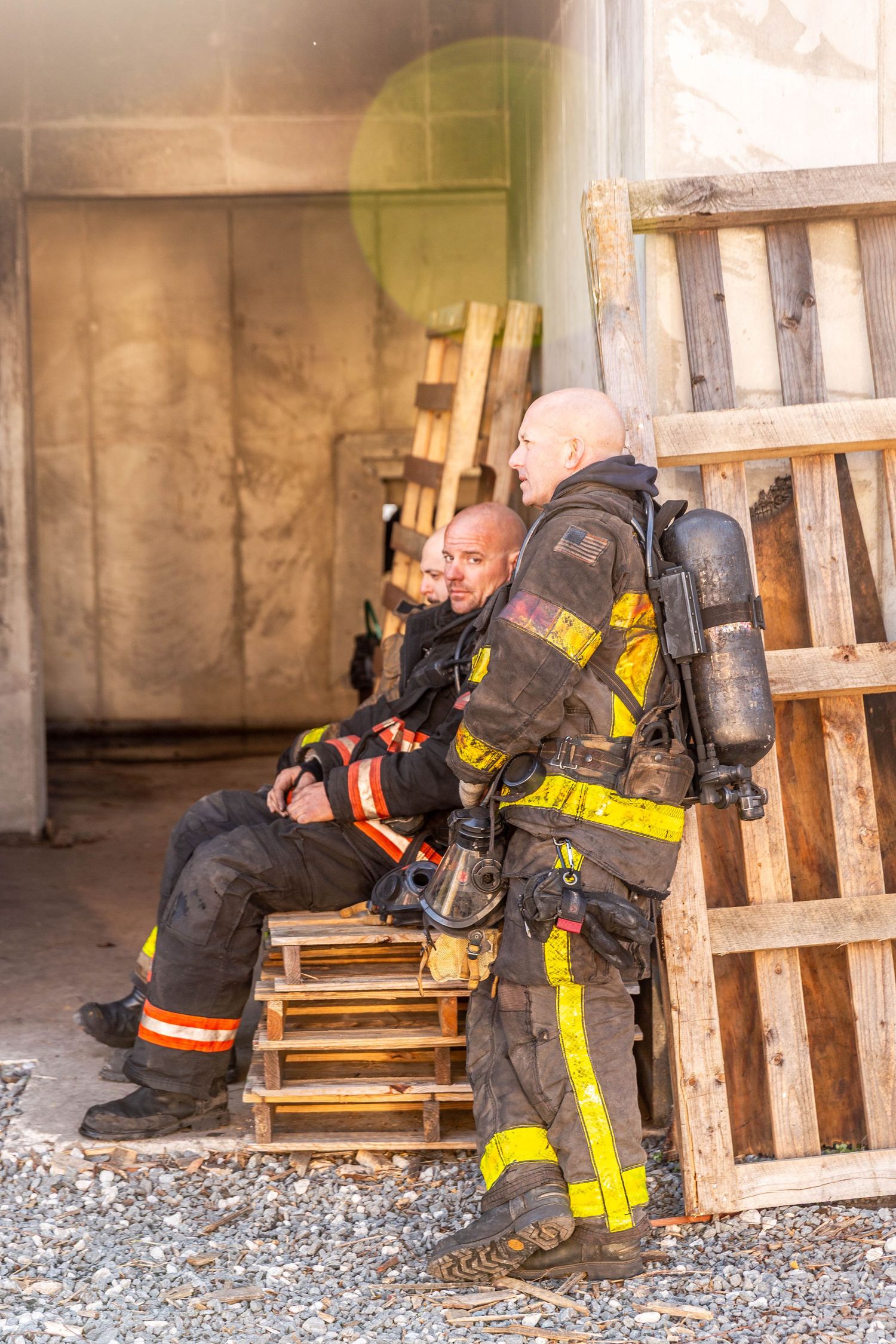
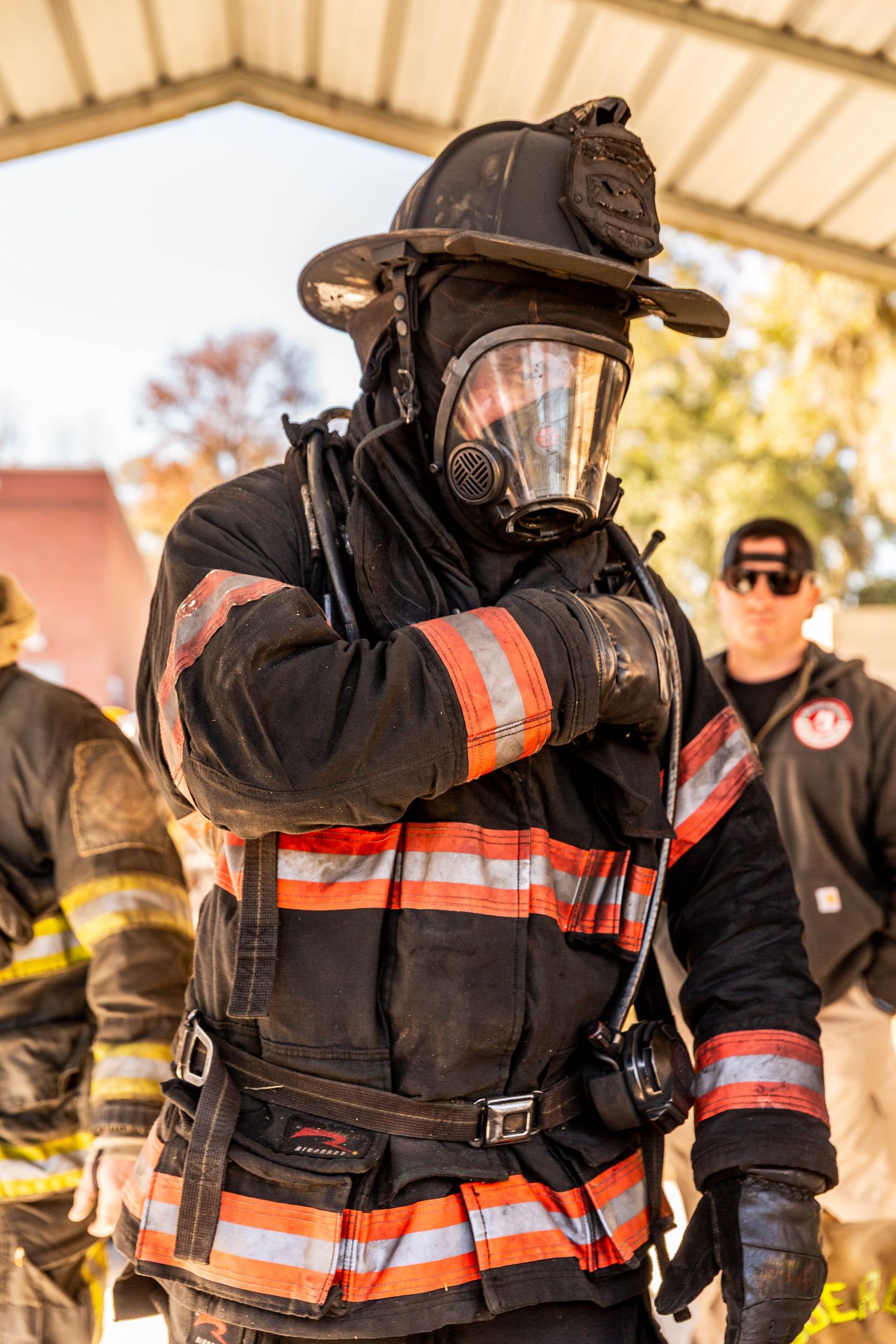
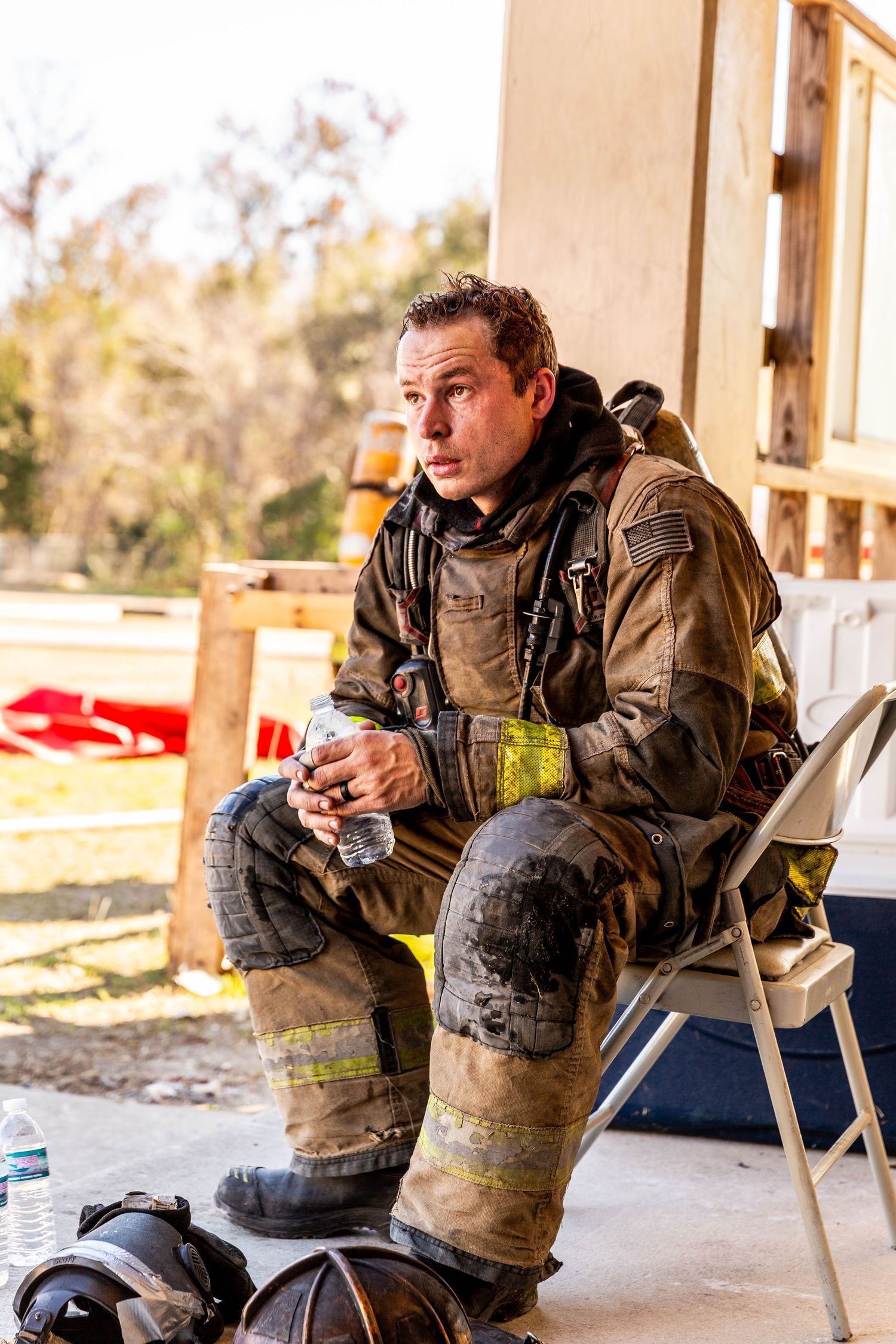
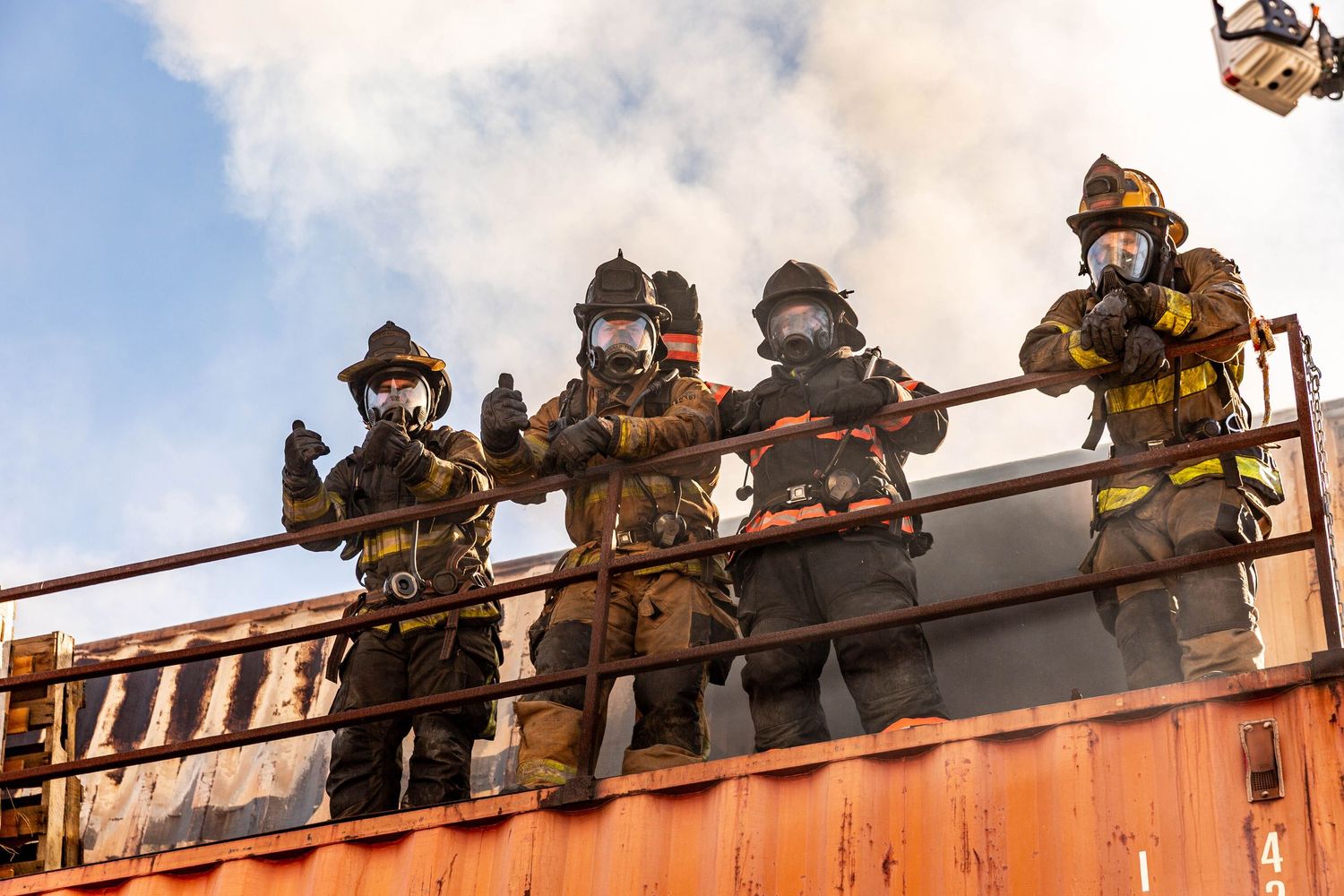
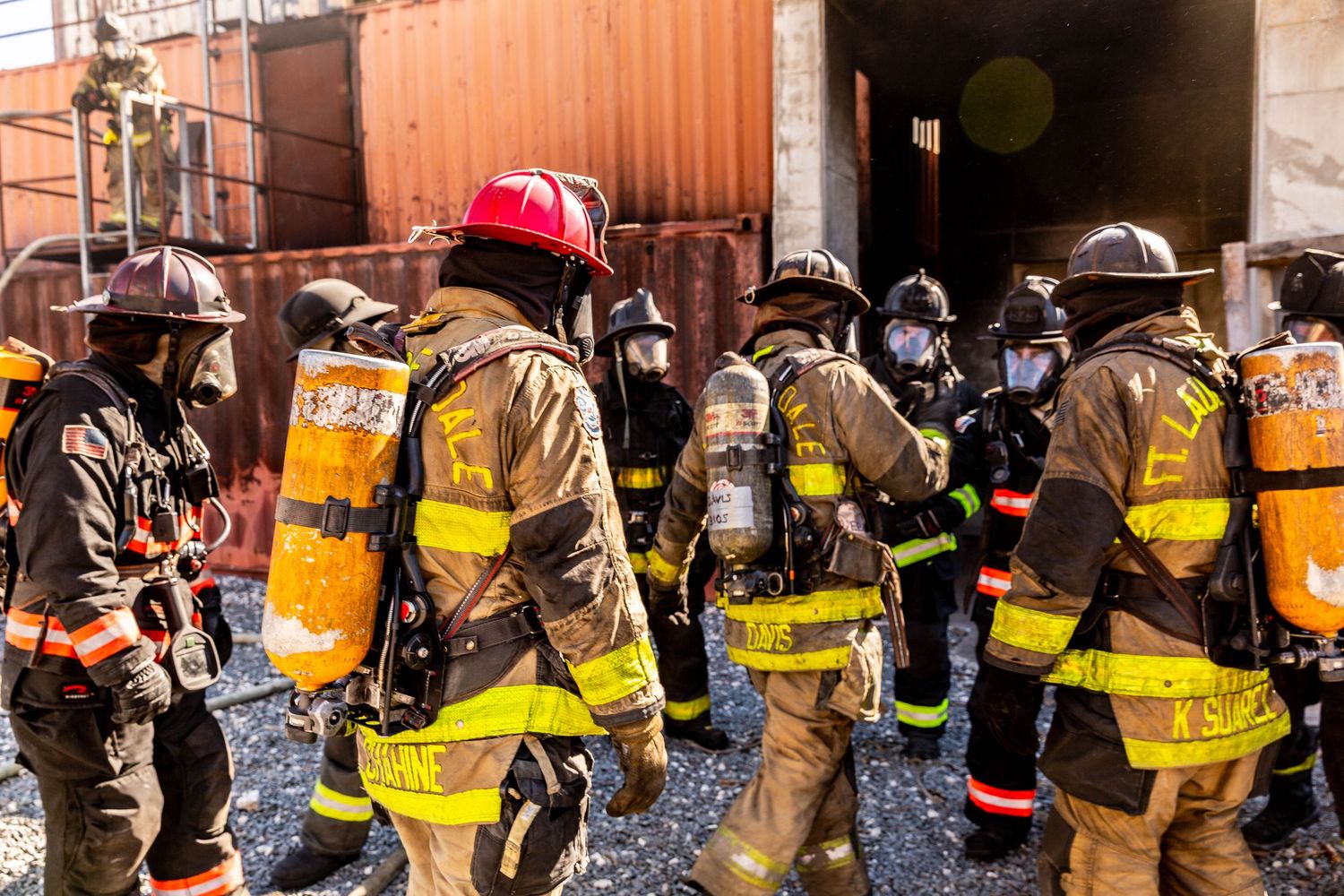
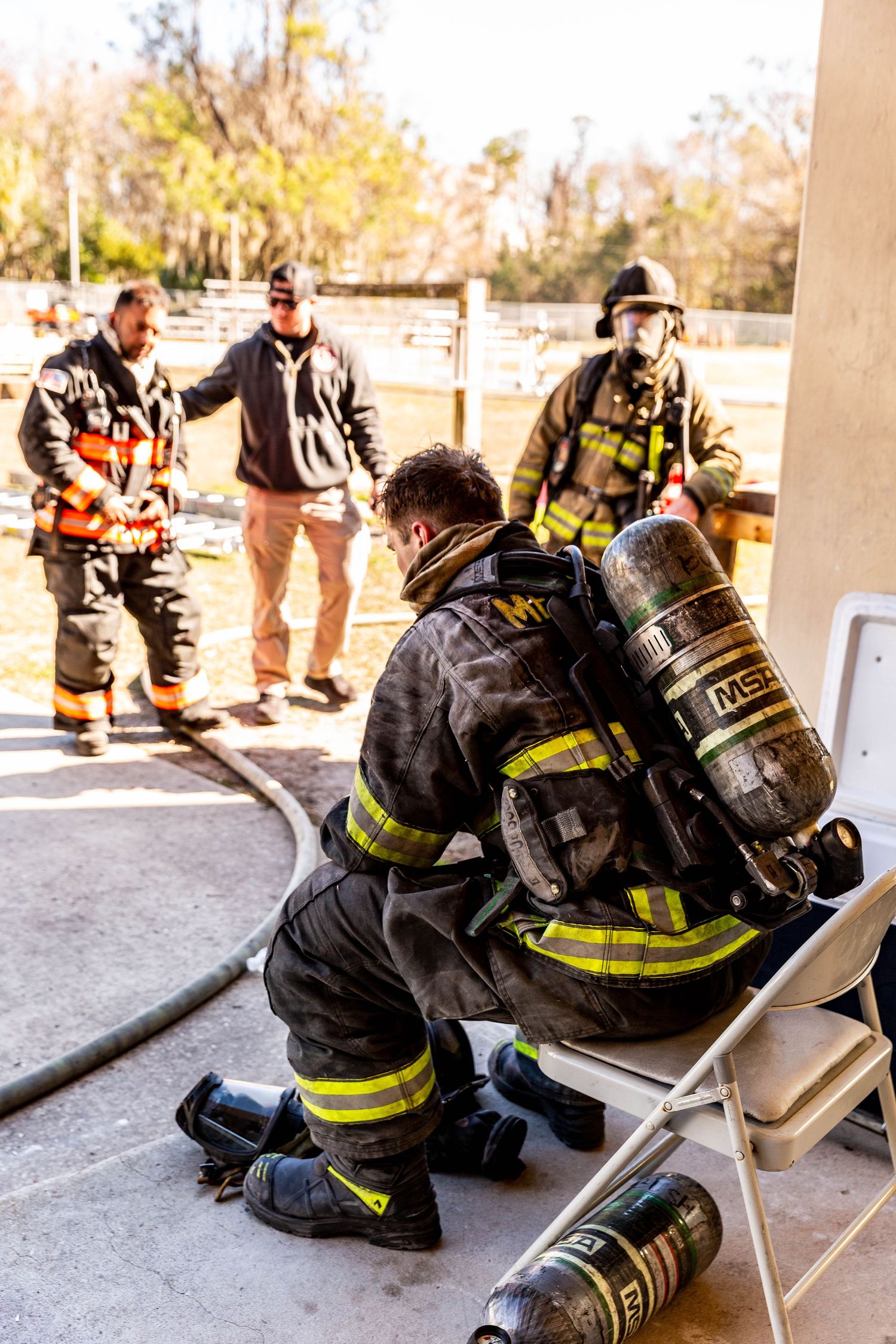
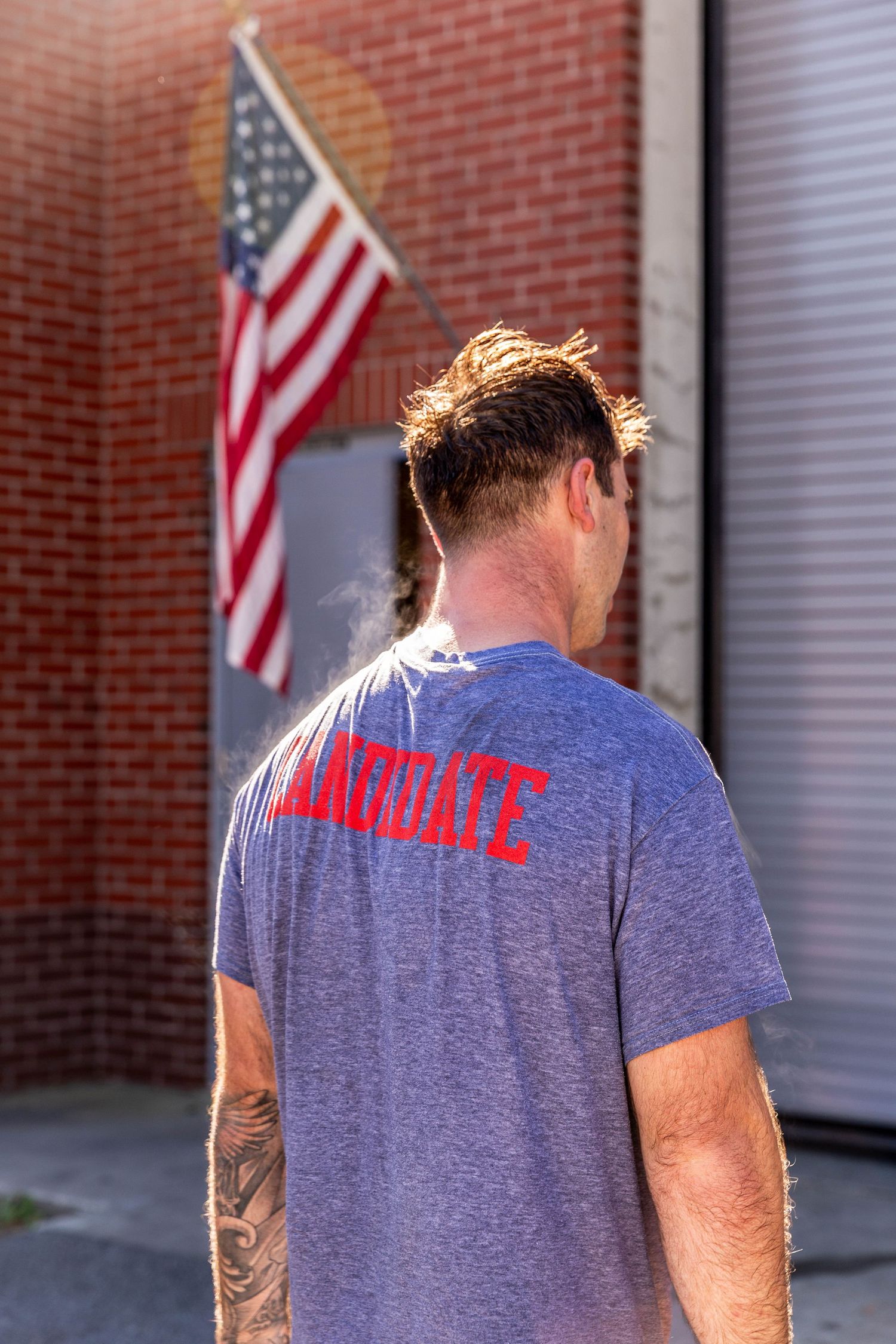
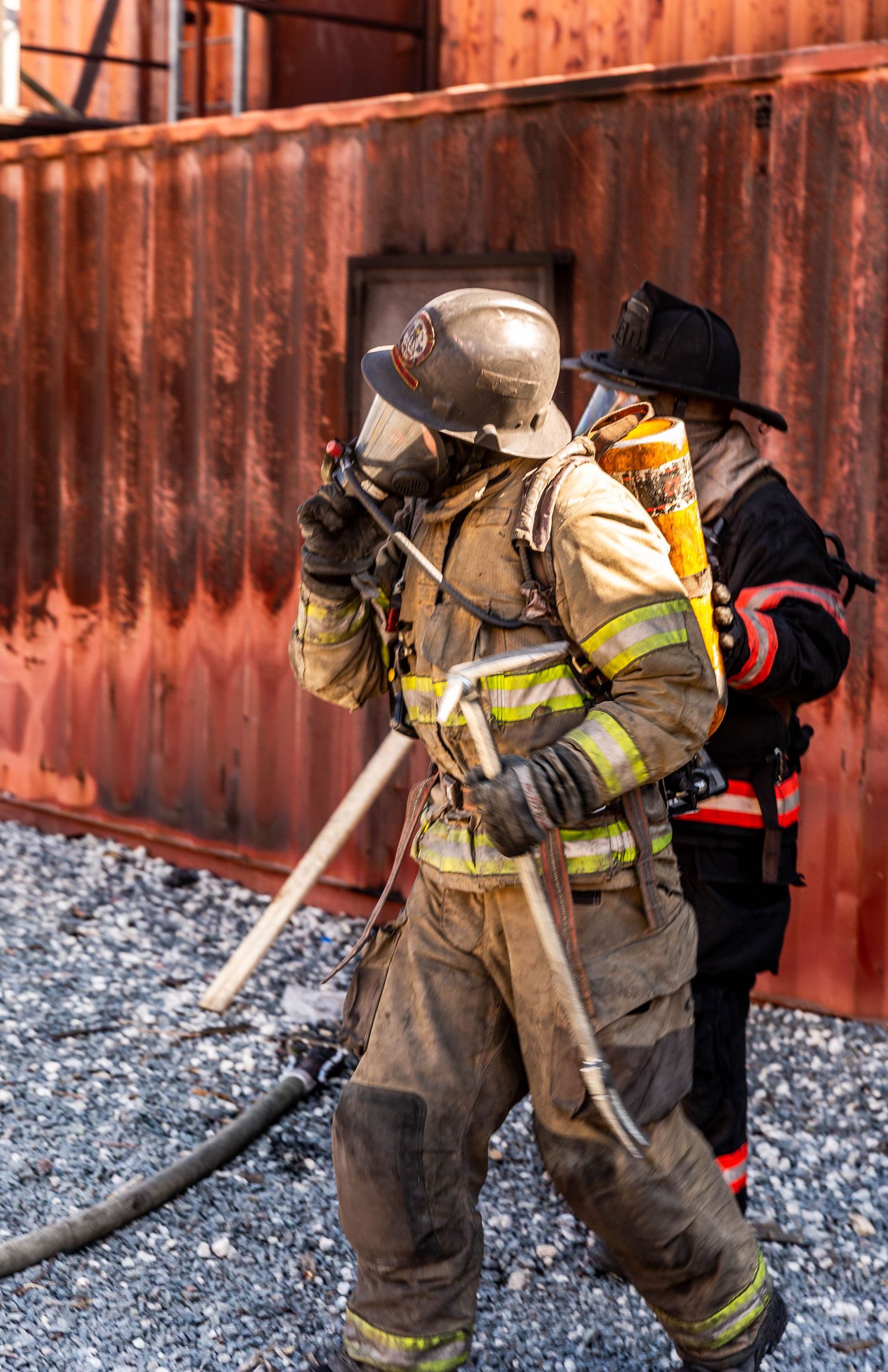
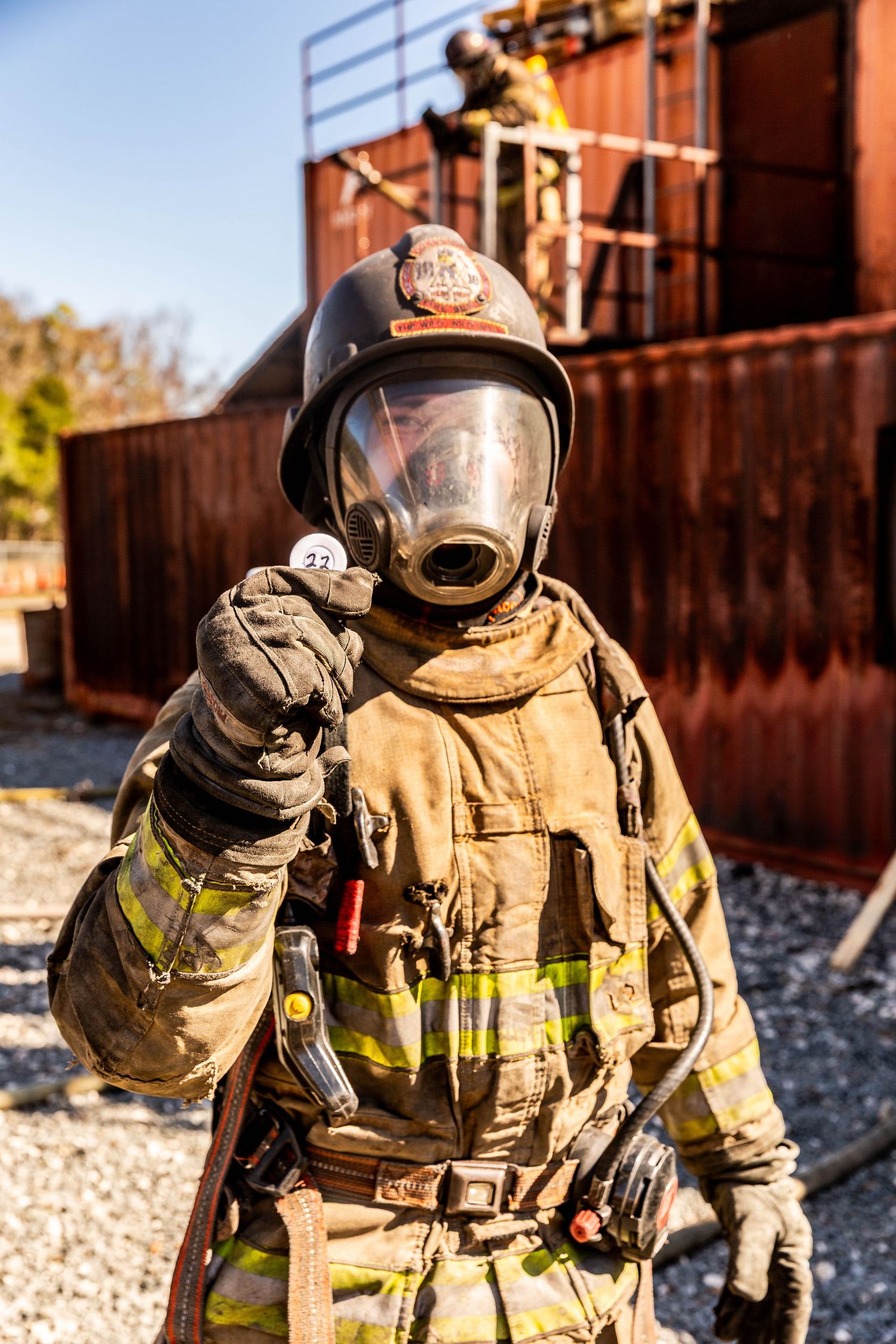
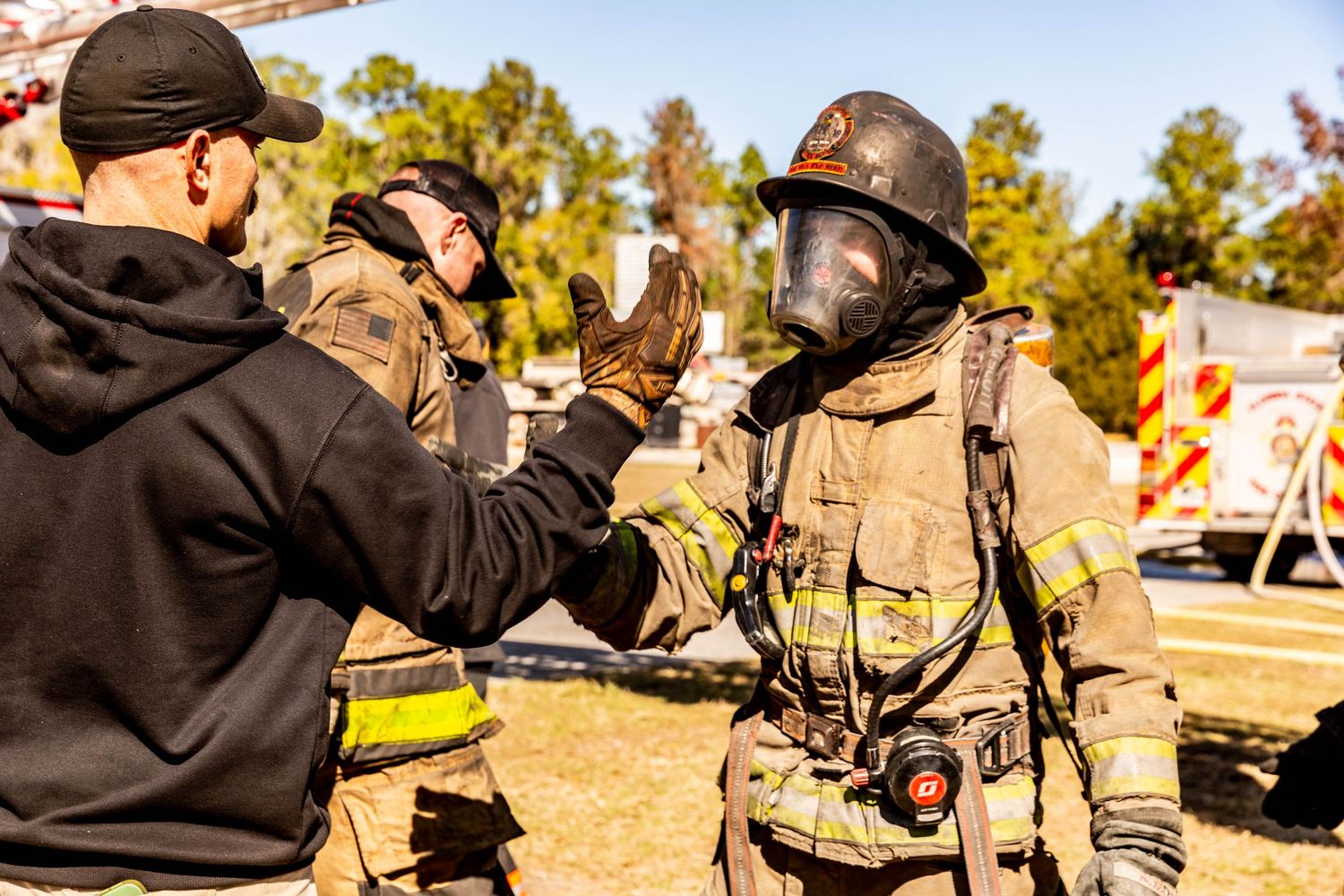
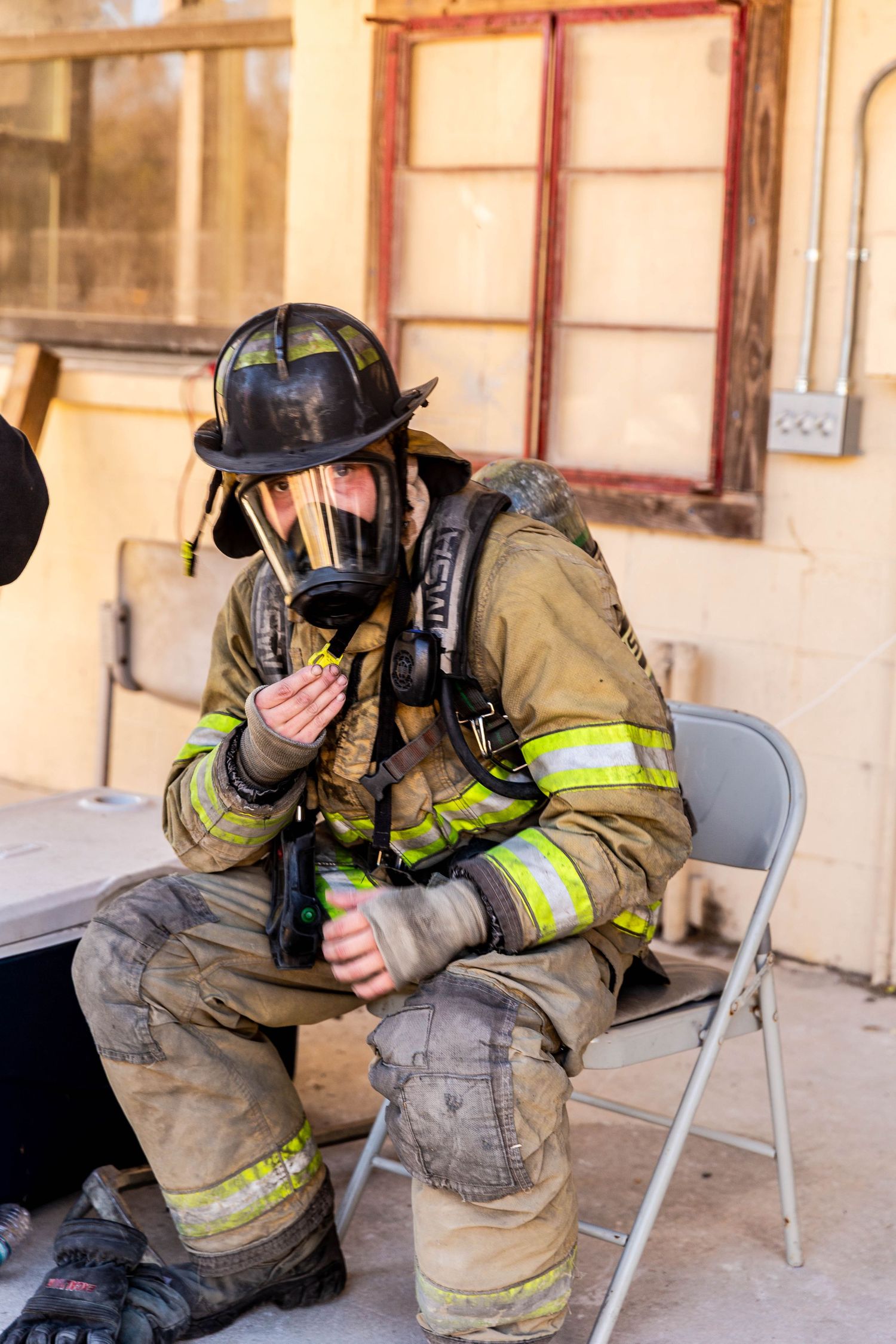
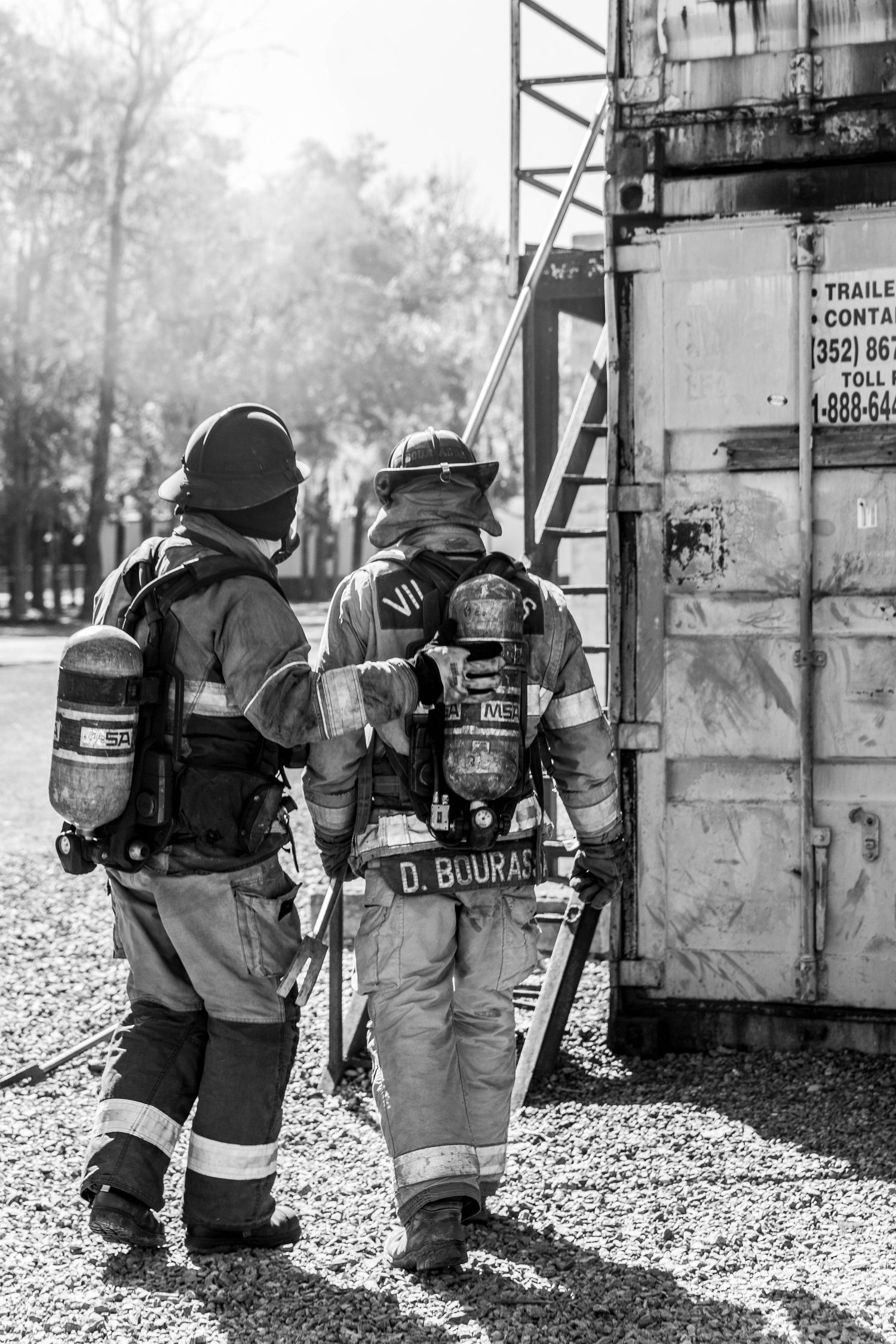
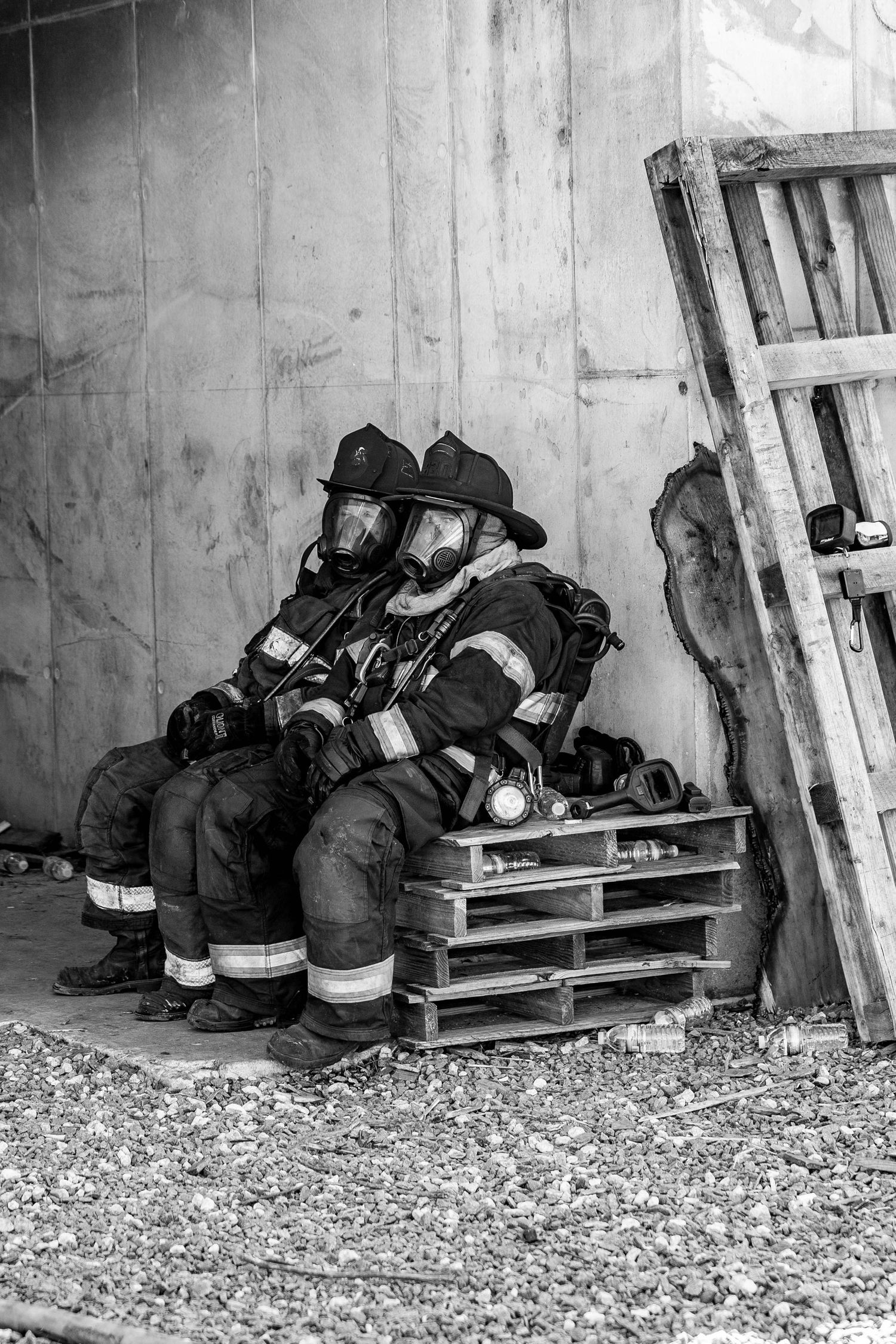
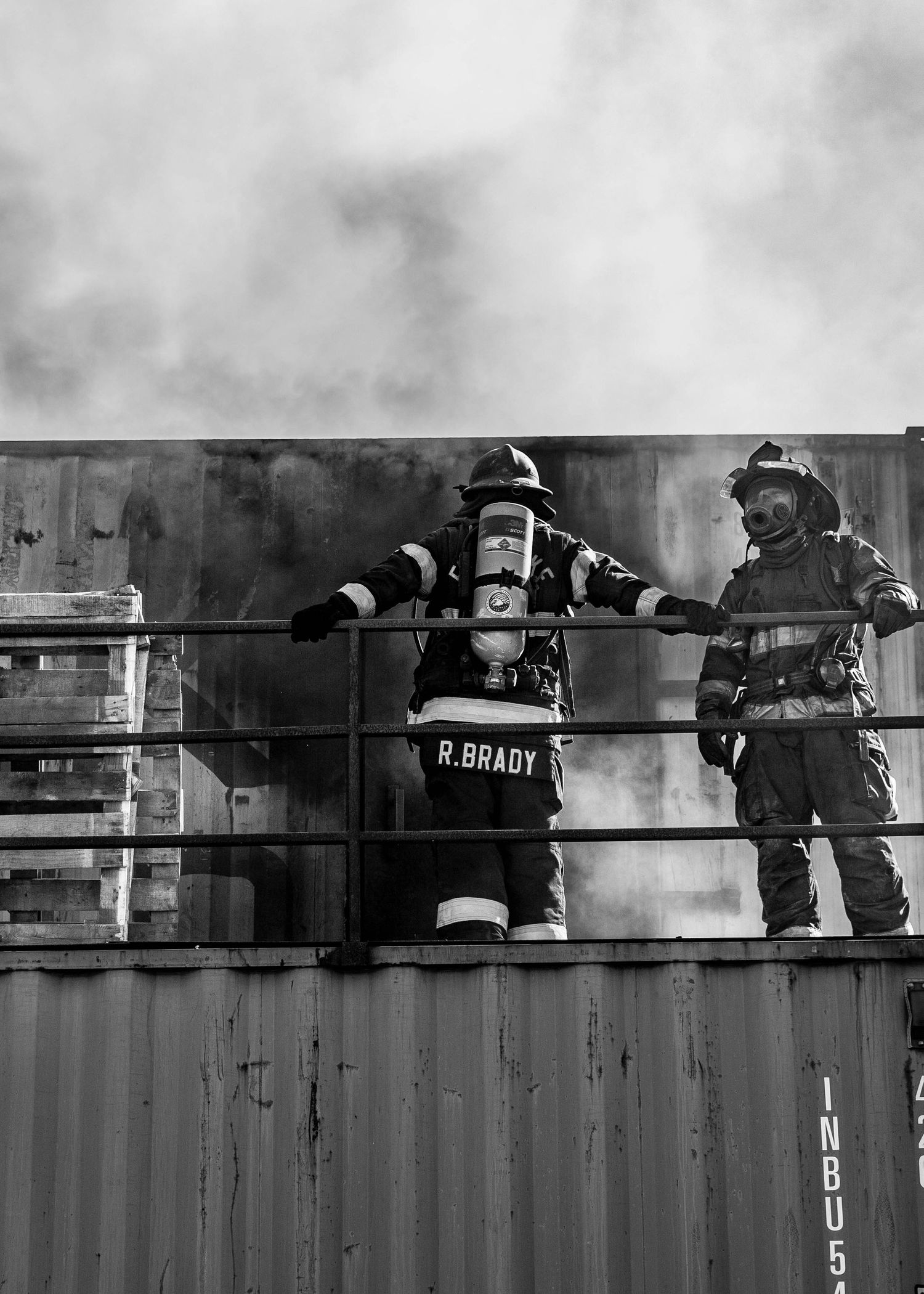
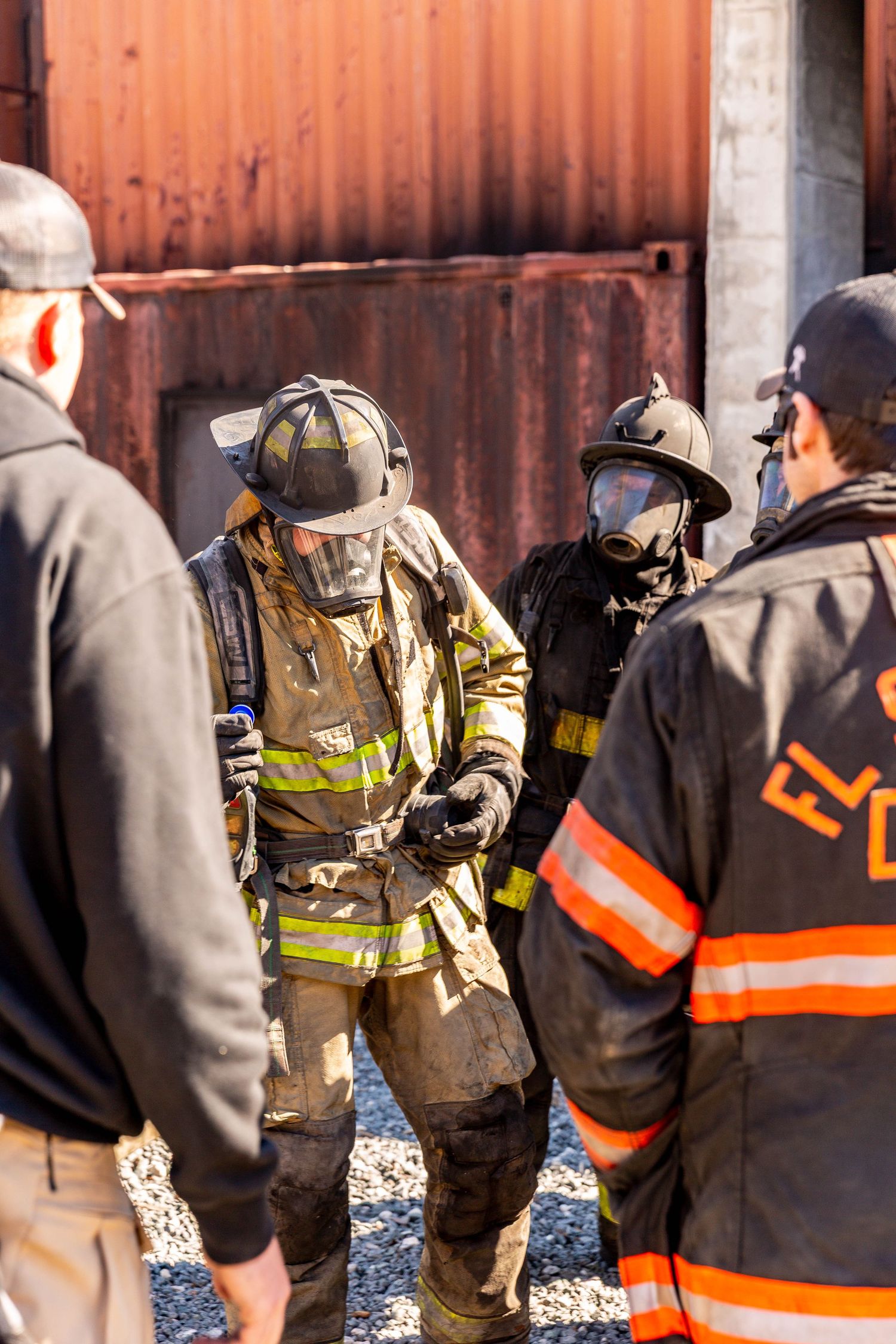
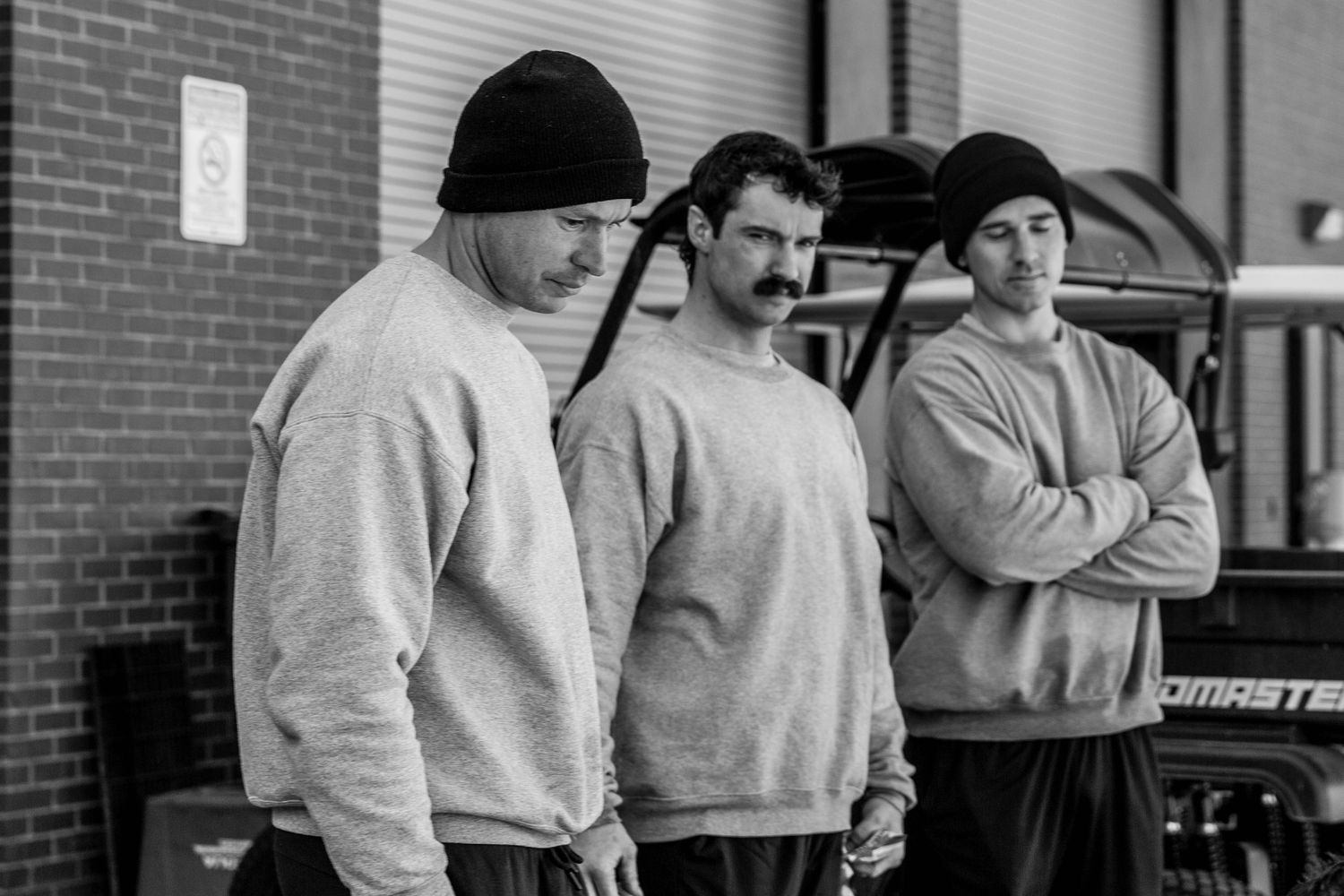
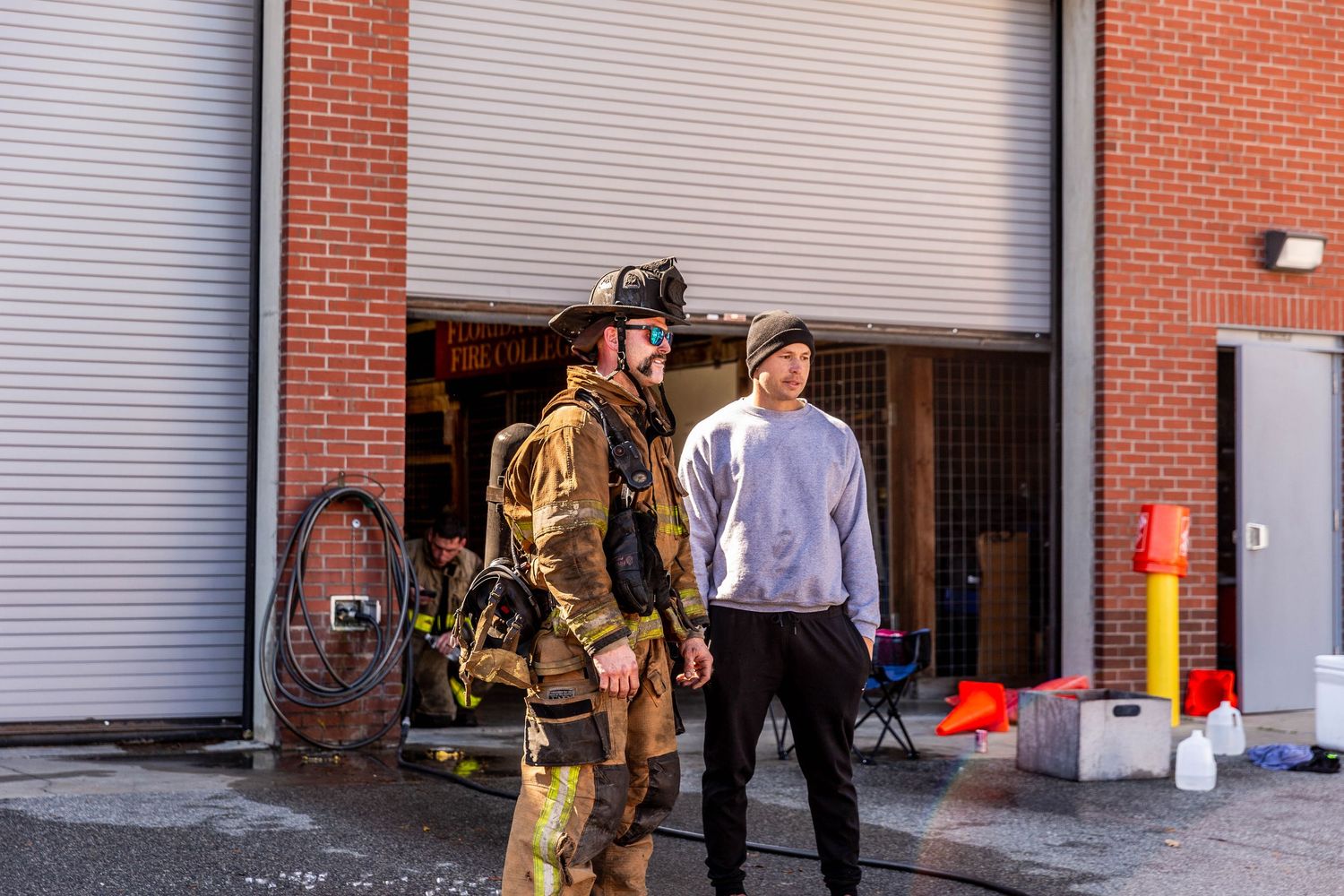
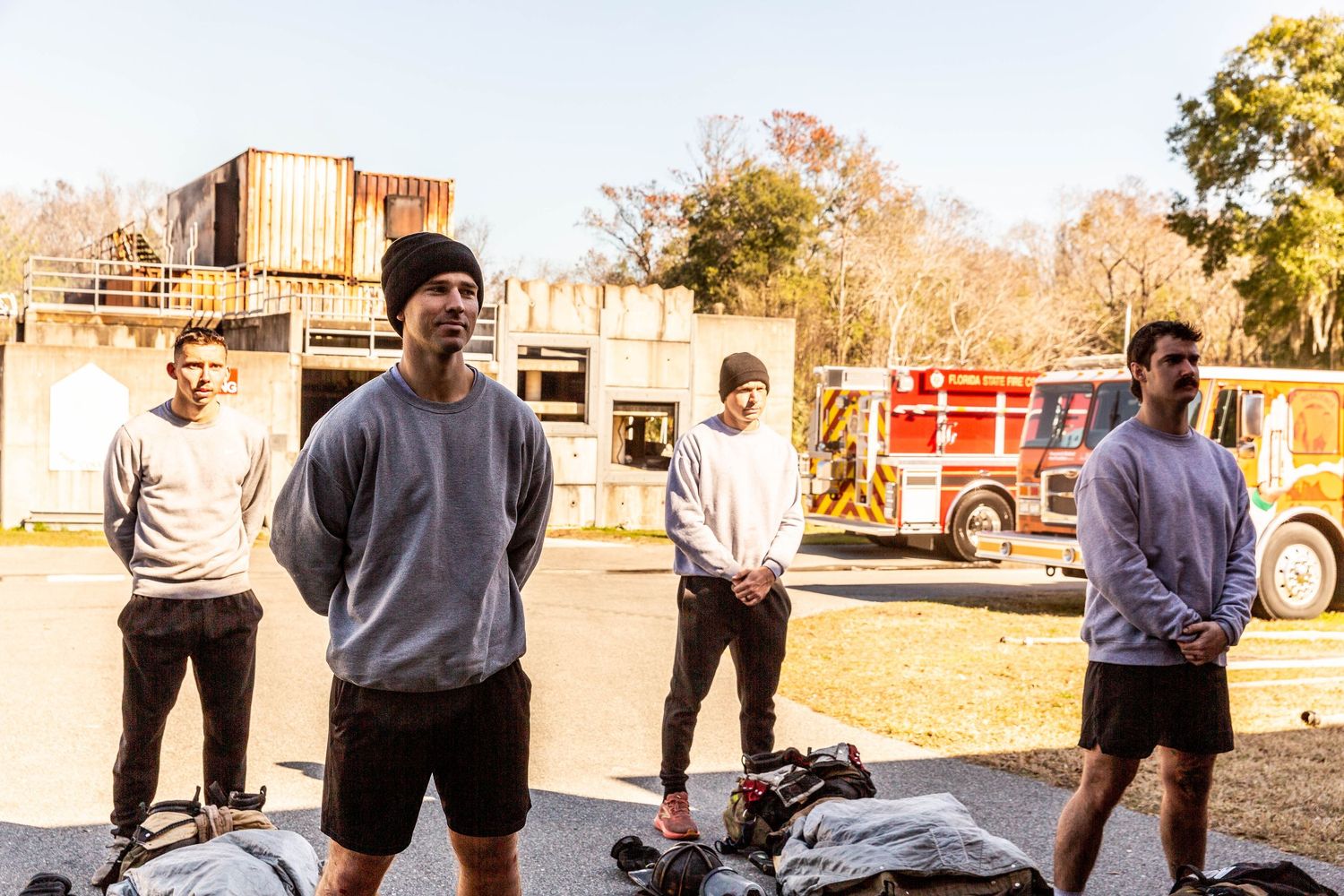
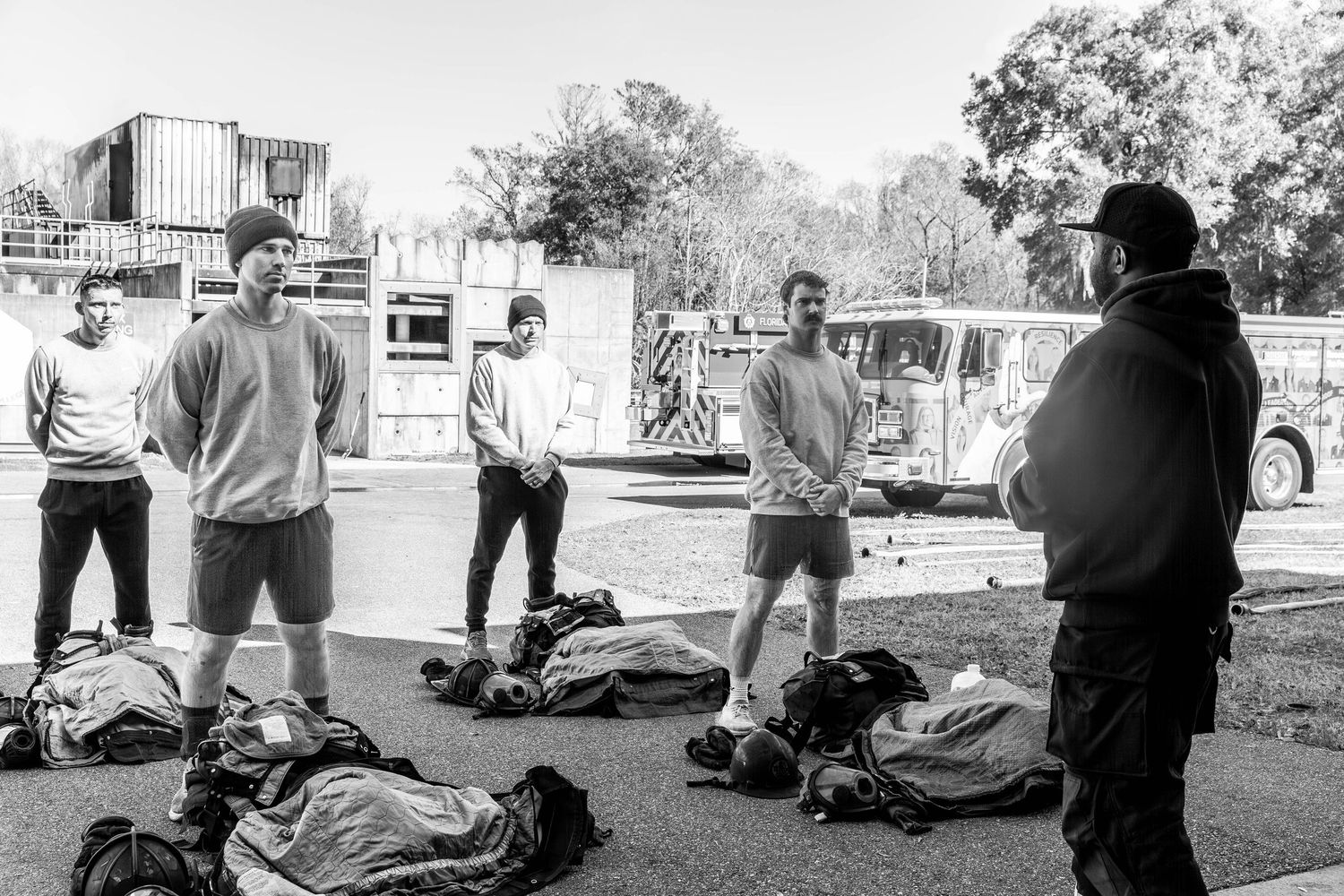
There is an electricity there that is hard to describe. The “Blackshirts” carry expectation and history without having to say a word. Silent evaluations happen in passing glances. Candidates pace themselves, carefully calculating every ounce of energy while trying not to show the doubt creeping in. The excitement, the anticipation, the pressure — it’s all there at once.
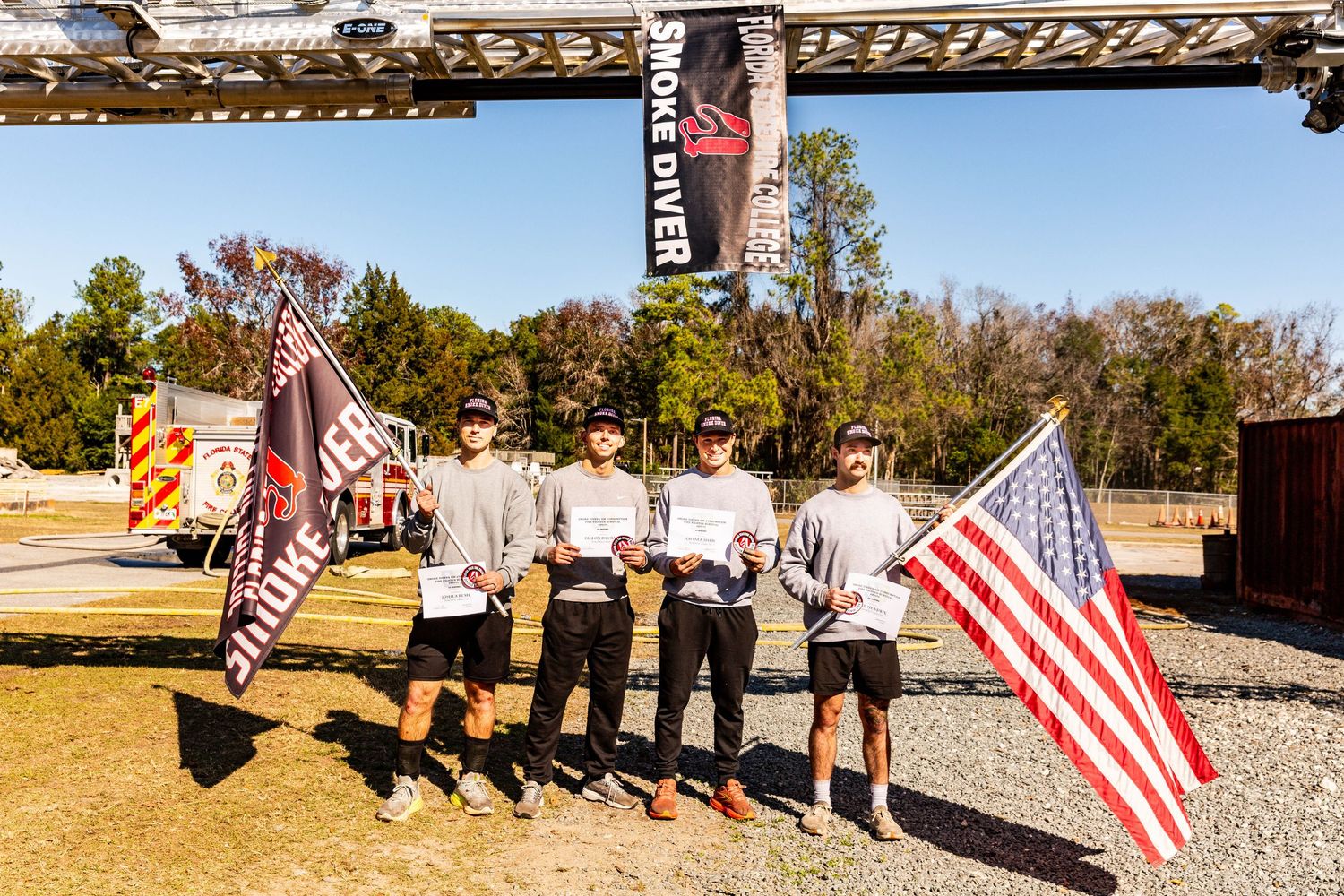
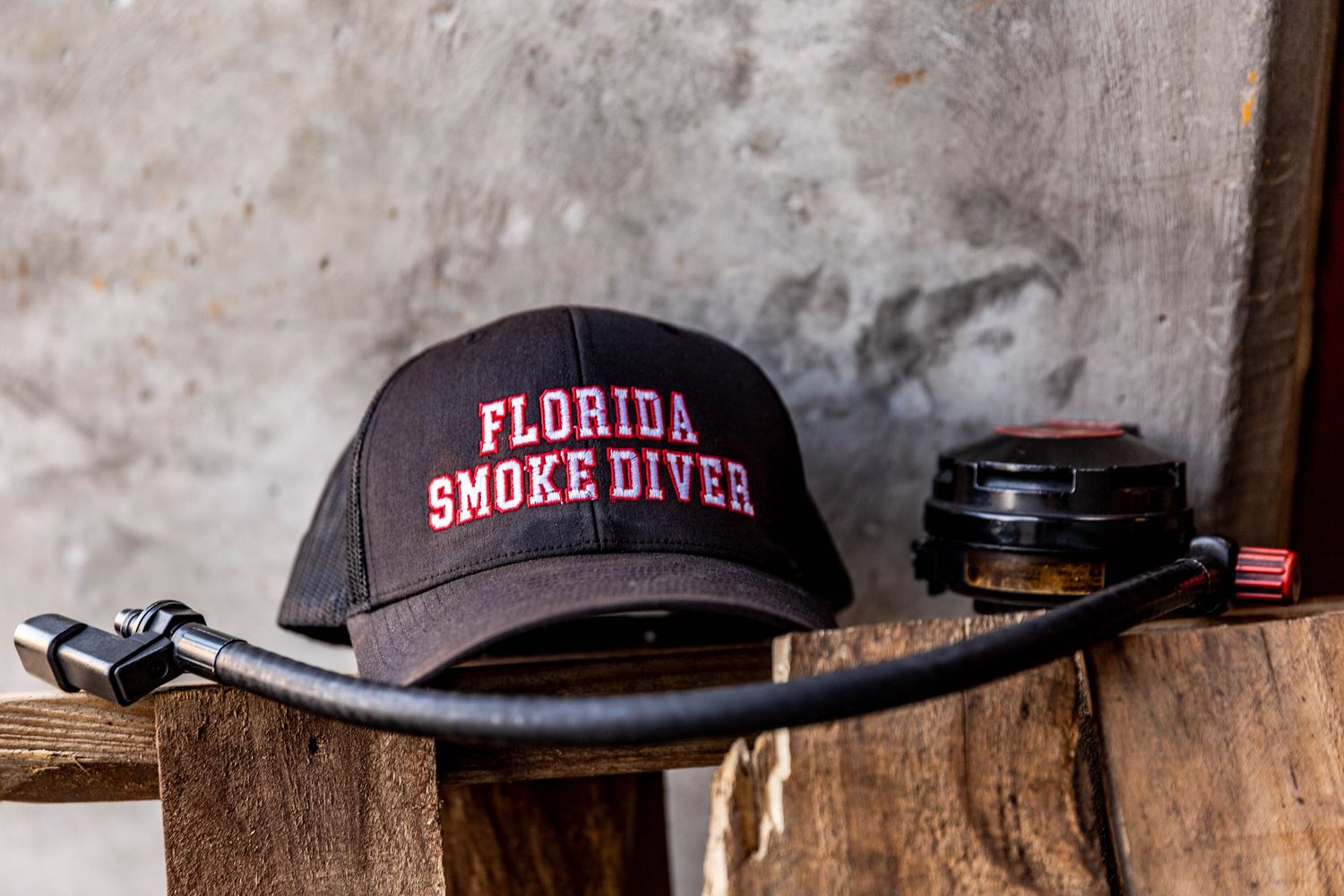
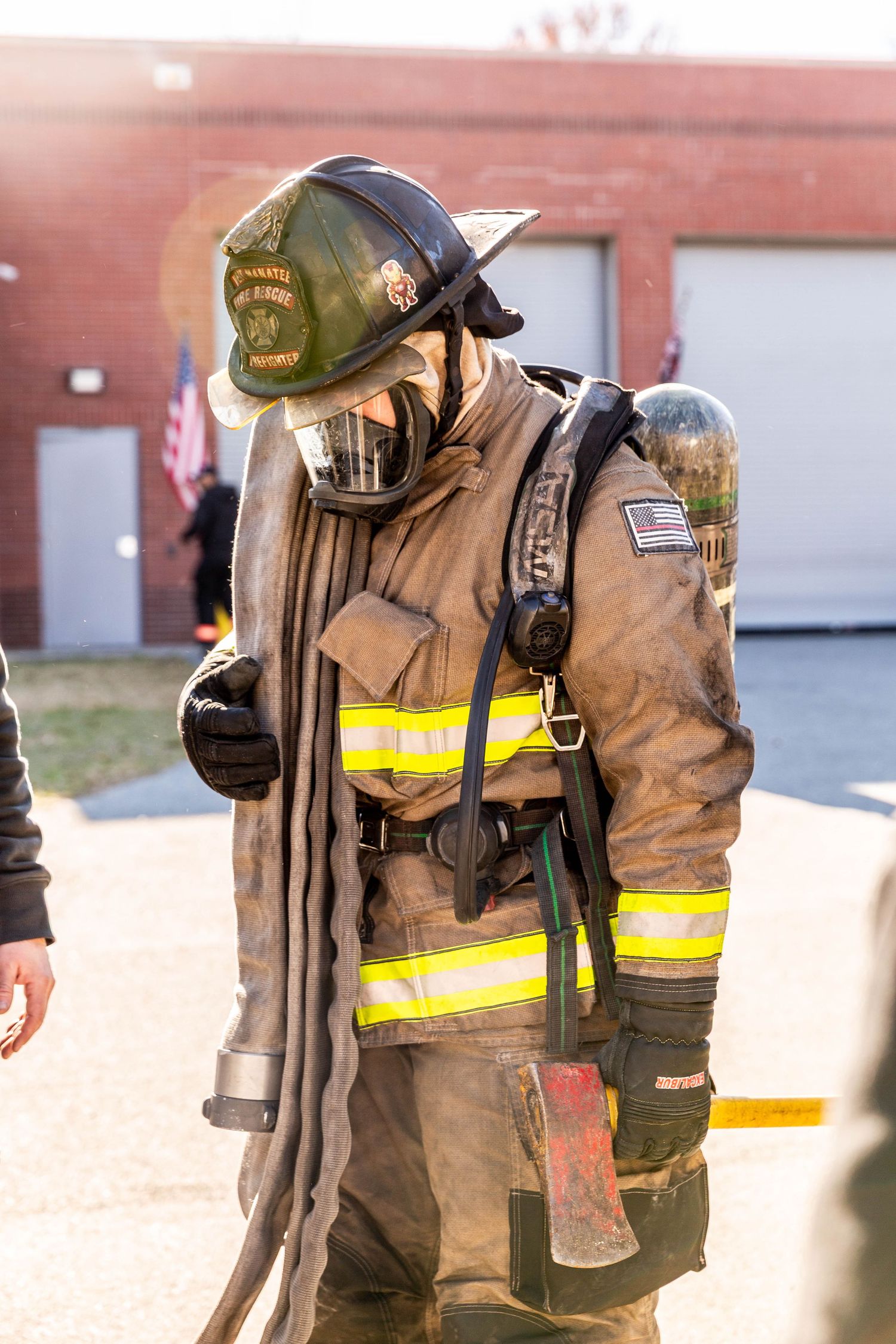
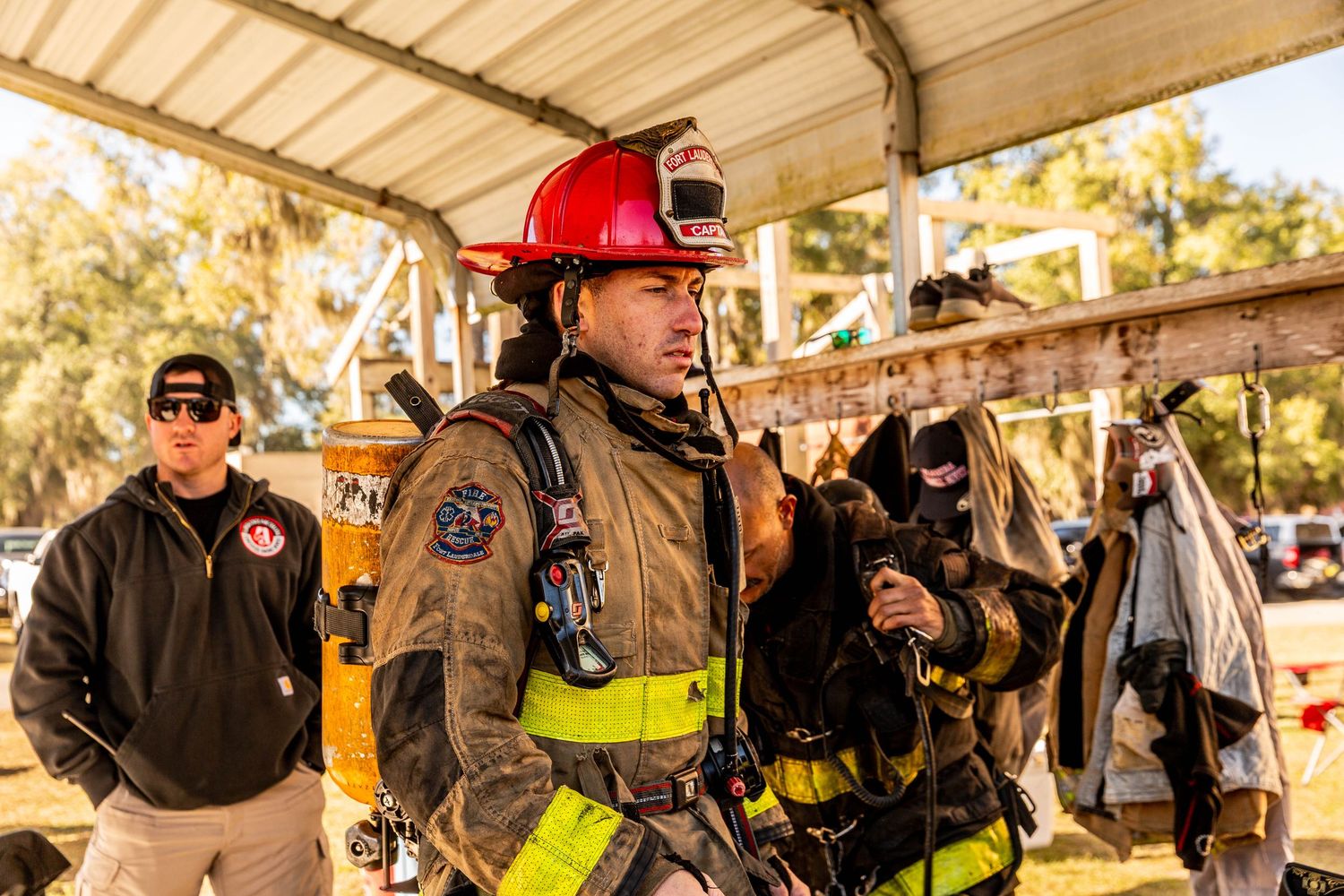
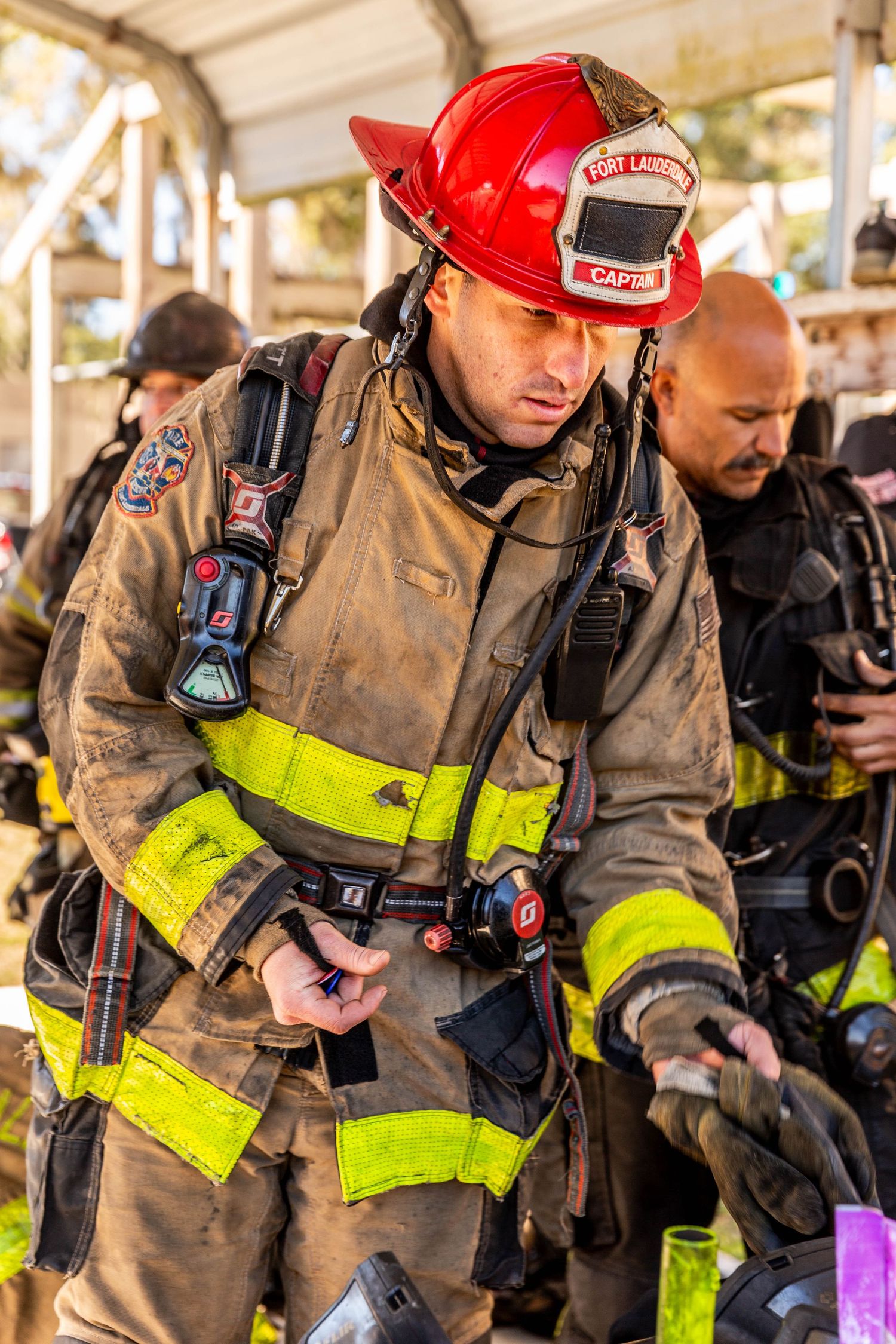
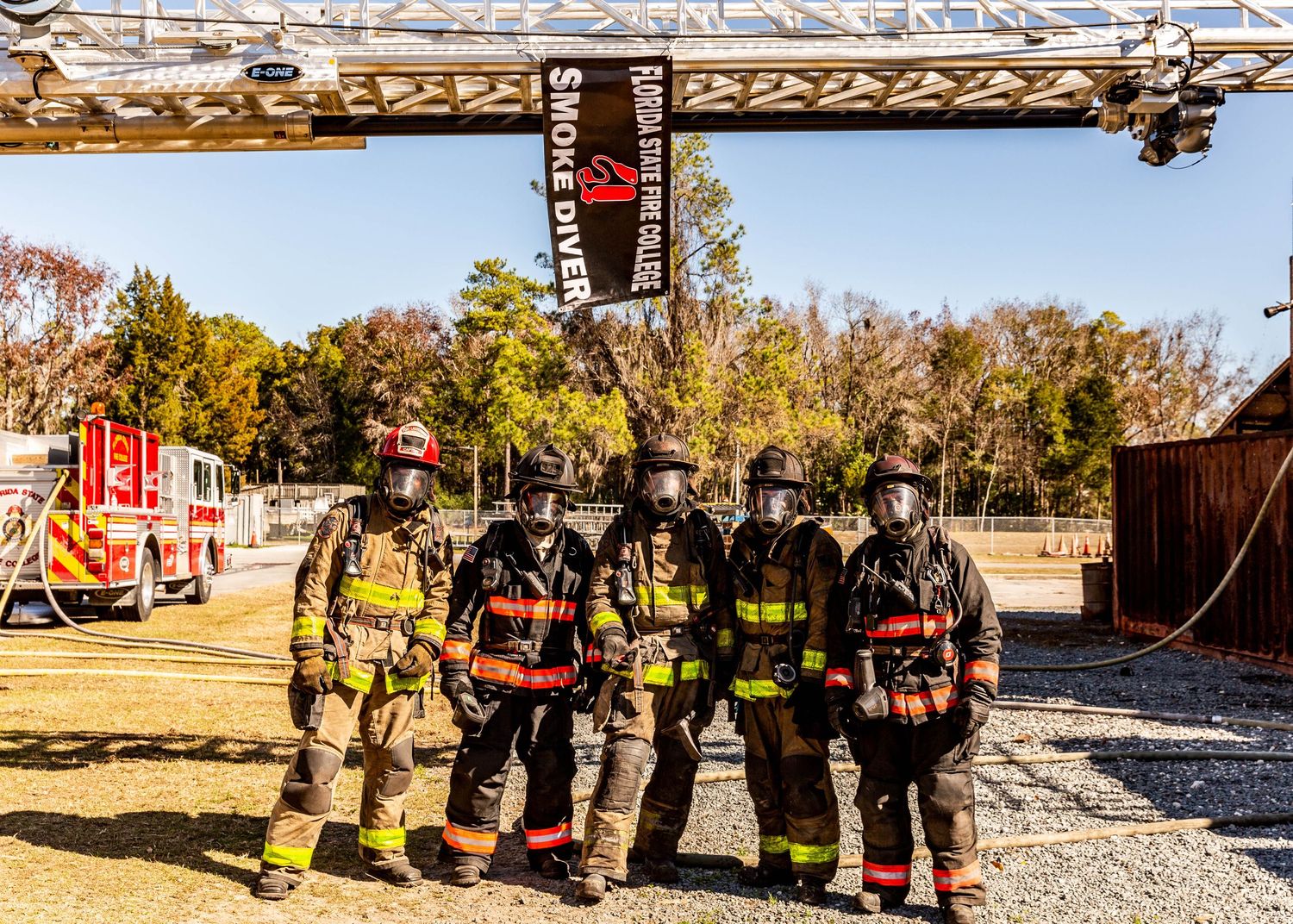
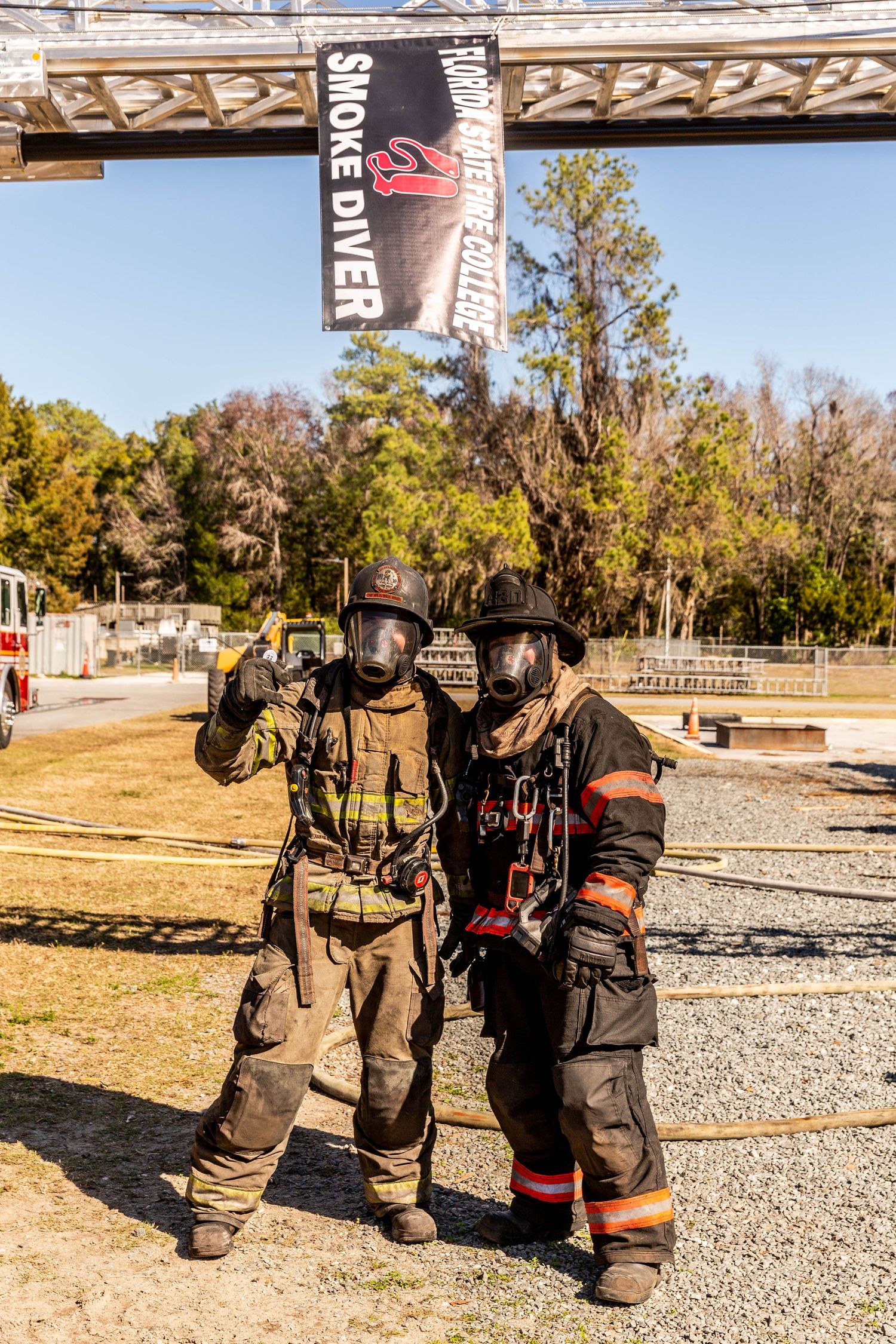
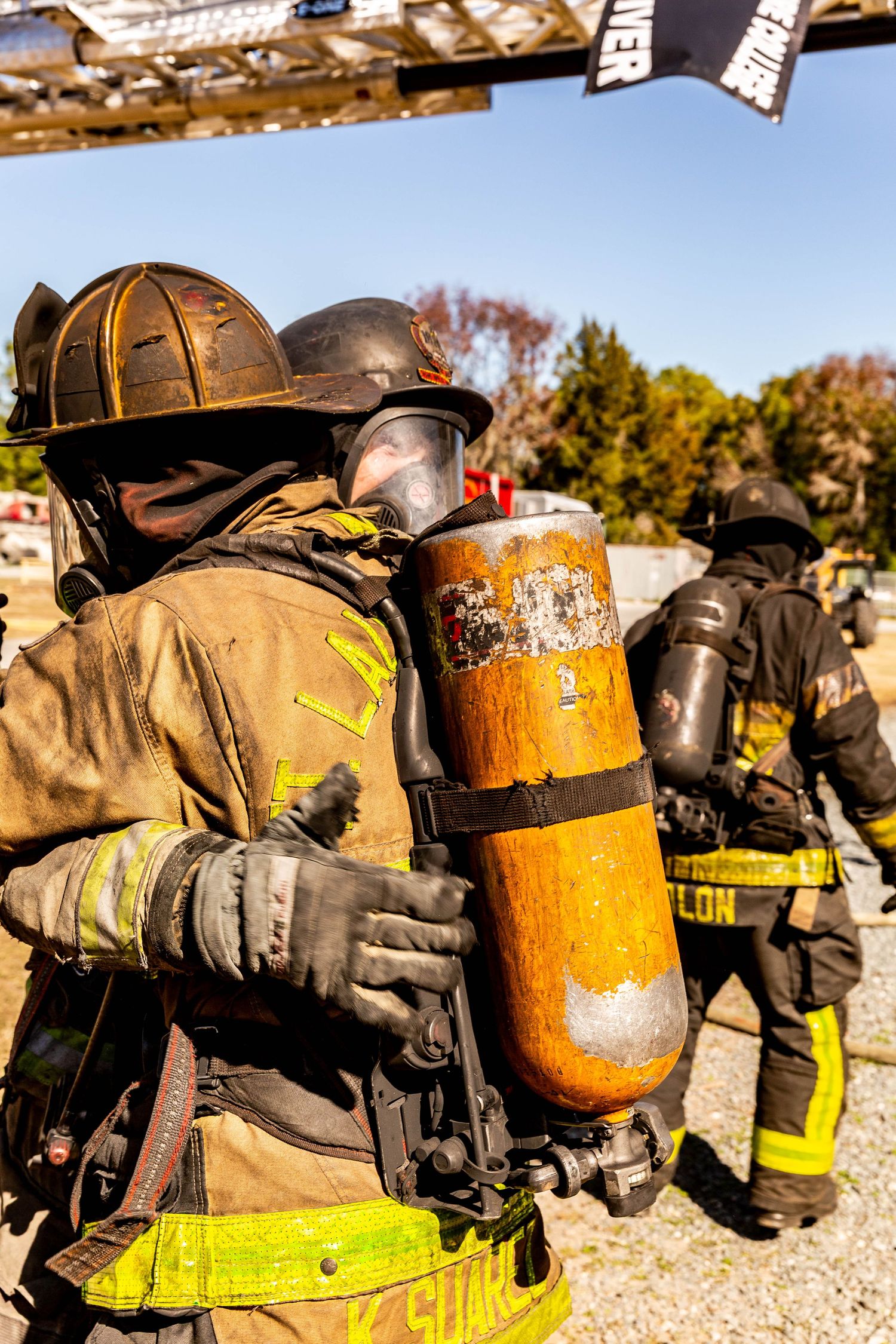
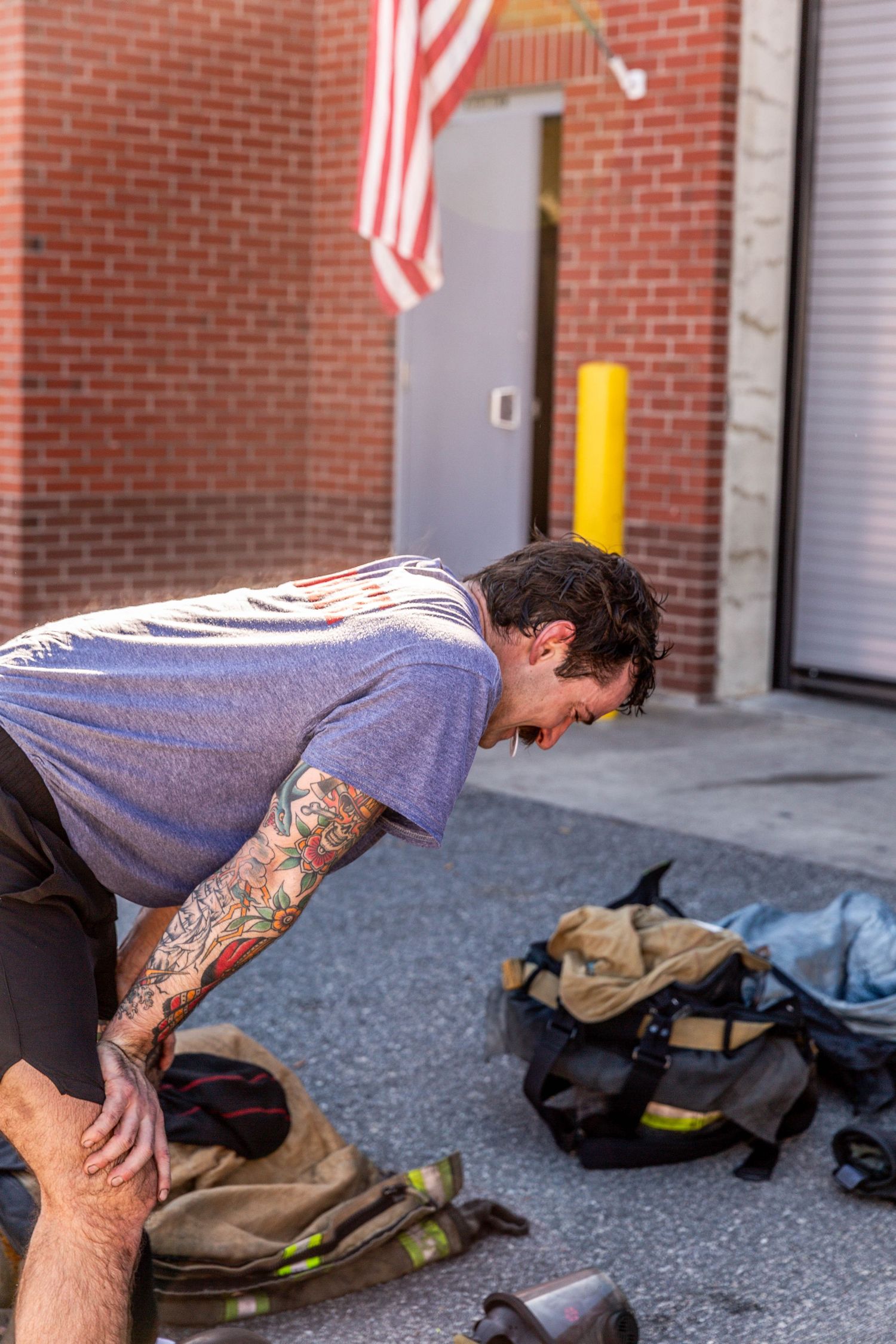
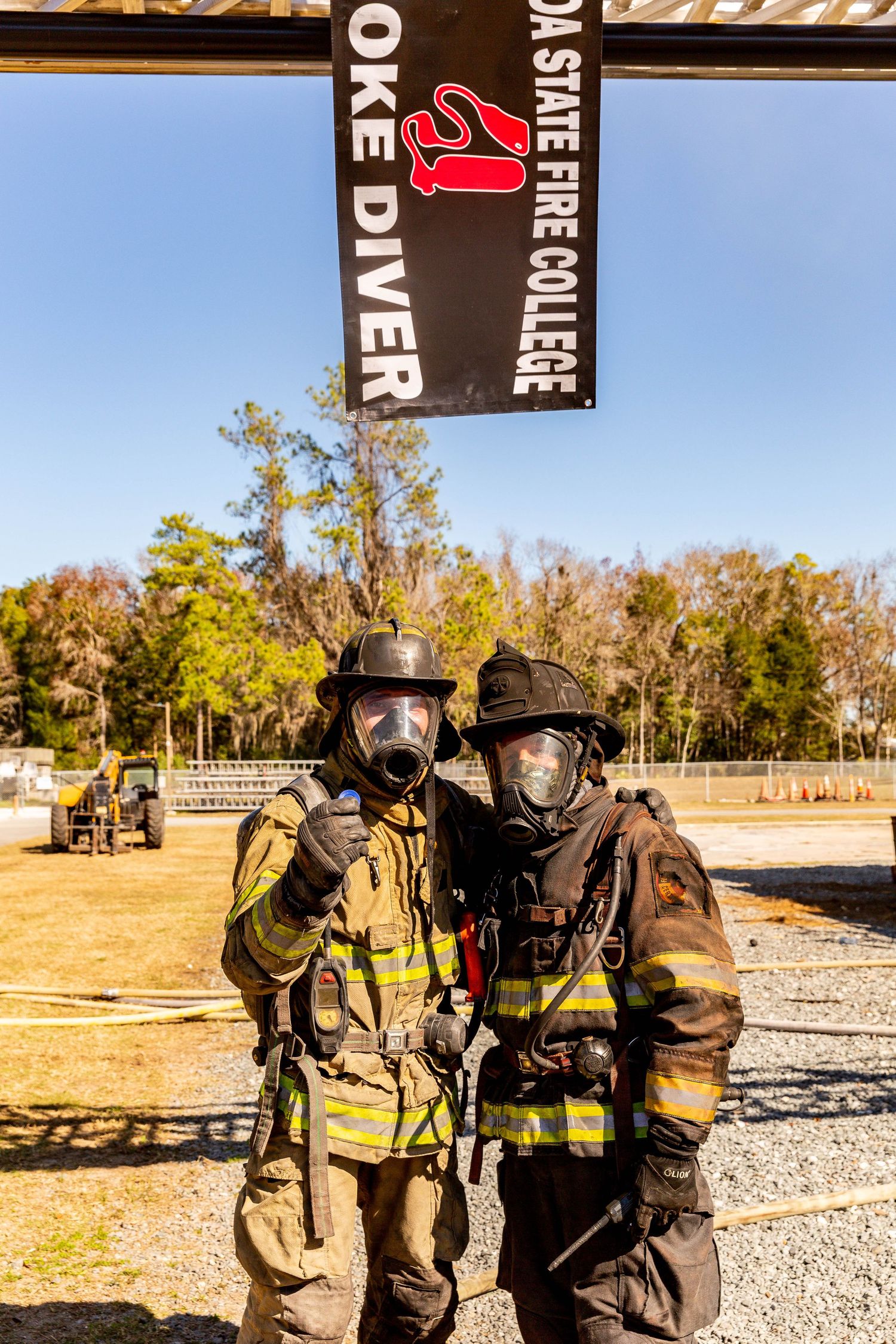
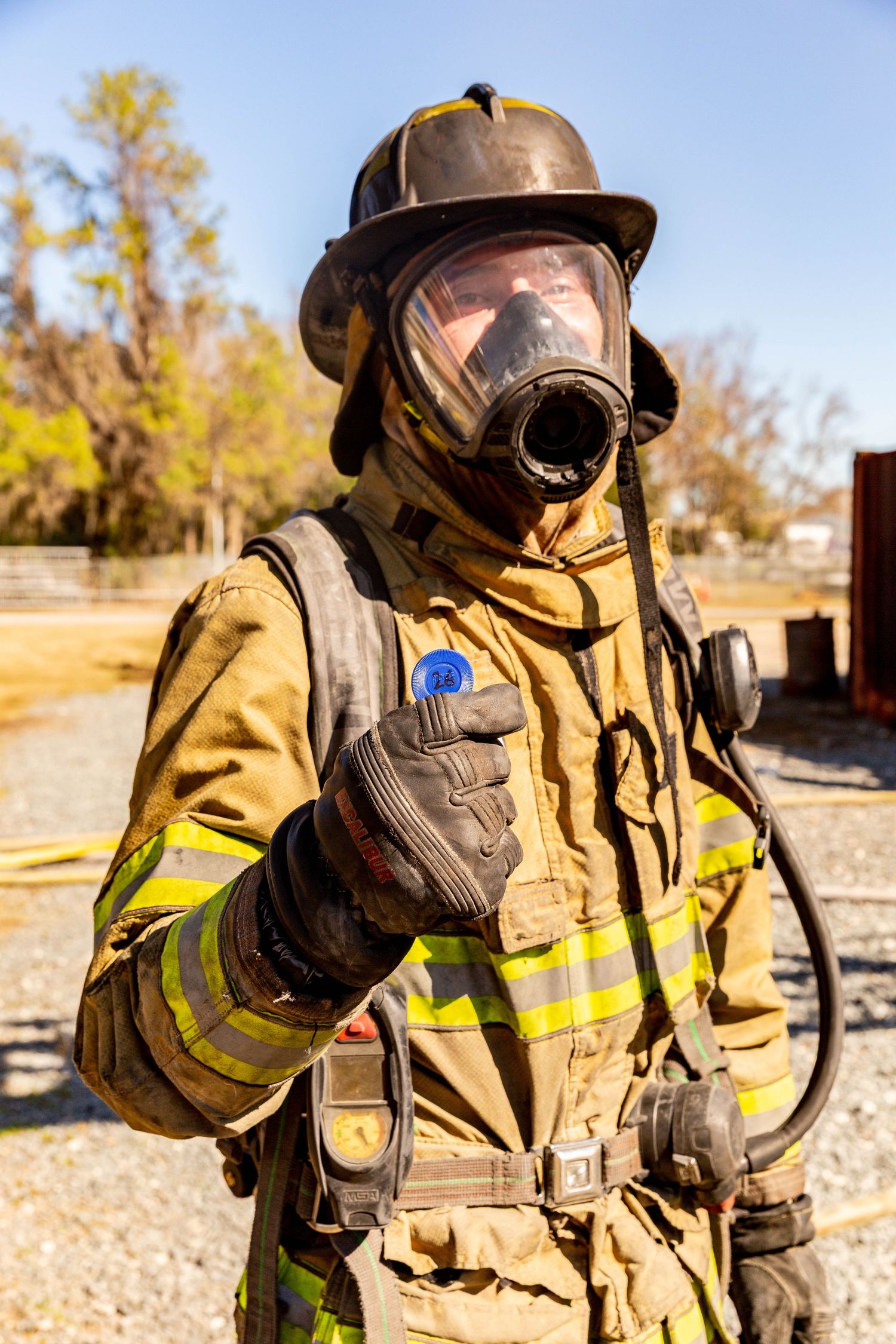
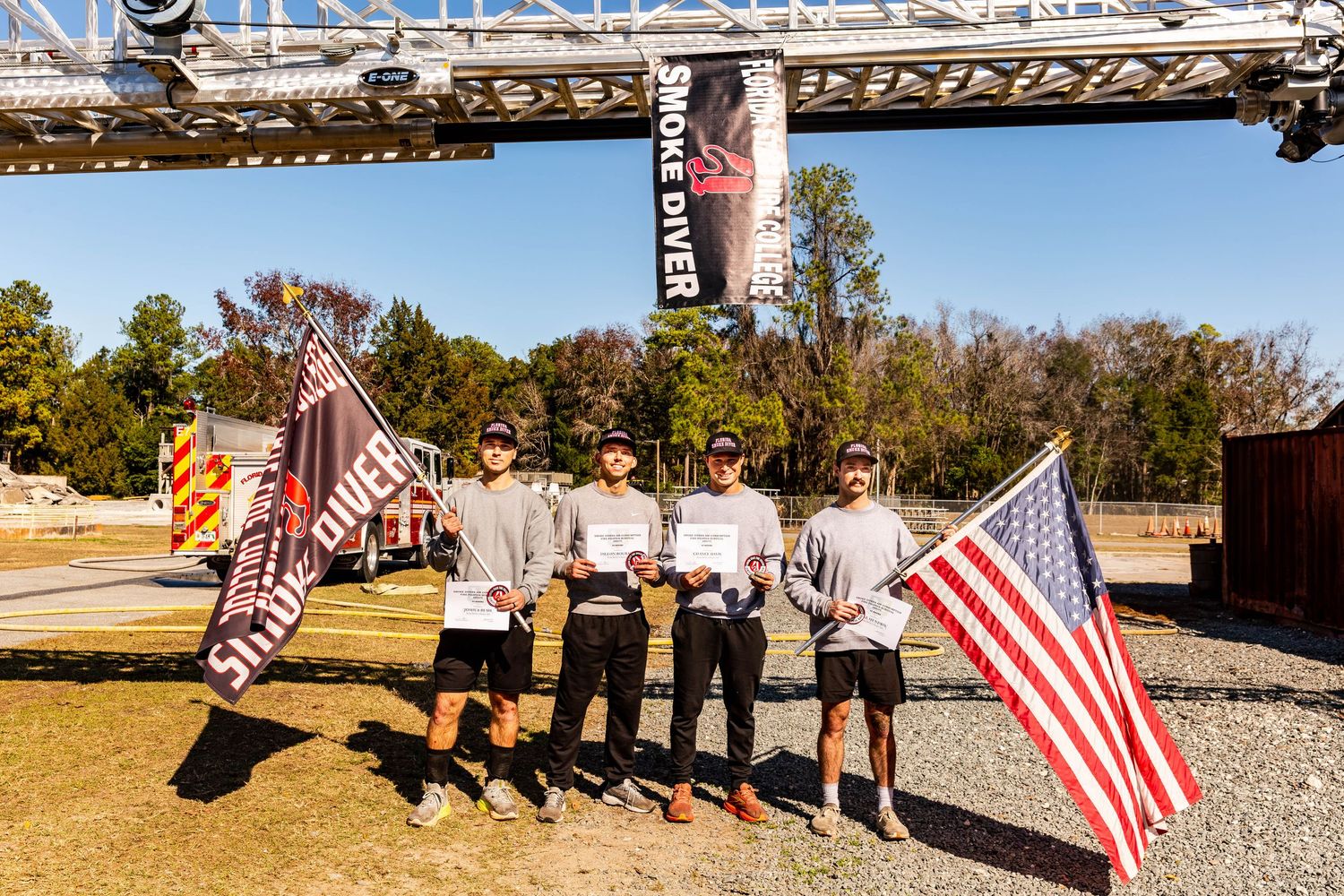
Some of these candidates have trained for months. Others for years. All for the opportunity to earn the Smoke Diver patch and stand alongside the brothers, mentors, and friends who set the standard before them. Not all of them will leave with it.
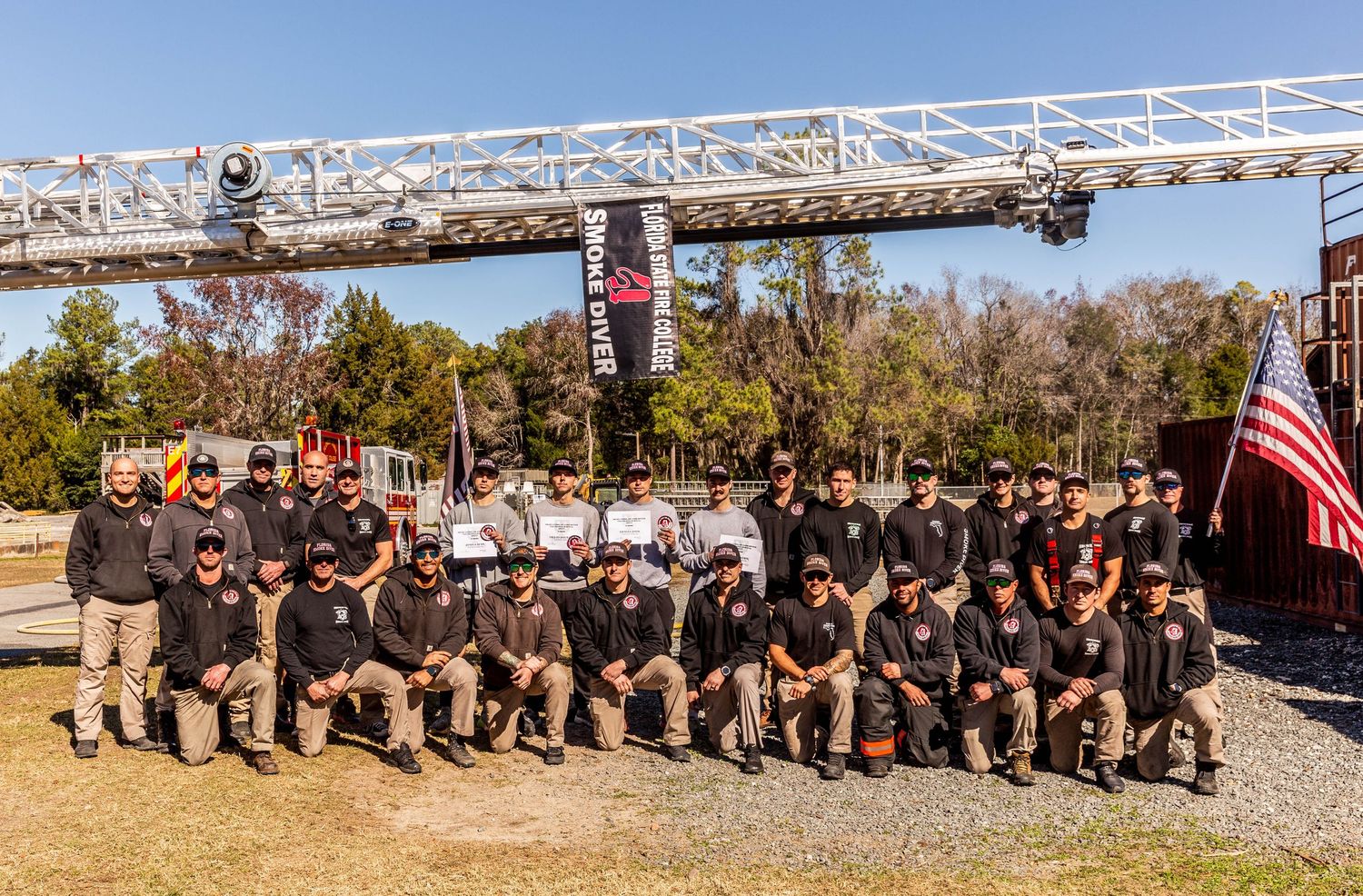
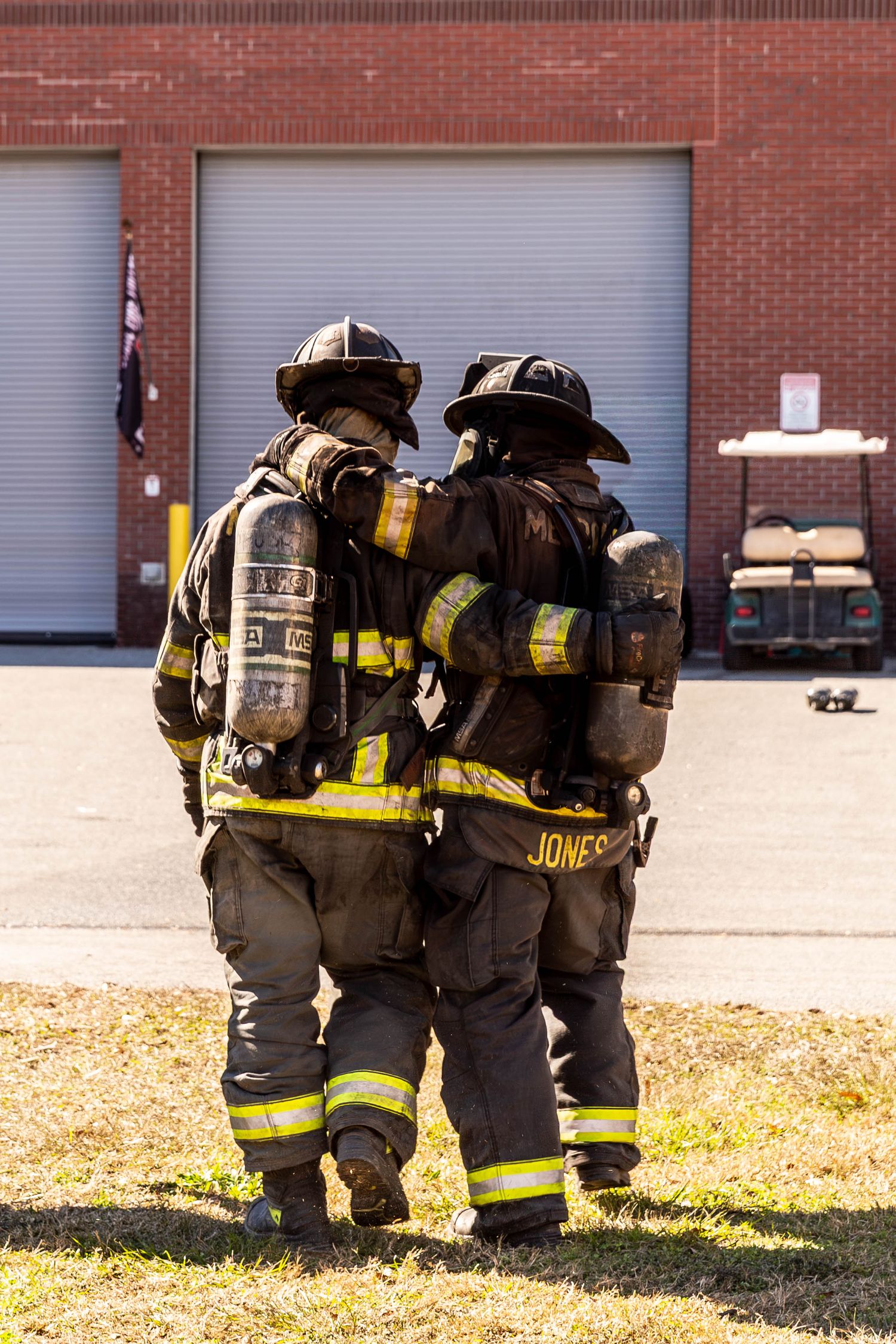
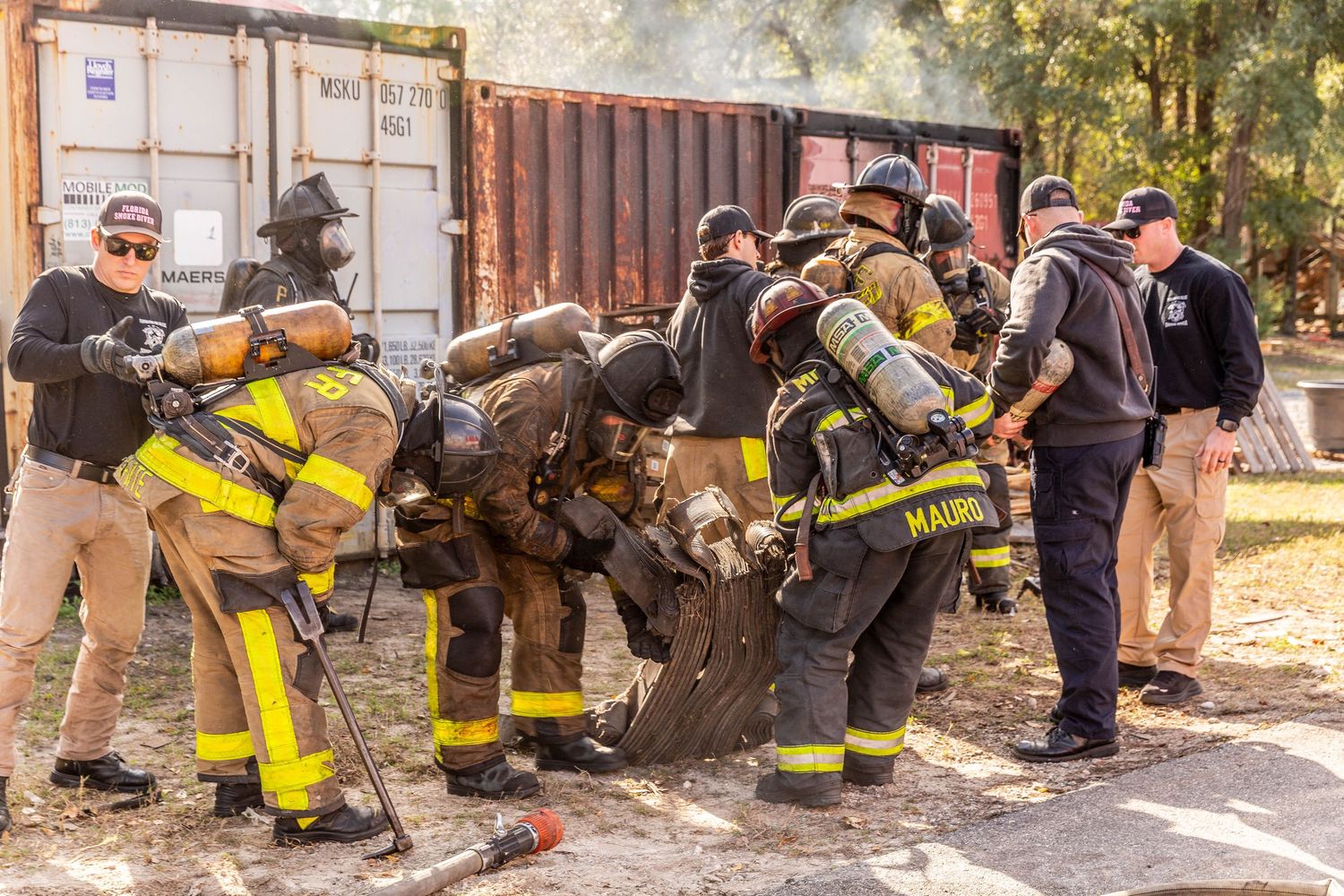
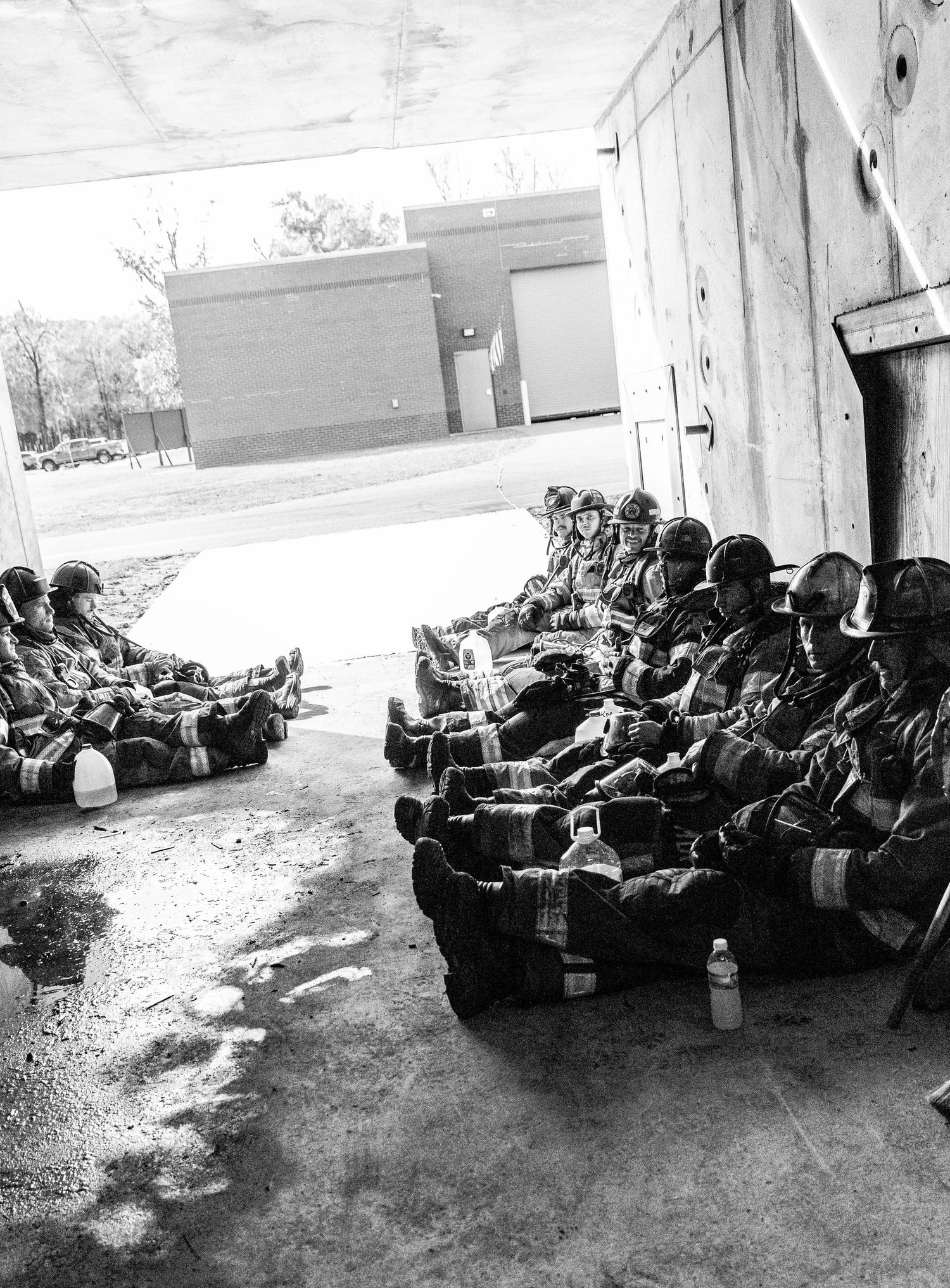
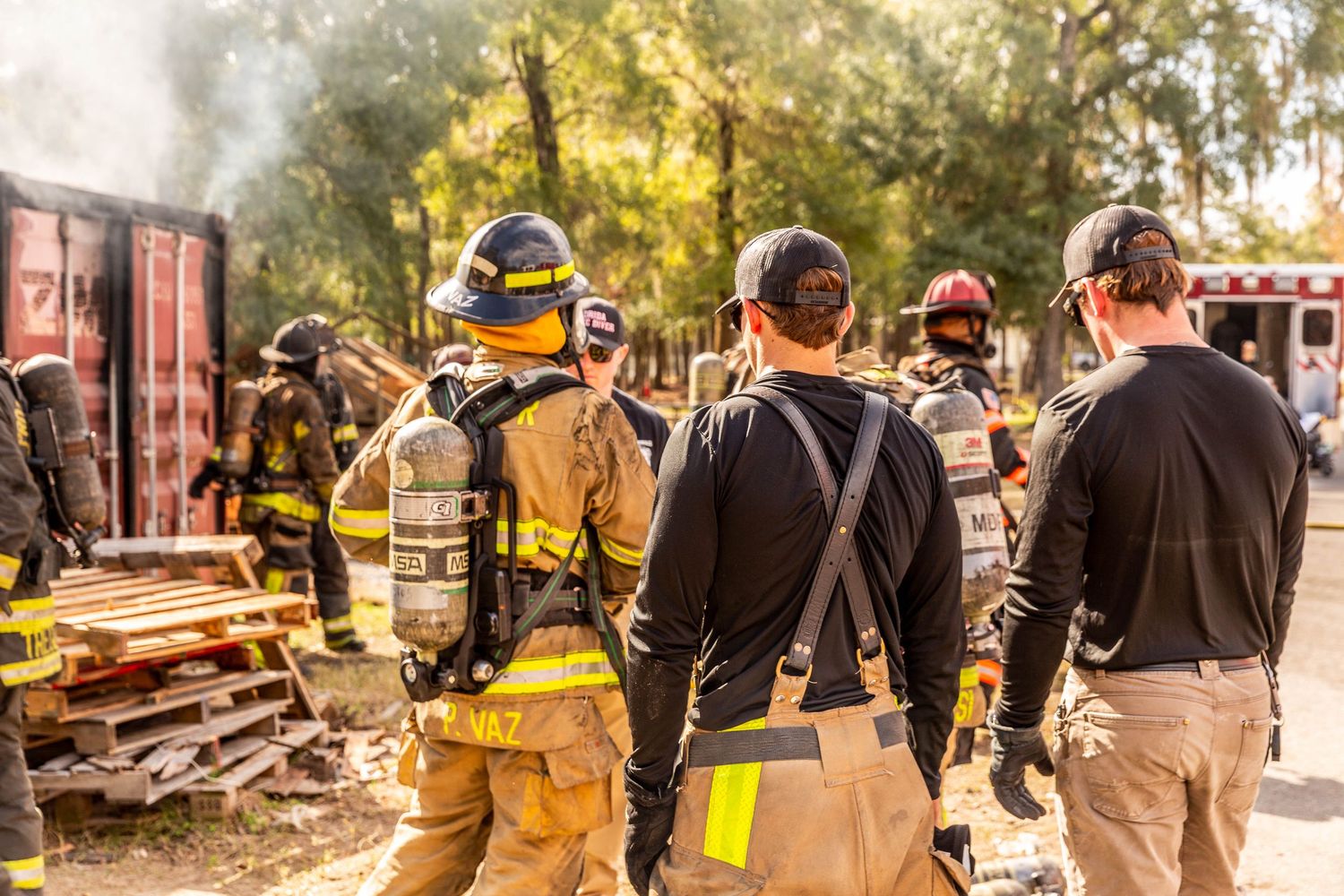
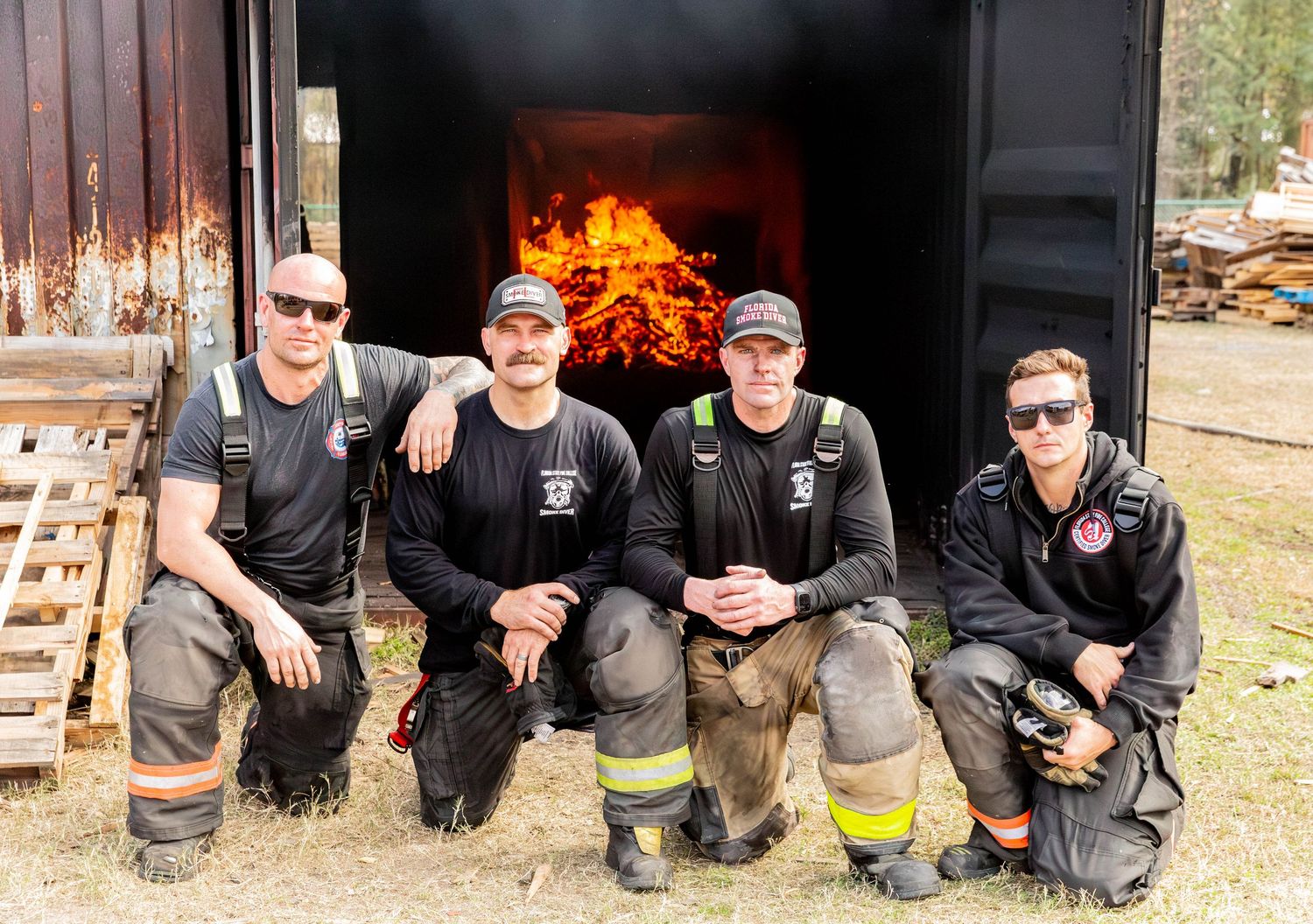
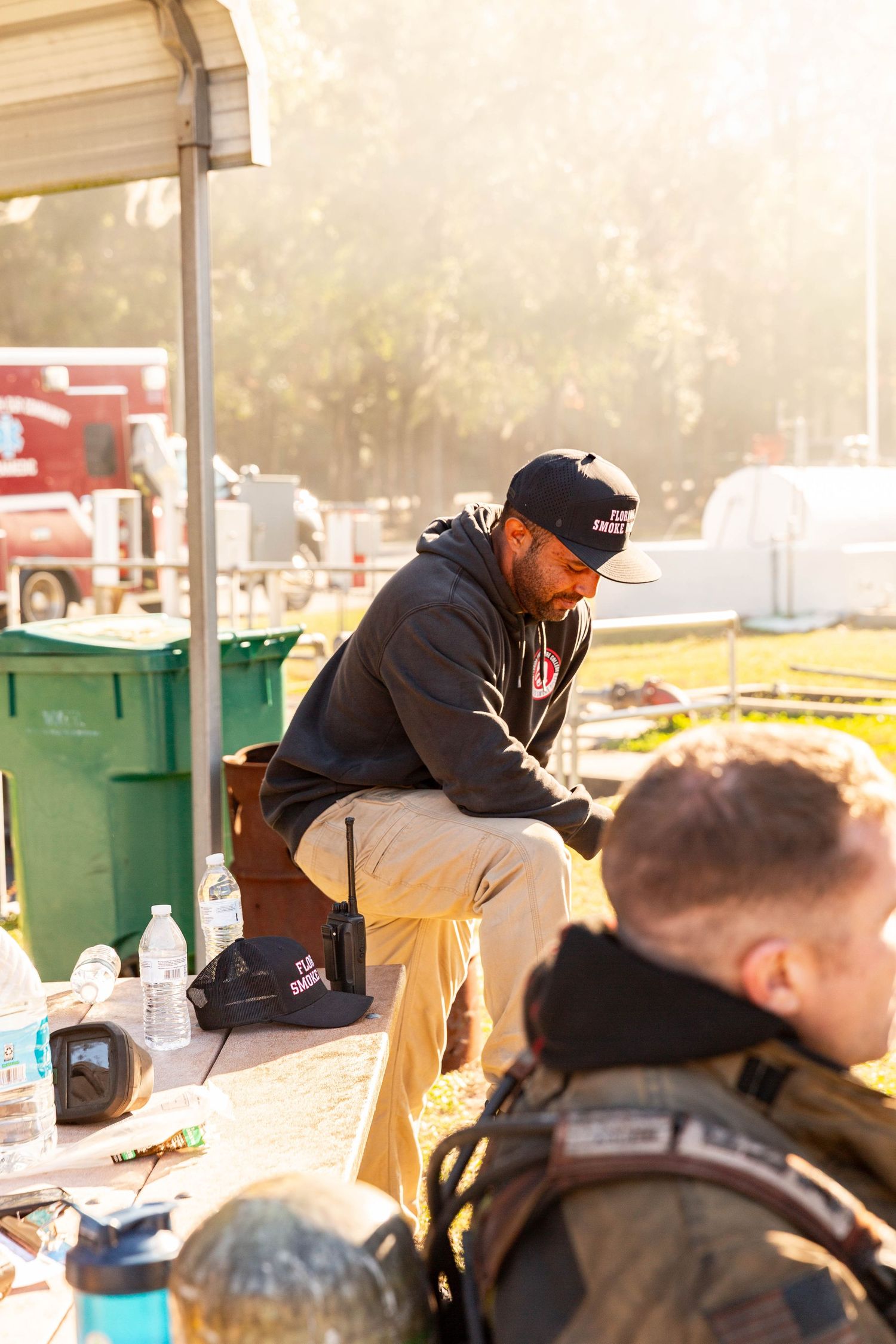
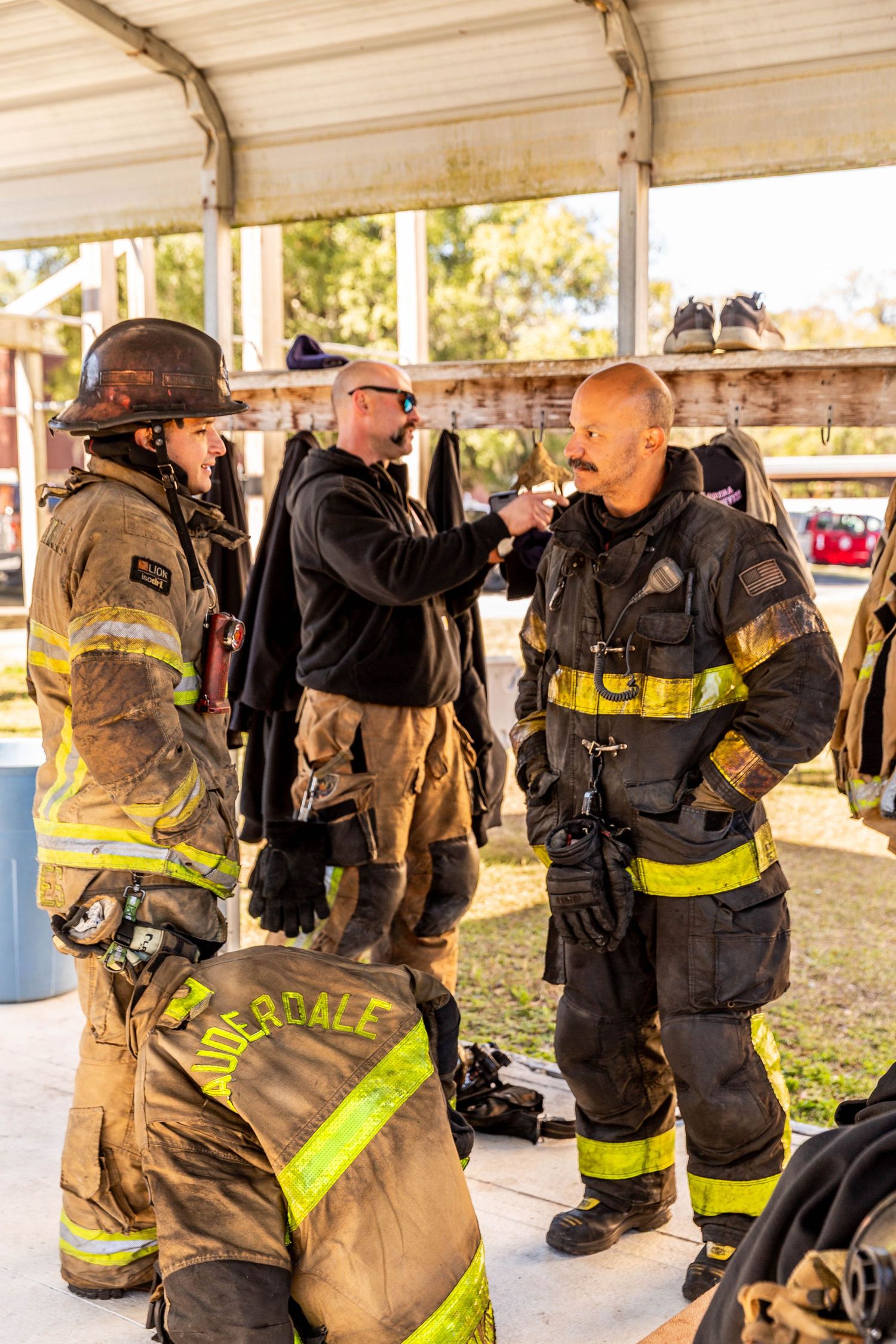
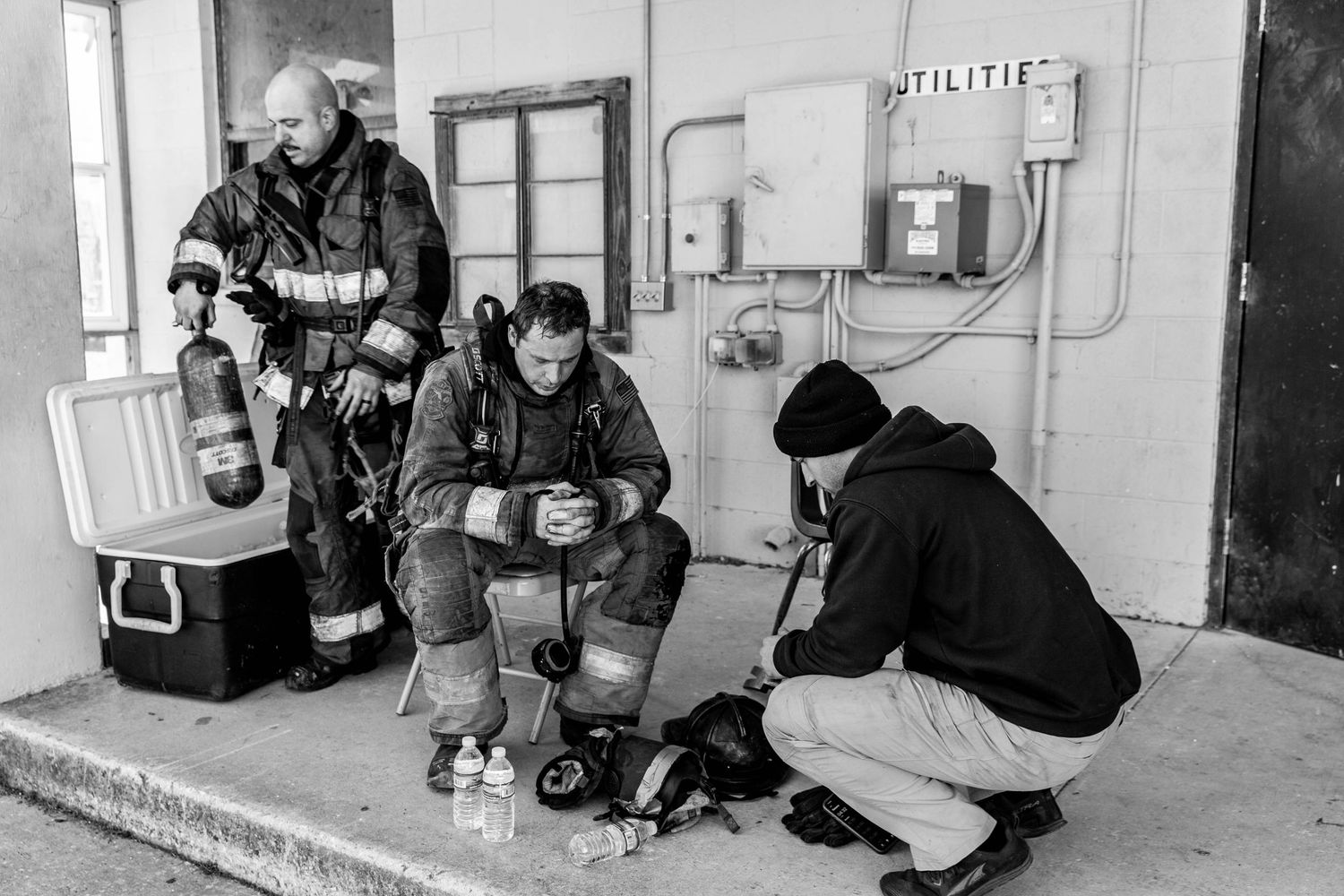
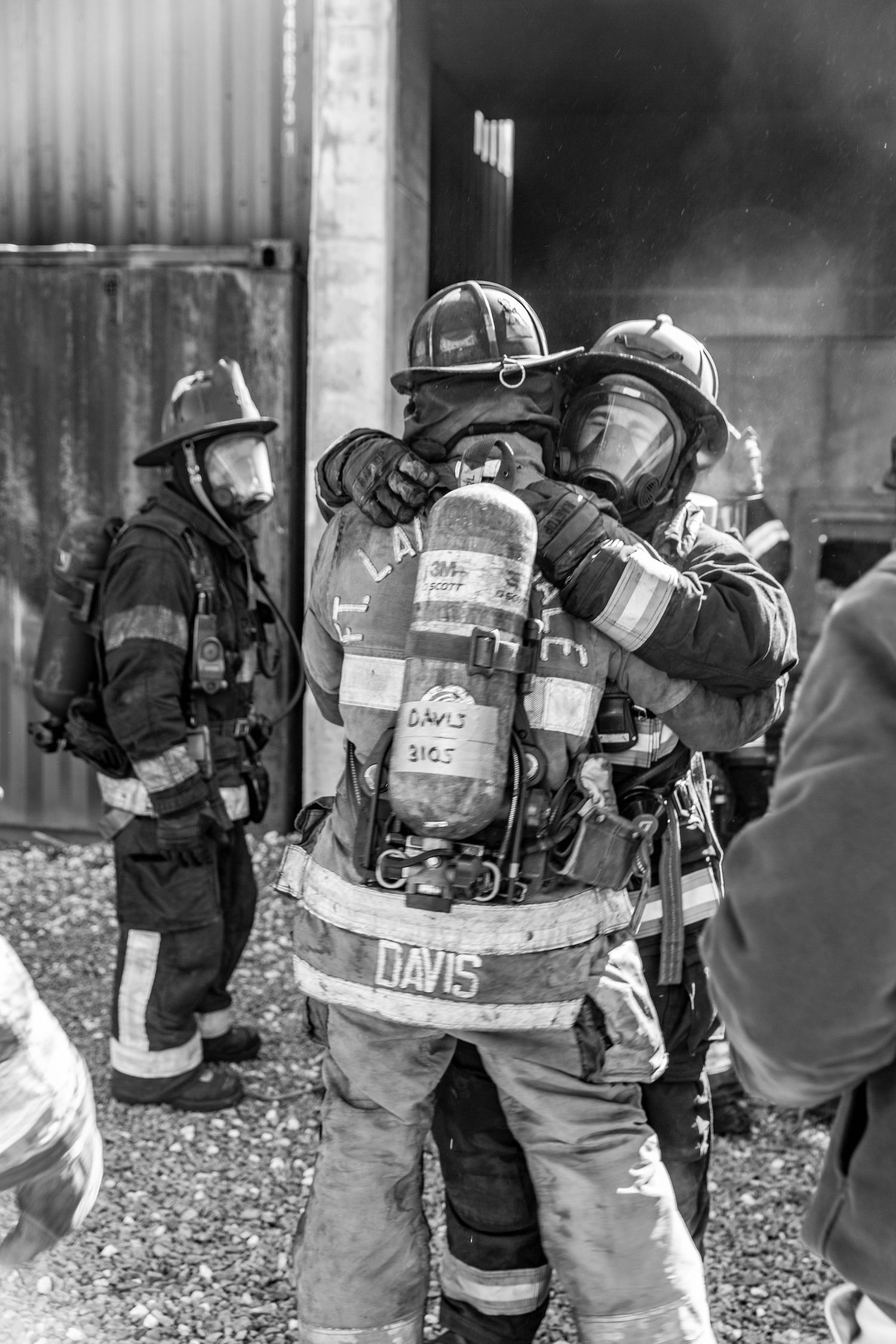
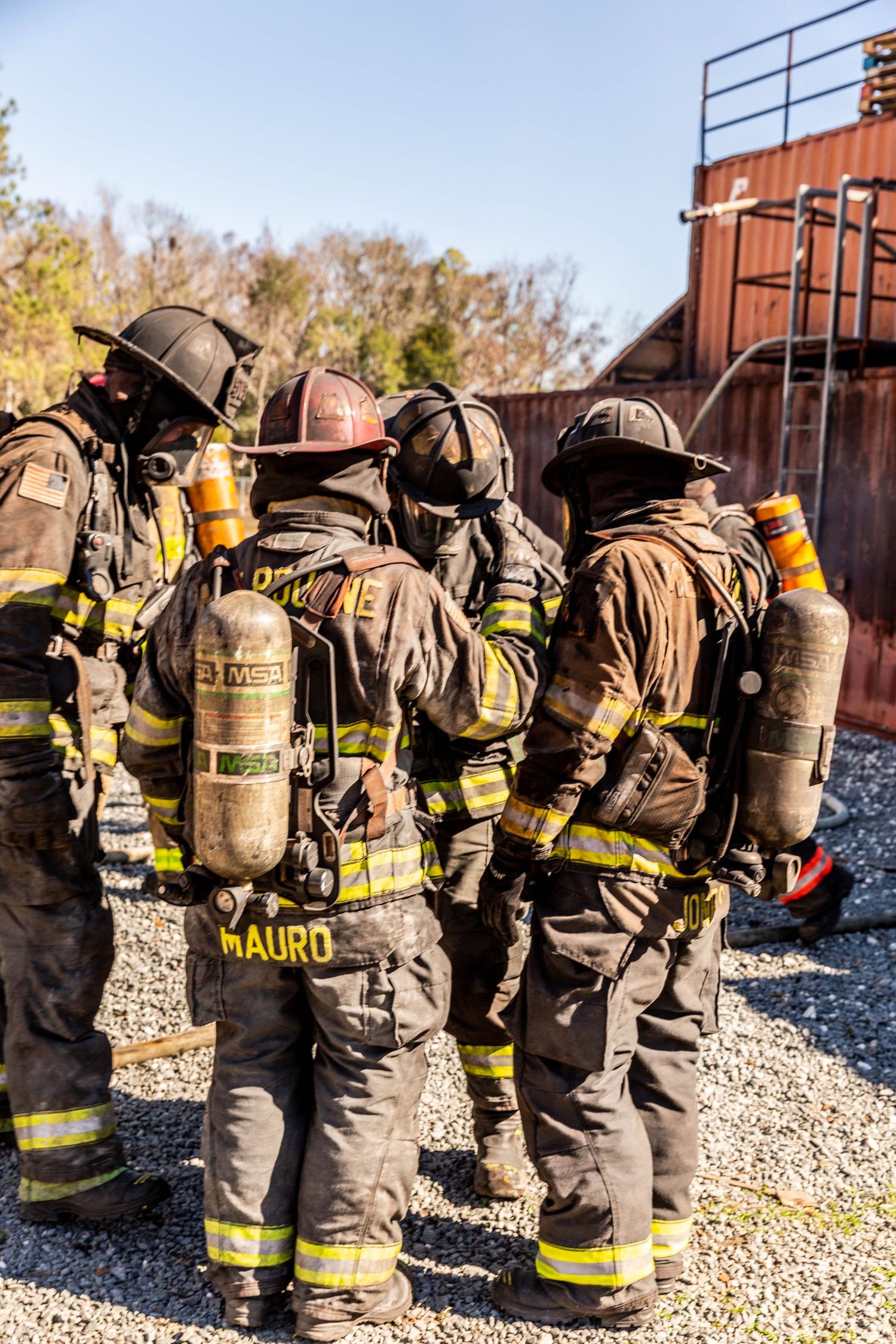
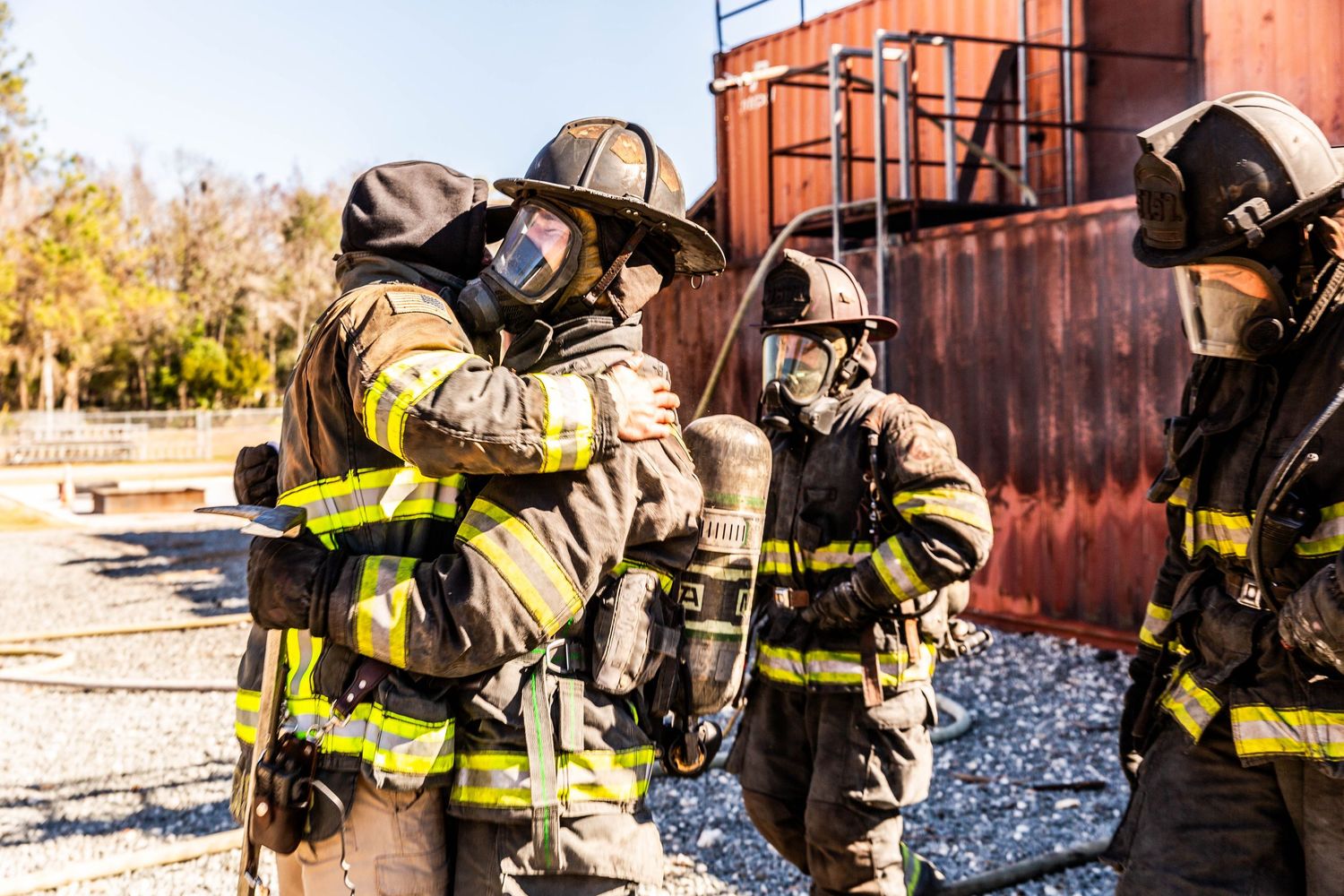
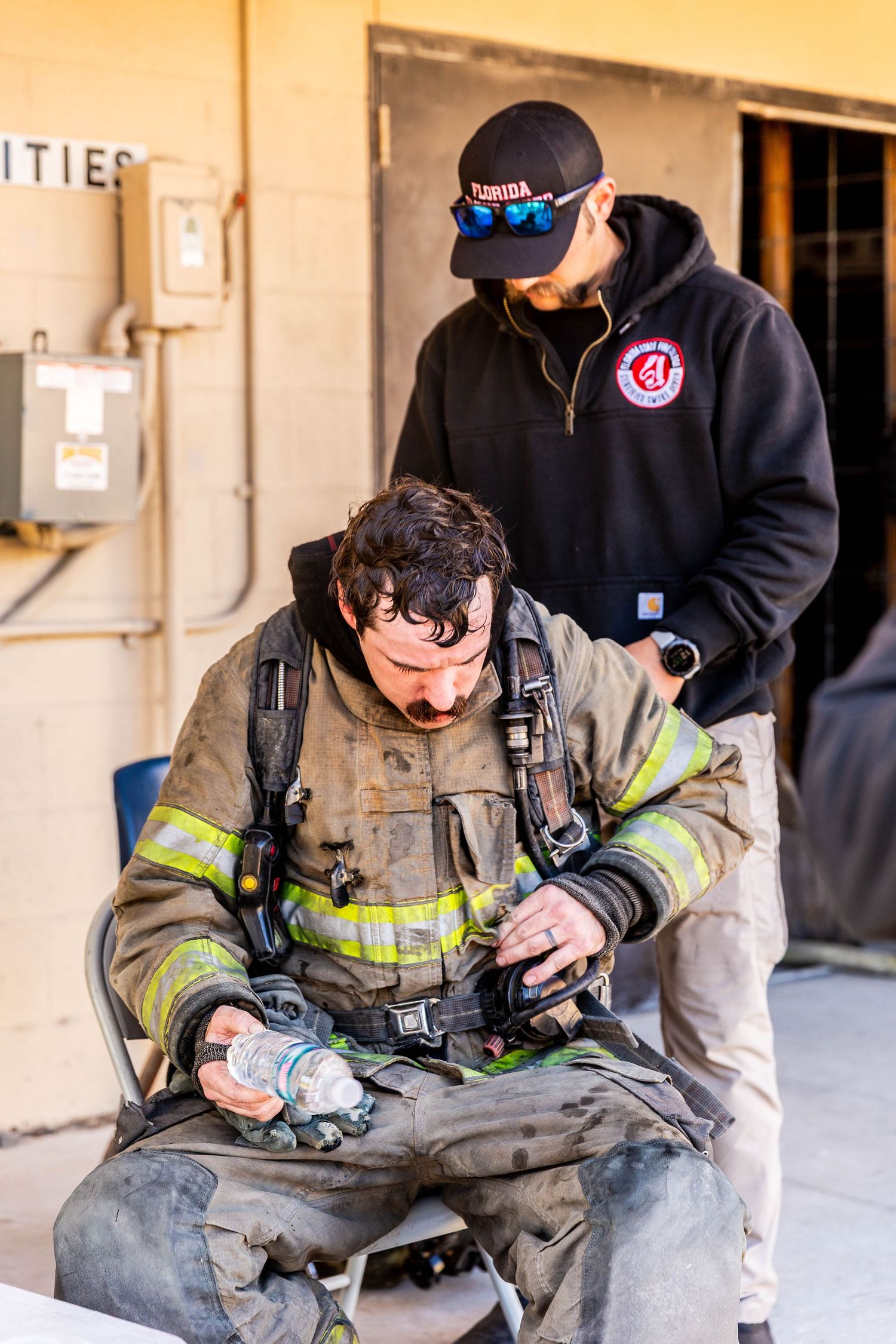
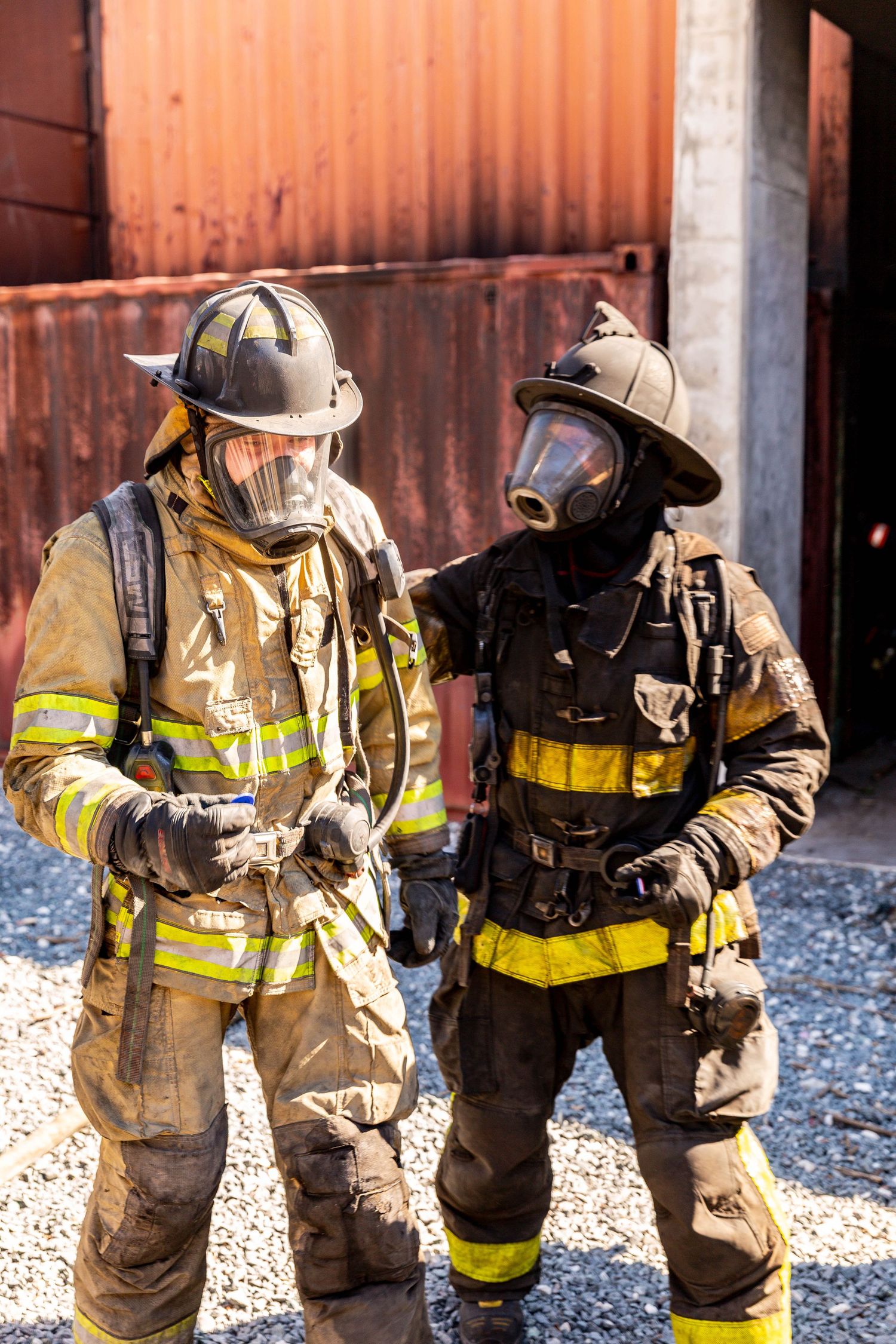
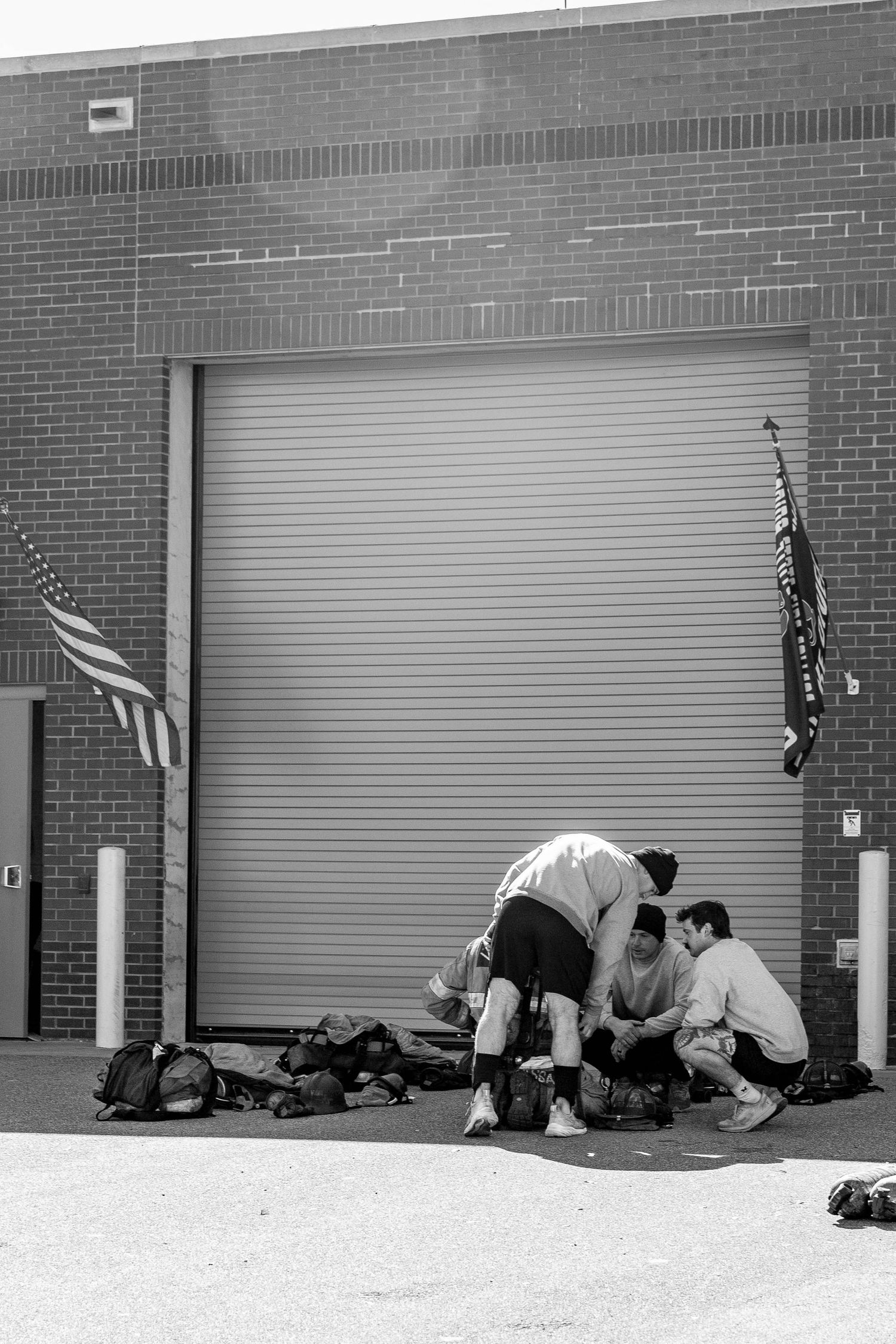
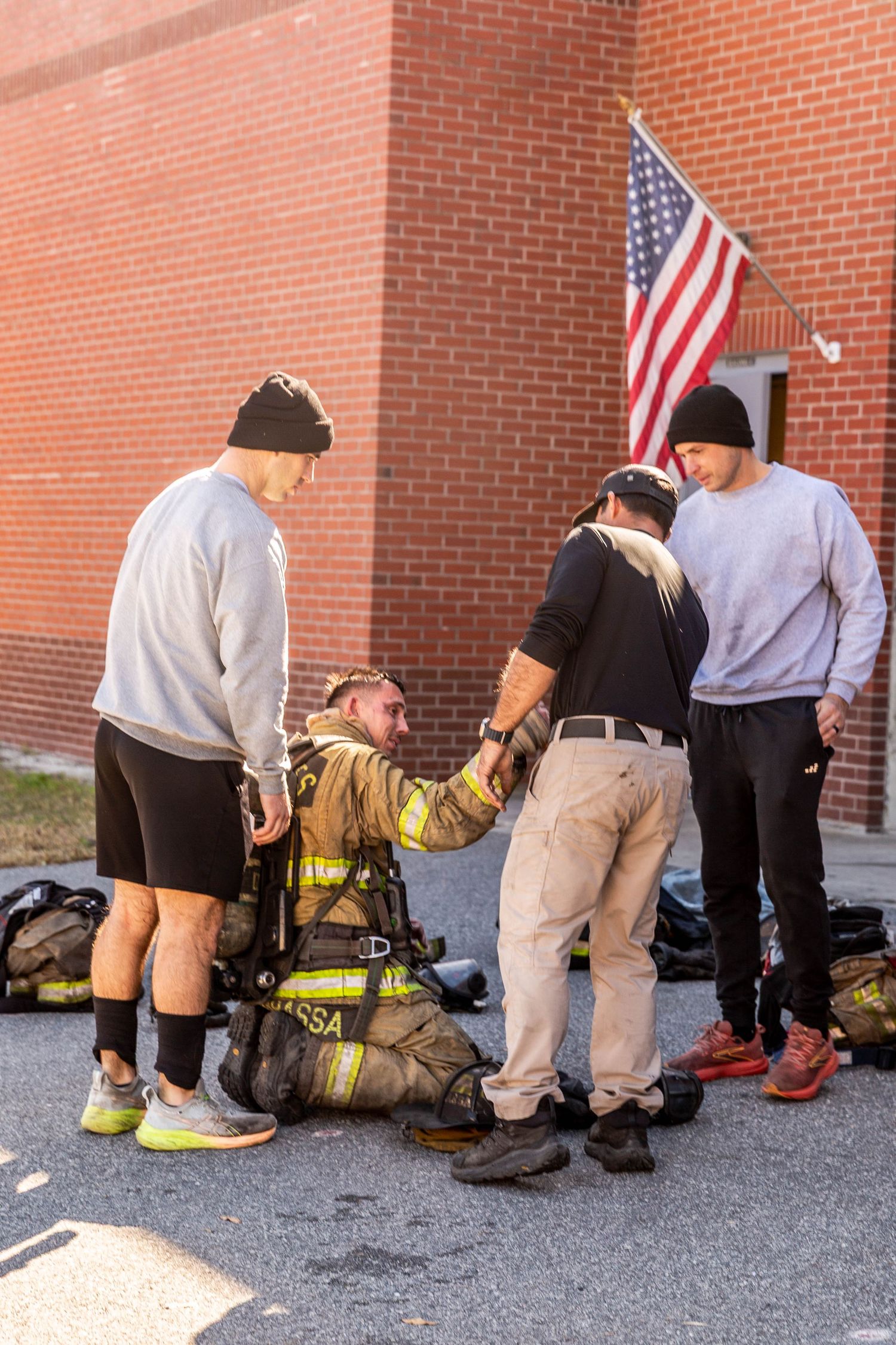
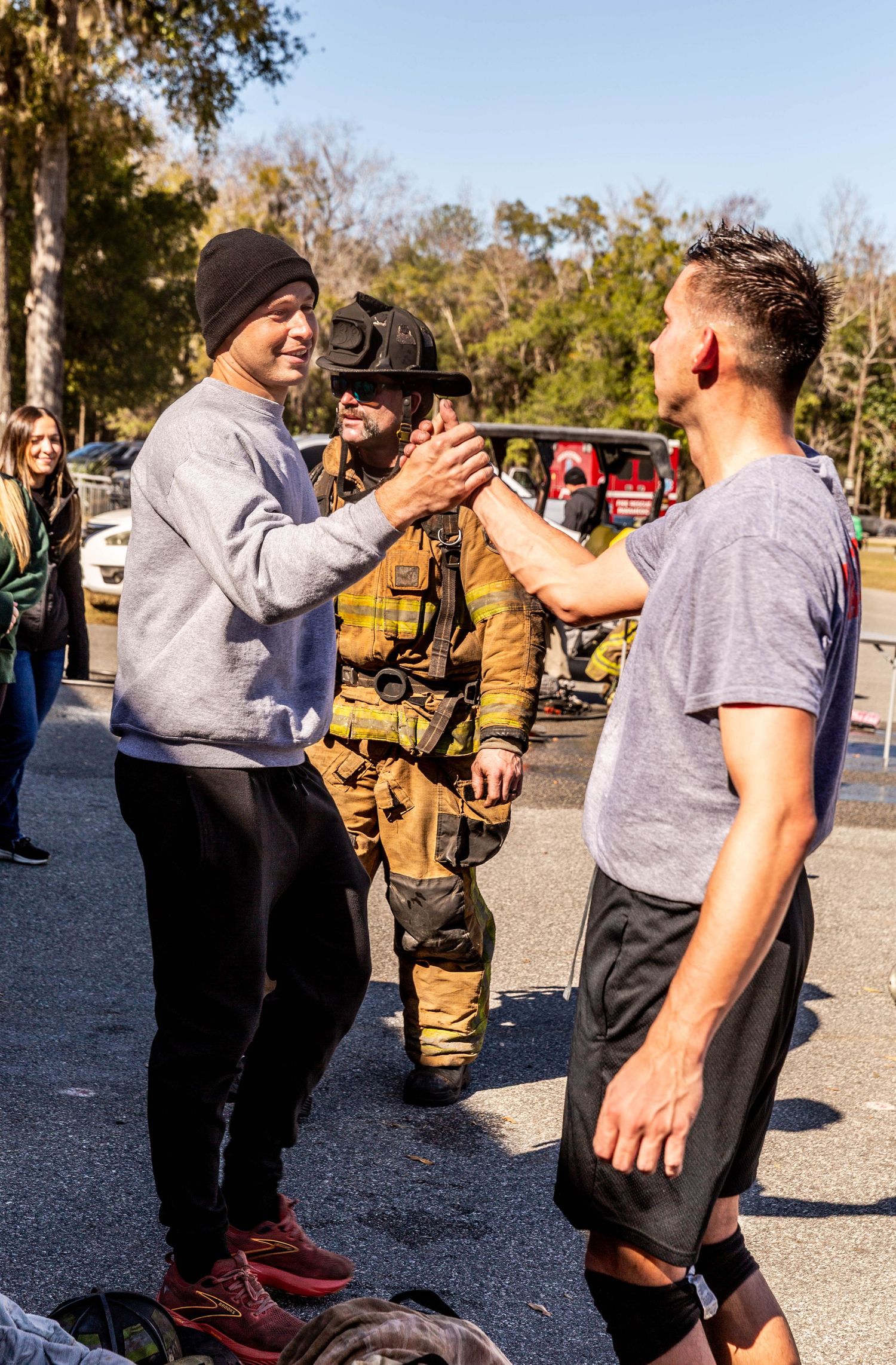
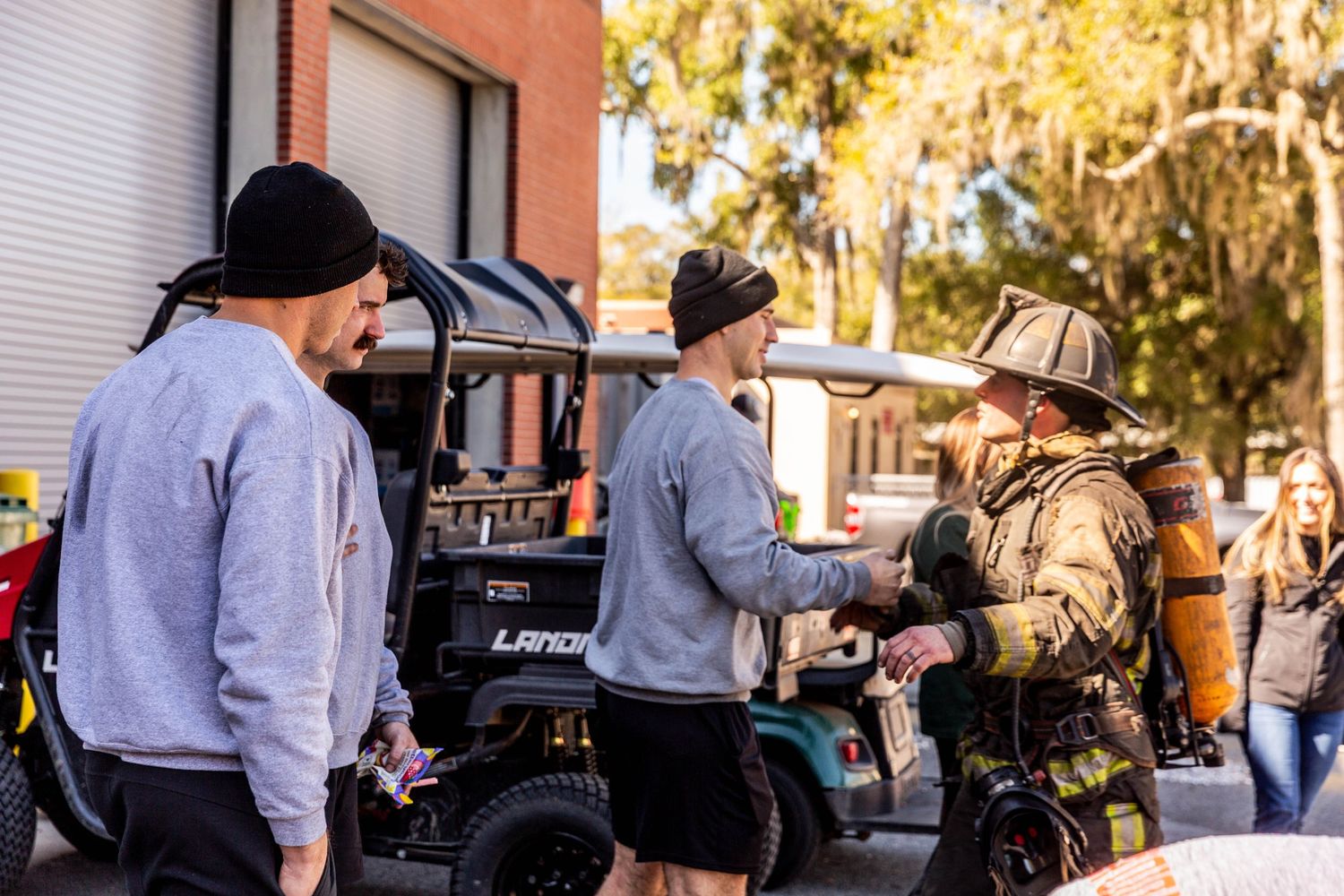
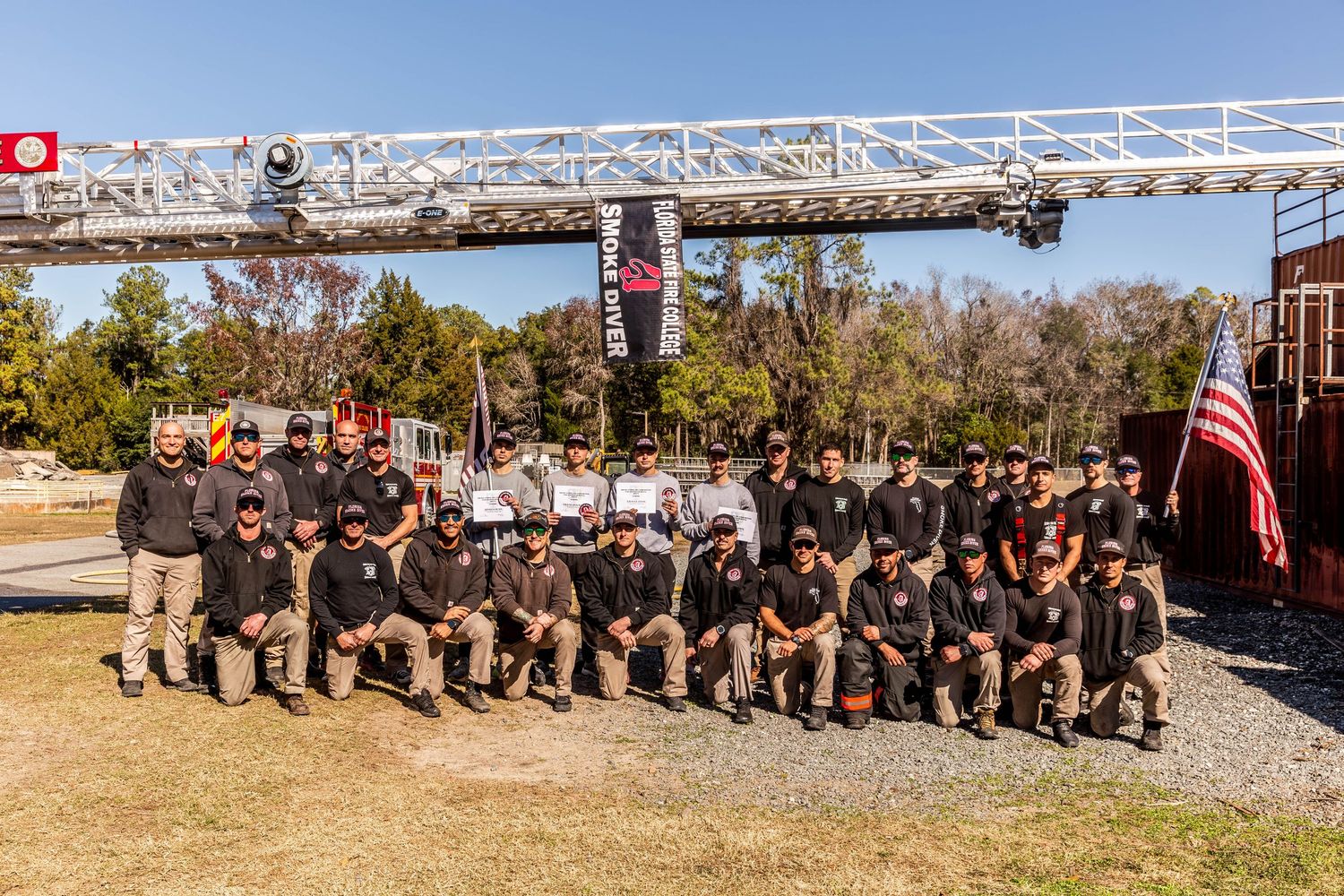
What moved me most that day wasn’t just who finished. It was the bond. Coworkers who became mentors. Mentors who became family. The ones who cover your calls when training goes sideways. The ones who remind you that the comeback story is sweeter than the easy success. The ones who stand steady when you’re questioning whether you belong on those grounds at all.
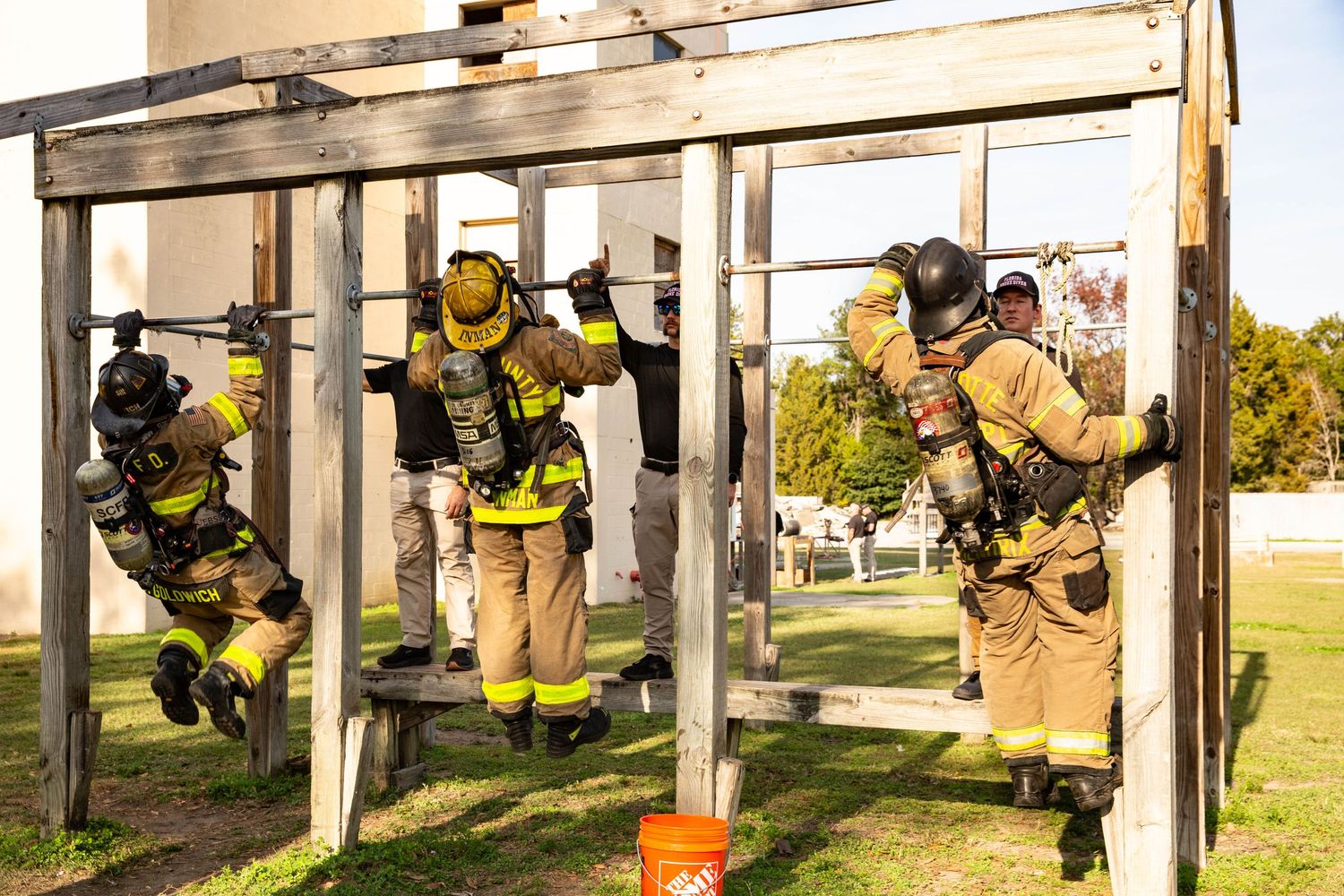
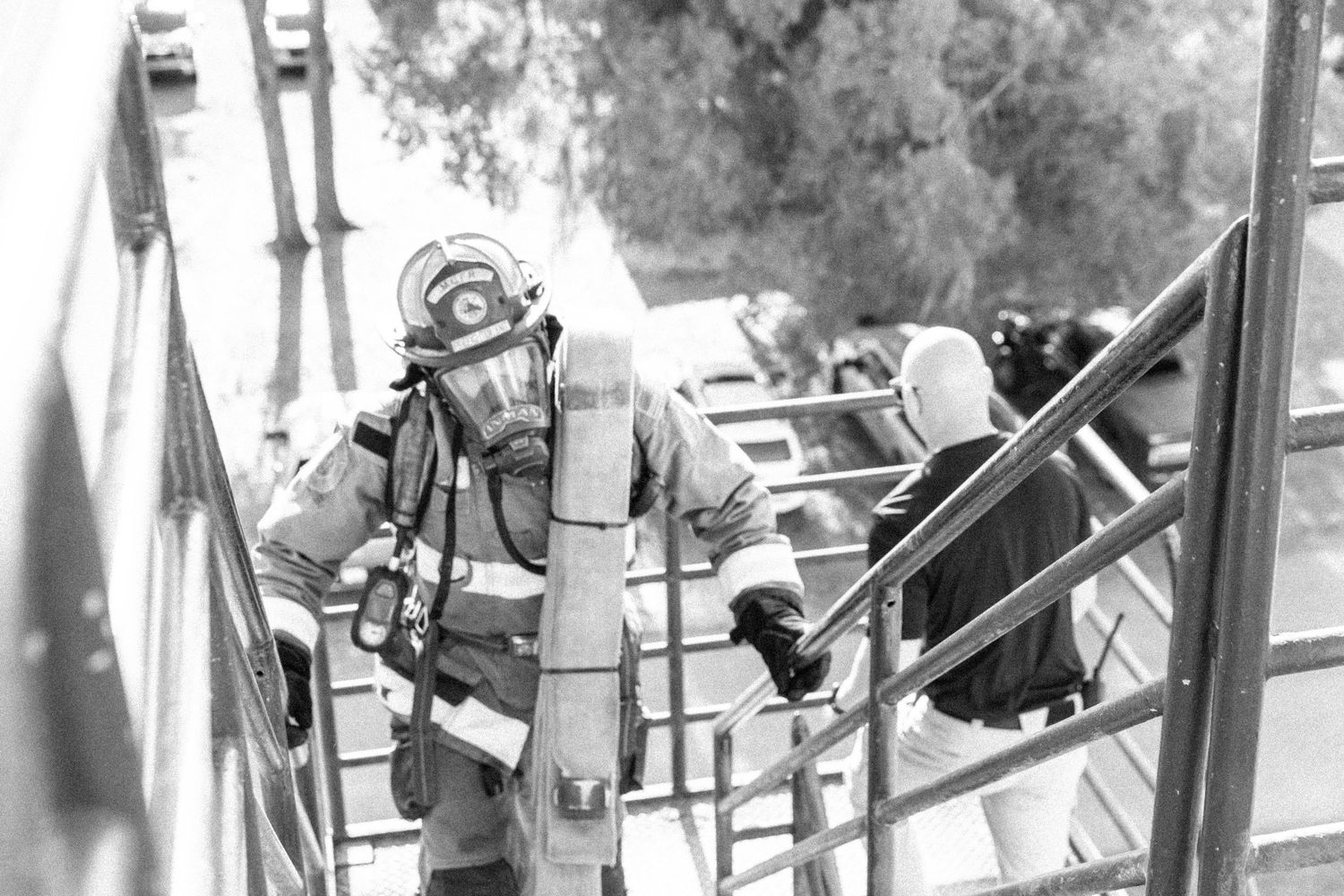
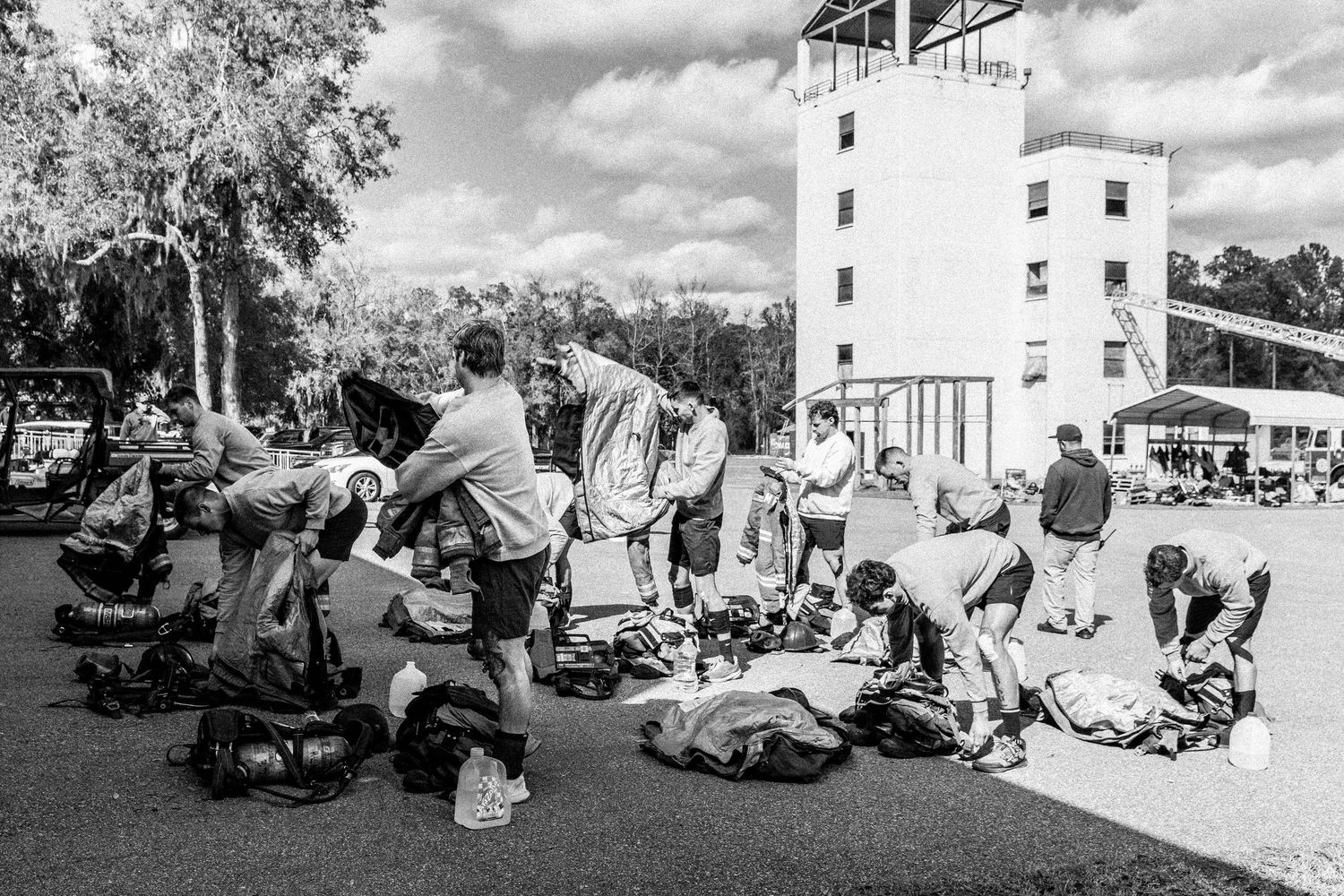
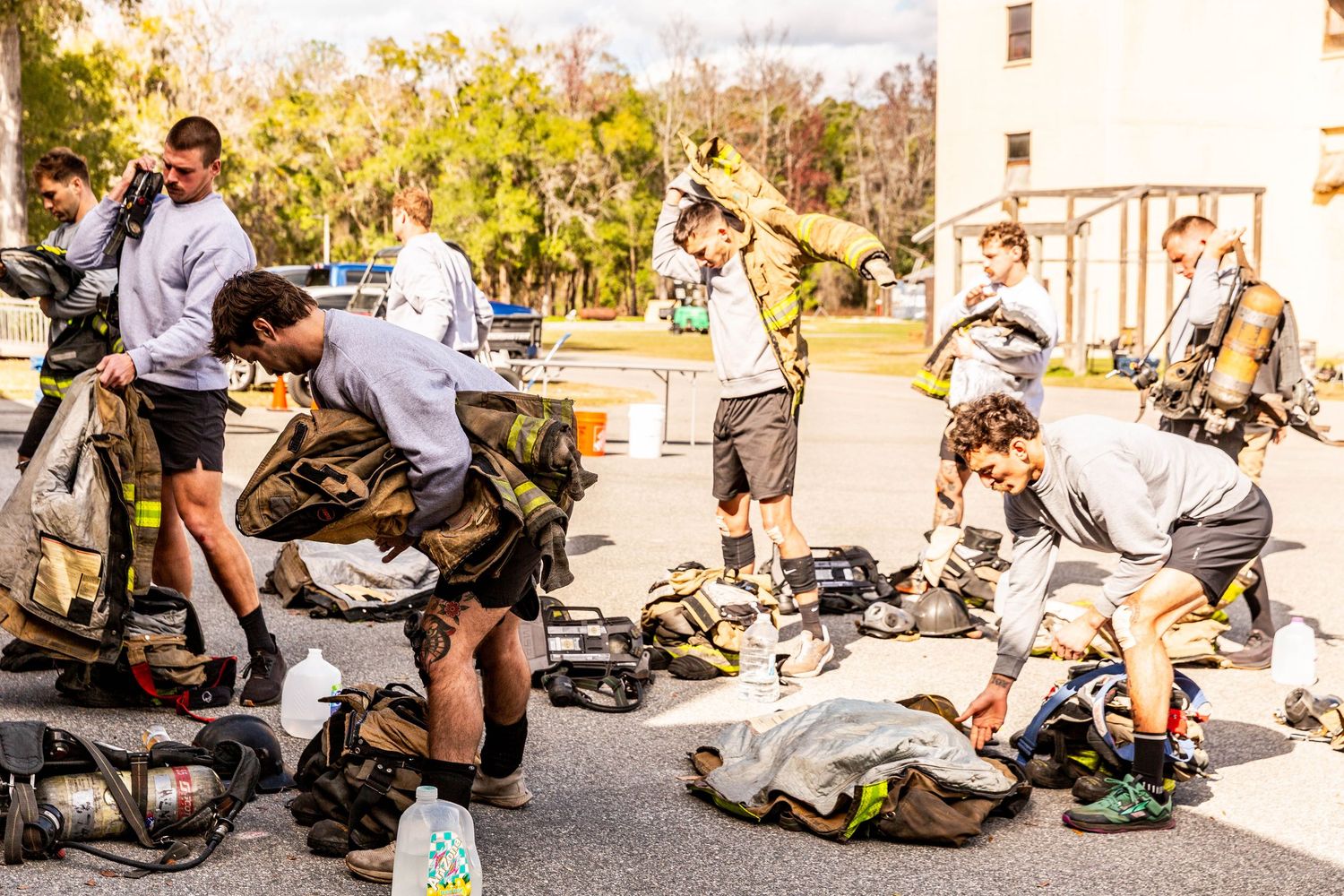
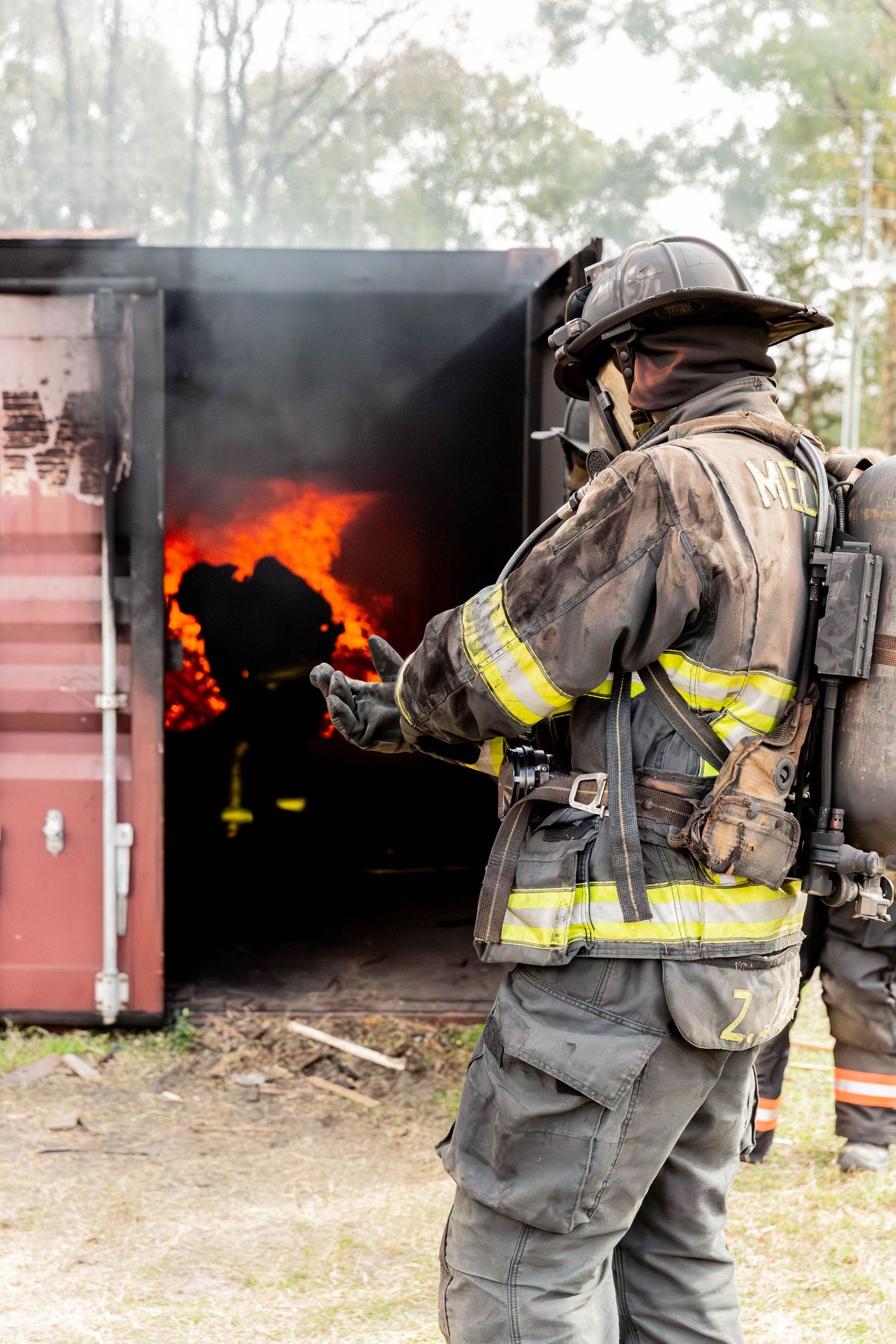
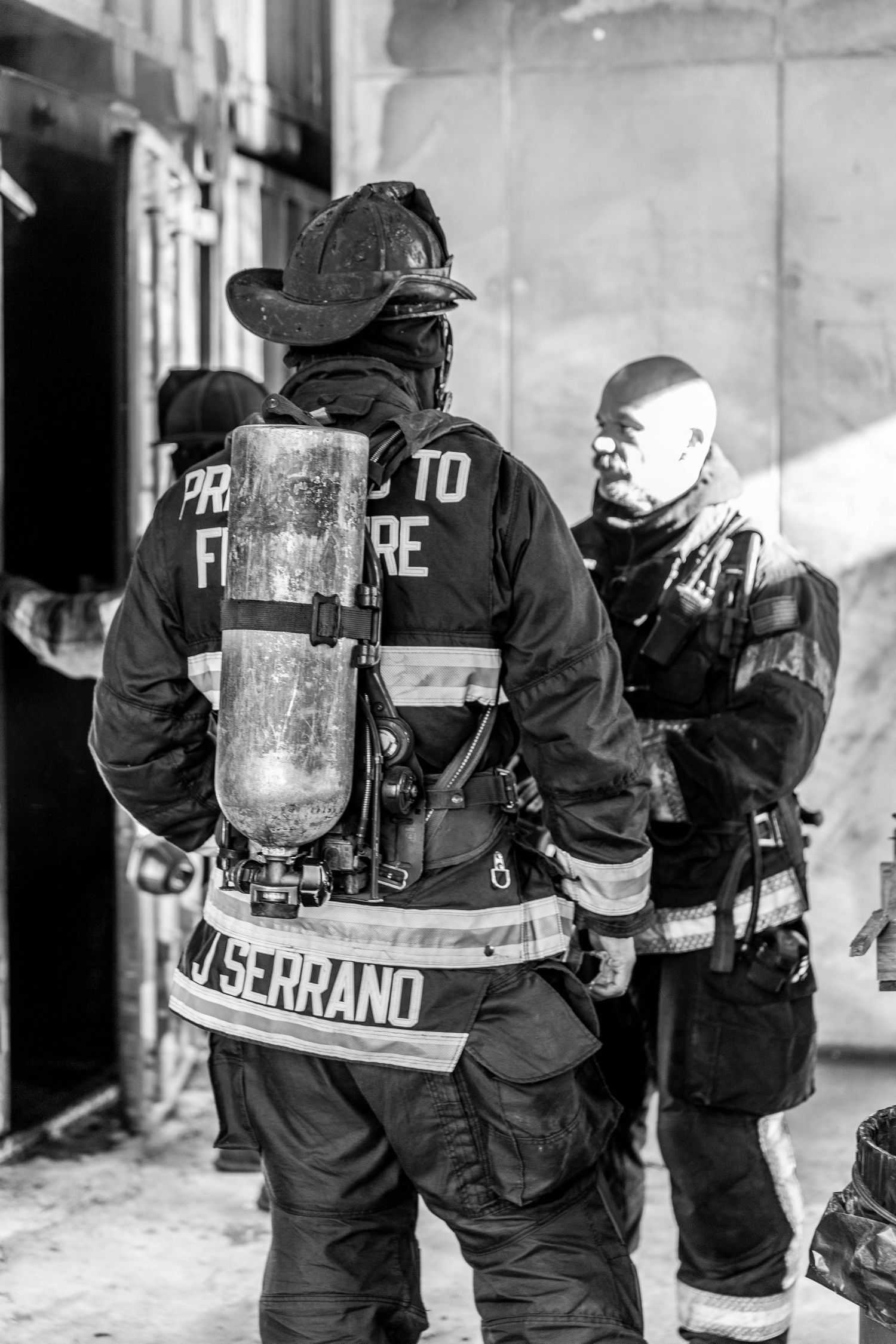
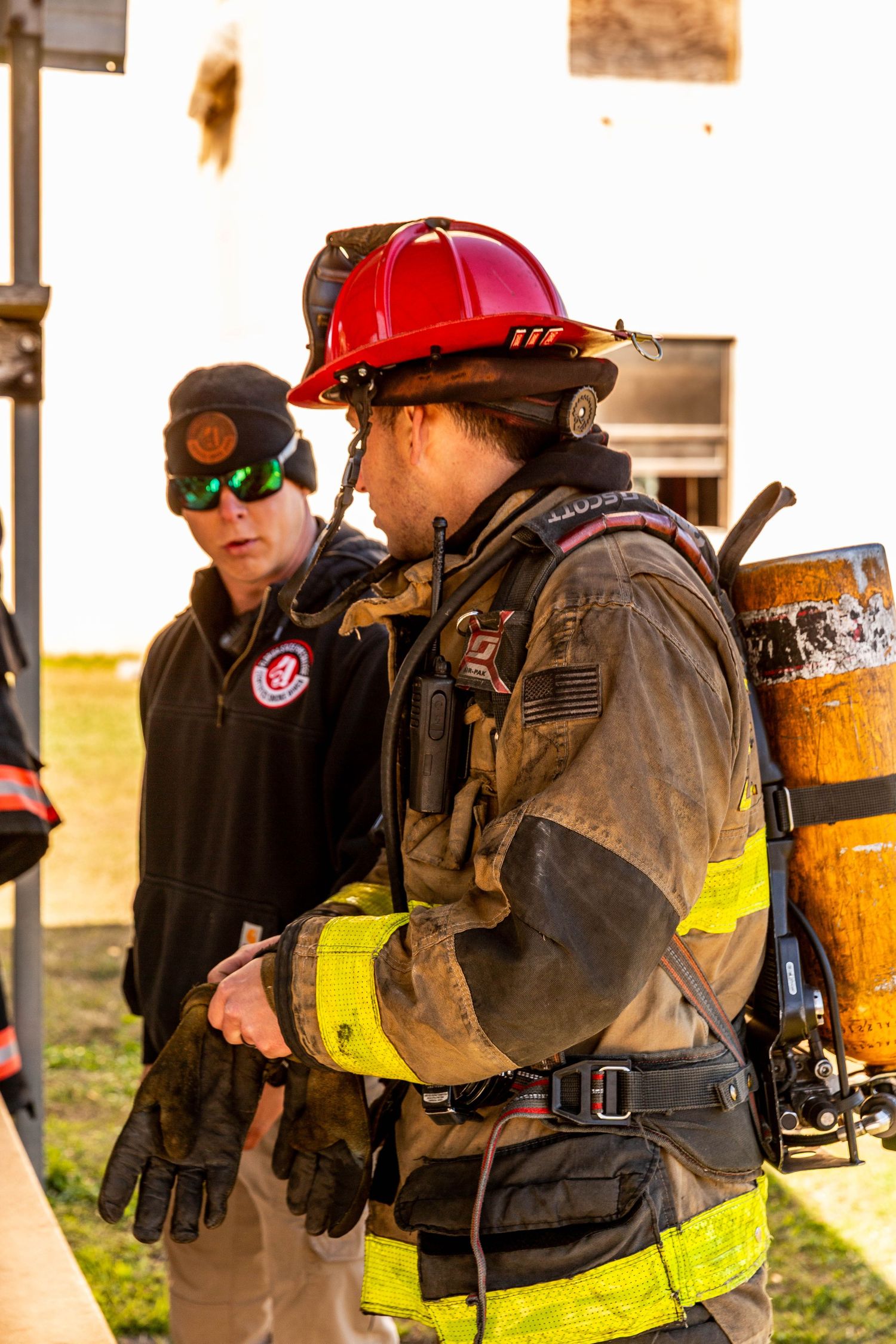
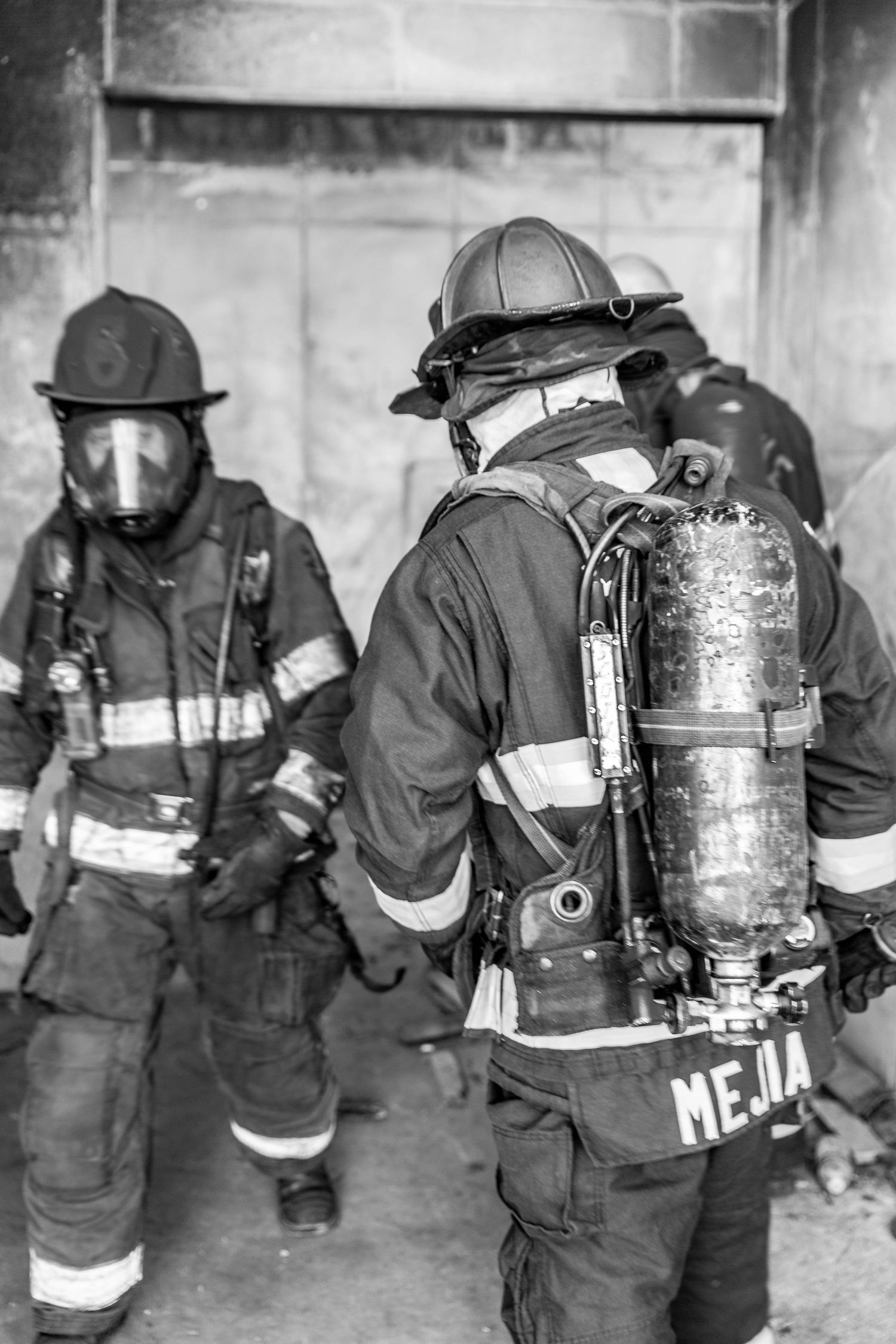
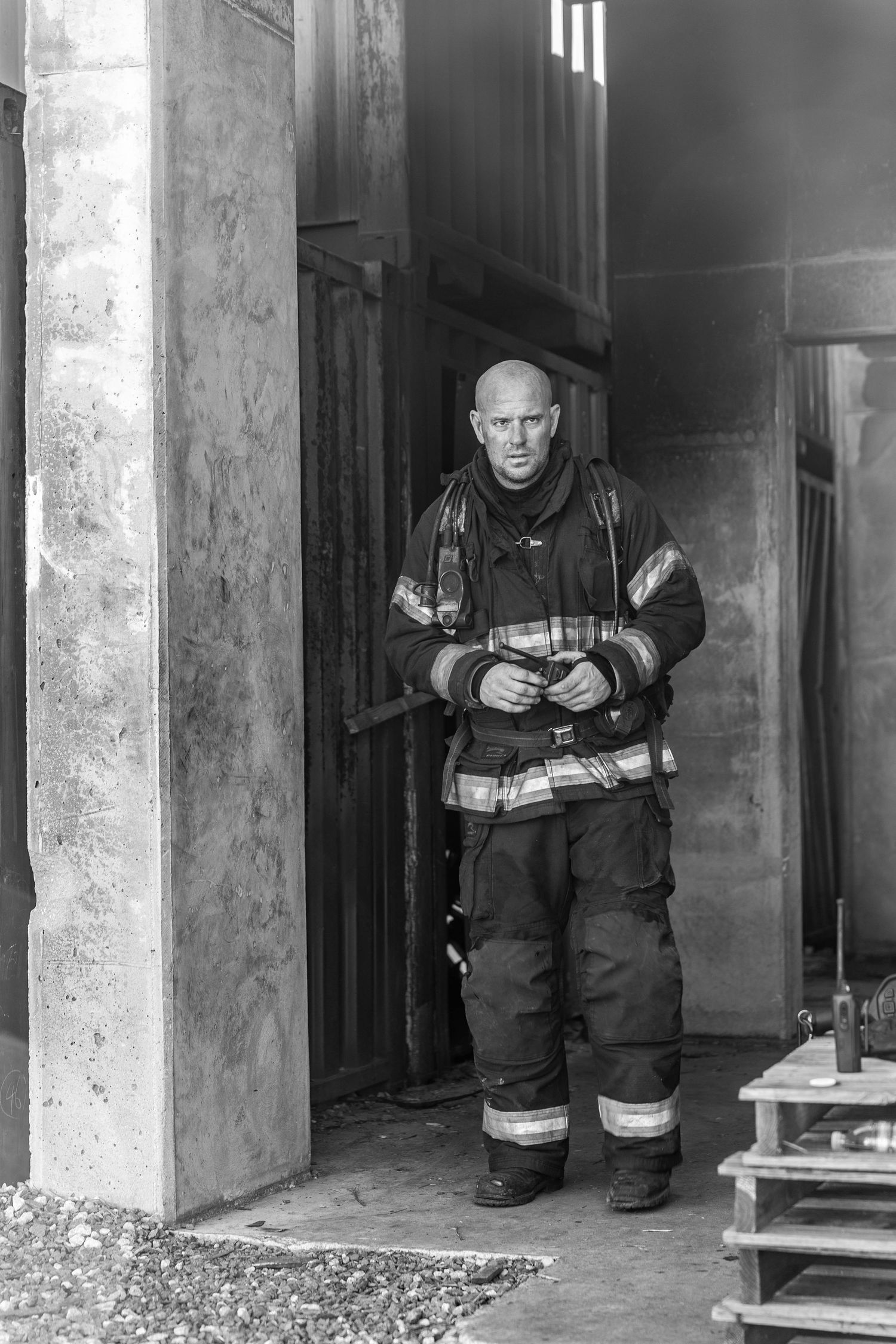
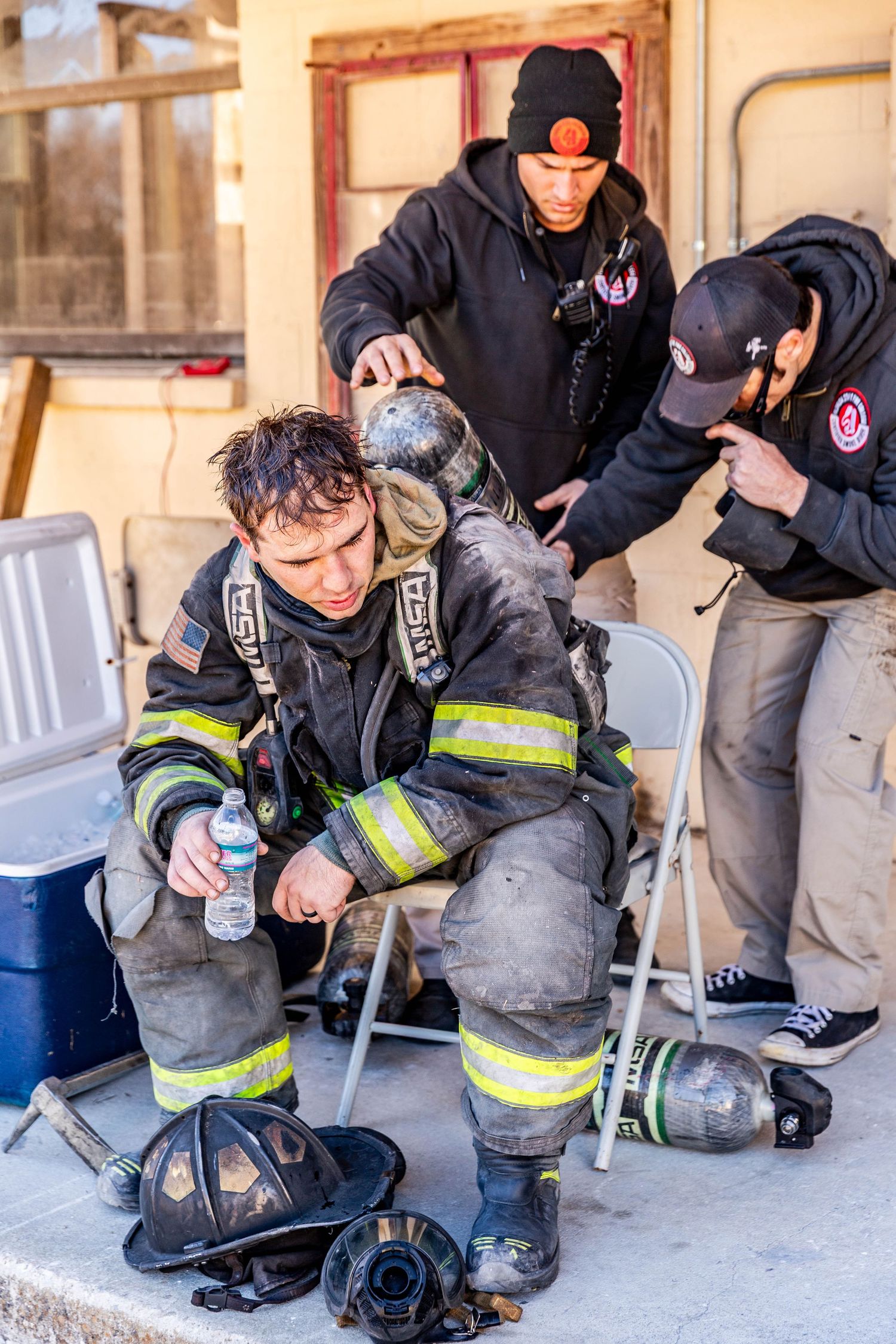
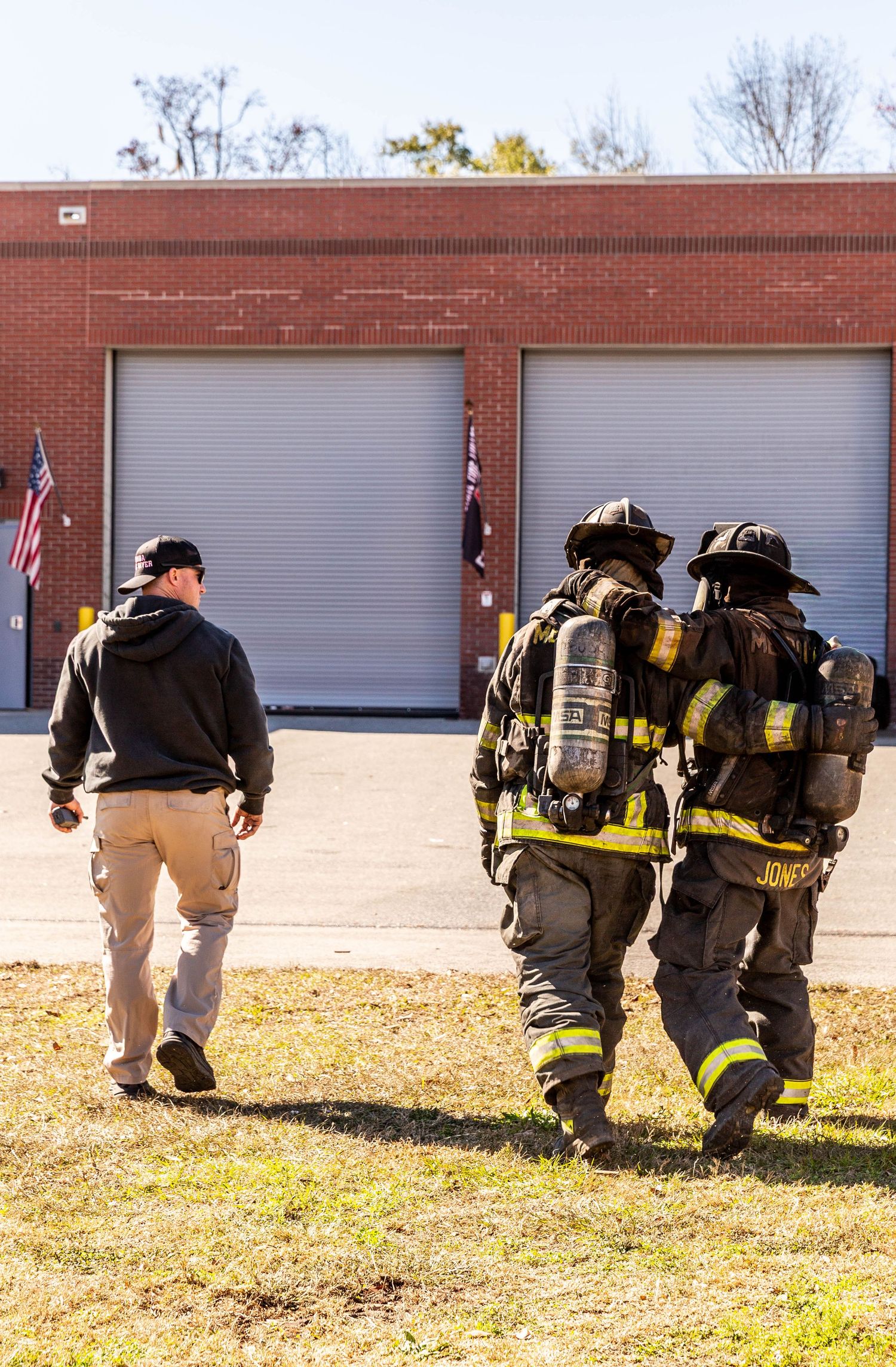
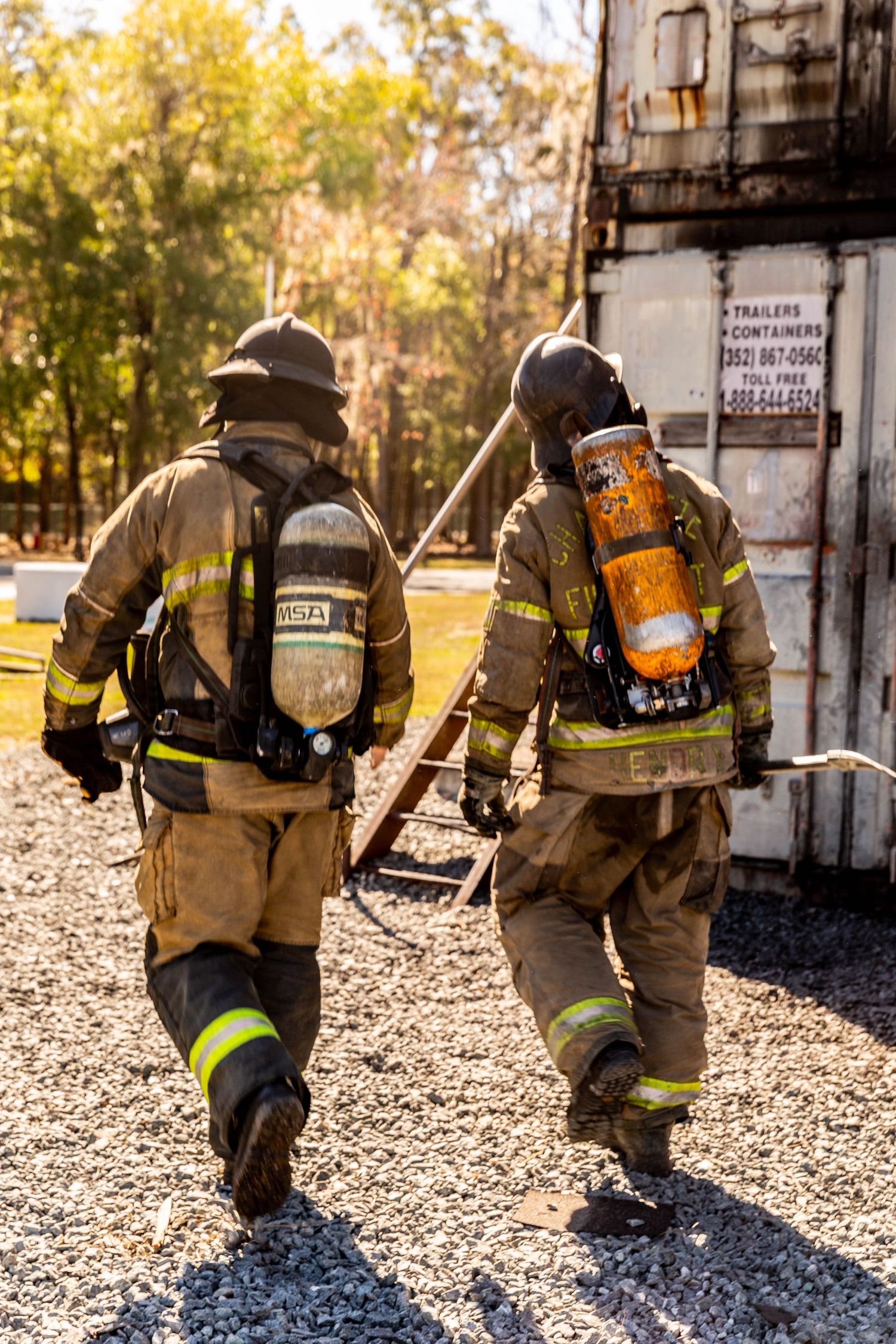
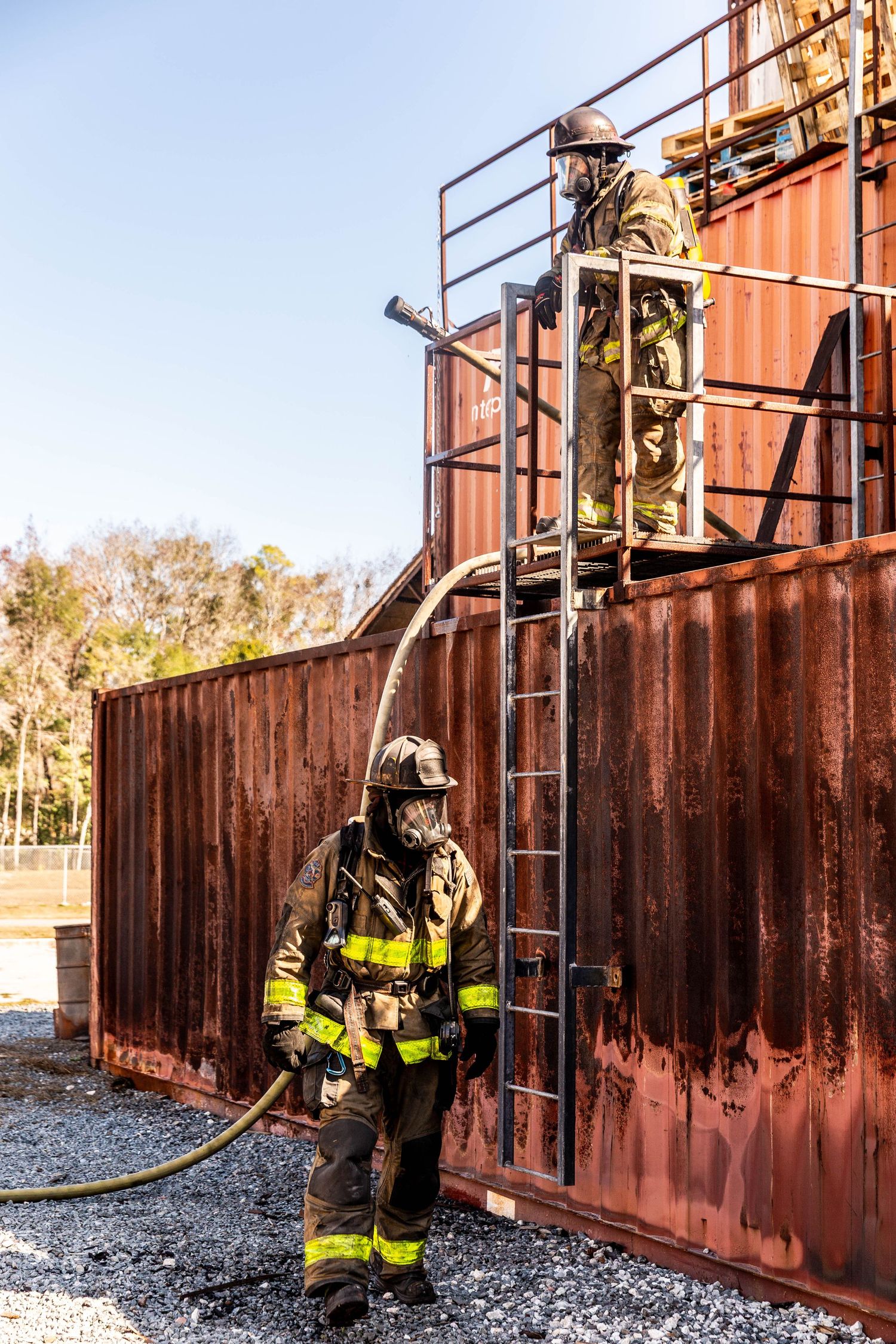
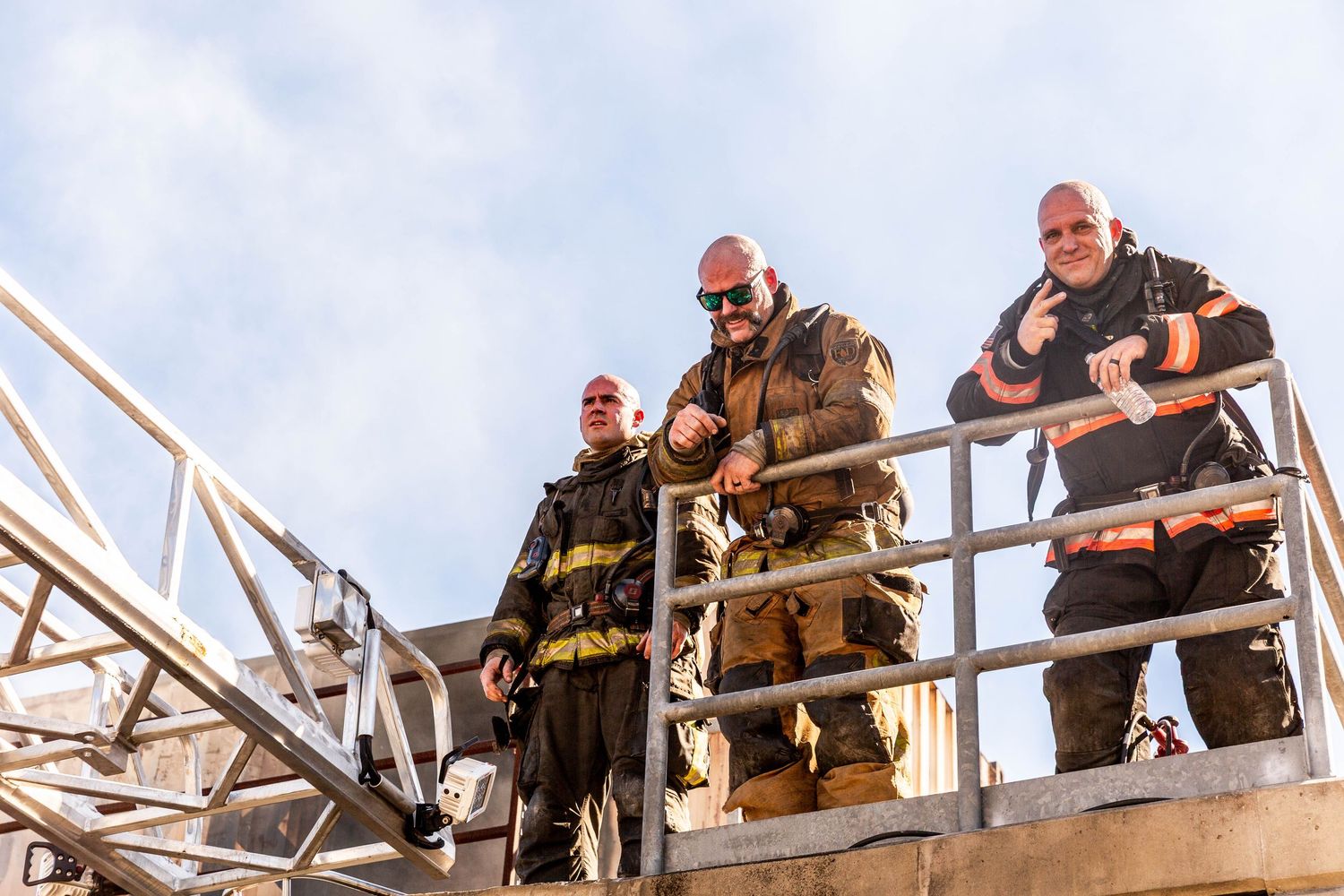
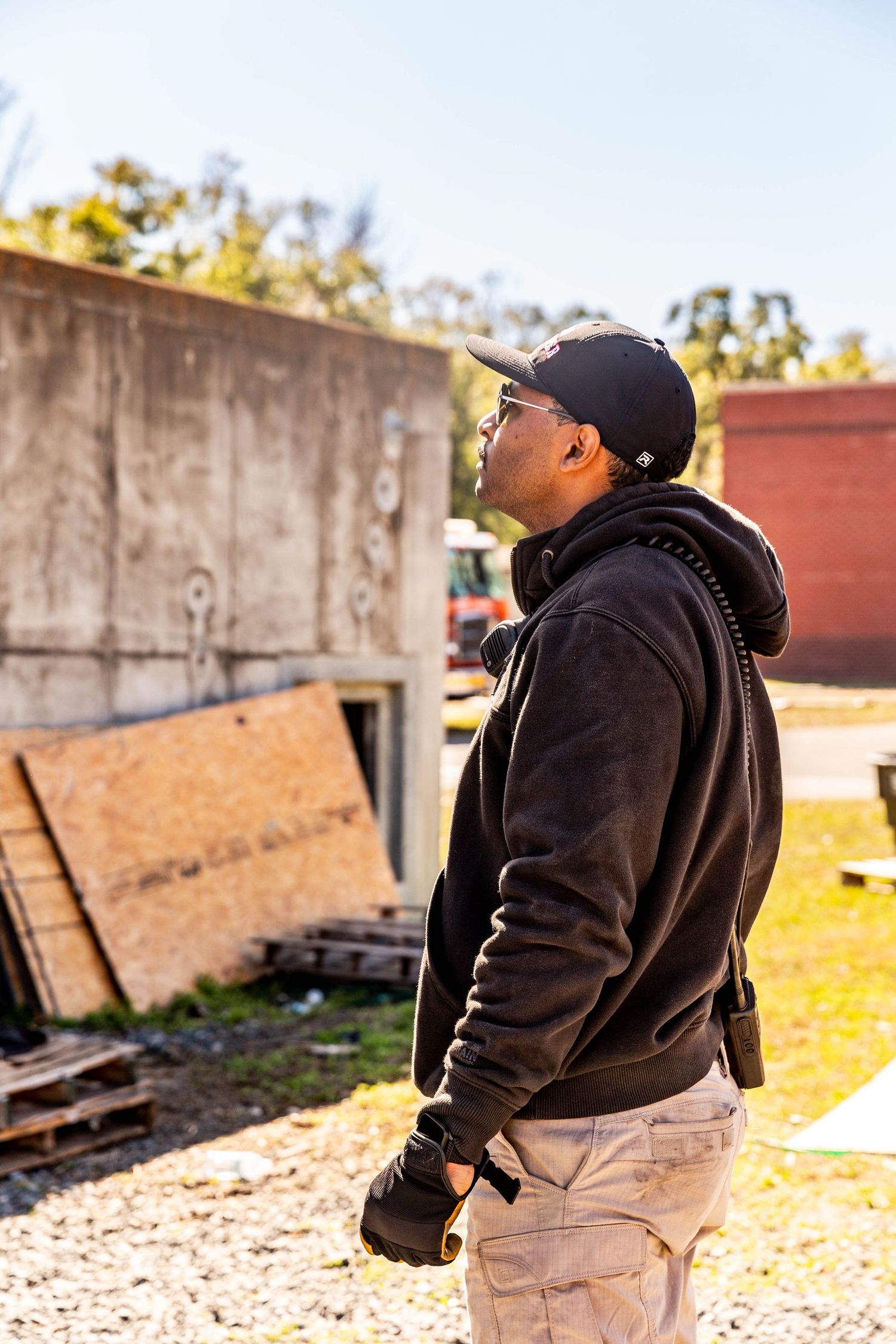
I watched candidates dig deeper than their bodies wanted to allow. I watched seasoned Smoke Divers beam with pride as they quietly pointed out “their guys.” I watched men move together like they had worked side by side for decades, even if they had just met days before.
And that’s when it clicked for me.
Legacy isn’t written on patch day.
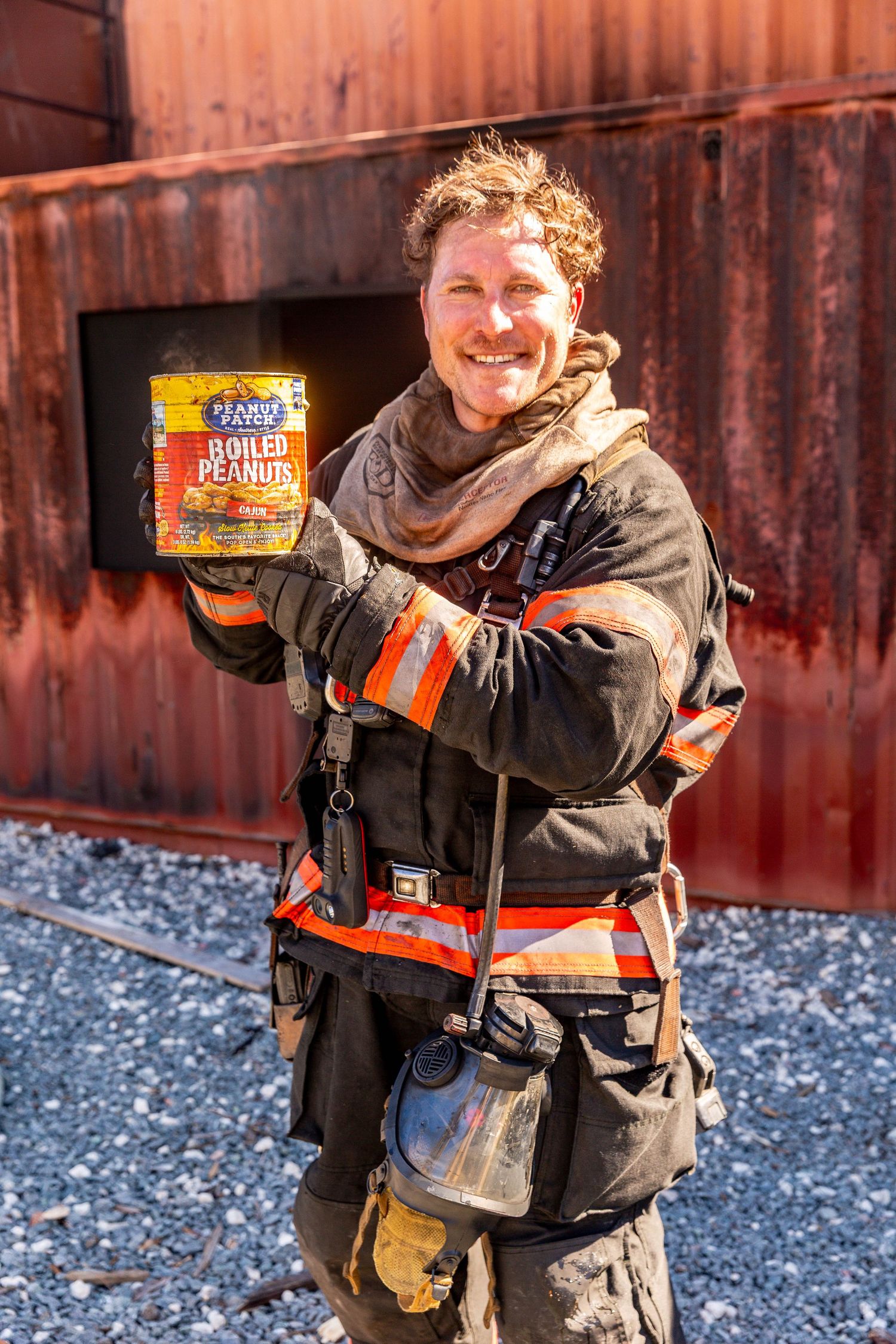
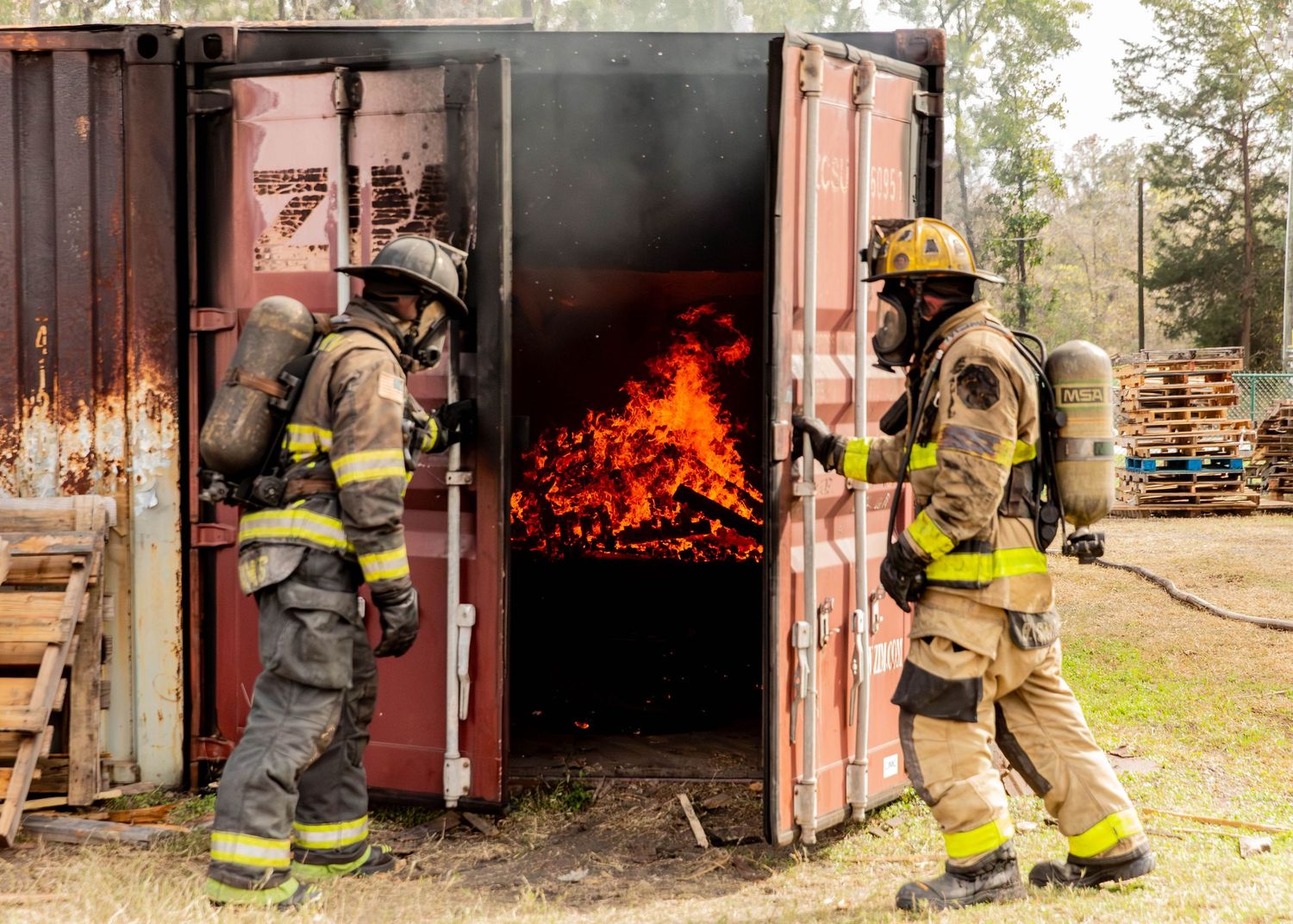
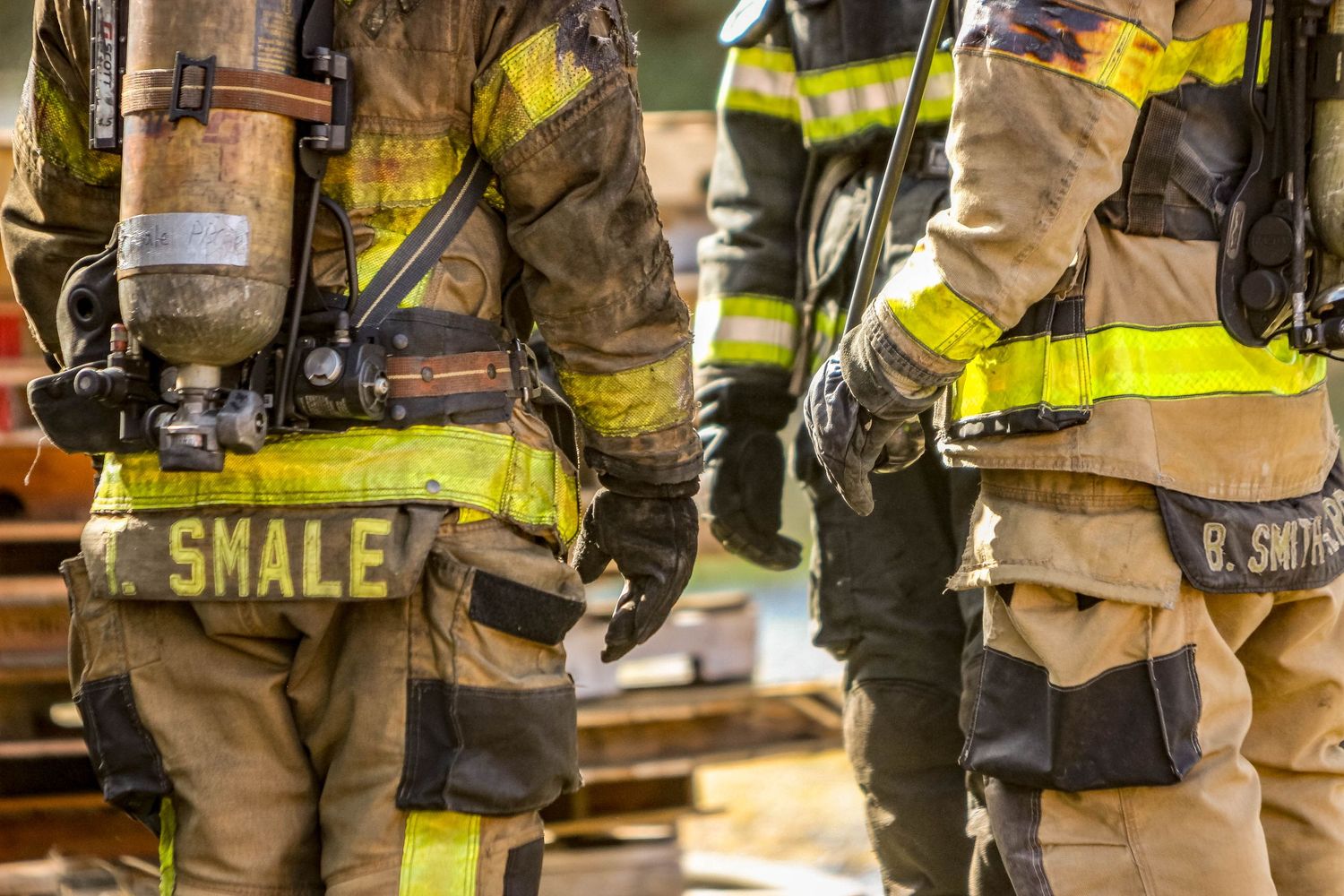
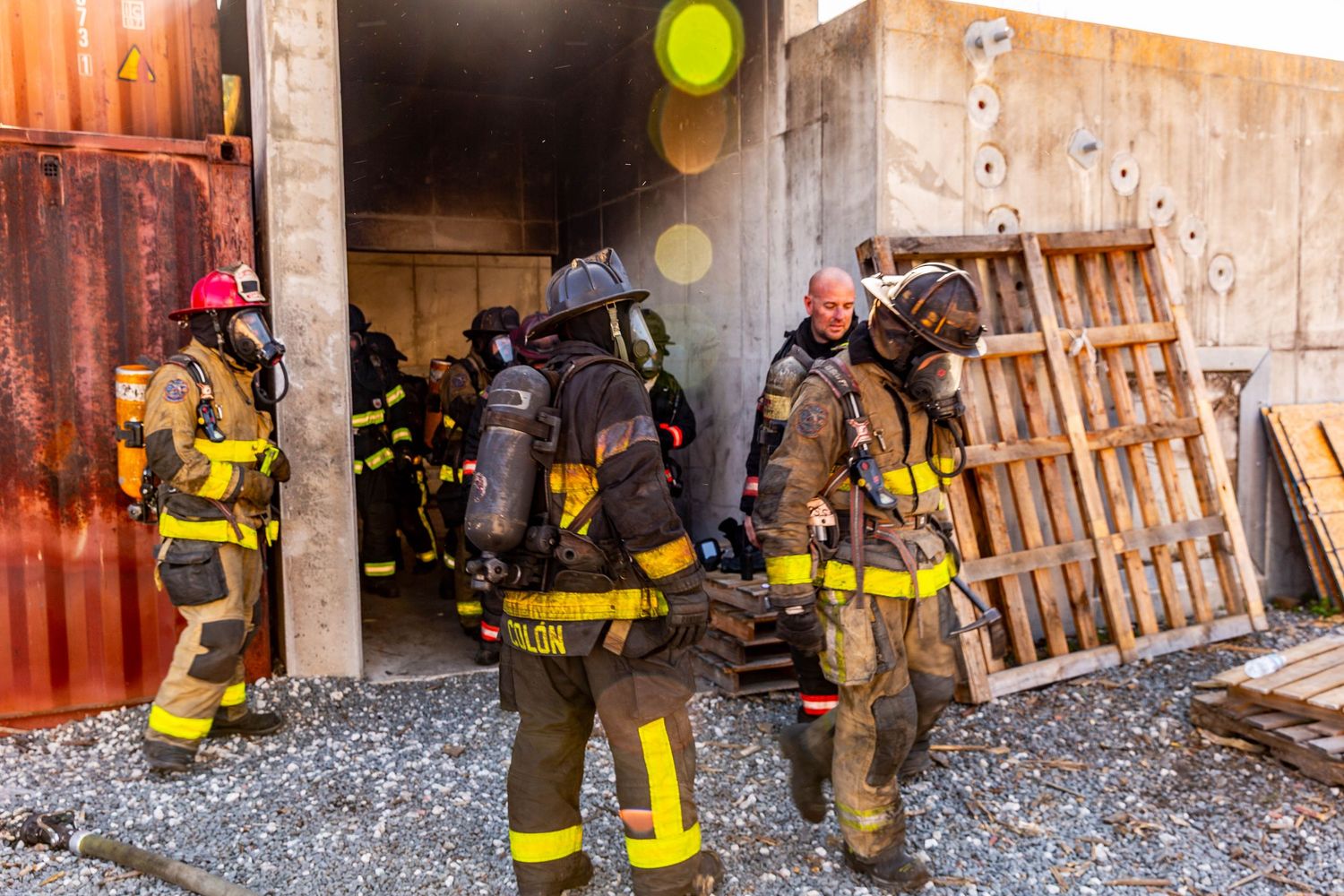
It’s written long before that — in how you show up, how you train, how you carry yourself, and how you lift the person next to you when they’re running on empty. It’s in the traditions. The boiled peanuts in the burn box. The long nights spent preparing. The quiet encouragement between candidates that may have only met hours before.
It’s in the understanding that this process doesn’t just make you better at your job. It makes you better in your life. It shapes how you show up for your community and for your family. It teaches resilience in a career that is unforgiving and constantly evolving.
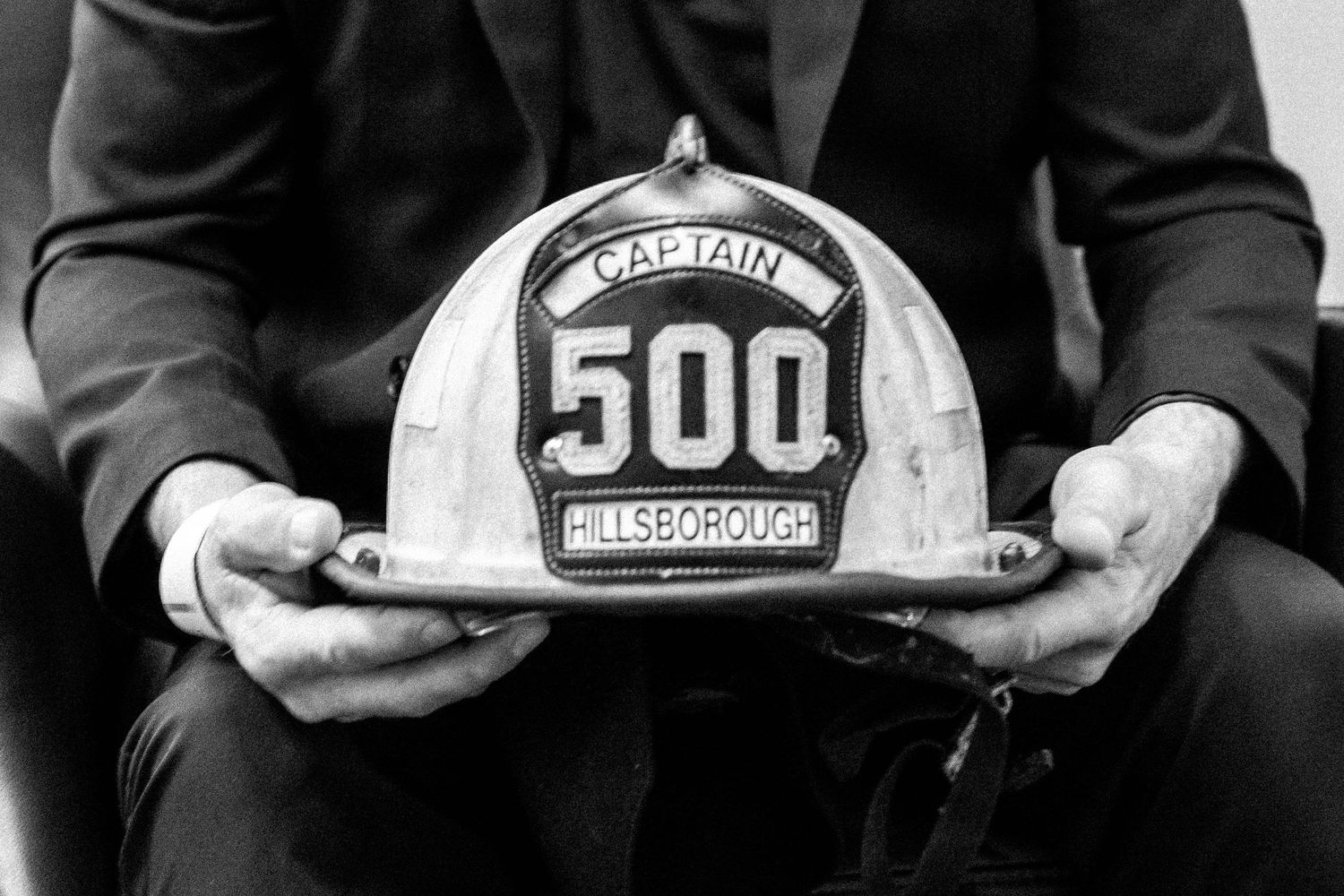
There in the Smoke Diver Program every legacy matters — the ones who passed, the ones who are still chasing it, and the ones who will try again next year. It lives on in the ones who try again. In the ones who mentor the next group. In the families who quietly hold it all together while they’re gone. The patch may be earned in a week — but the legacy behind it is built over years.
I’m deeply grateful I was invited in to document even a fraction of it this year. To witness the standard up close. To feel the weight carried into each evolution.
And I hope to stand on those grounds again next year — continuing to preserve what’s being built long before the patch is ever placed on a sleeve.
I’ll leave you with a note from one of this years’ Smoke Divers:
“The process is long; it hurts and there will be a lot of ups and downs. Some training days will go great and you feel ready; others go terrible and you feel you will never be prepared. Enjoy the process, not only are you just training for a class but you are bettering yourself every day for a career that is unforgiving and forever changing. That feeling of successfully passing the class is a feeling I have never felt before and don’t think that feeling will ever go away.”
Legacy isn’t automatic.
It’s built.