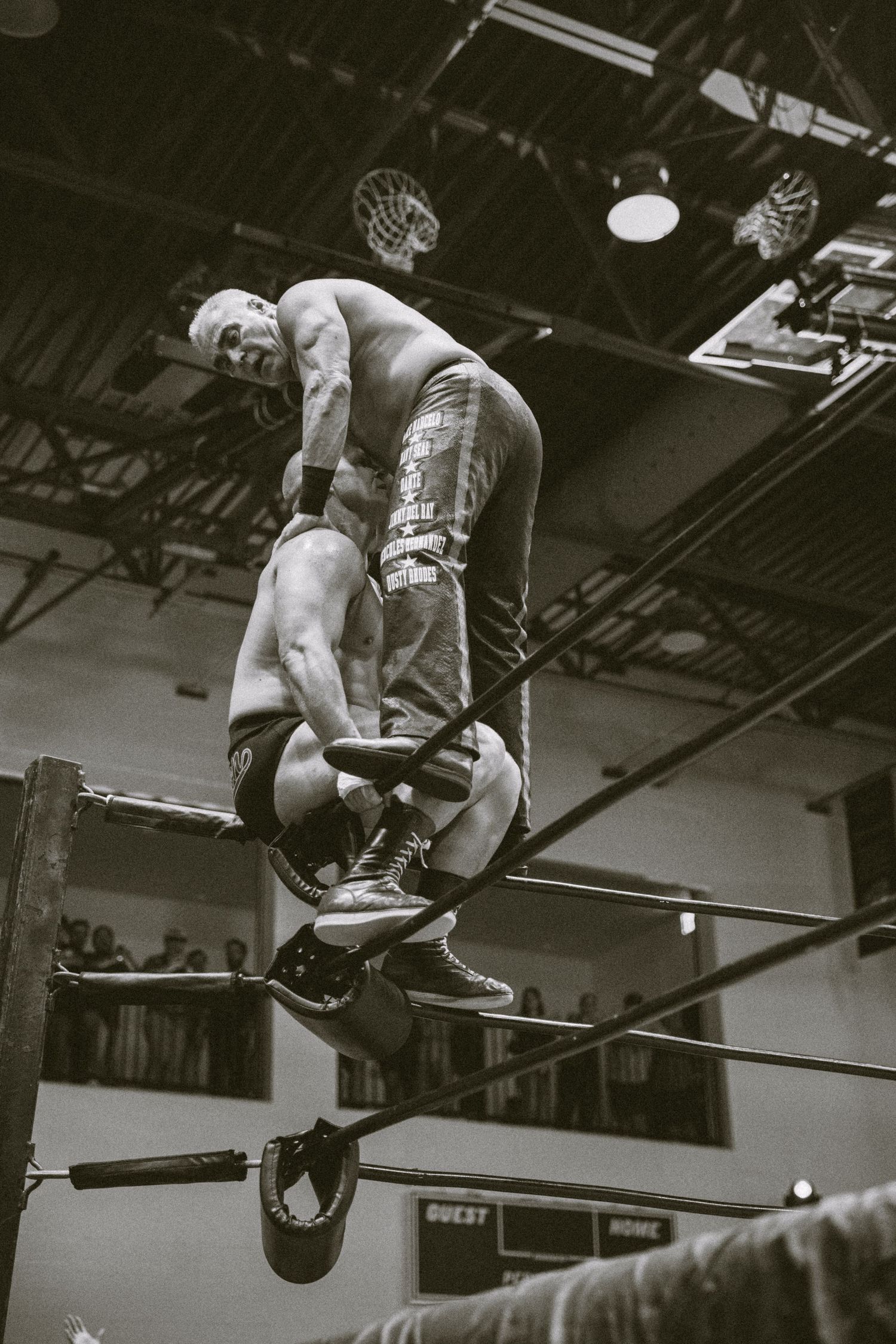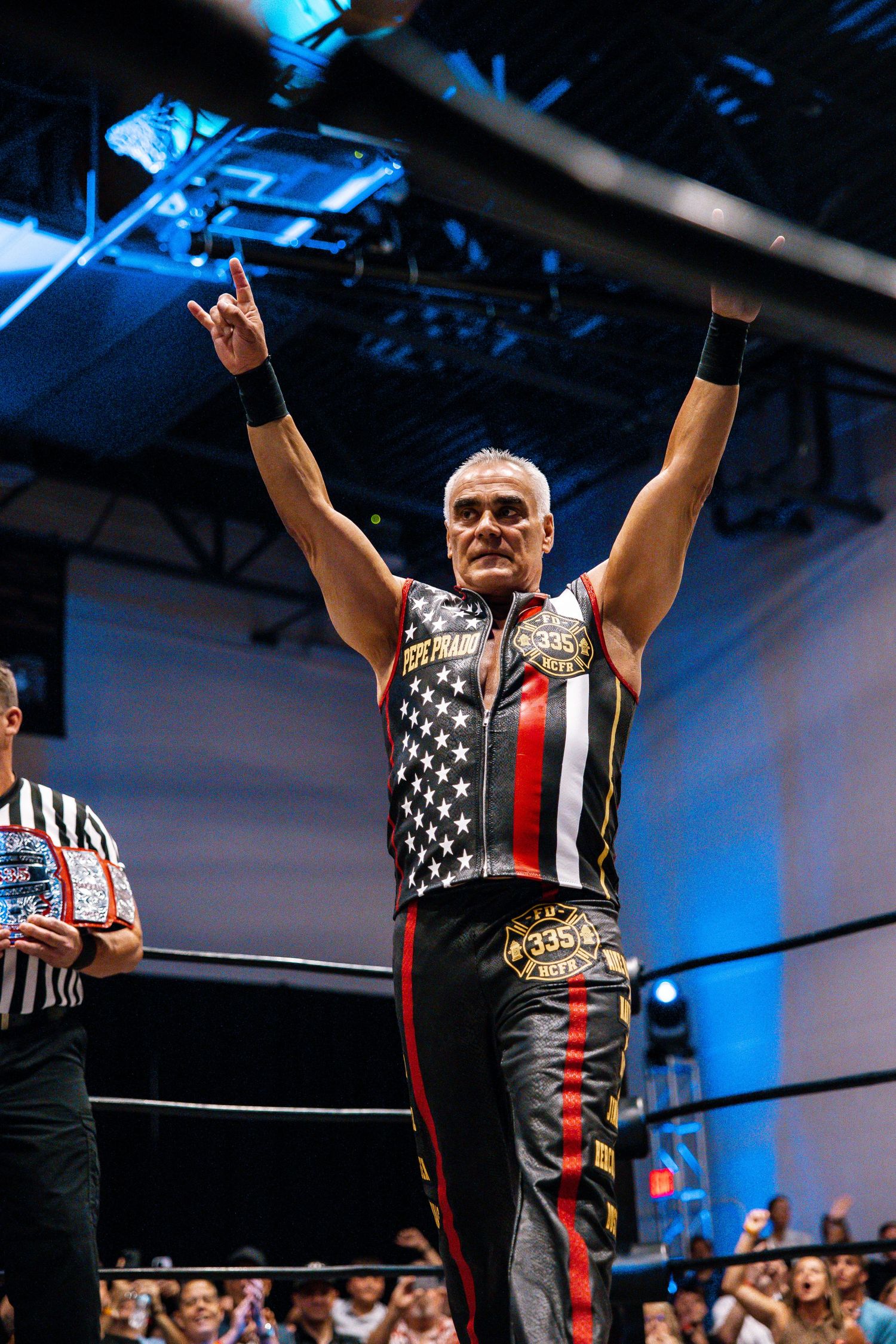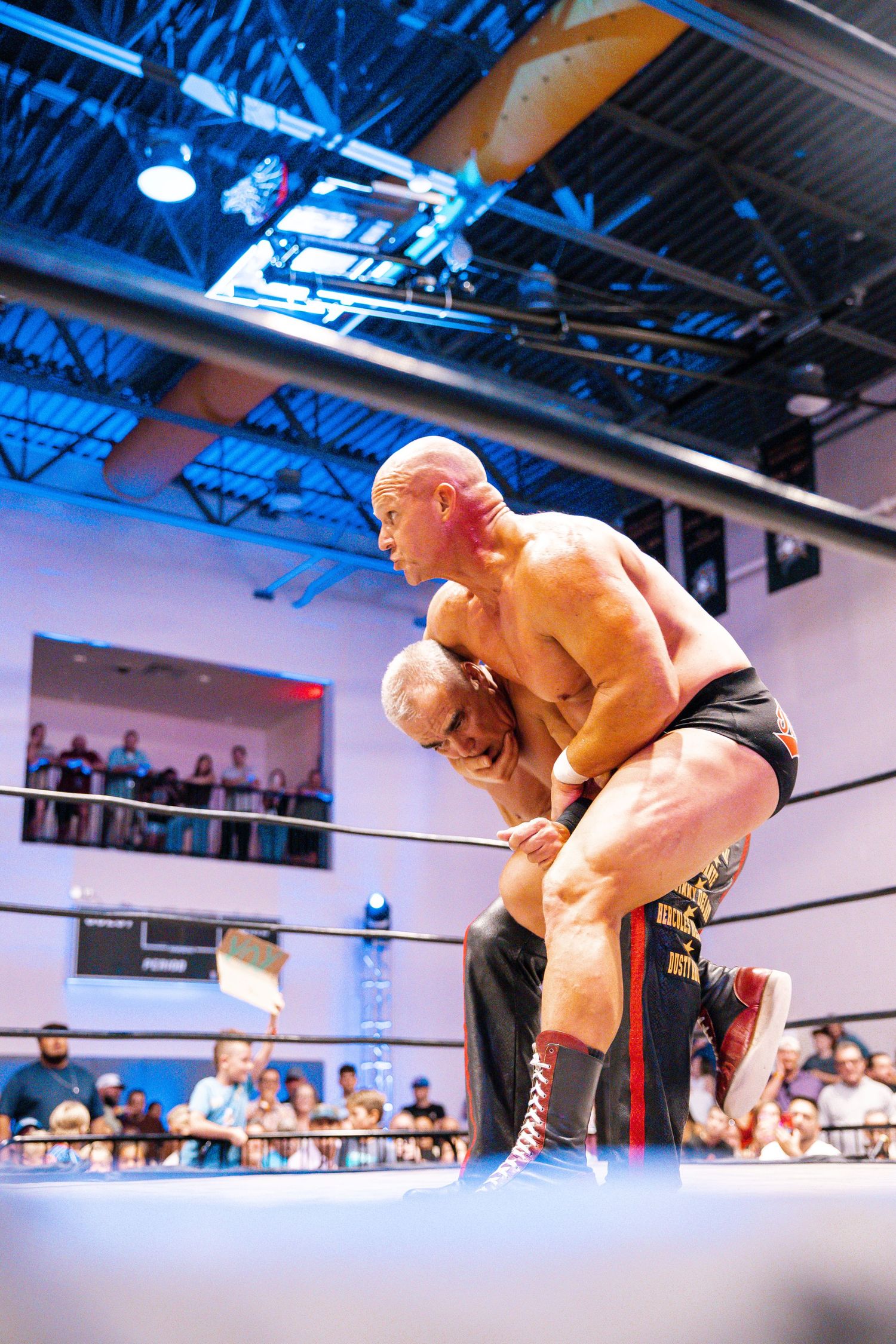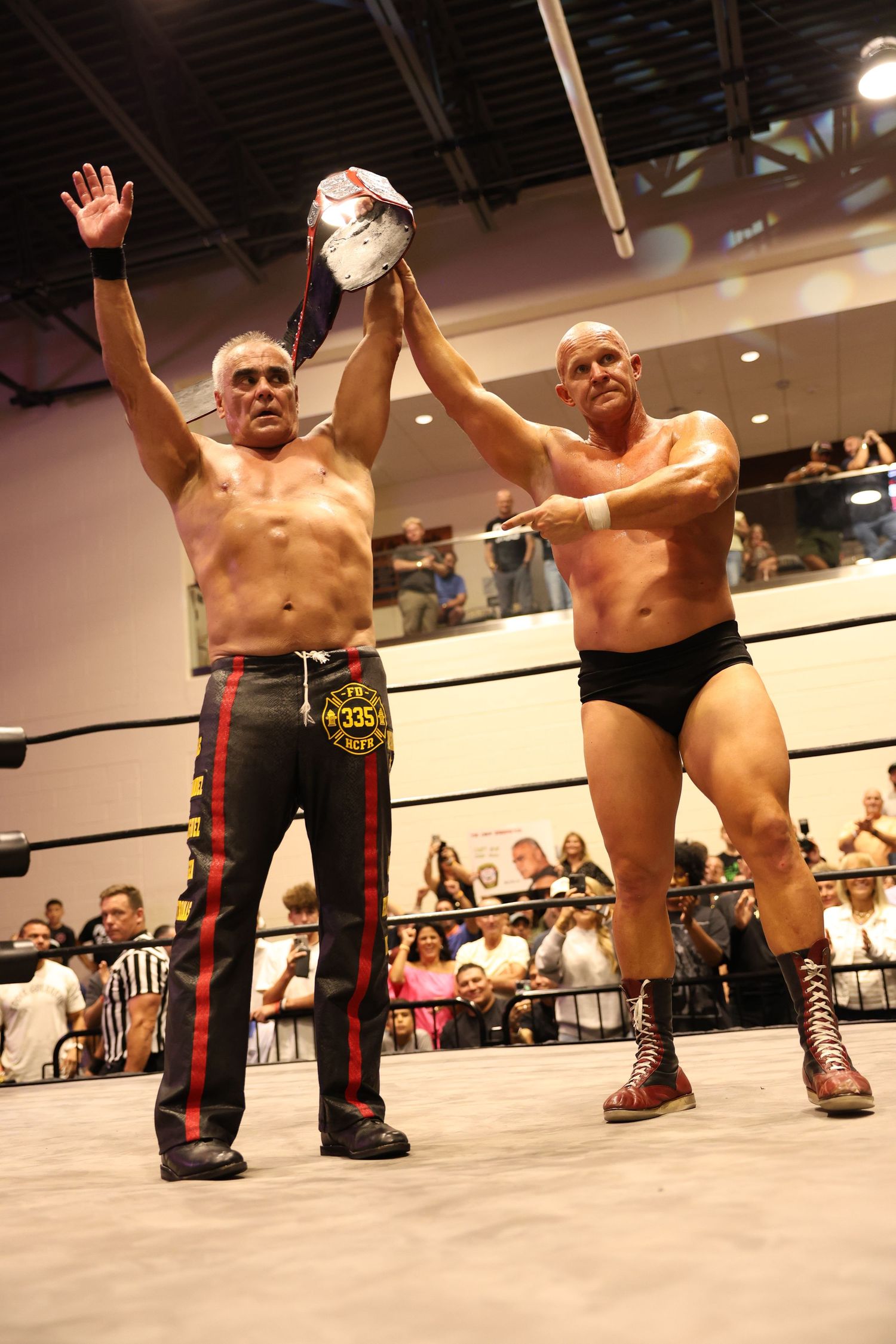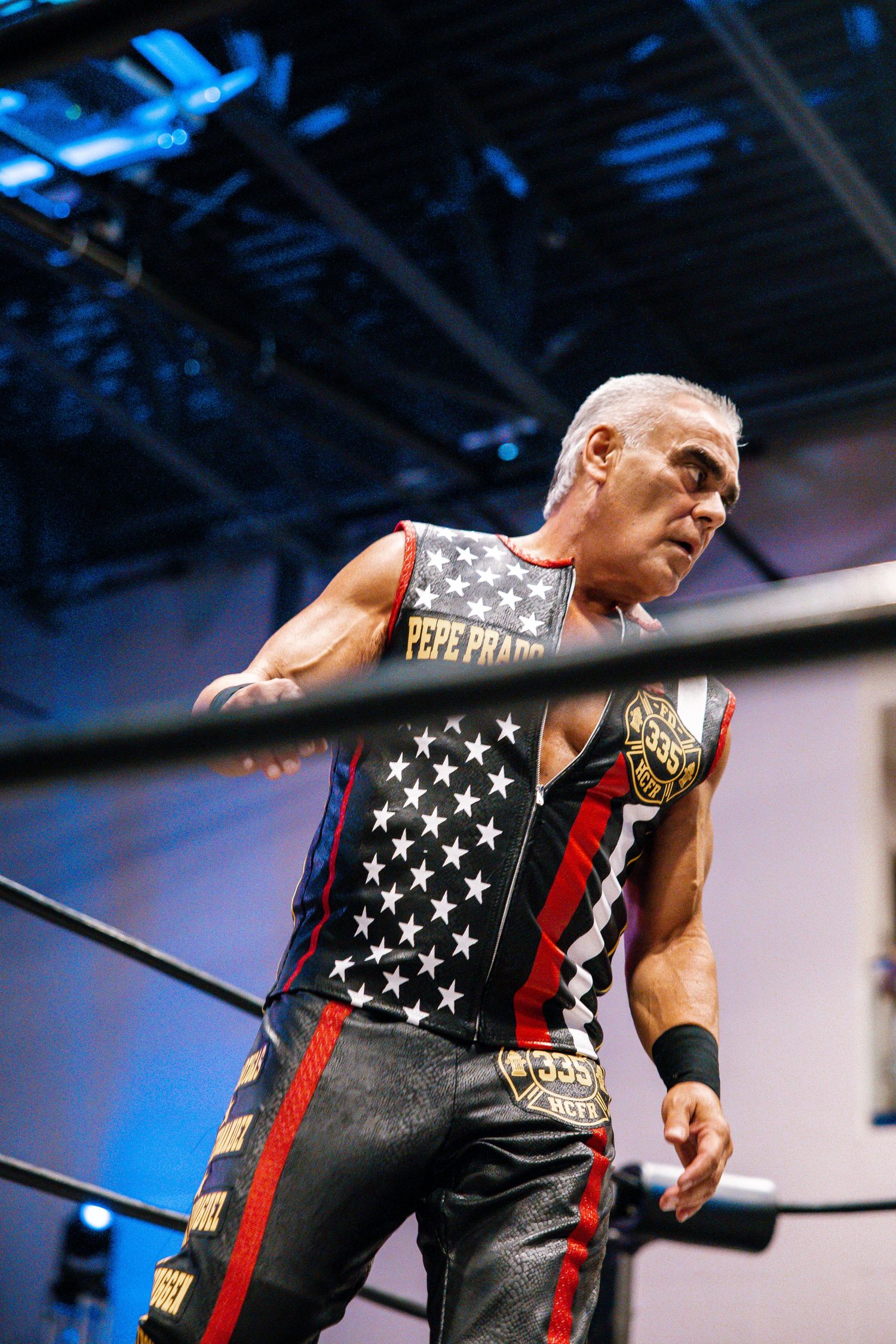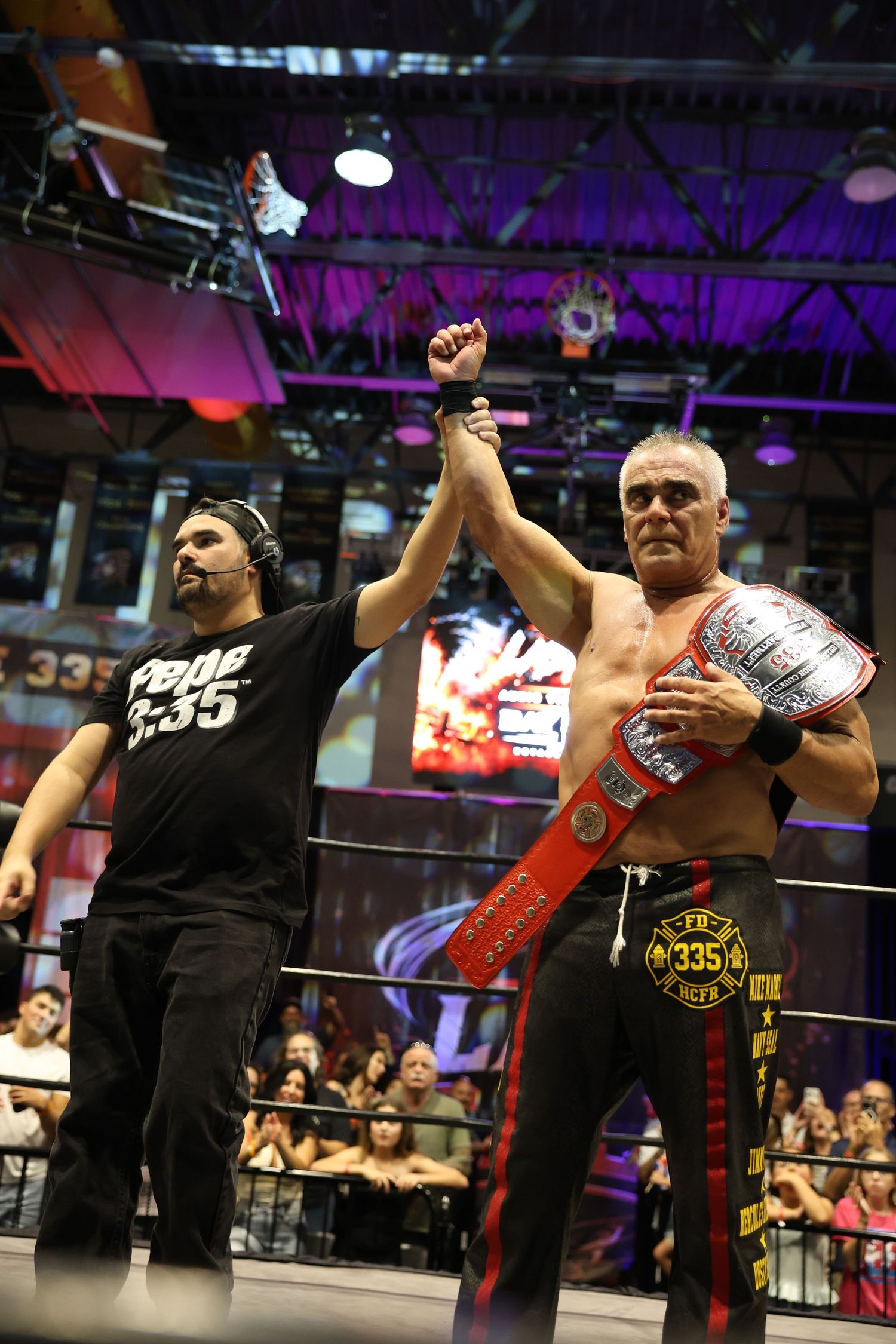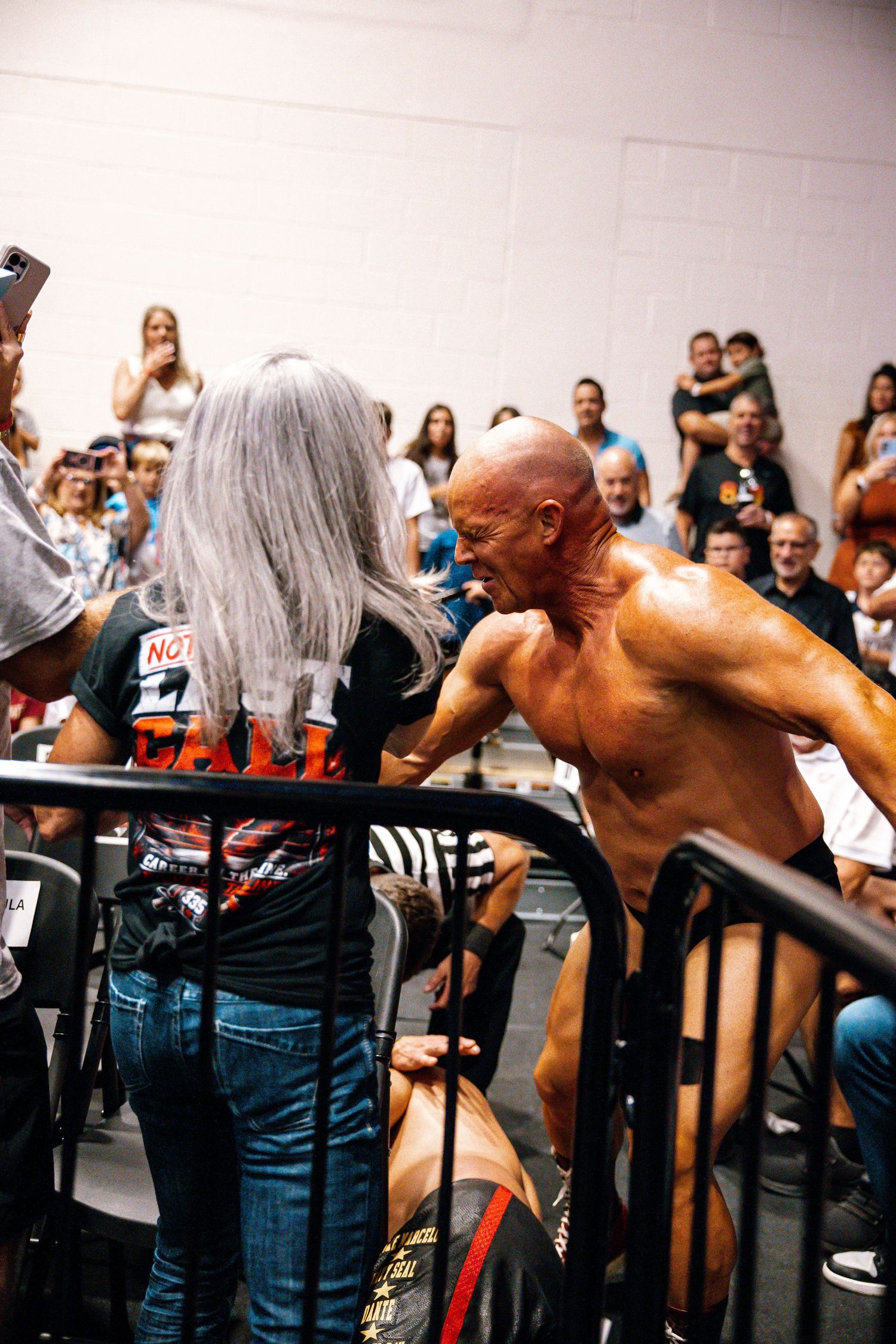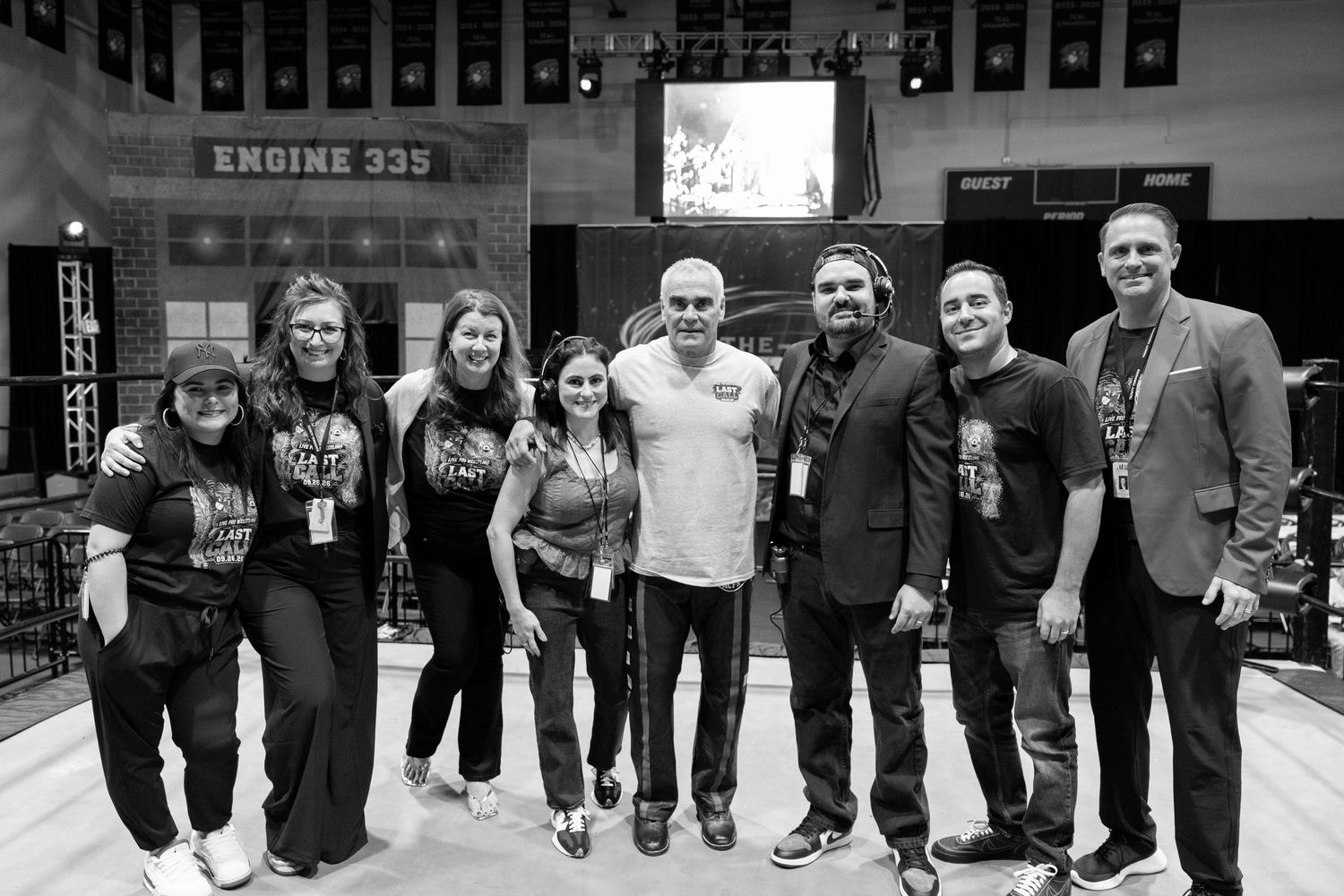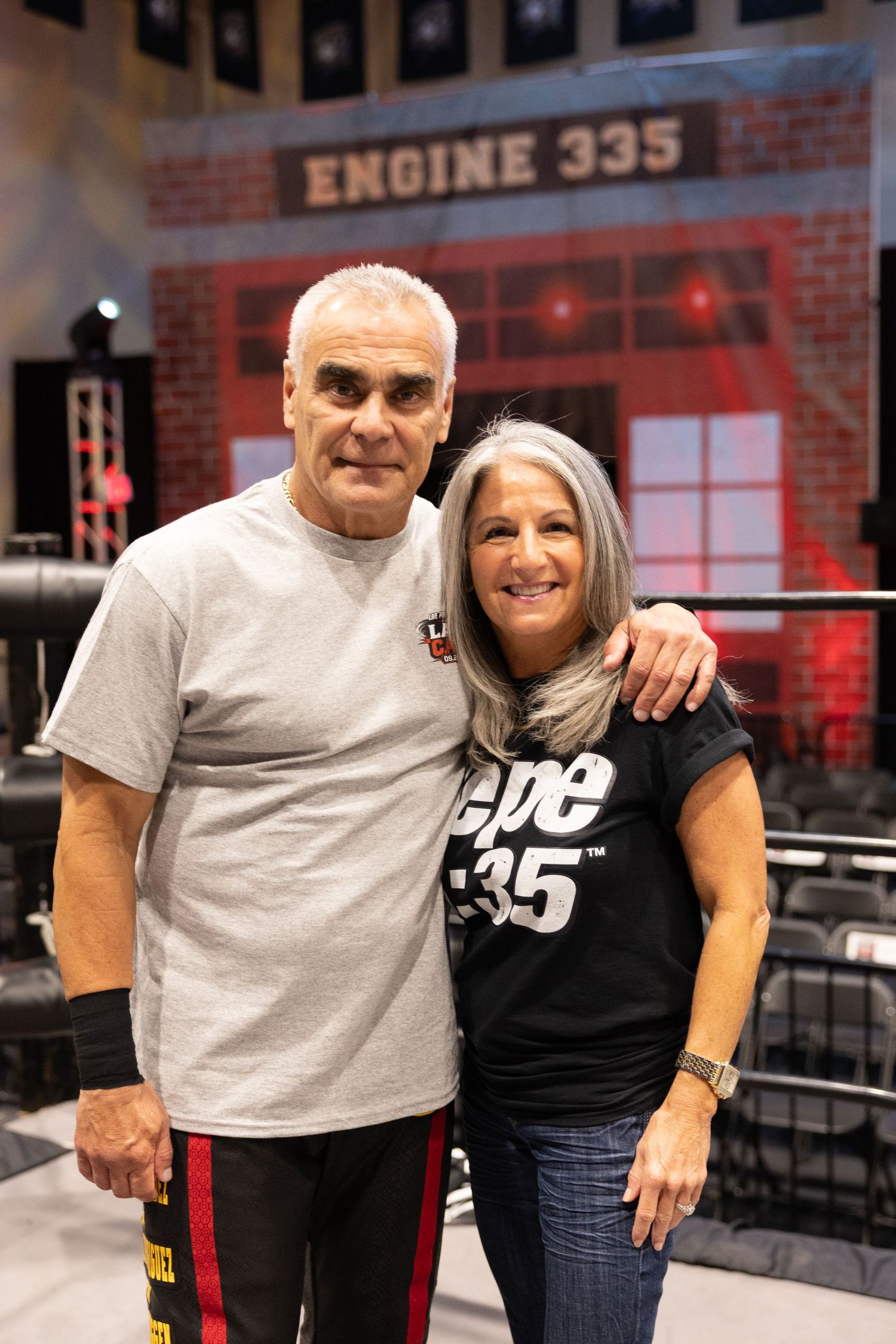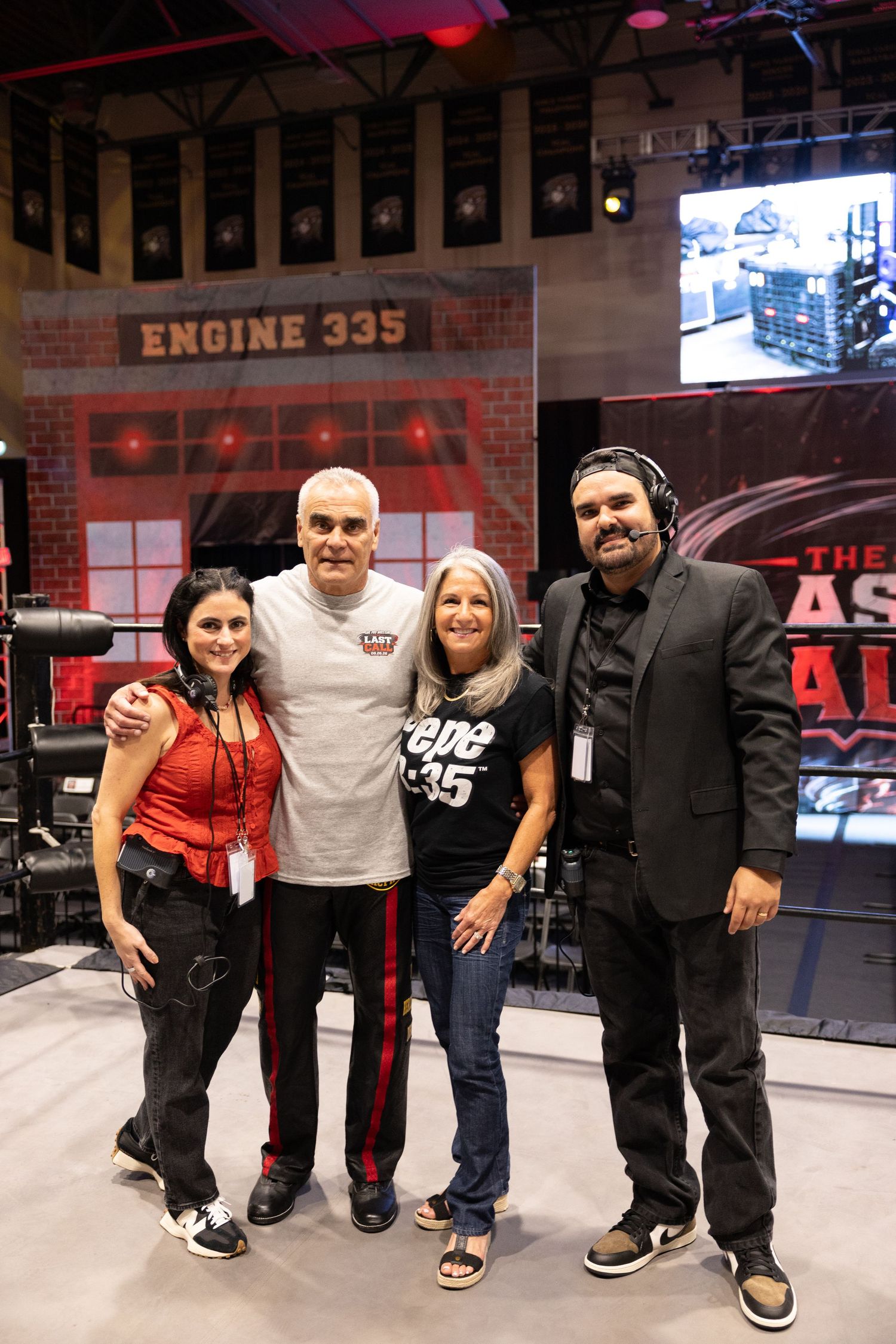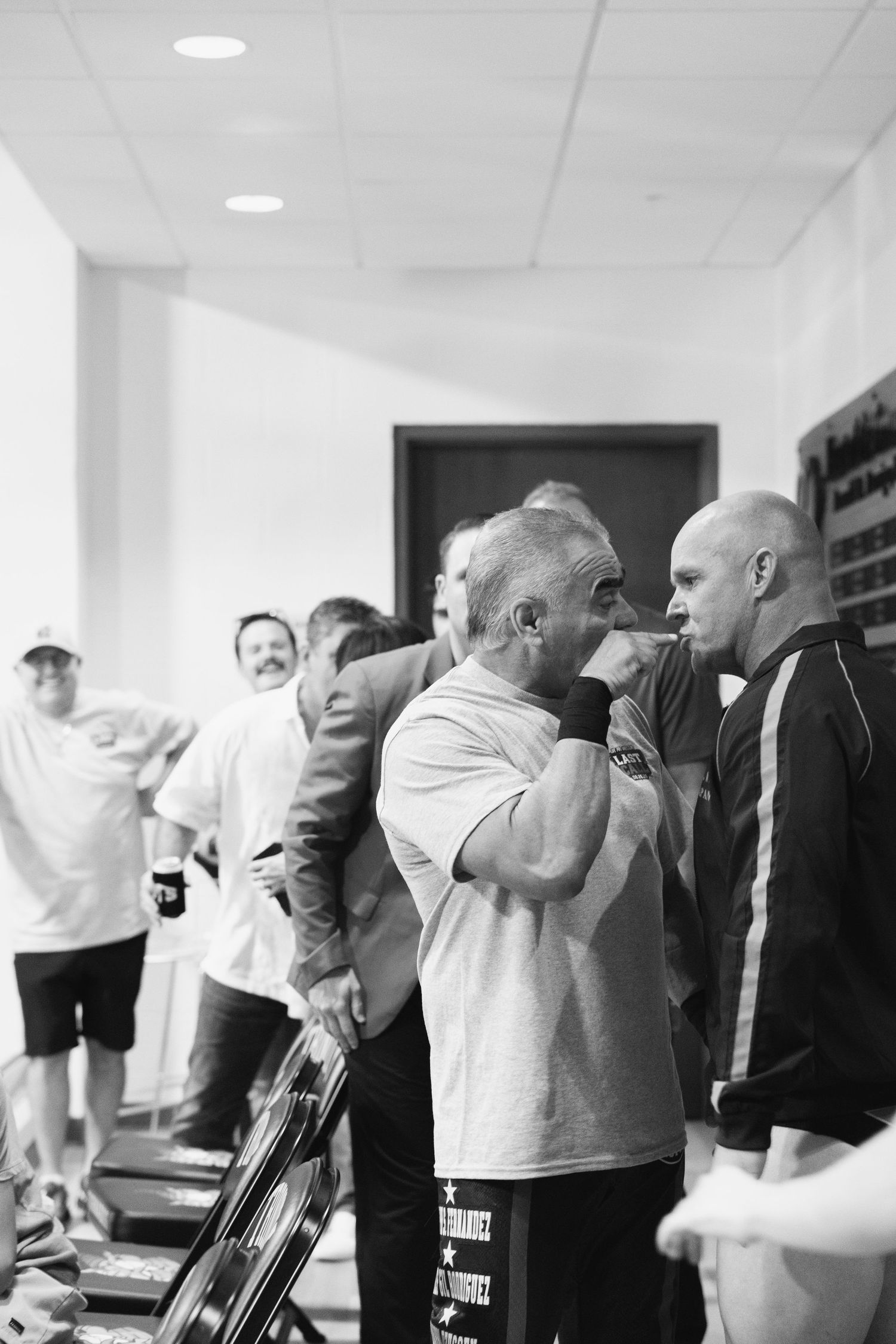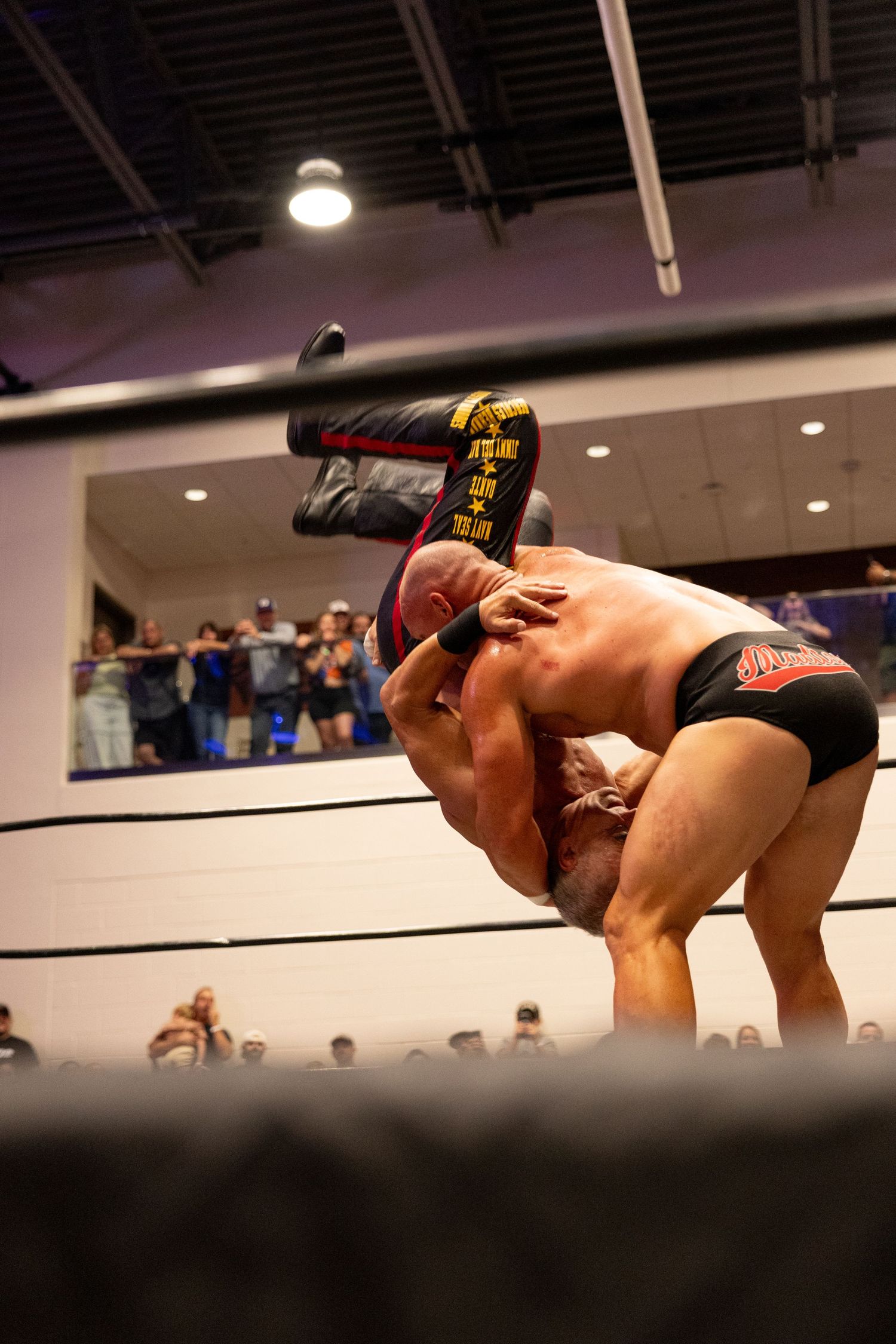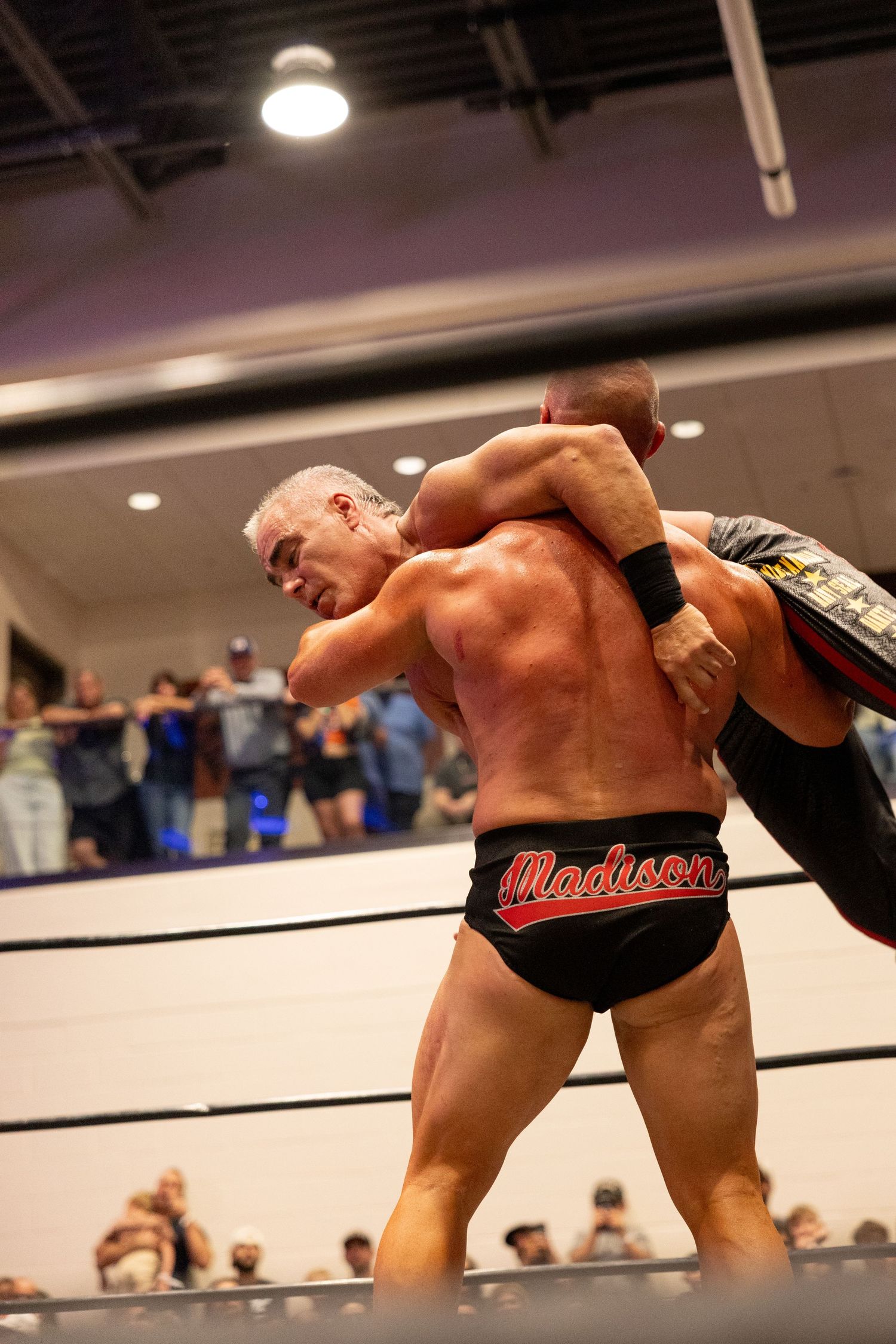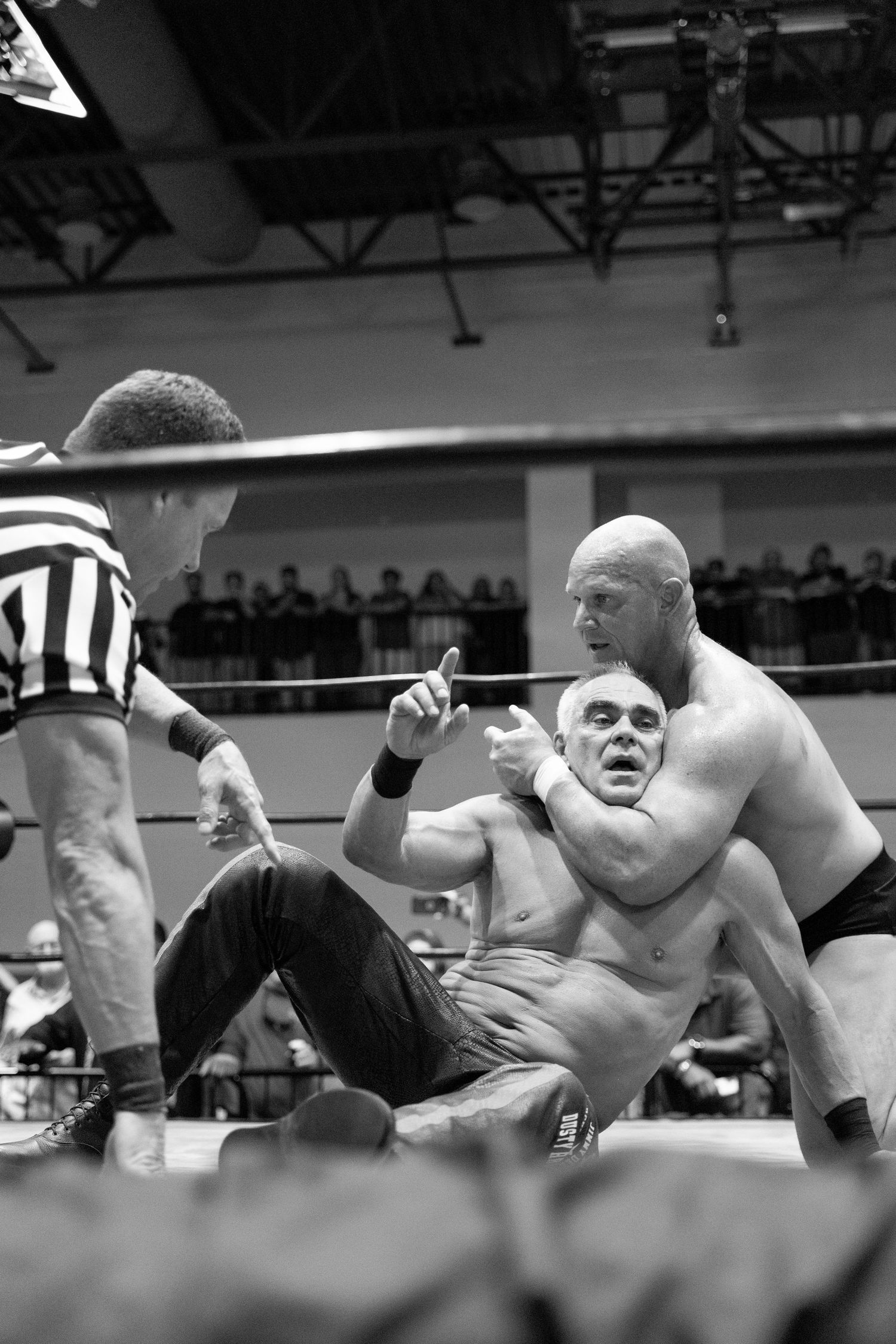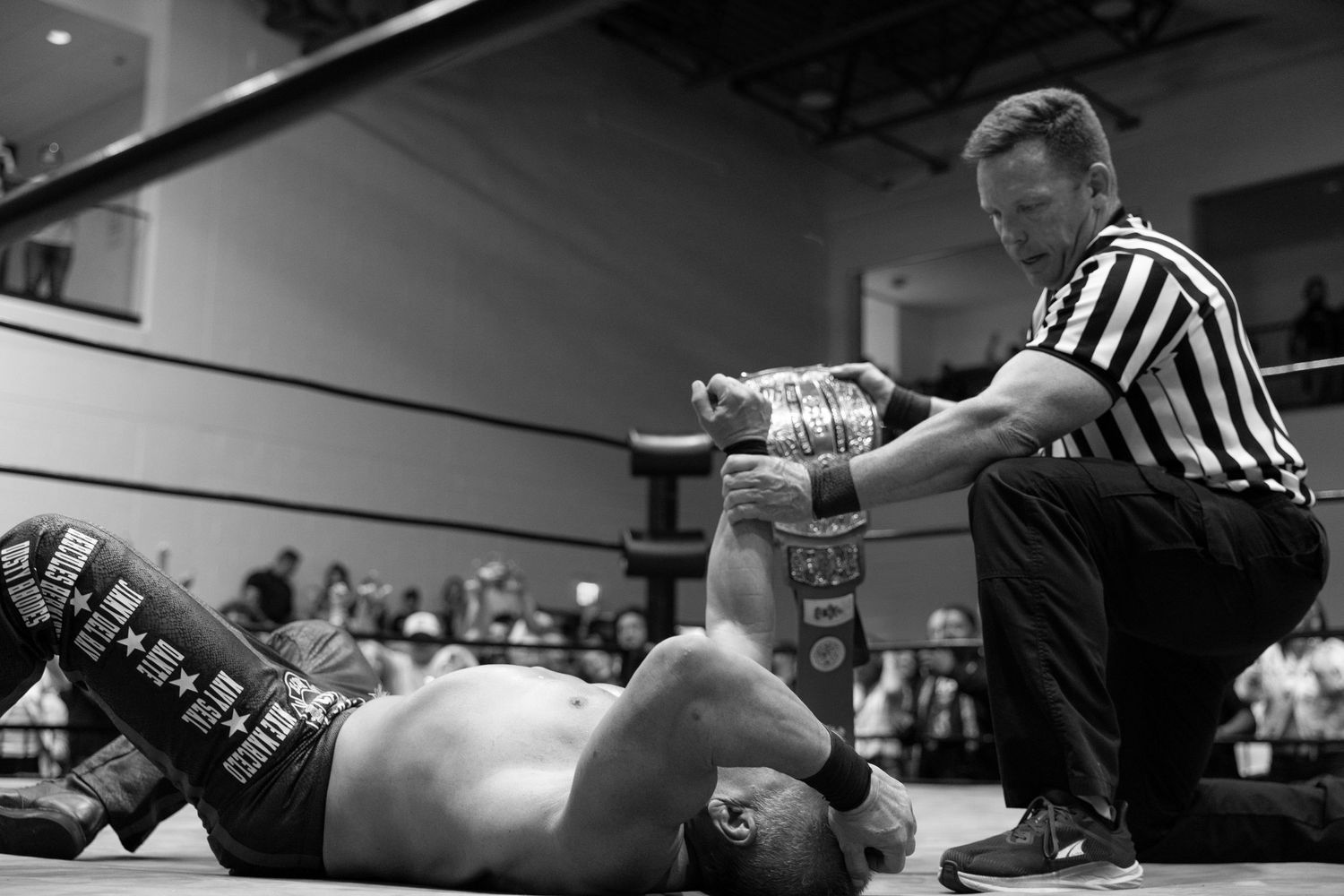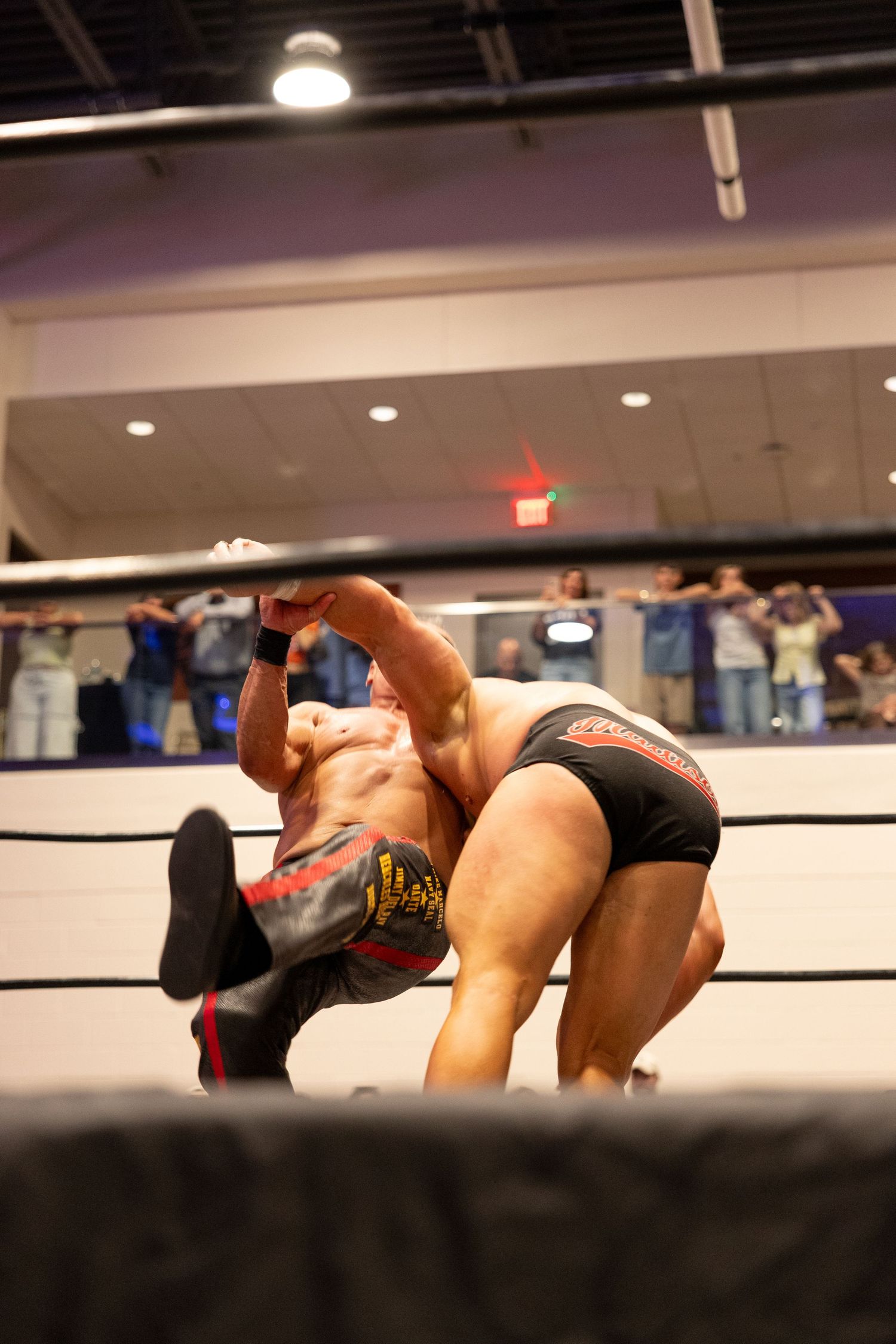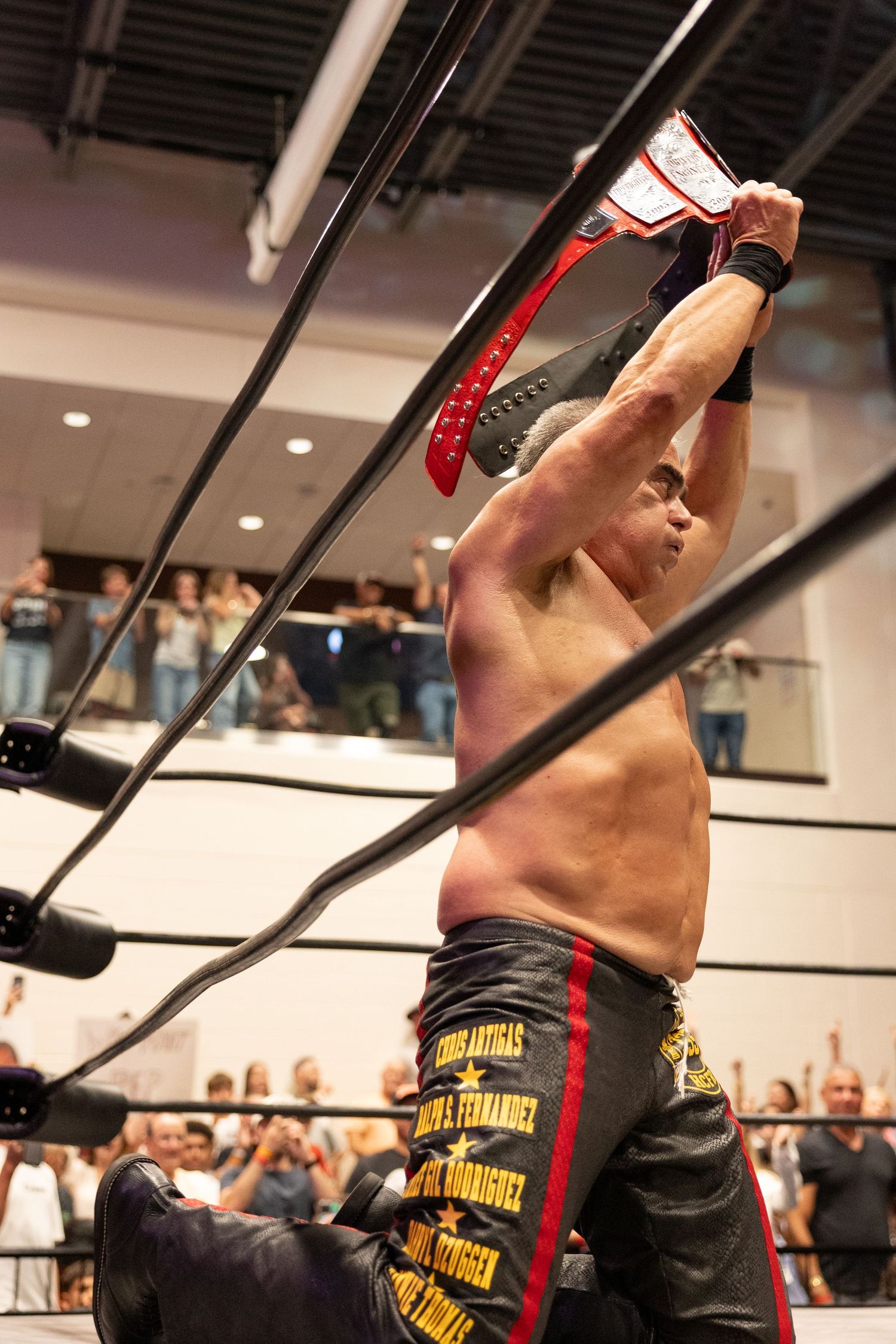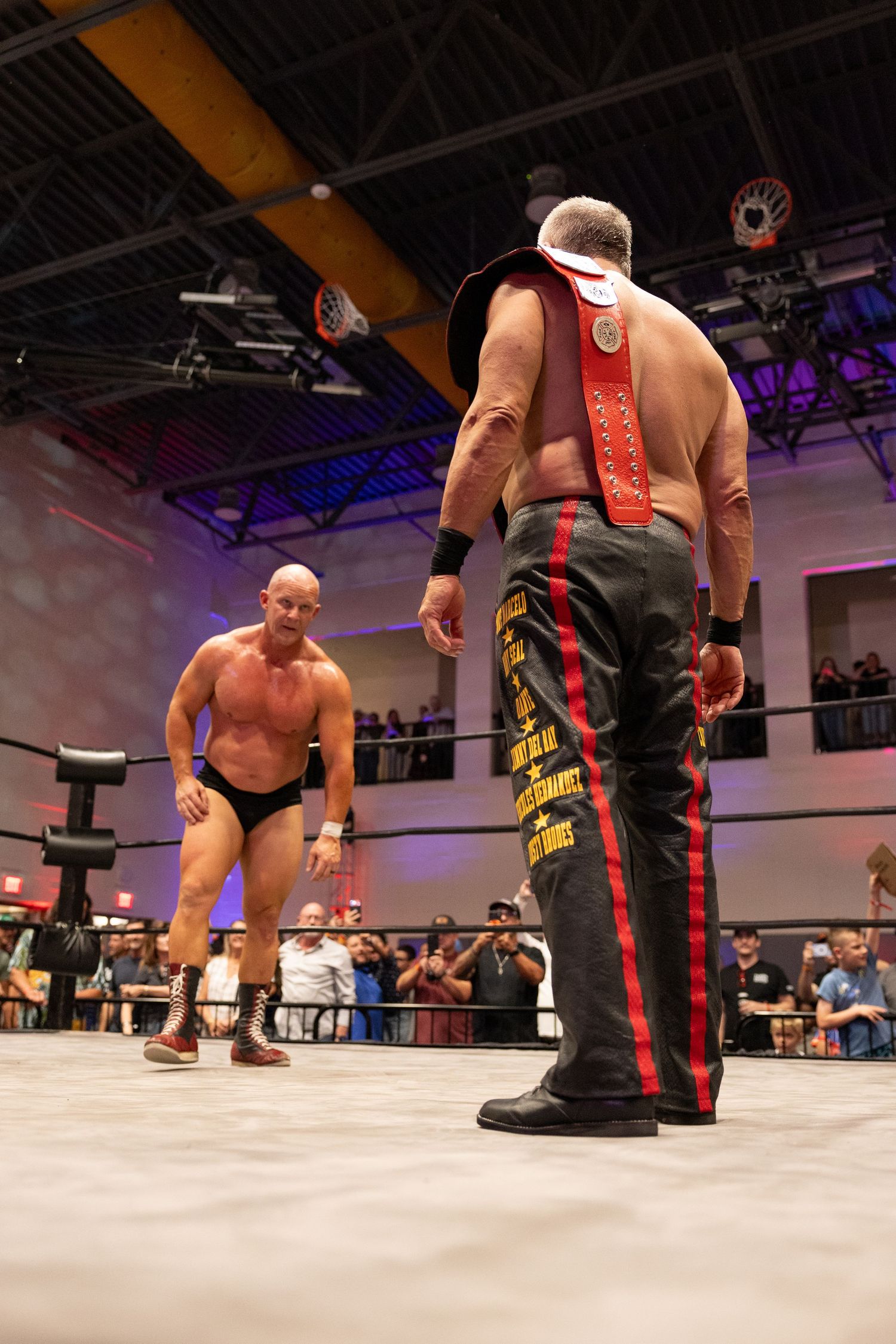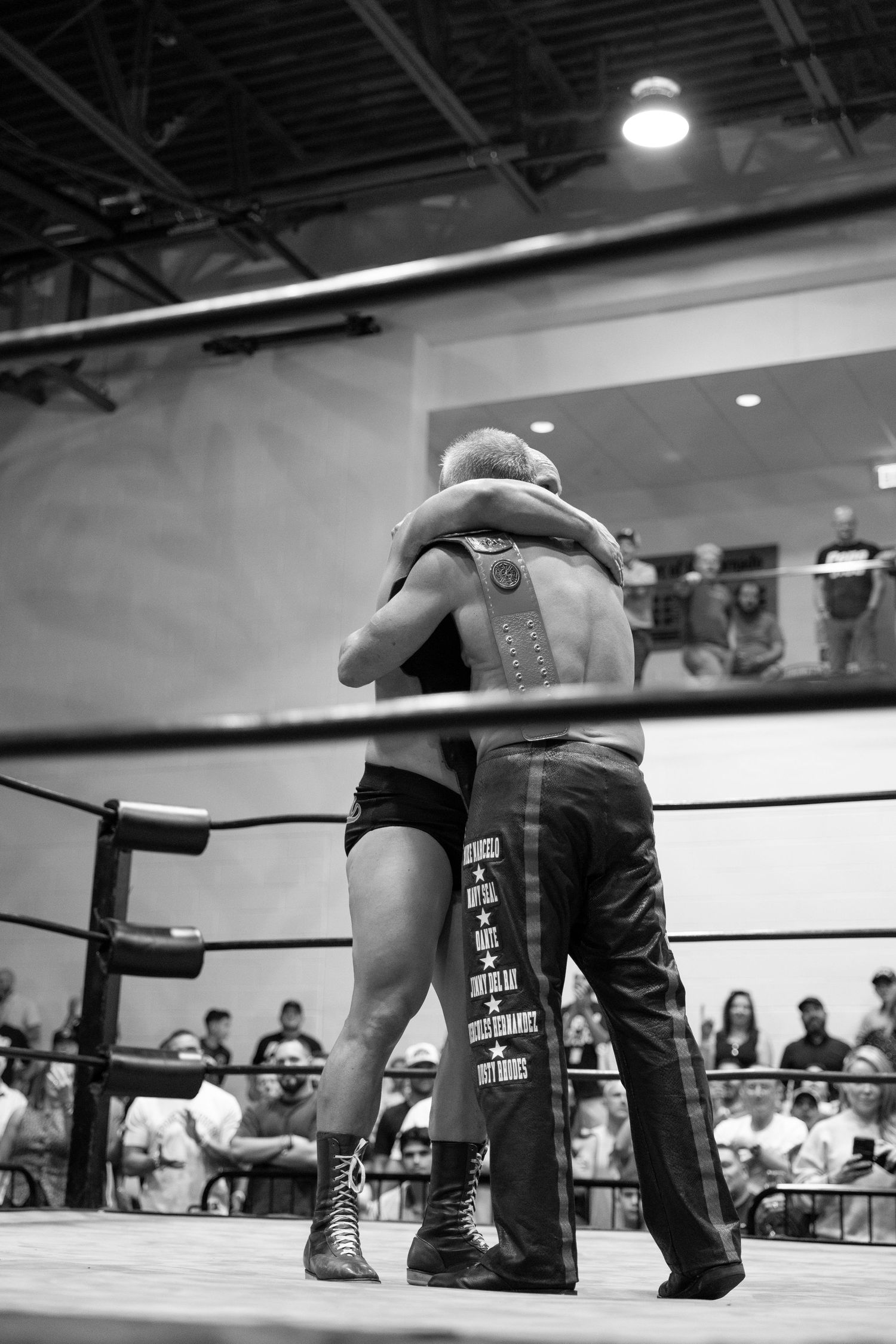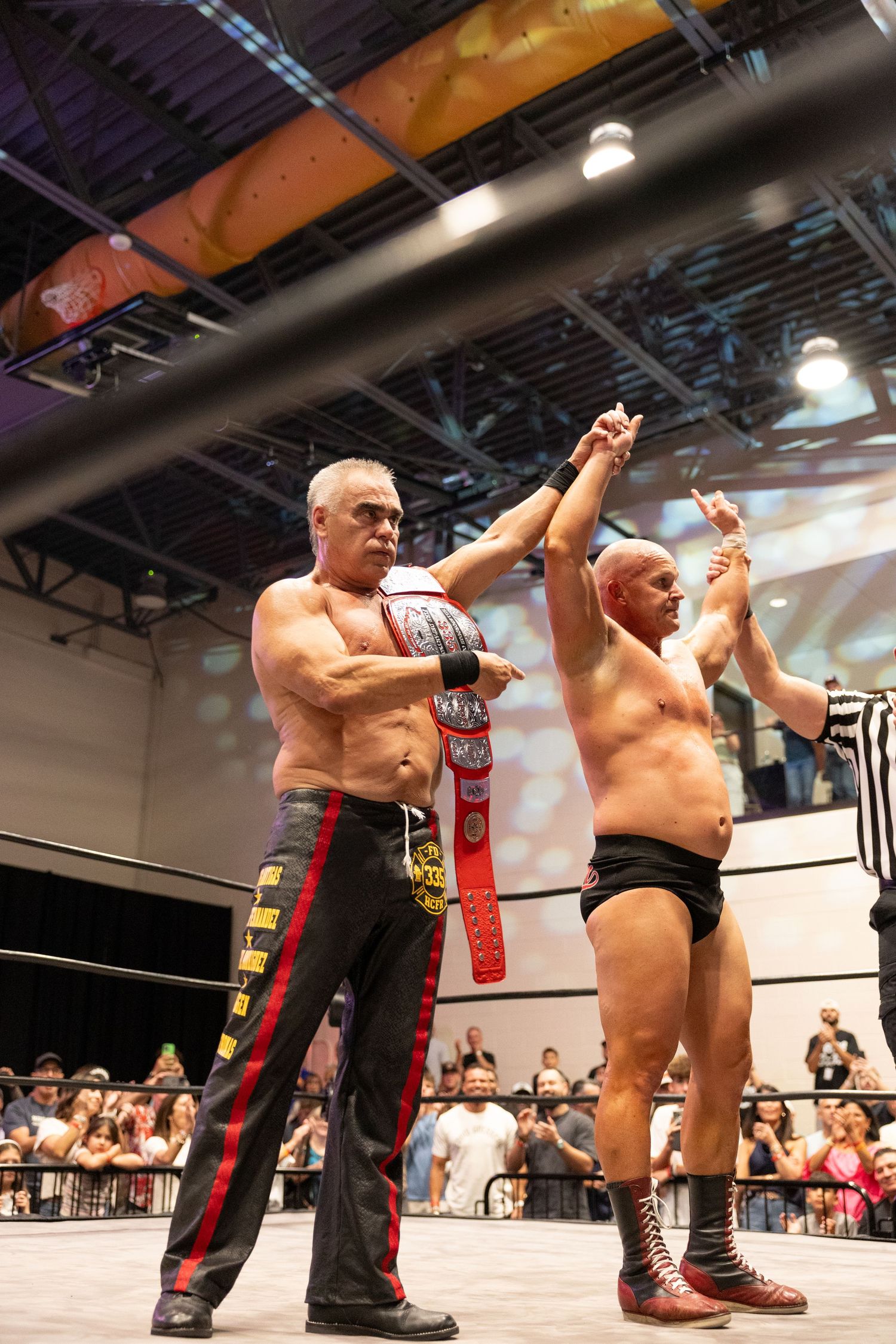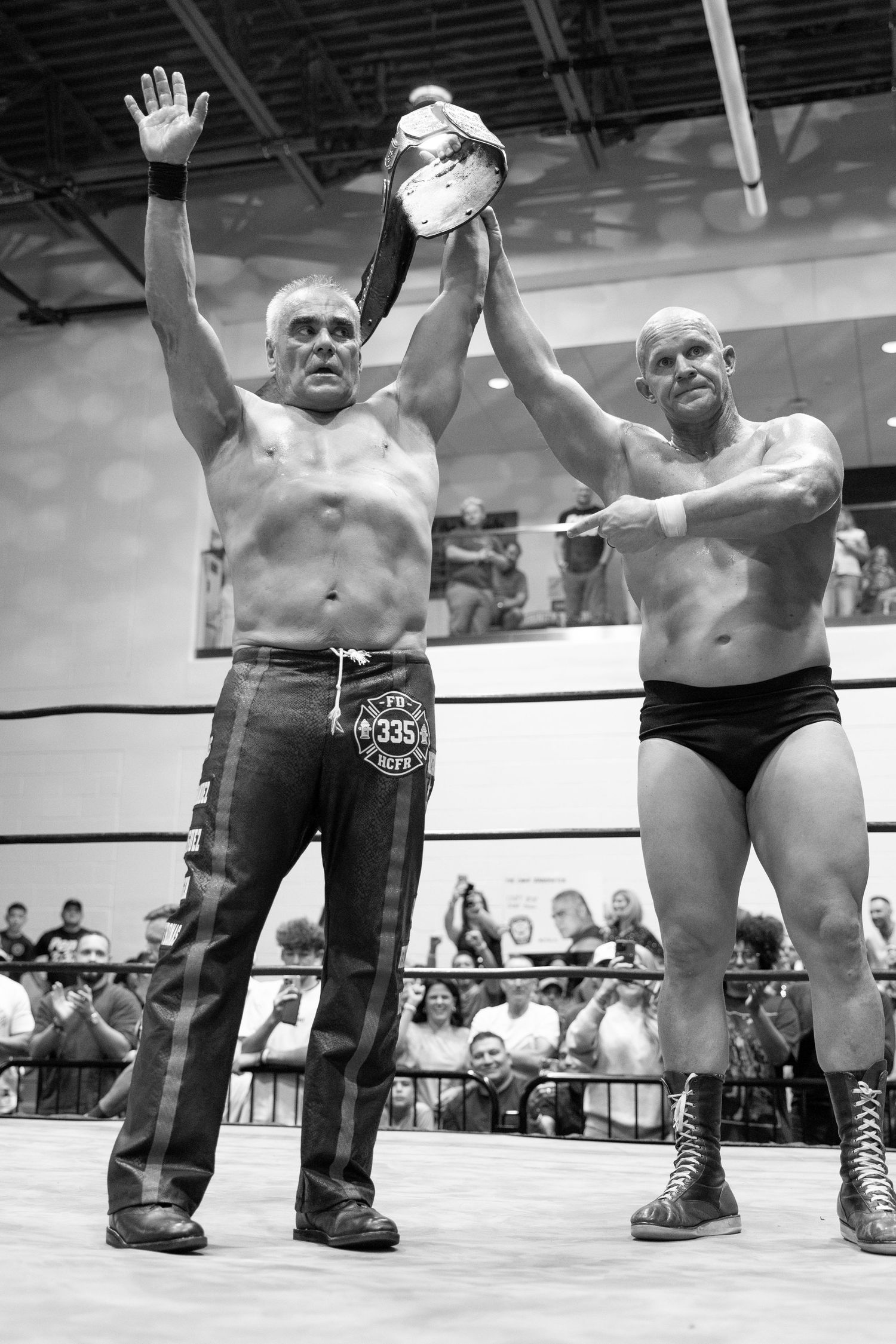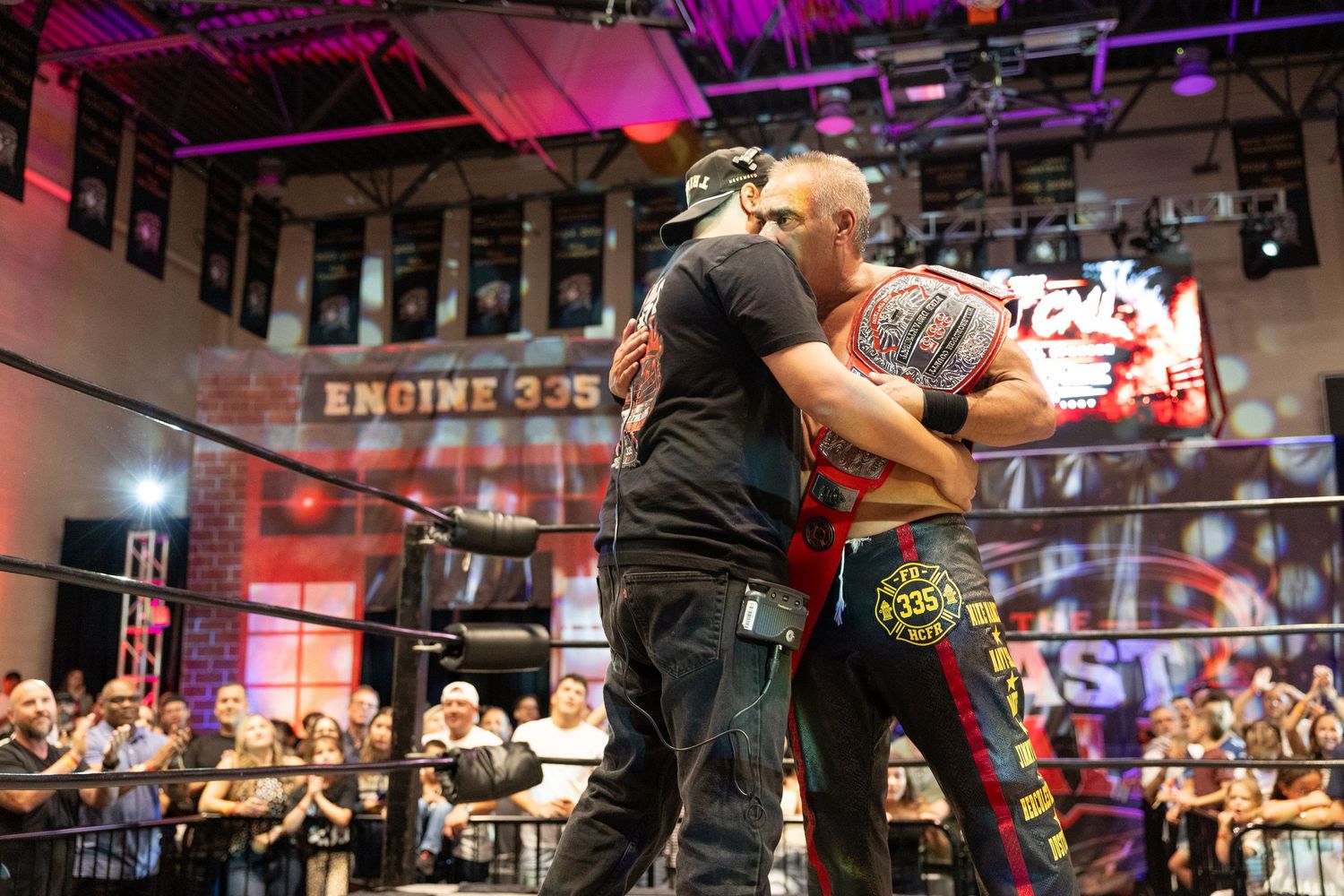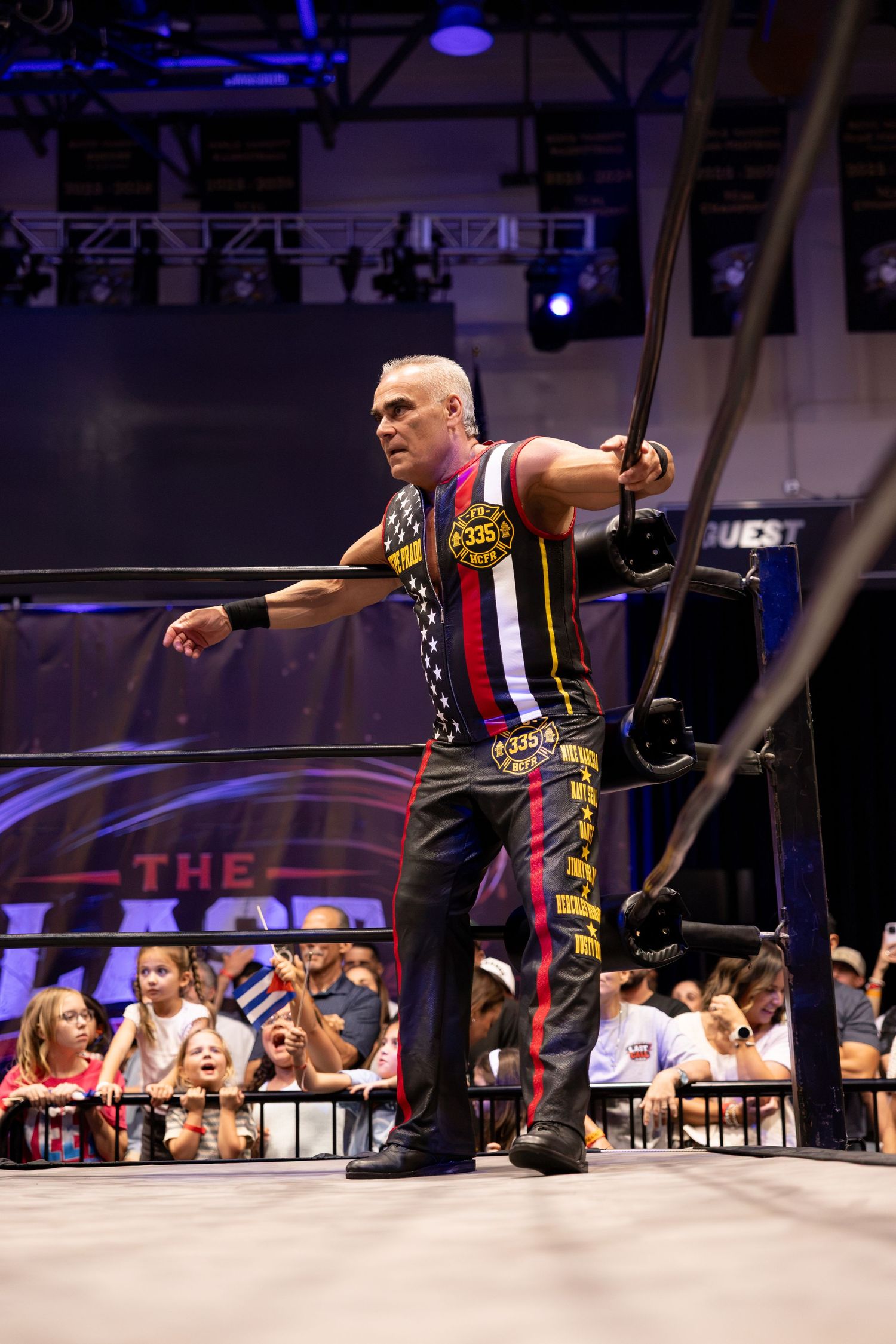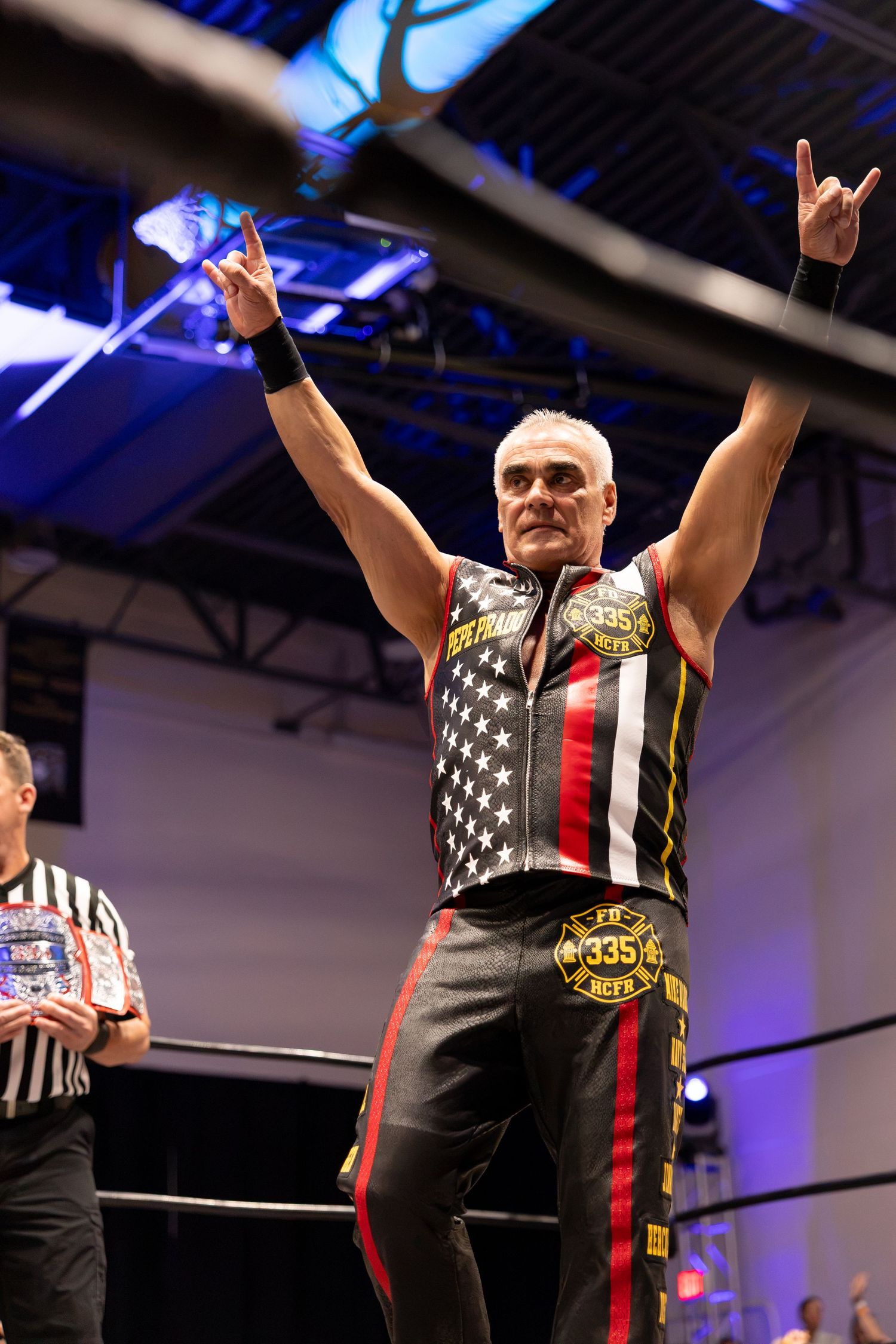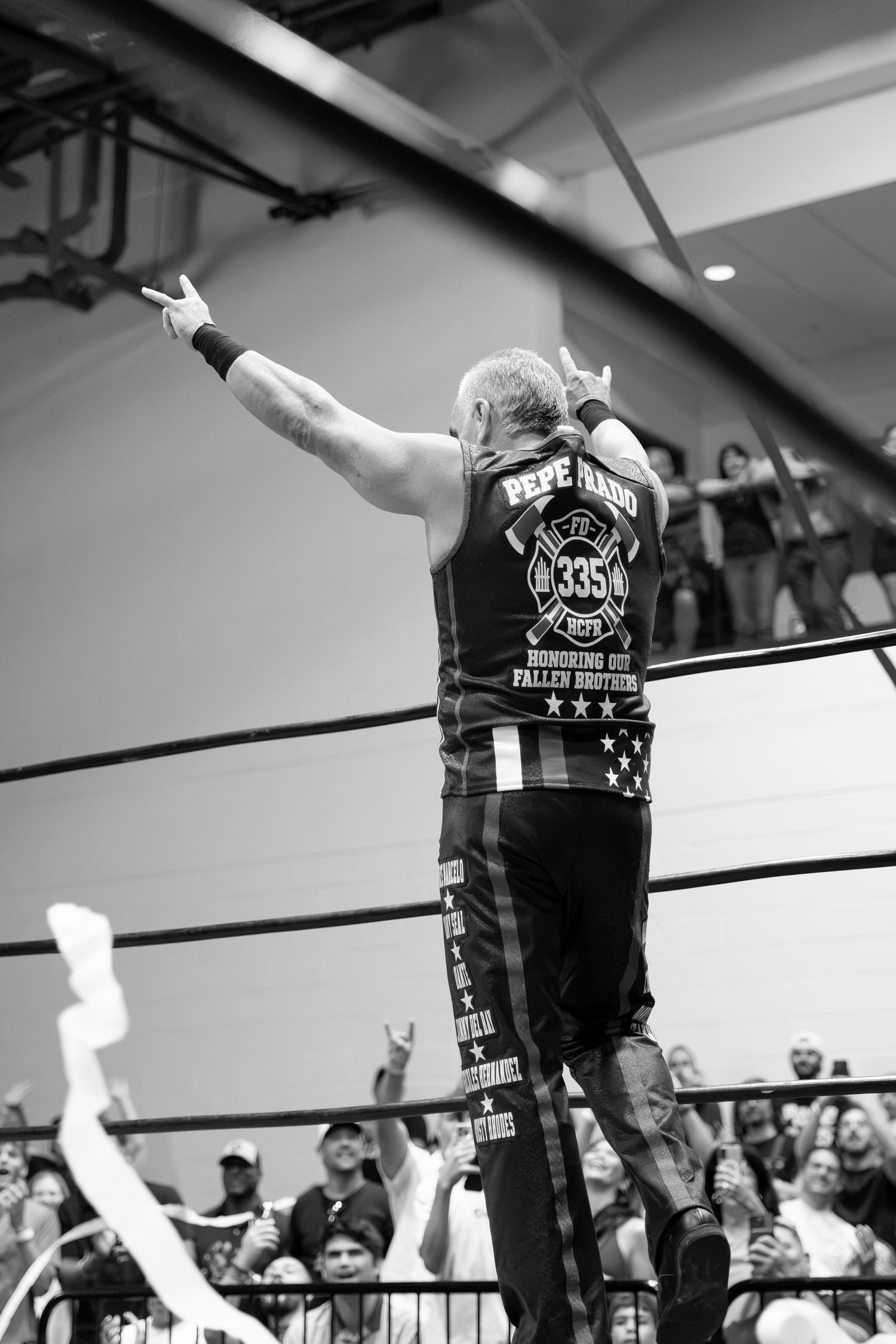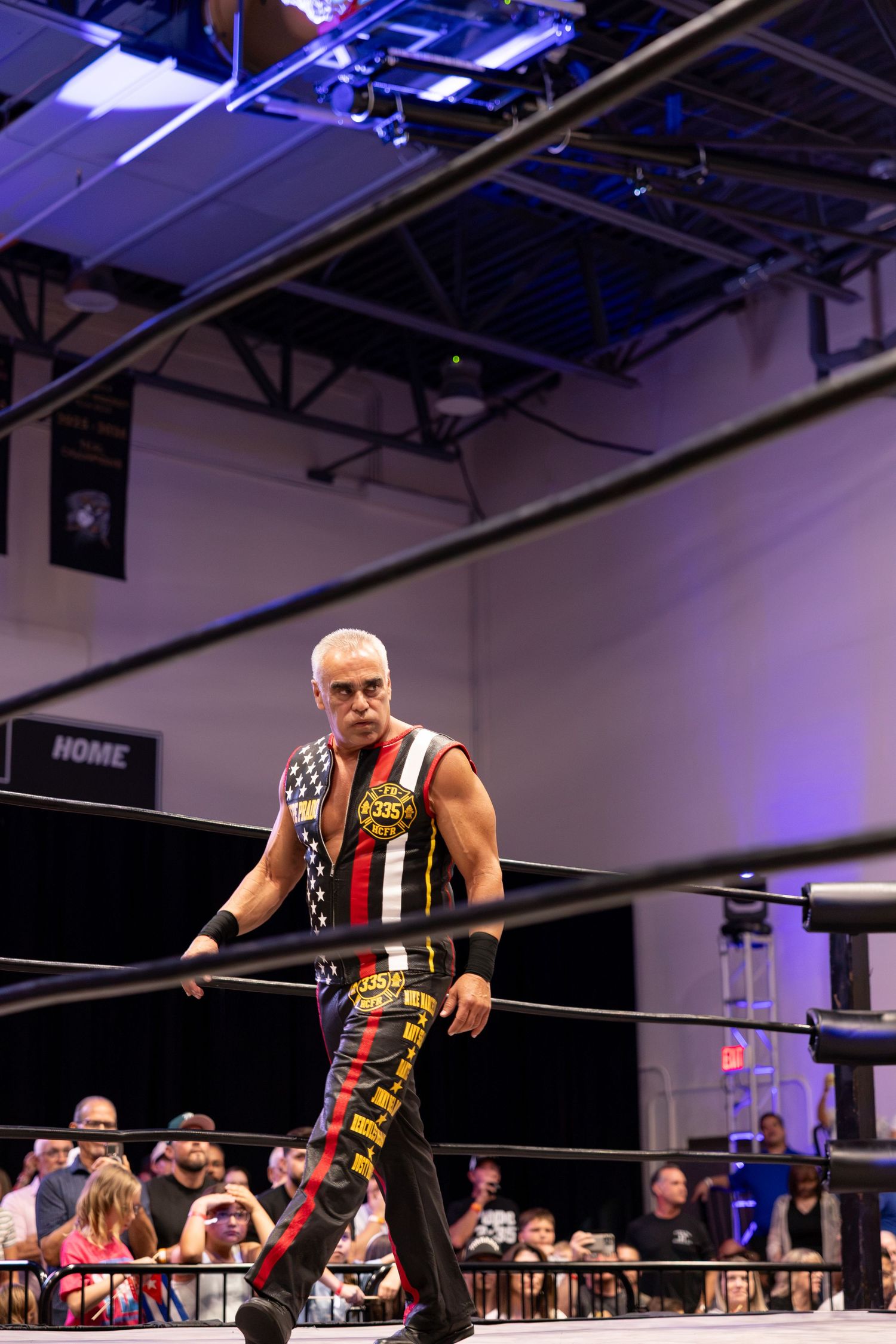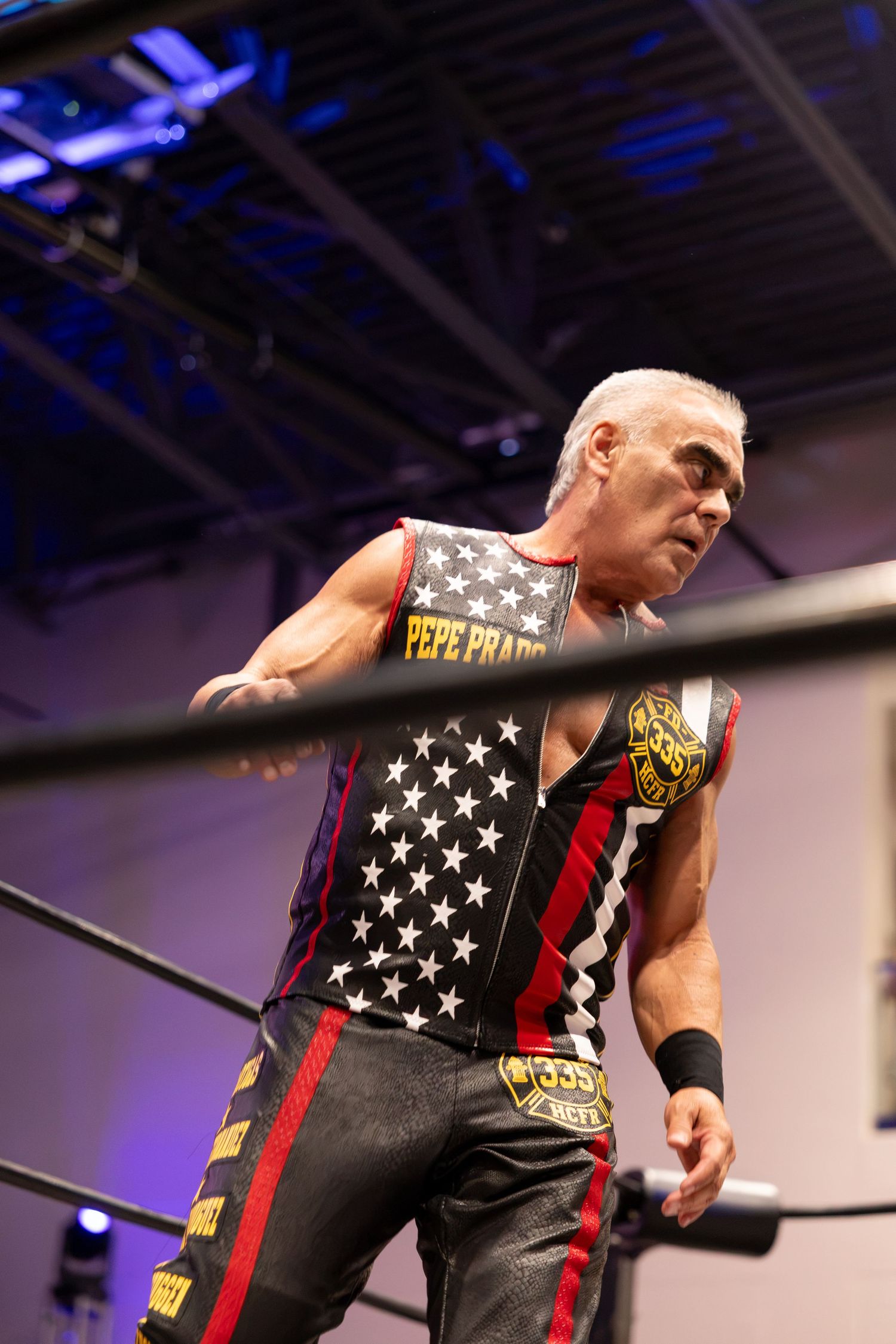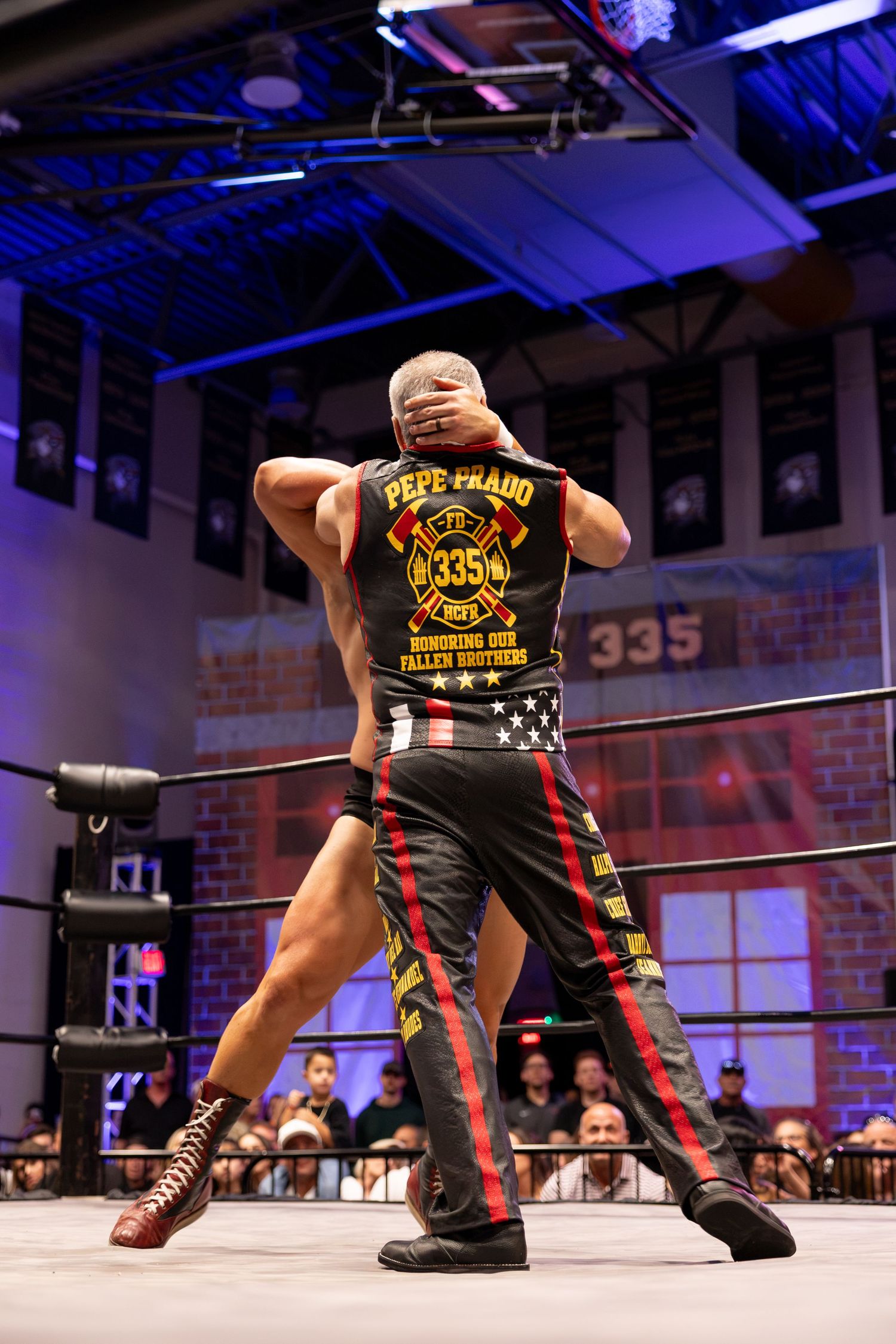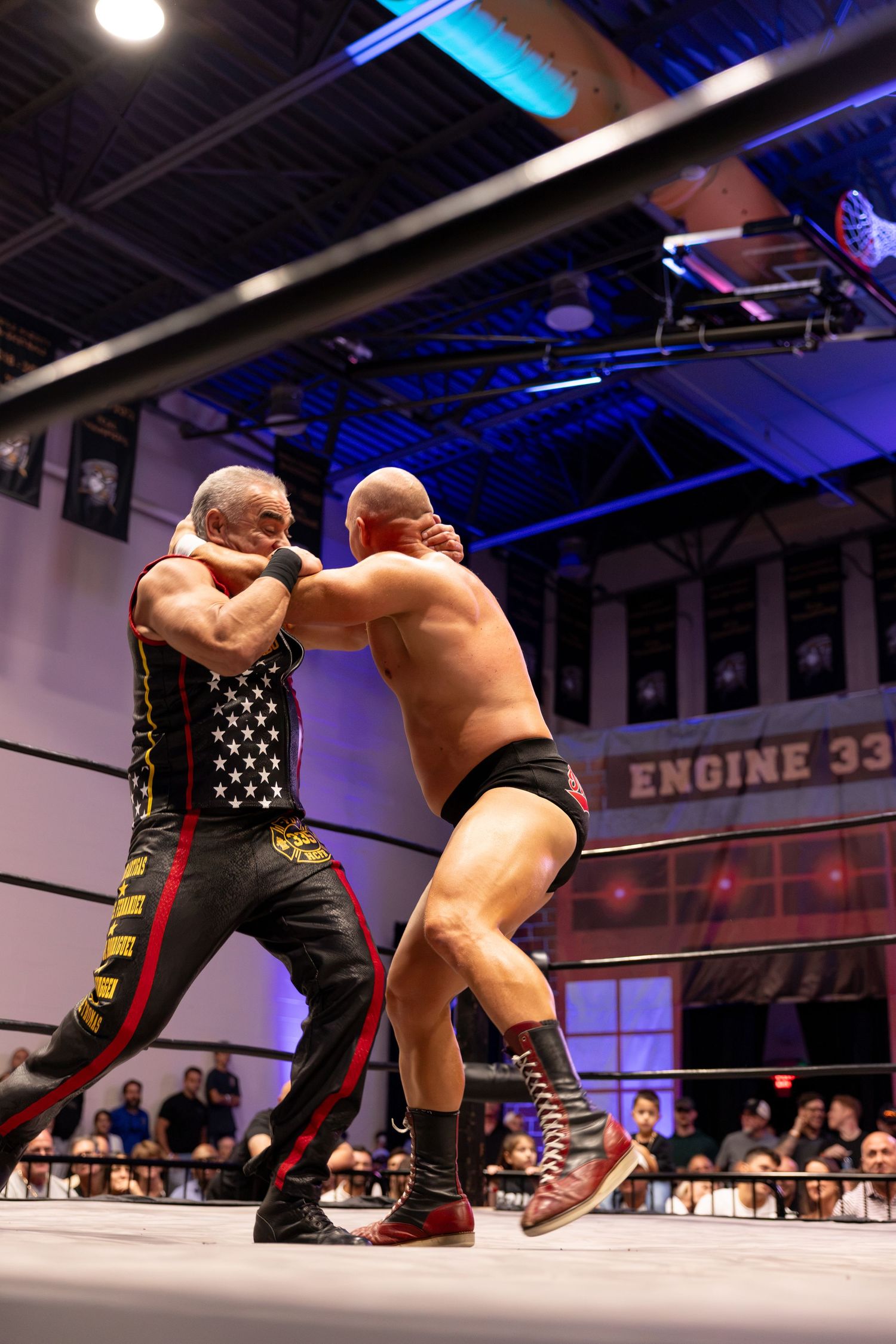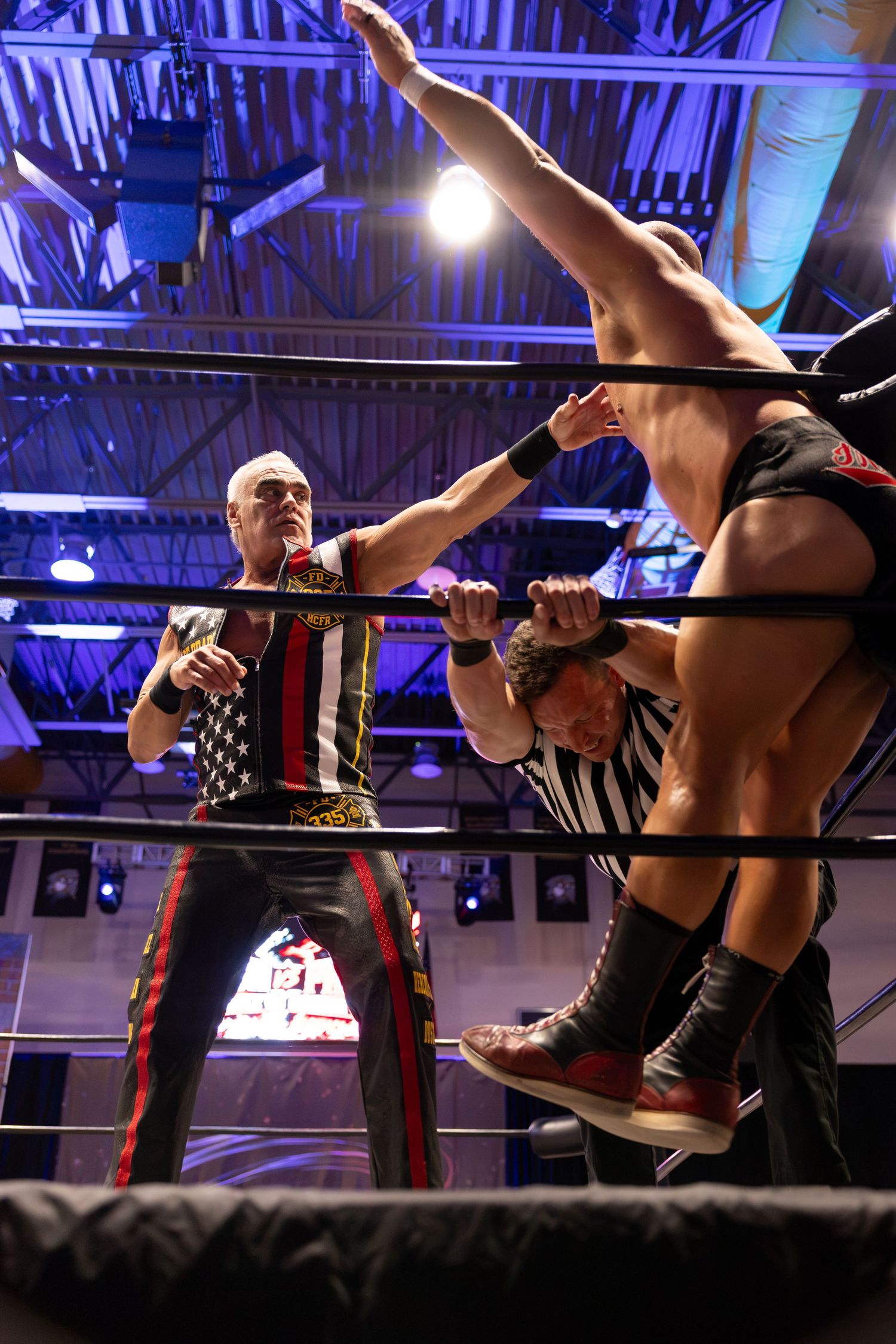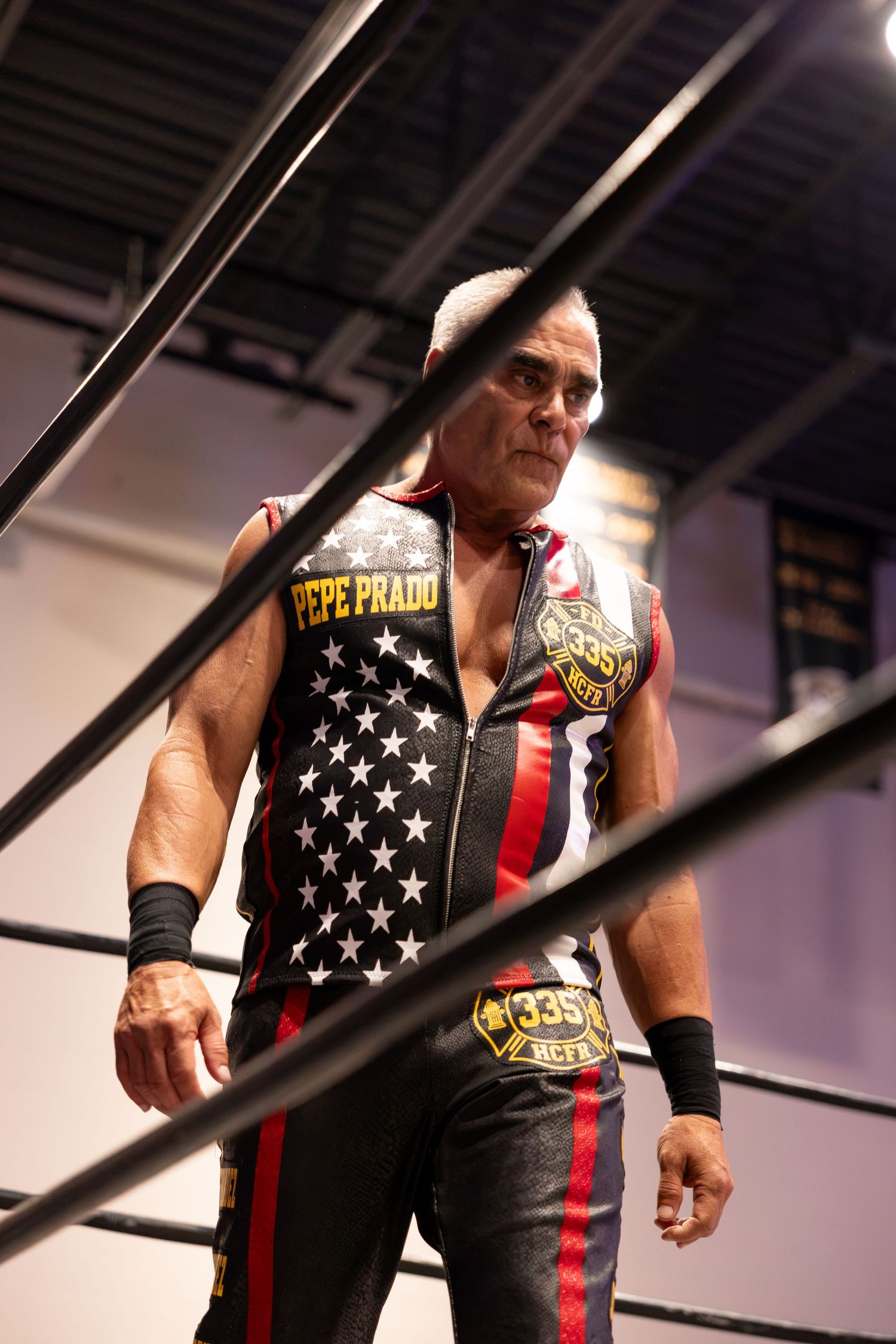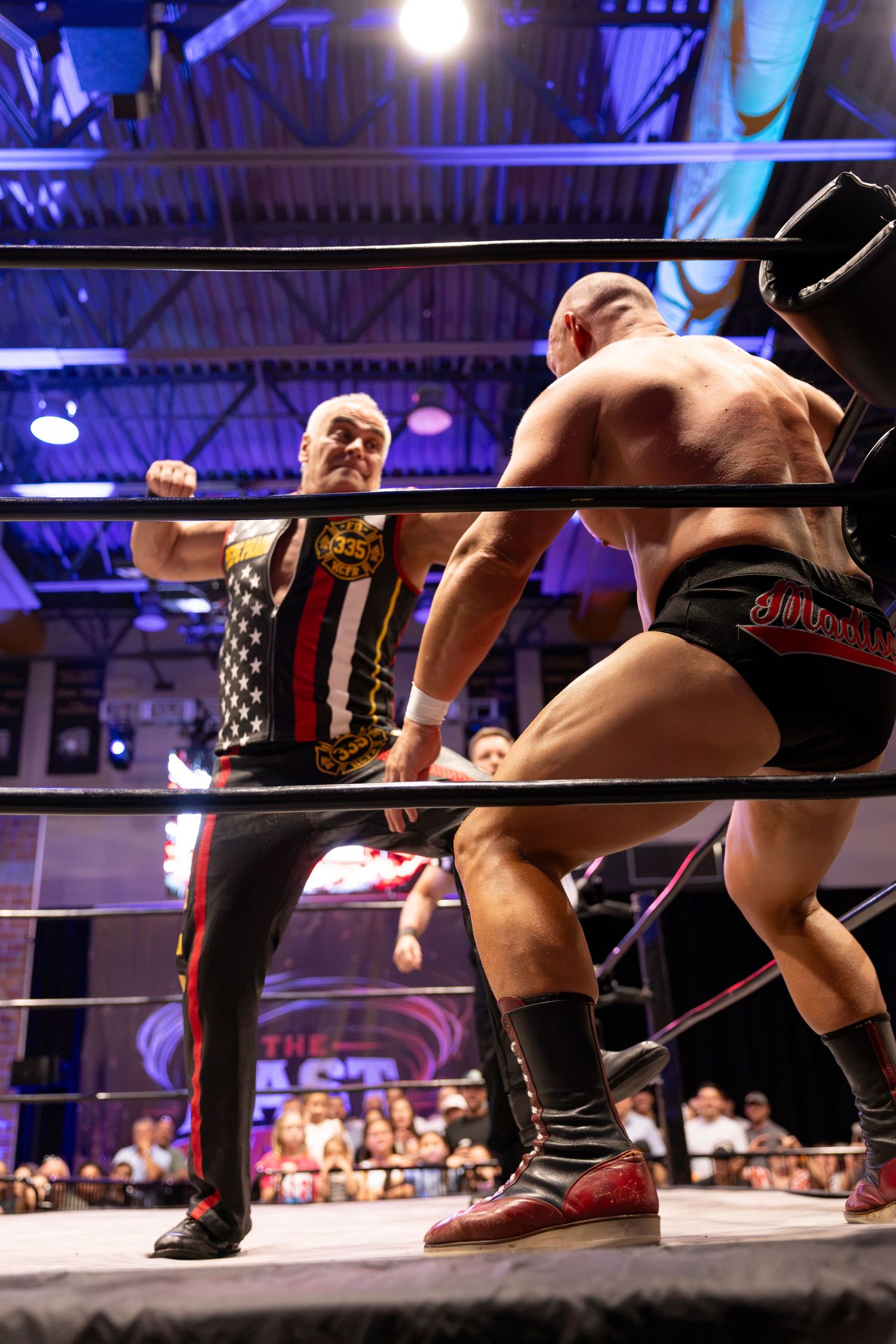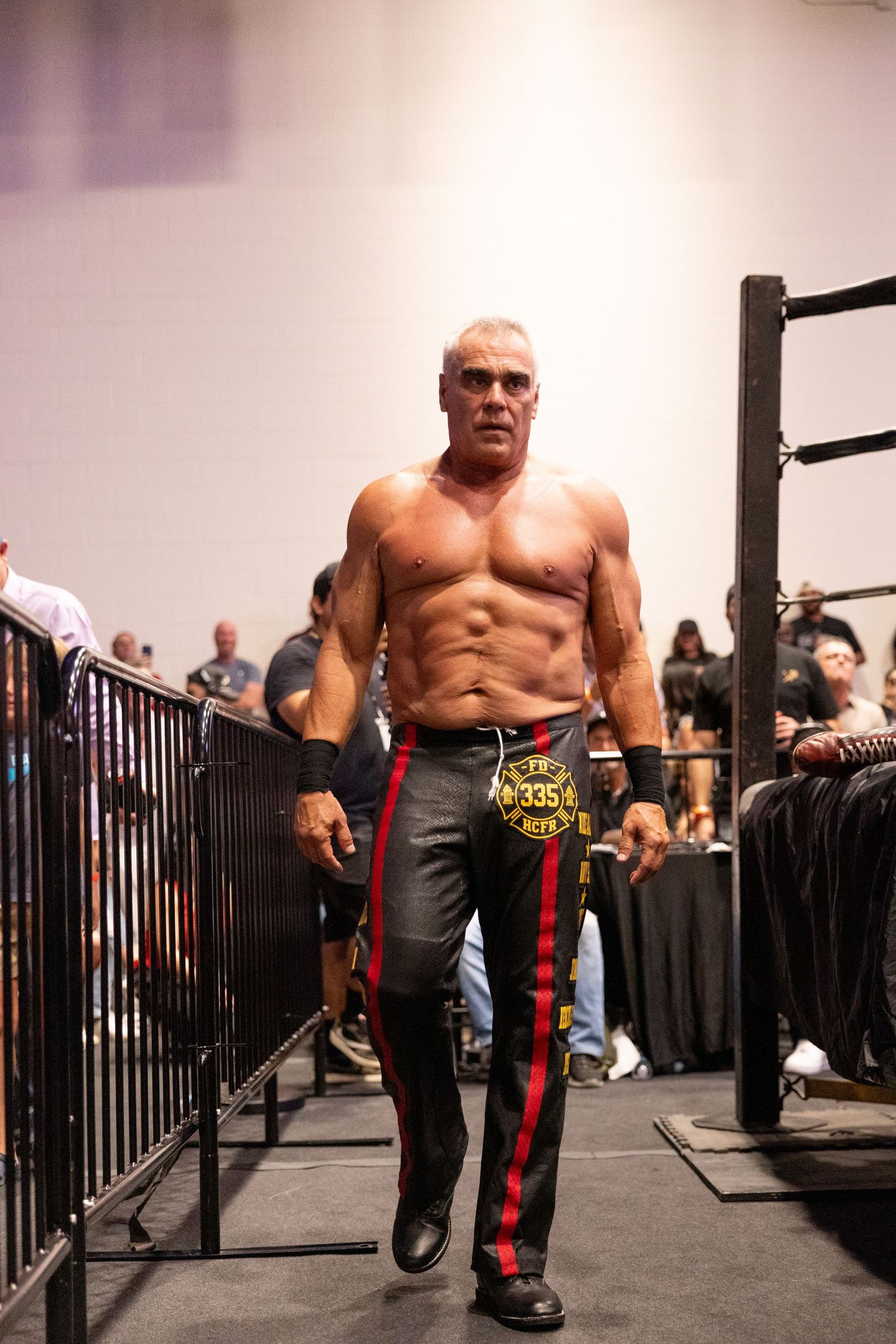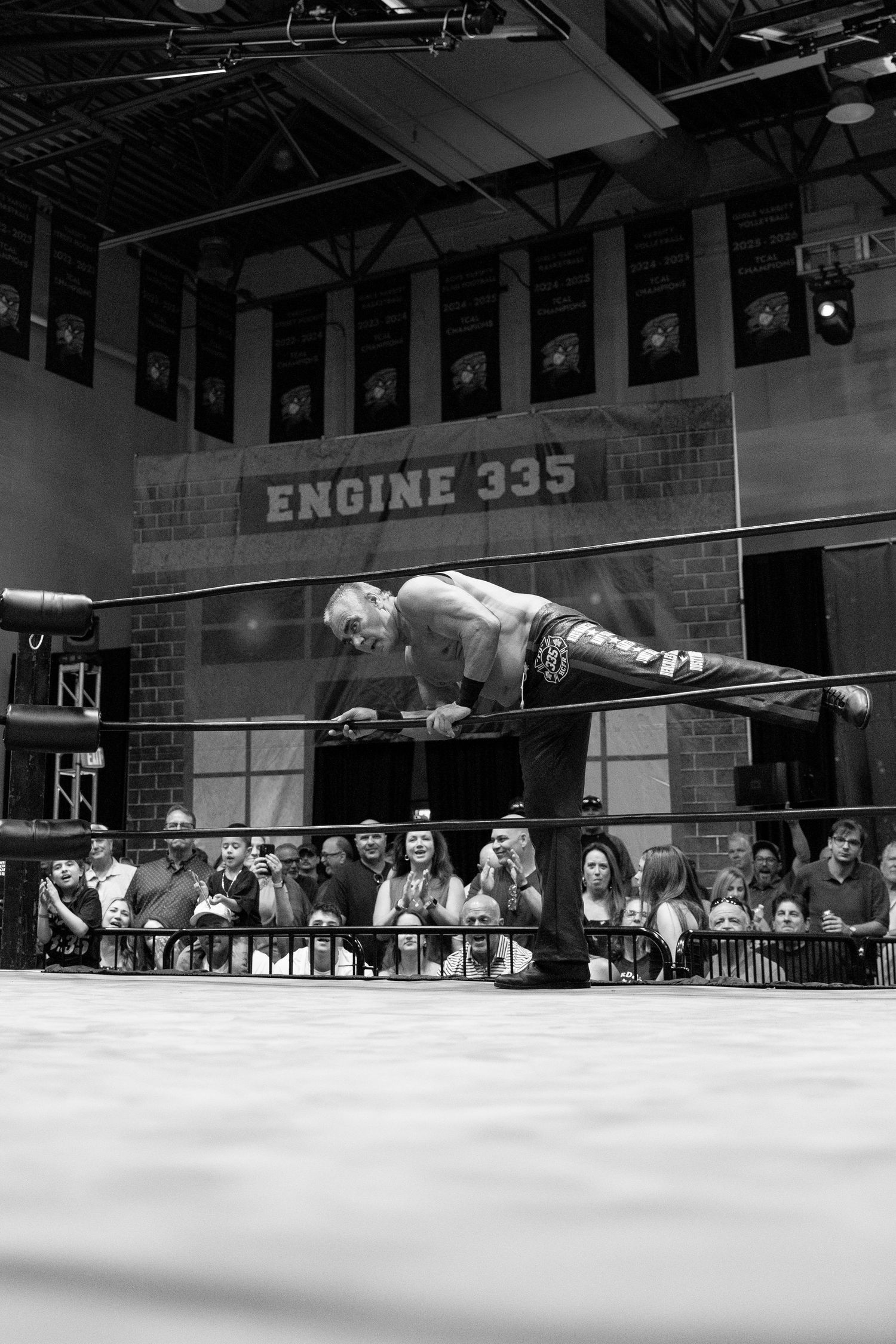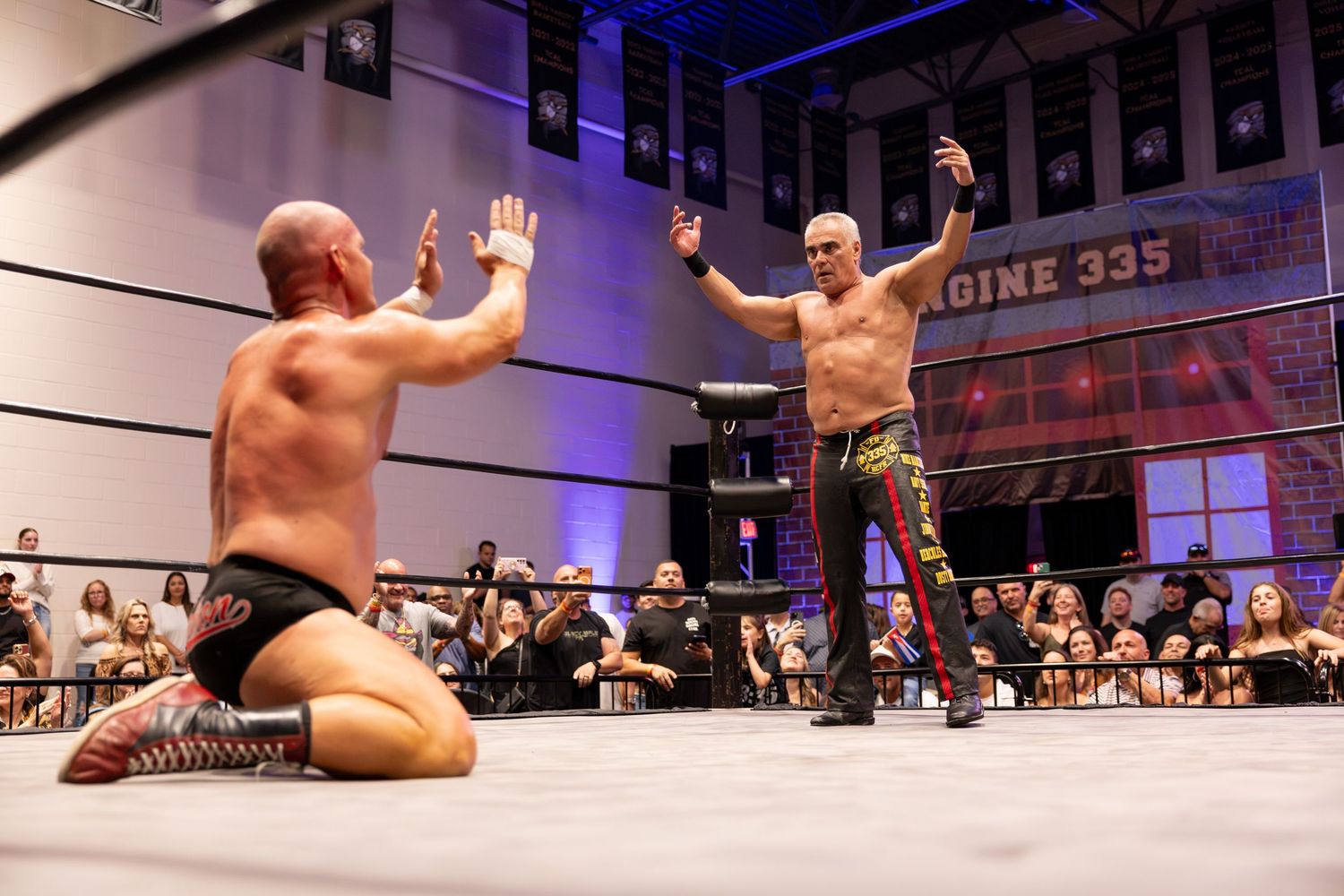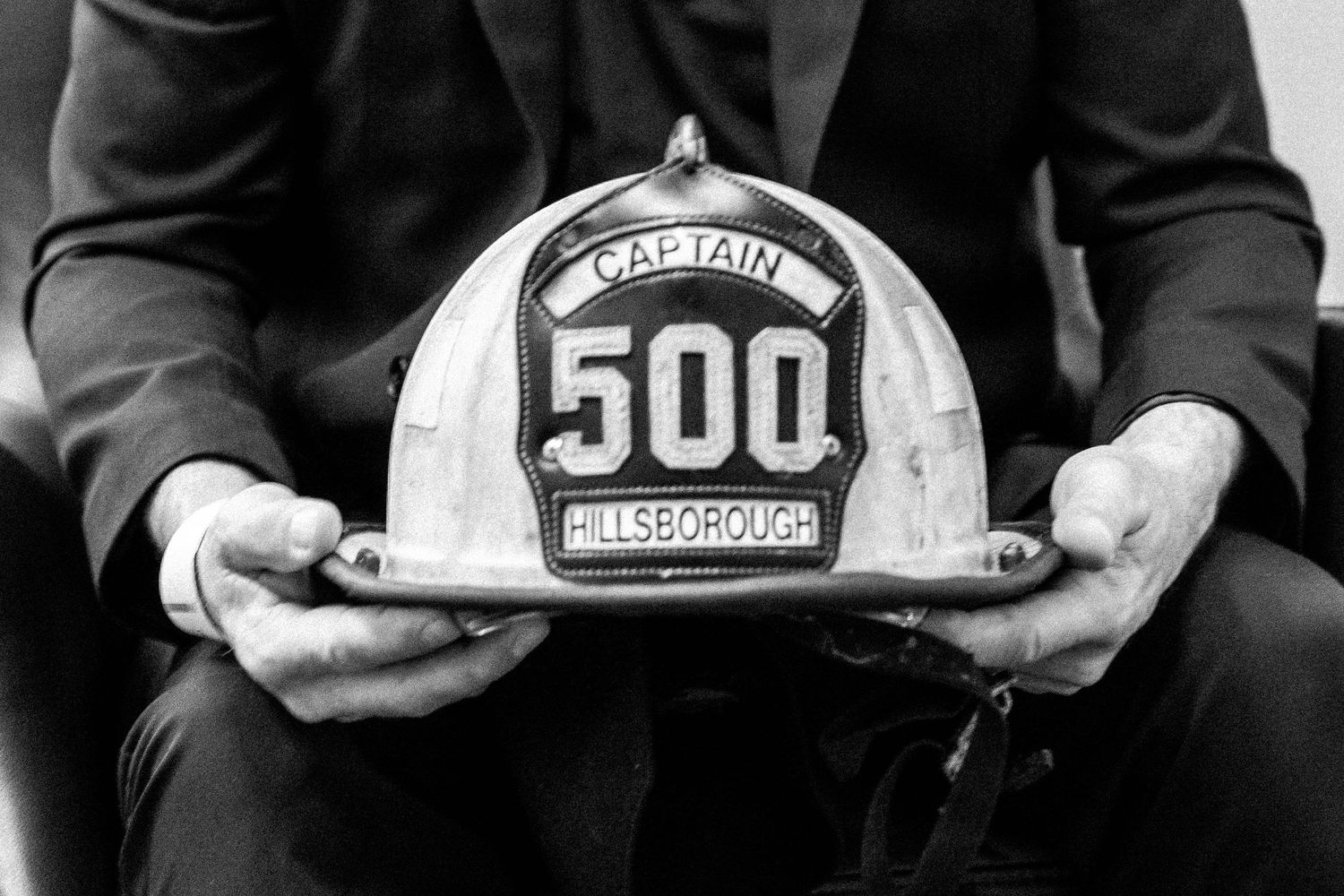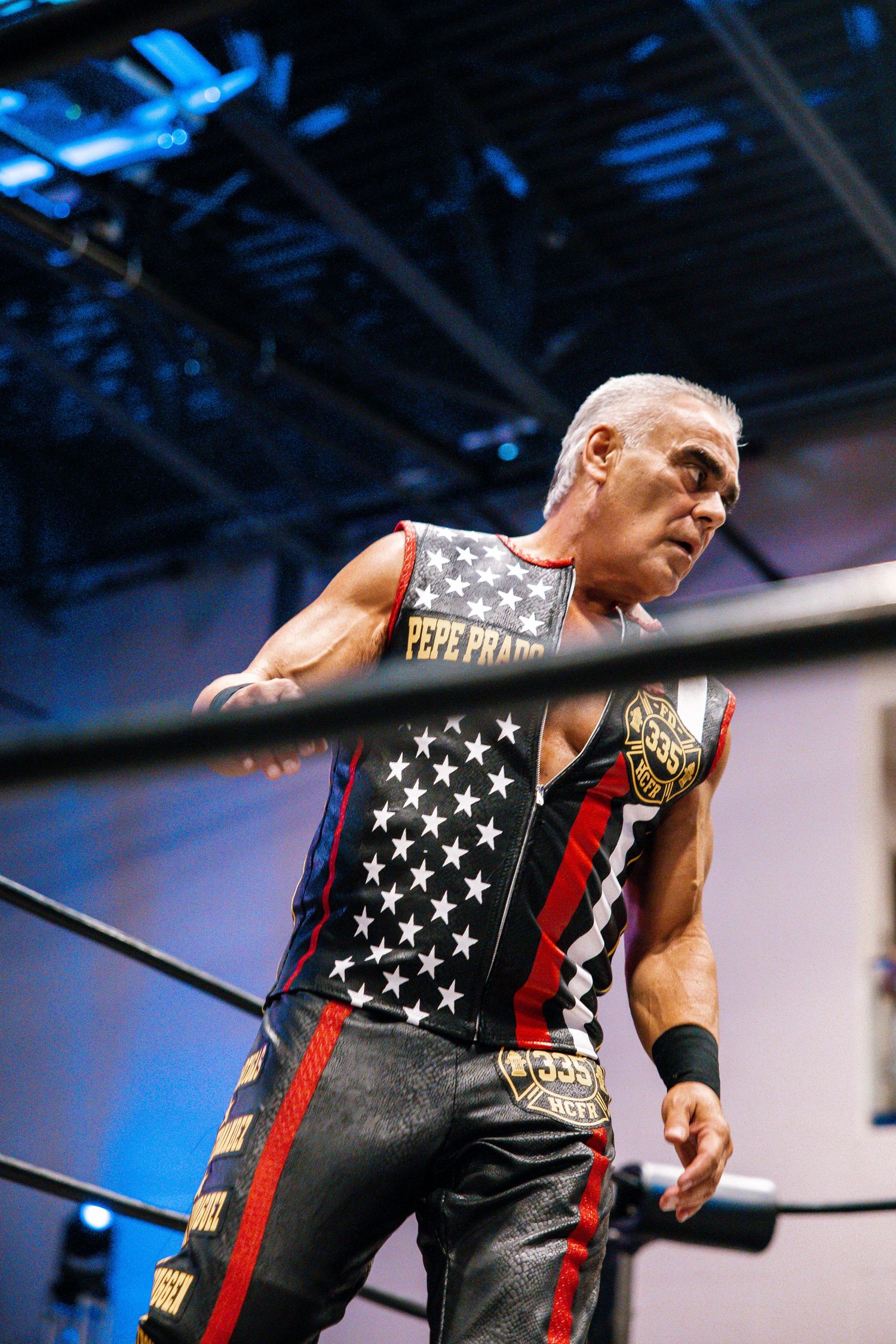
If you told Pepe Prado in 1987 that he would one day serve as Deputy Chief of Hillsborough County Fire Rescue, he probably would have laughed.
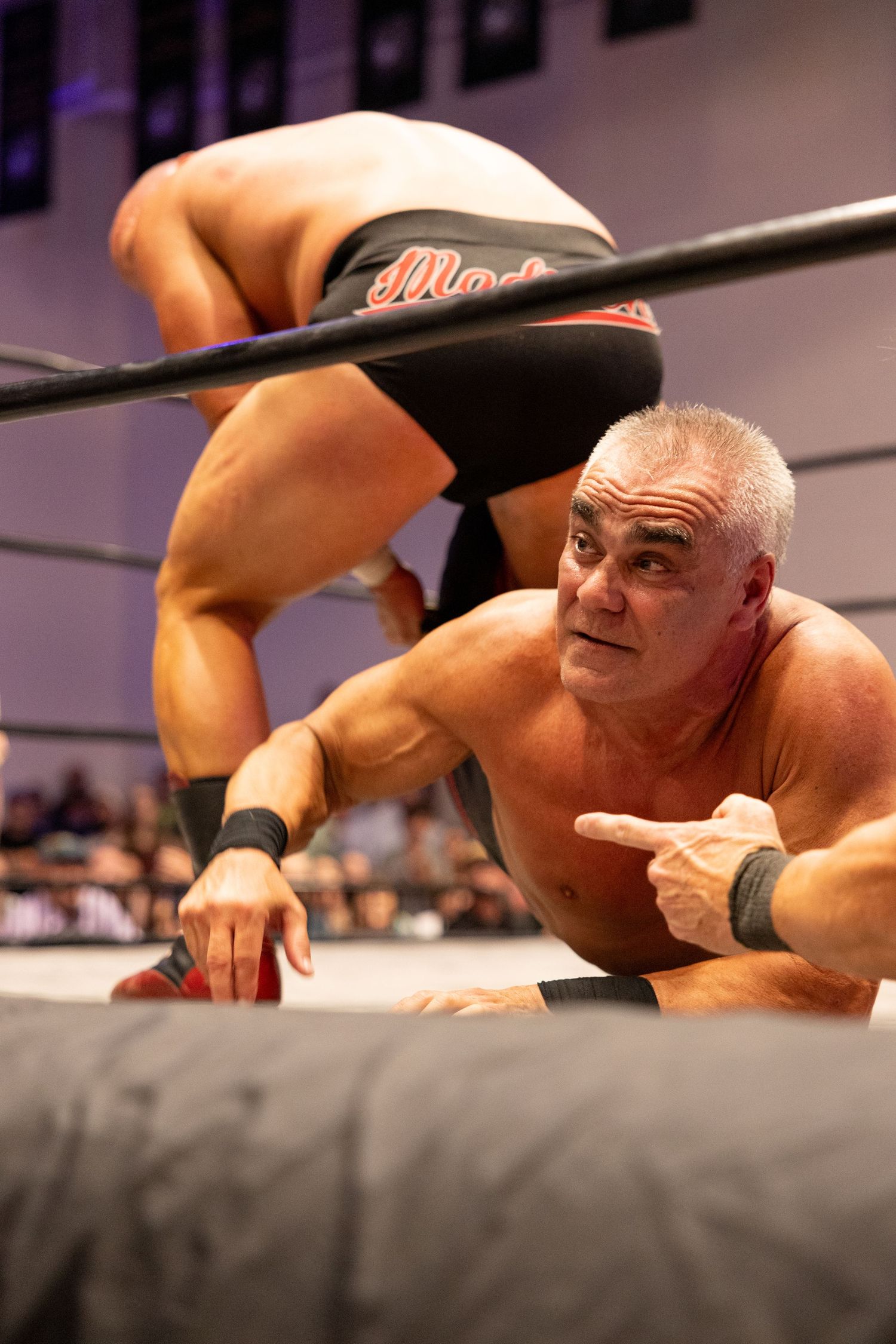
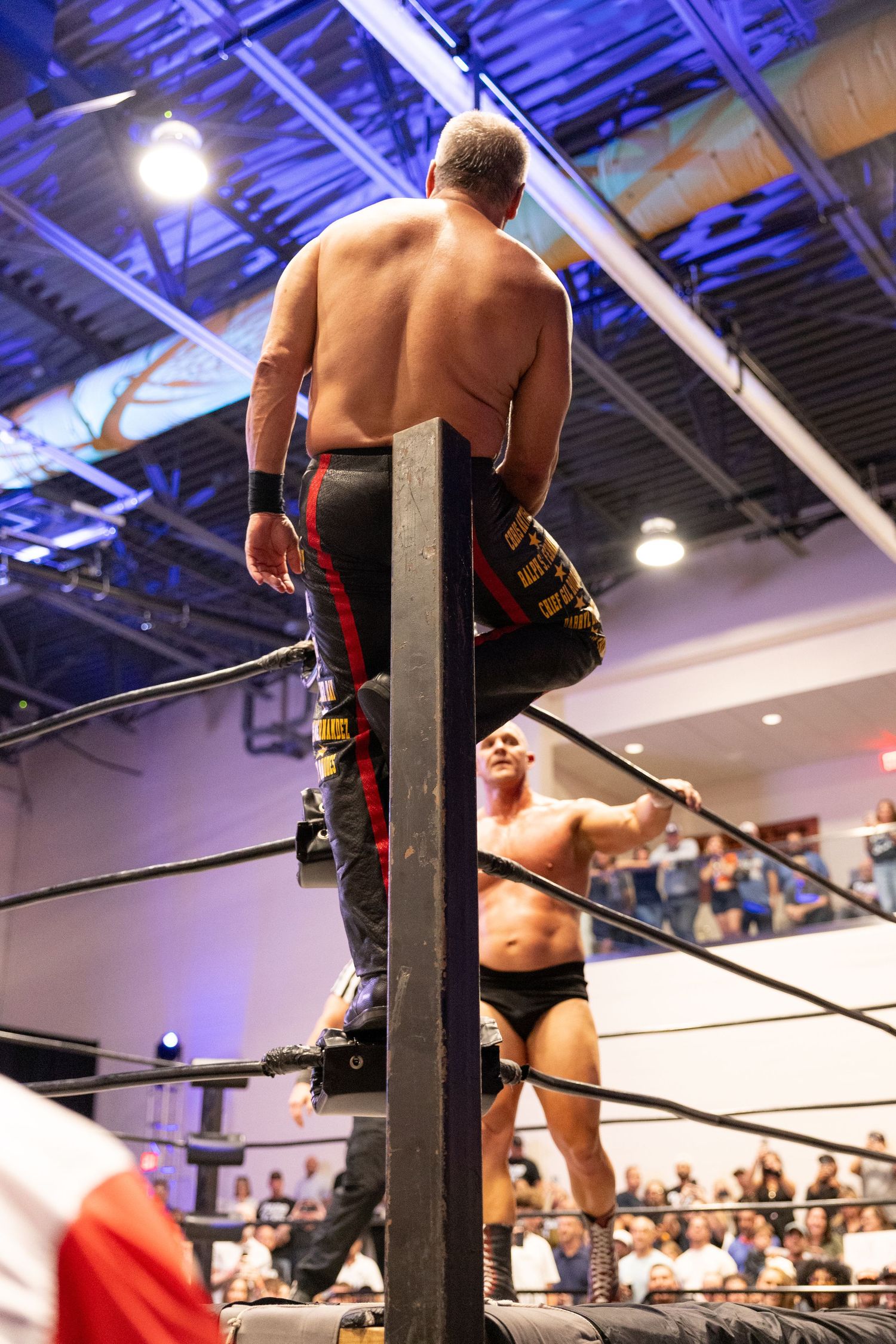
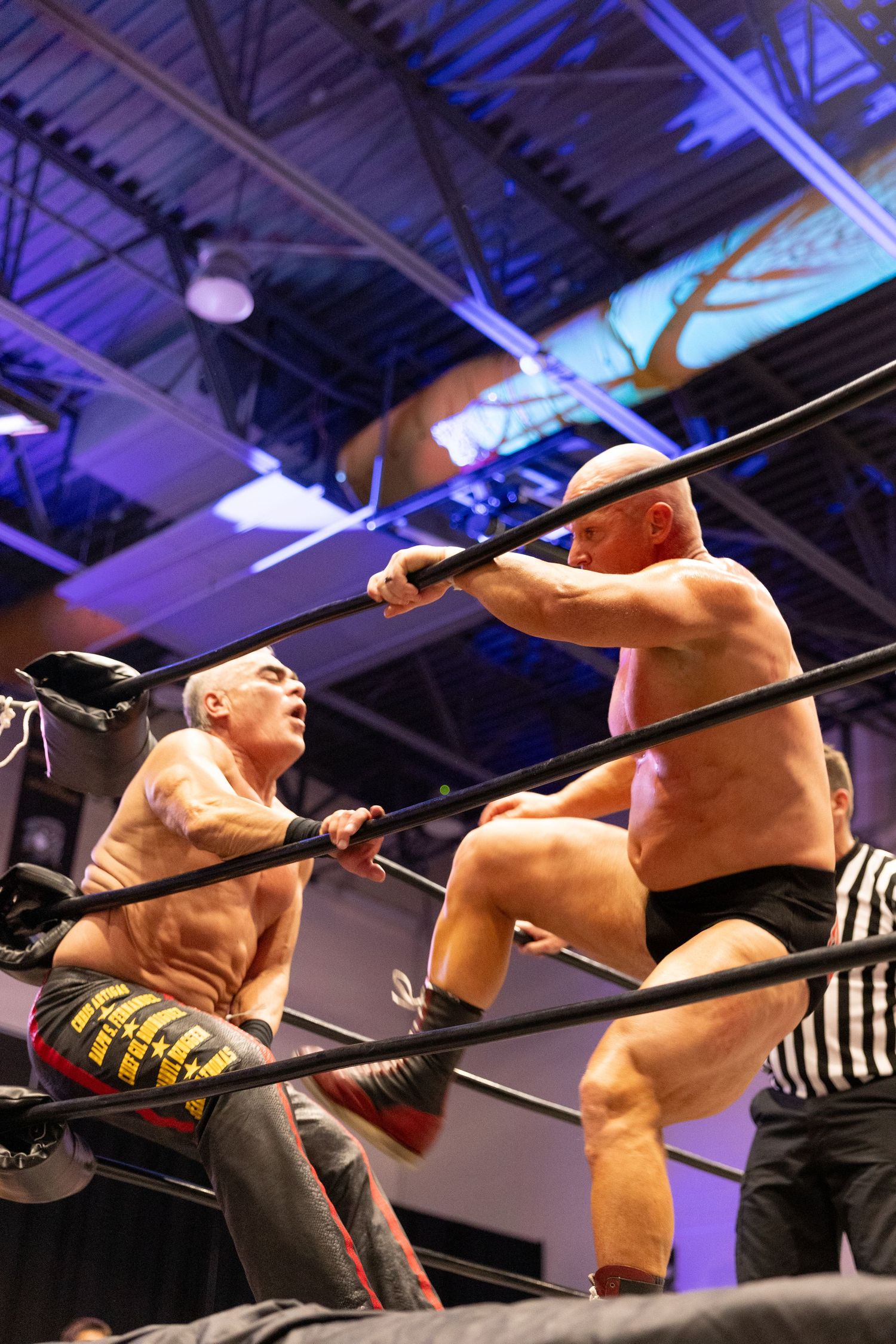
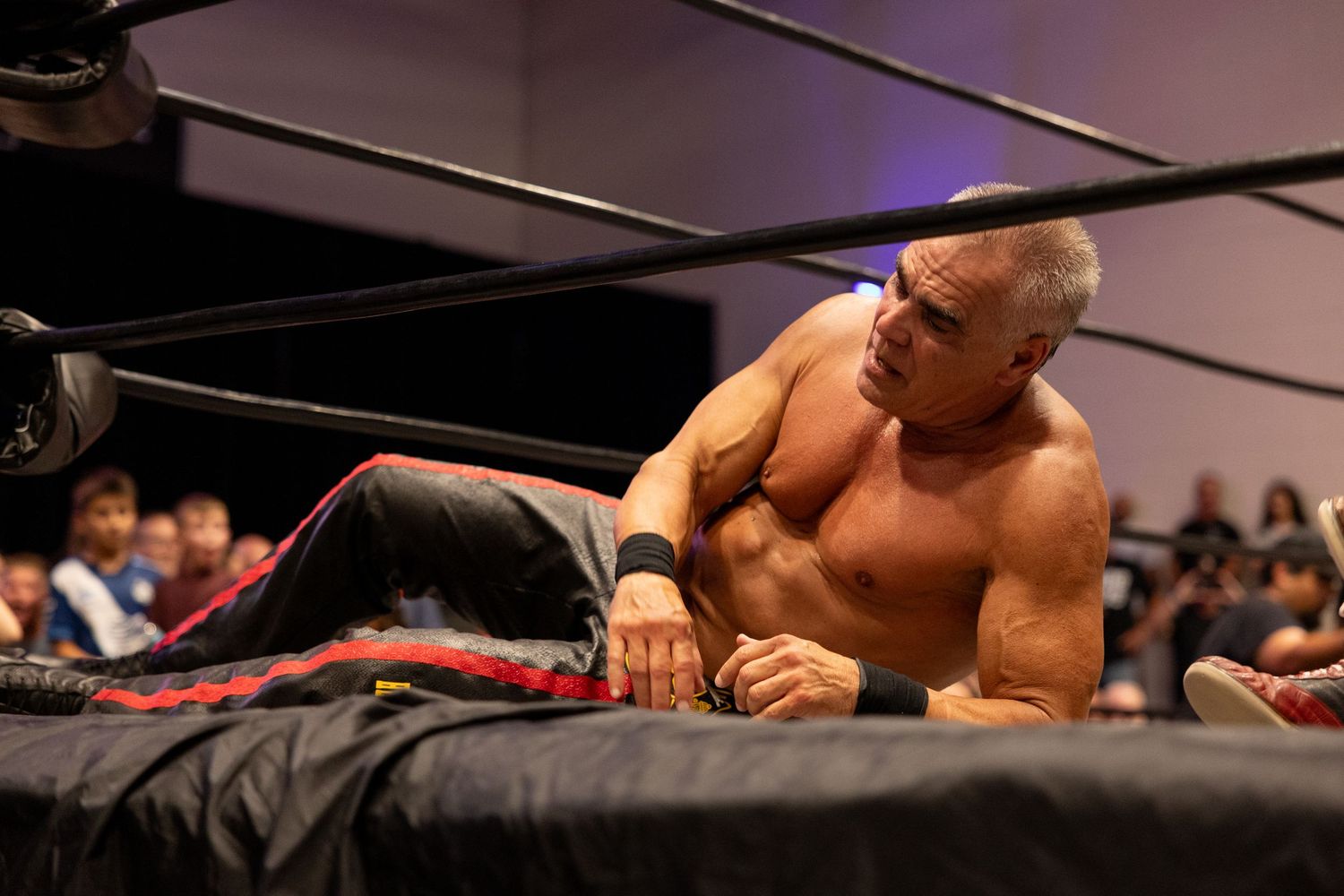
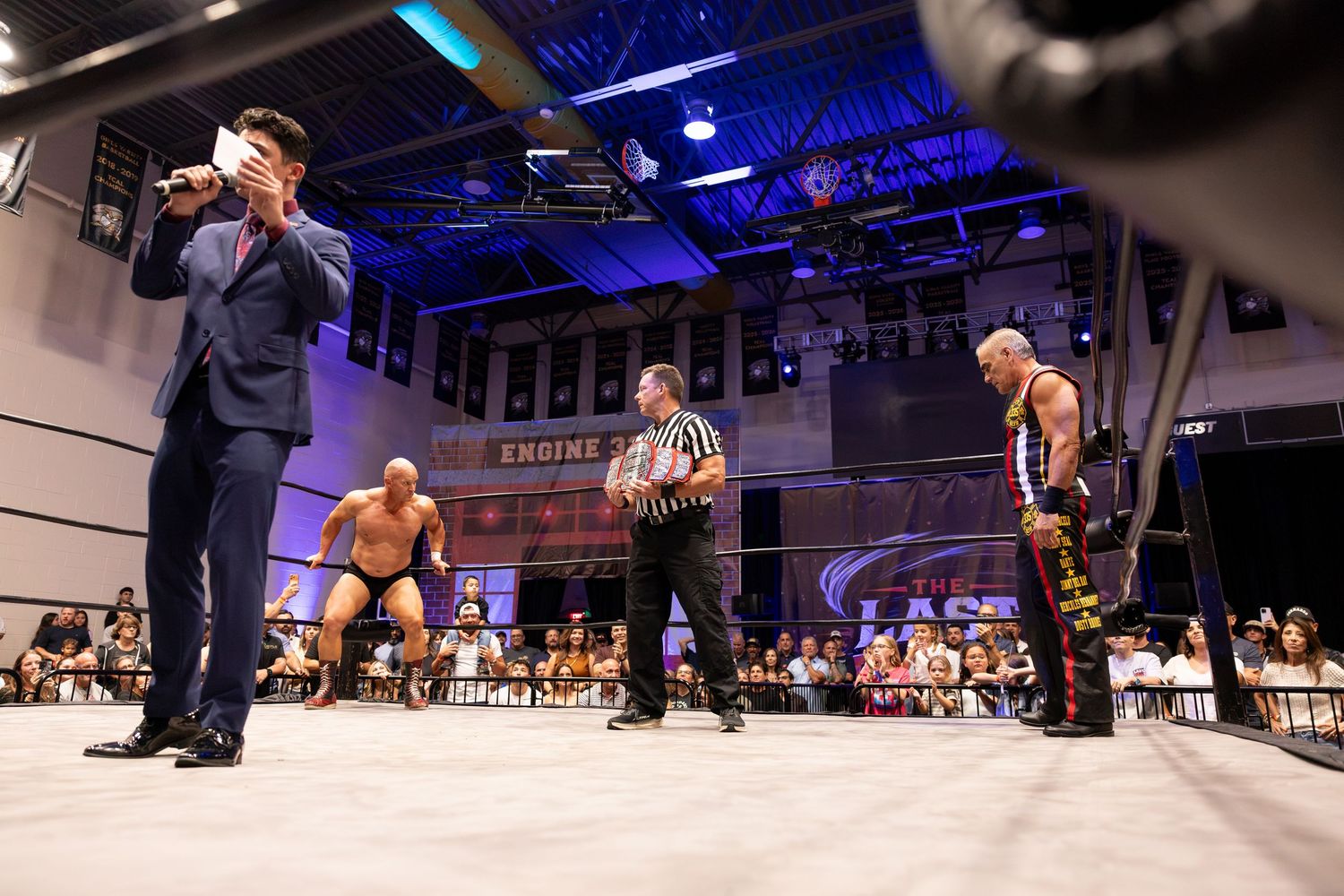
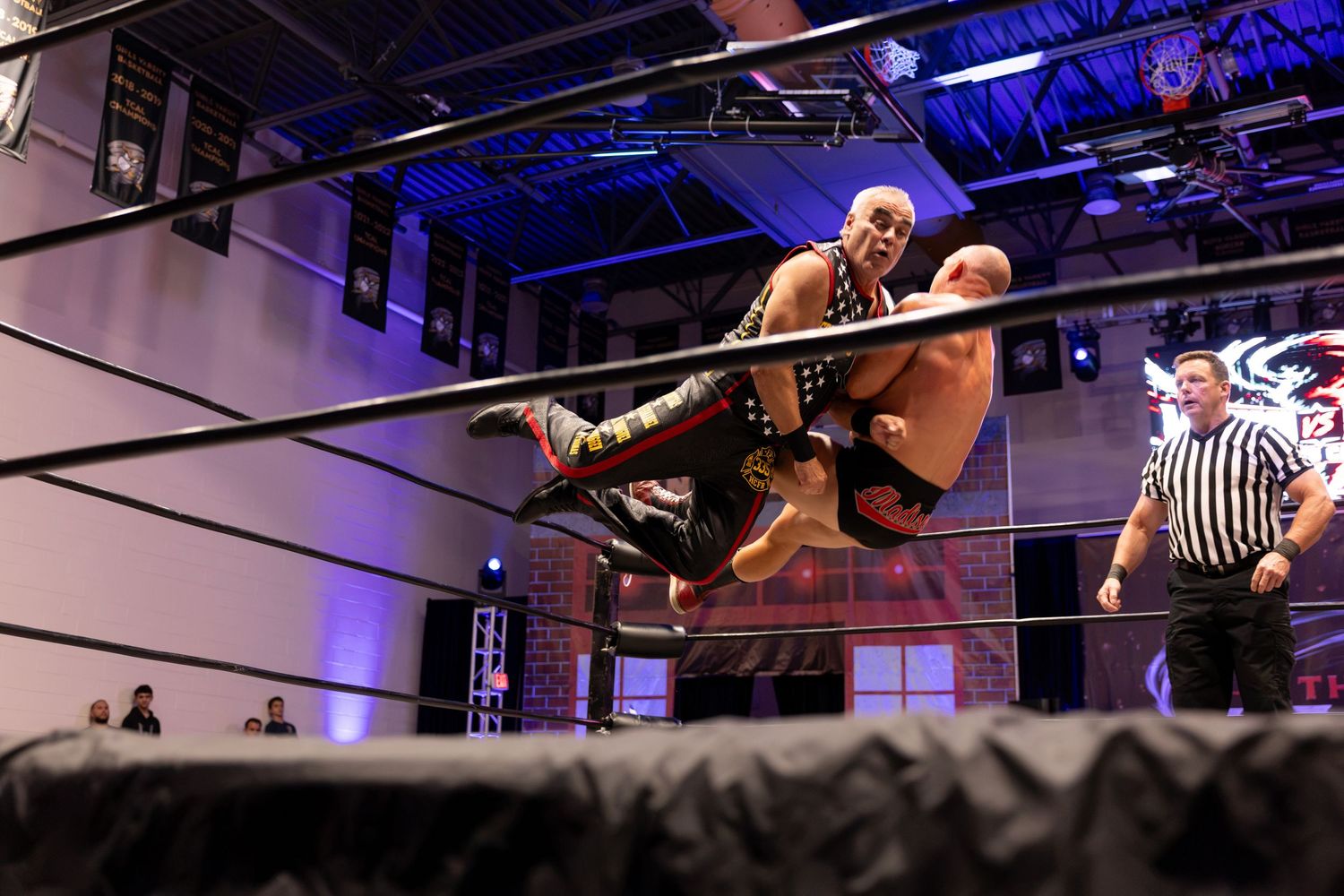
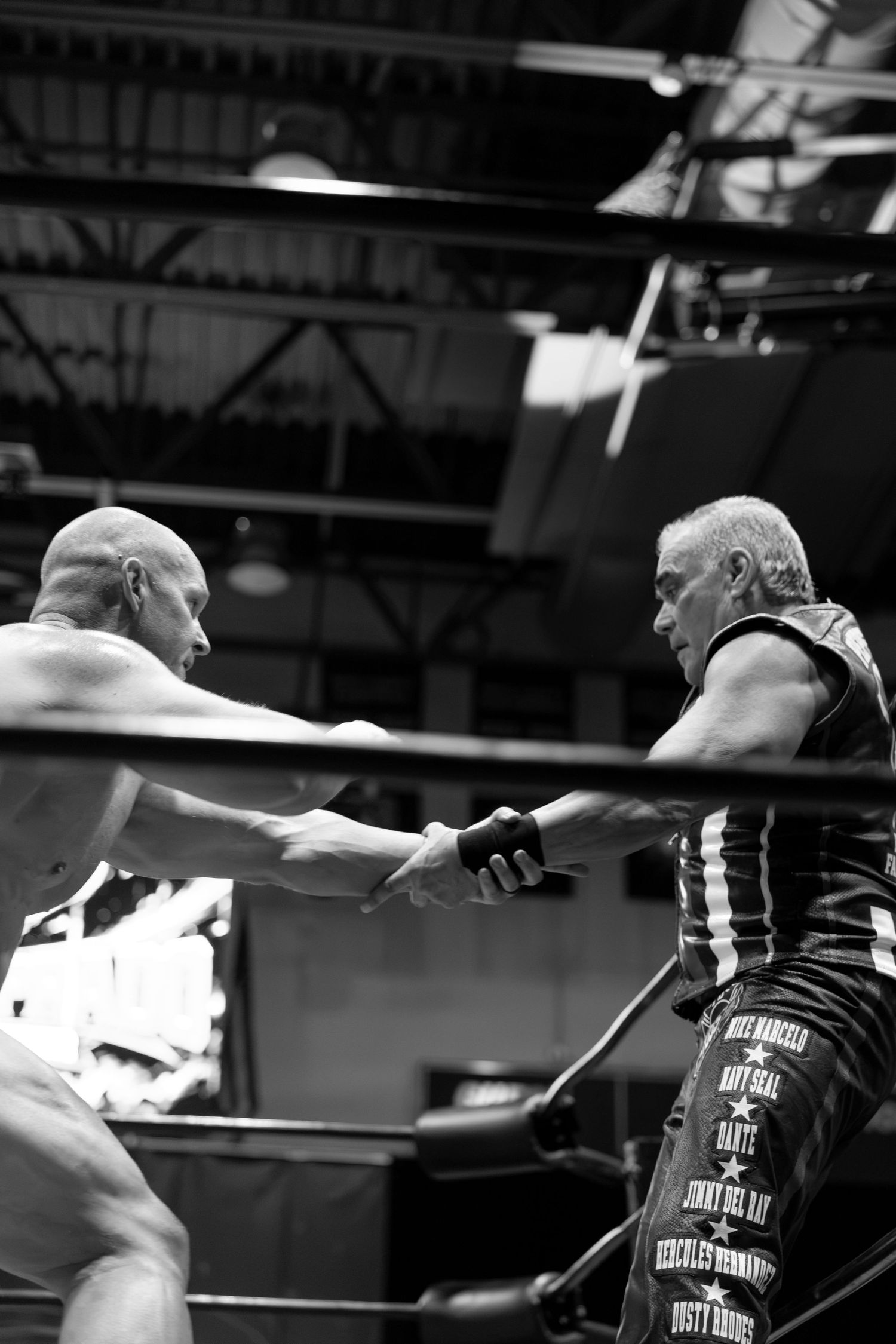
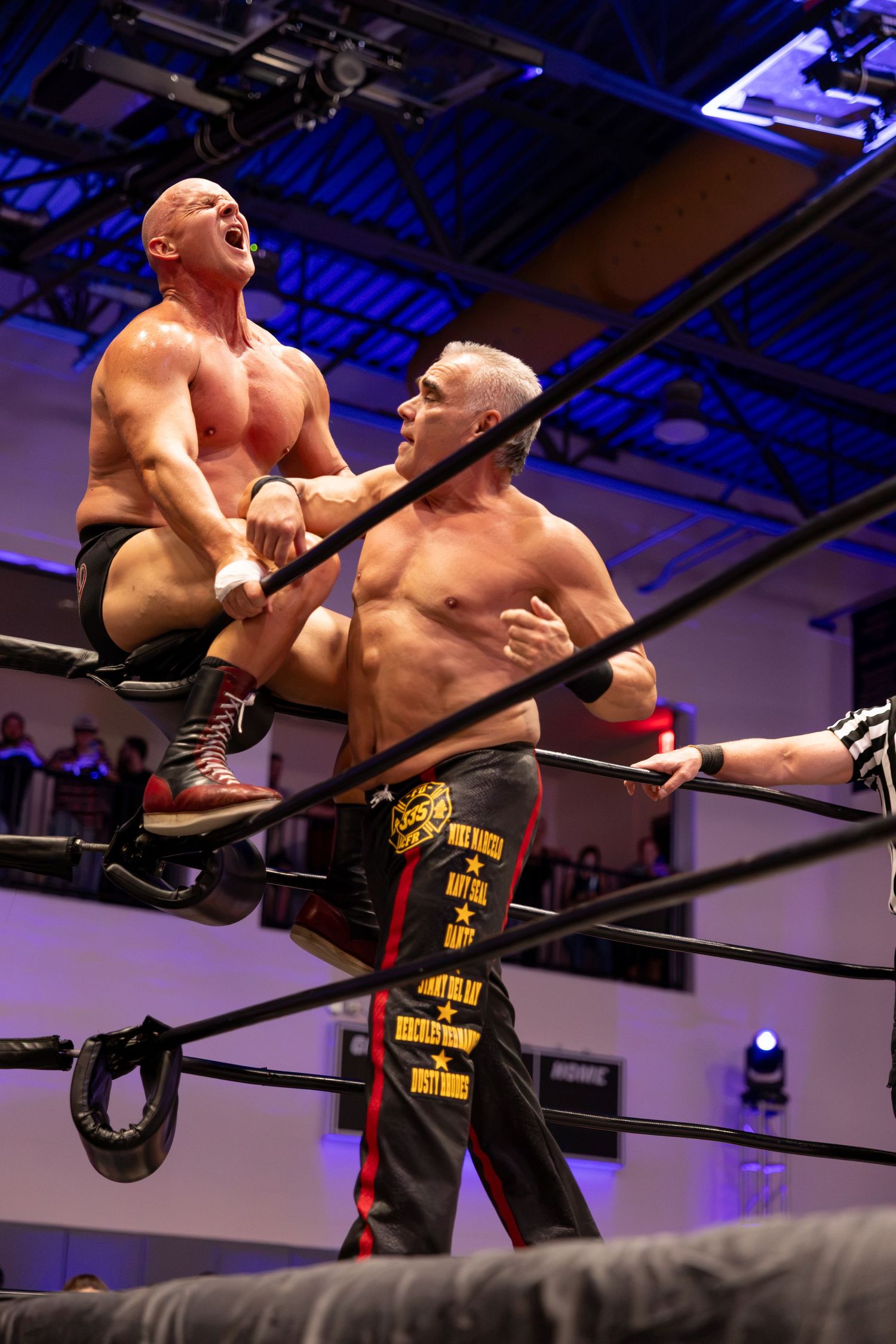
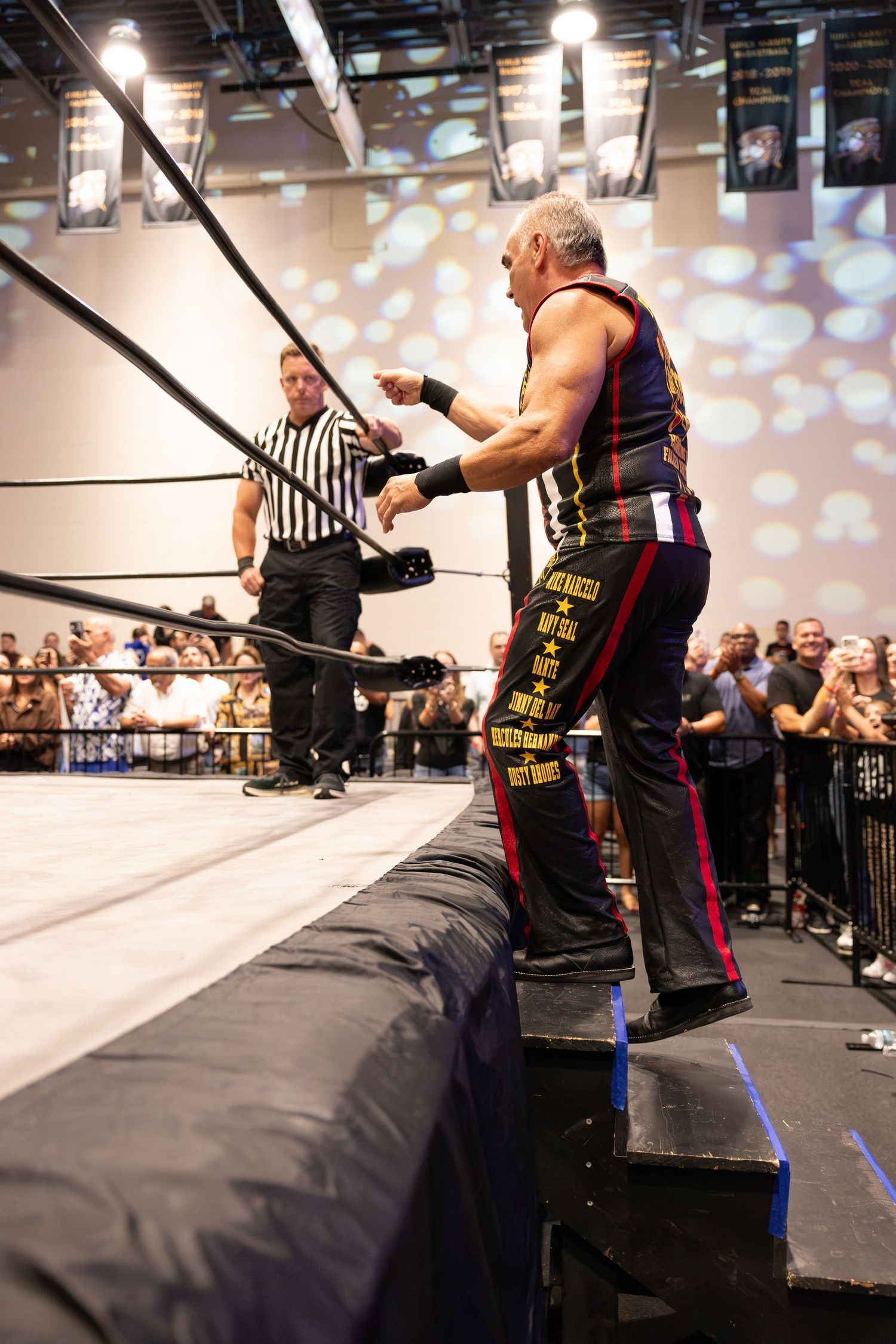
Back then, he was chasing a different dream. He wanted to make a name for himself in professional wrestling. He was working in a grocery store warehouse, building a wrestling career, and trying to provide for his young family.
The fire service wasn’t the original plan.
But he watched friends enter a profession they were proud of. There was purpose, camaraderie, and, let’s be honest, the chance to do some pretty cool things. He wanted to be part of it.
He completed the fire academy in 1987 and joined Hillsborough County in 1988. With starting wages around four dollars an hour, he worked three jobs to make ends meet. Between work, wrestling, and family, he was asking a lot of himself—and his body. He couldn’t have known everything the next four decades would ask of him.
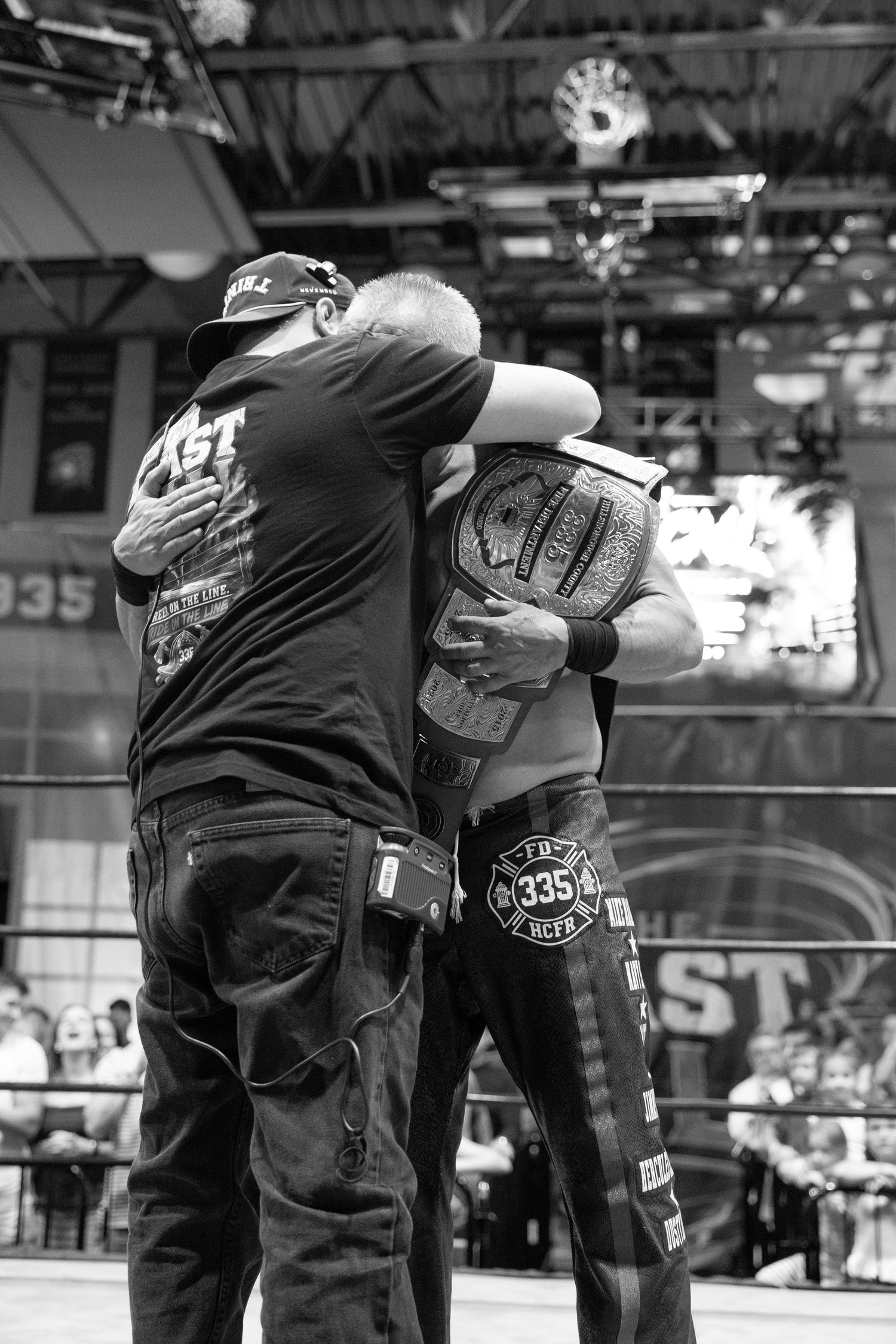
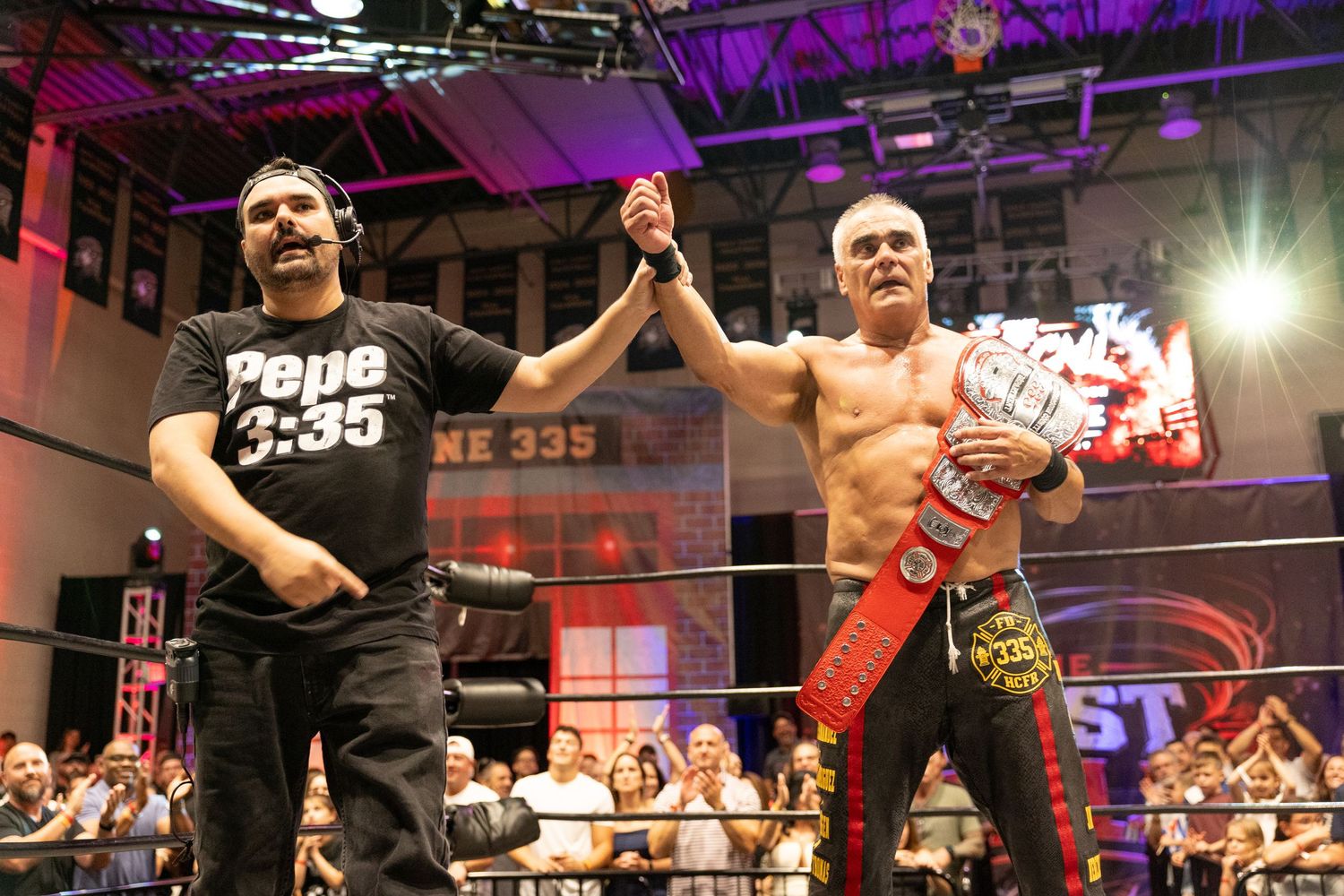
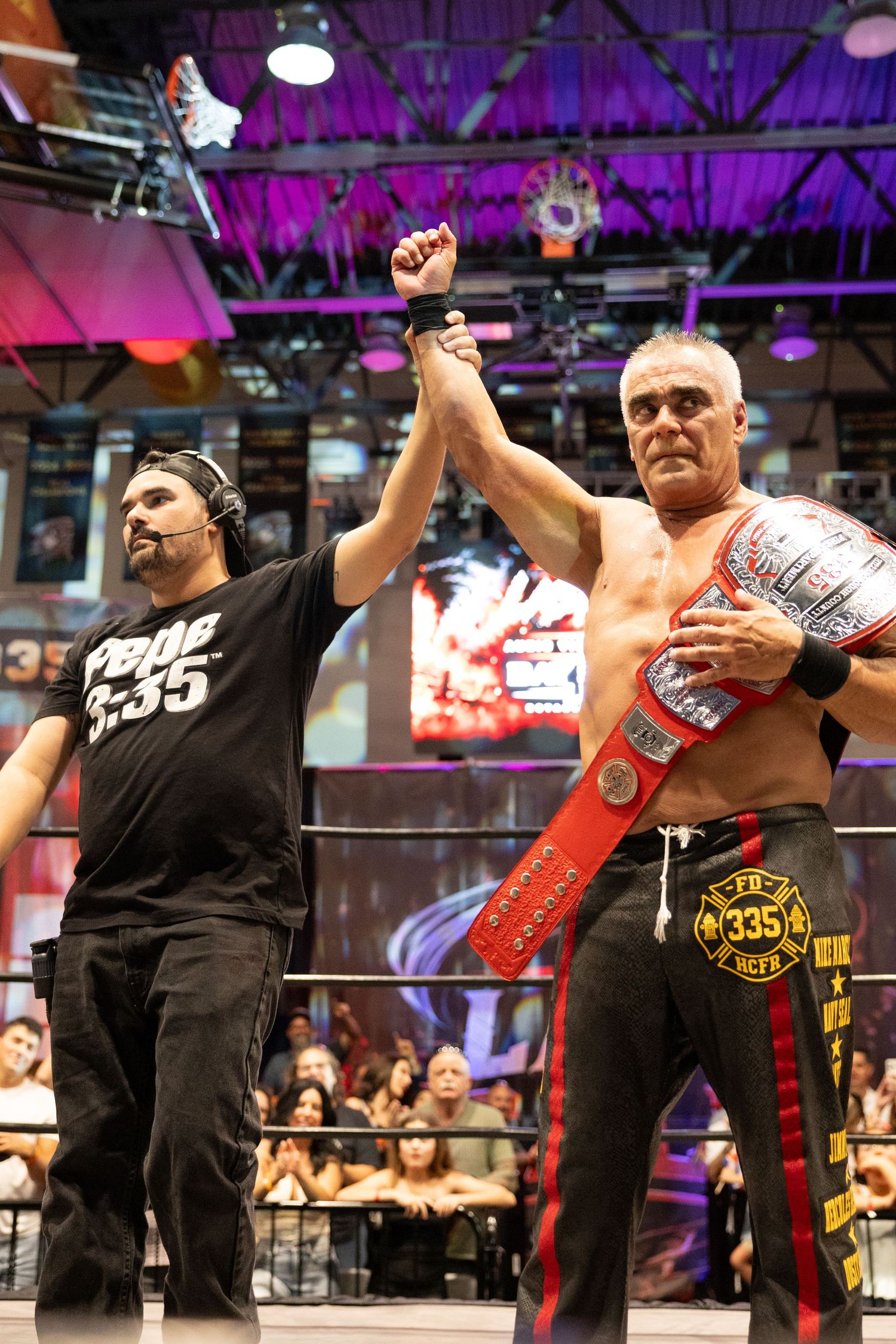
Wrestling and firefighting have more in common than most people might think. Chief Prado knows both worlds: the brotherhood, the physical punishment, the pressure to prove you can still do the job. In either, one wrong move can change a life.
And sometimes, the hardest thing to carry is what stays with you afterward.
Early in his fire career, Chief Prado responded to a motel fire involving a Spanish-speaking immigrant family of three. As crews worked to clear the building, they realized they needed someone who could communicate with the family.
He was the only Spanish-speaking firefighter there.
Then someone placed a little girl in his arms. She had been severely burned. He was now responsible for helping care for her, while also becoming the family’s line of communication during one of the worst moments of their lives.
When you have small children at home, there are calls where the distance between the job and your own life becomes painfully thin. You see a child’s size, their innocence, and something familiar. You still have work to do. You do it.
But clearing the scene doesn’t mean the scene leaves you. Our conversation moved into the weight of those experiences, the low places they can lead, and the ways people try to cope. Alcohol. Substances. Choices that damage relationships. Pain that follows someone home and reaches the people who love them. The family lives with it. The crew feels it. And sometimes, the person beside you is fighting a battle of their own.
Chief Prado entered the fire service when the resources available today were still a long way off. Looking back, he speaks with gratitude about how much that has changed—and about the help that made a difference in his own life. He has particular praise for the IAFF Center of Excellence for Behavioral Health Treatment and Recovery after spending some time there himself.
Listening to him, what stayed with me was his willingness to be honest. He could have kept our conversation comfortable. Career milestones. Promotions. Stories polished enough to fit neatly beneath a chief’s title.Instead, he talked about accountability. About getting things wrong. About accepting help. I really respect someone who can own their shit. And I respect a leader who understands that being honest about where he’s been might help someone else find their way out.
For the past five years, Chief Prado has served as Deputy Chief. But when I asked what legacy he hoped to leave, his answer reached beyond the department.
“The person I am is so much more than the profession.”
That line stayed with me.
The job can take up an enormous amount of a person’s identity. But there is also the person your family knows. The friend people call. The leader someone trusts enough to tell the truth to. Those relationships are part of the legacy, too. Chief Prado’s love for his family, friends, and peers came through throughout our conversation. So did his concern for the firefighters coming behind him. He wants them to have support before they find themselves in the low places he knows firsthand. He also gives considerable credit to Fire Chief Jason Dougherty for helping build a department culture where people show up for one another when it matters.
As we finished, I asked what advice he would give someone entering the fire service. His message was straightforward: be prepared. Mentally, physically, emotionally, and spiritually. Don’t half-ass it. Keep learning. Own your decisions. Give yourself fully to what you do.
And don’t ever be afraid to ask for help.
That advice belongs to the firefighter walking into the academy and the one who has spent decades on the job. Experience doesn’t erase the need for support.
What I took from our conversation was a man willing to look honestly at his life and use what he’s learned to care for others. For Chief Prado, redemption is something he continues to live through accountability, relationships, and the way he leads. There is still work to do. Still someone coming behind him who might need to hear his story.
And that, too, is a legacy worth documenting